Hey there, fellow pup lover! If youve ever wondered whether that extra squeak on the vets scale means a problem, or how to pick the right dog veterinary clinic down the street, youre in the right spot. In the next few minutes well walk through everything you need to knowno jargon, just friendly advice that you can actually use.
Why Vet Care Matters
What does a dog veterinary actually do?
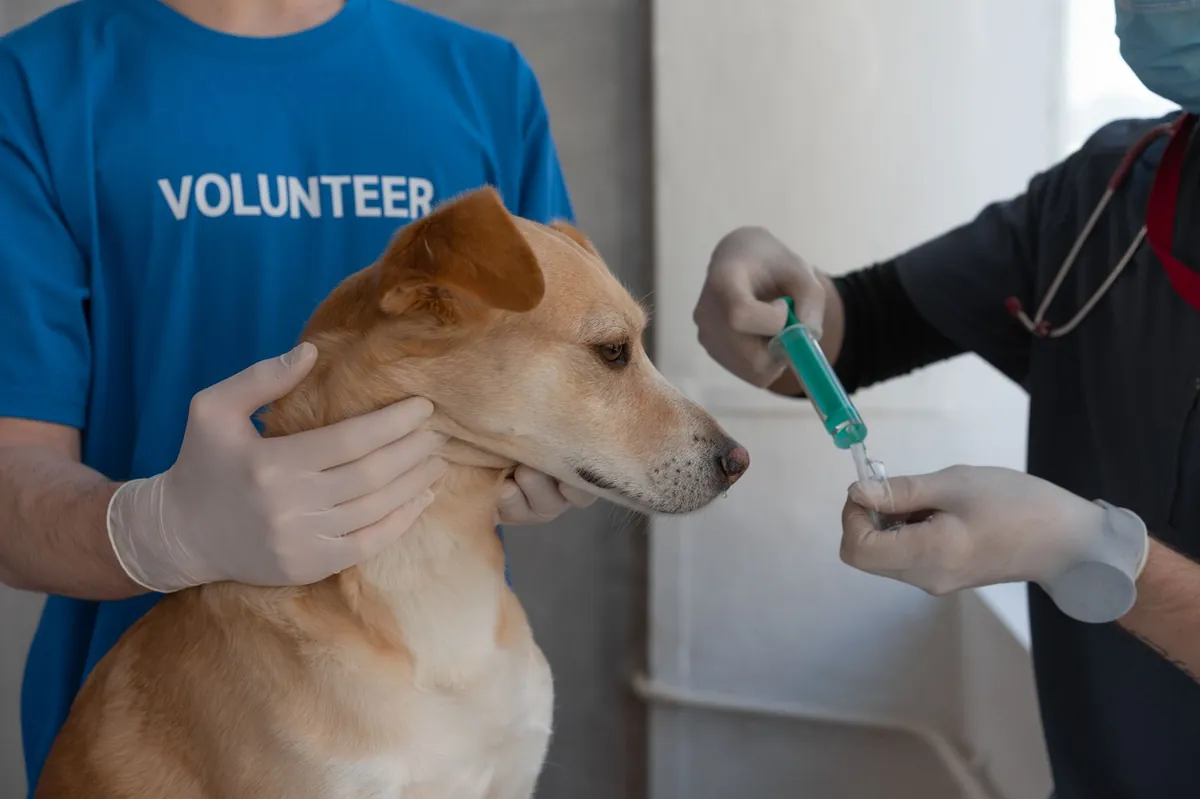
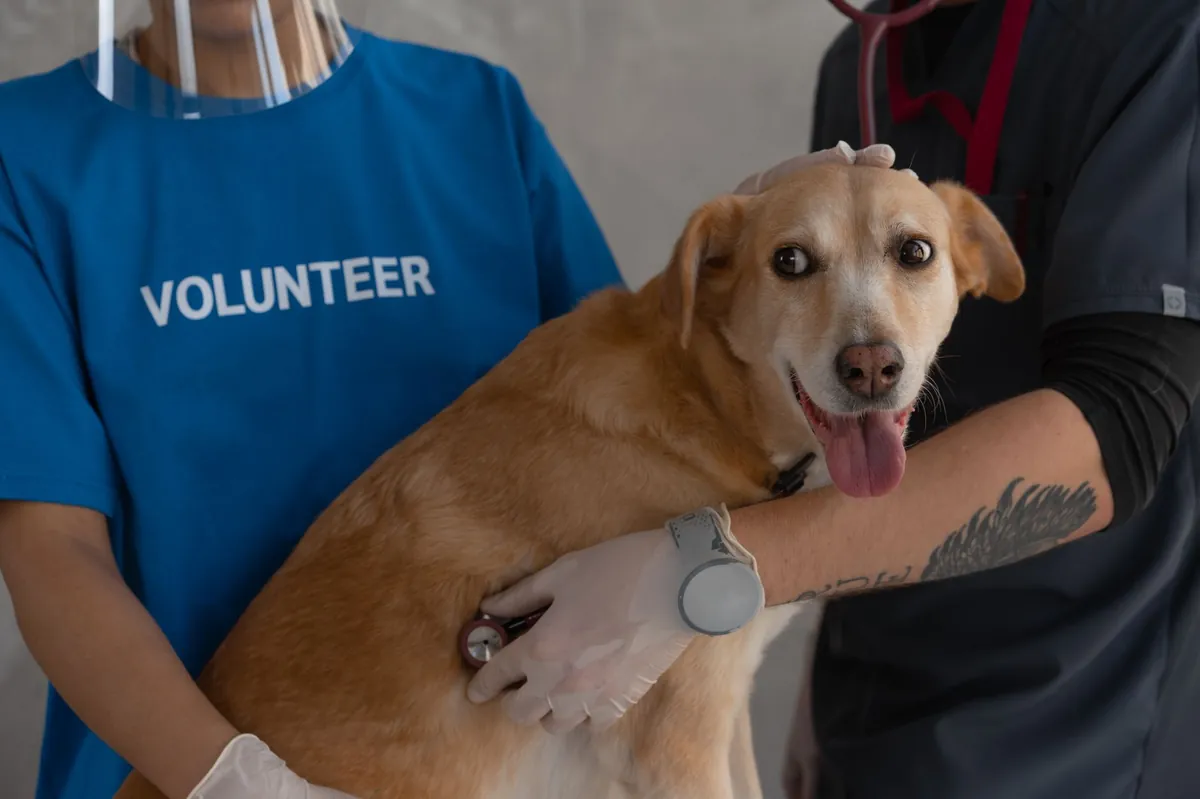
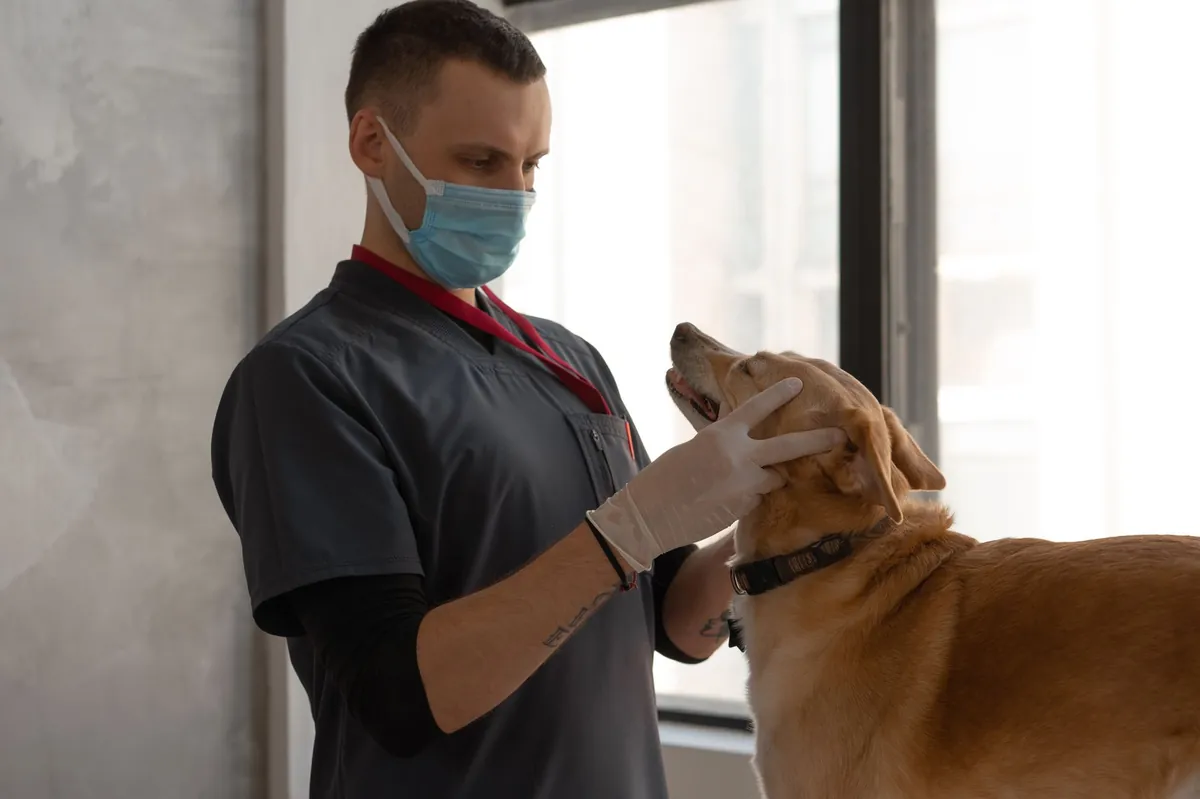
A dog veterinary isnt just someone who gives shots. Think of them as a health coach, detective, and sometimes even a handyman for your fourlegged friend. From routine wellness exams and vaccinations to dental cleanings, surgery, and emergency care, they cover the whole health spectrum. When you bring your dog in, the vet checks heart rate, listens to lungs, feels joints, and may run blood workjust like a human doctor, but with a lot more tail wagging.
How often should my dog see the vet?
Age matters. Puppies need a checkup every 34 weeks until theyre about 16 weeks old. After that, an annual exam usually does the trick for most adult dogs. Seniors (7+ years) benefit from a semiannual visit because agerelated issues like arthritis or kidney disease can hide nicely.
Benefits vs. risks of regular vet visits
Benefits are clear: early disease detection, uptodate vaccinations, weight management, and a chance to ask the vet any quirky concerns you have. Risks are mostly about stressboth yours and your dogsand cost. The good news? A calm, familiar clinic (maybe a dog veterinary near me you trust) can turn a nervous experience into a quick, painless routine.
Finding Your Vet
How to search dog veterinary near me effectively
Start with a simple Google search, but then dig deeper. Look at Google Maps reviews, check the clinics website for credentials (like AVMA affiliation), and see if they mention 24hour emergency services. A highrating clinic with lots of recent positive comments usually signals a good fit.
What to look for in a veterinary partner or VCA vet
When you read the About Us page, ask yourself:
- Do they list their veterinarians licenses and board certifications?
- Is the clinic clean, with separate waiting areas for sick and healthy dogs?
- Do they have modern equipment (digital xrays, ultrasound)?
- Is there a clear billing policy and options for payment plans?
If the answer is yes to most, youve likely found a solid veterinary partner. Many large chains like VCA vet locations meet these standards, but local independent clinics can be just as trustworthysometimes even more personal.
Questions to ask during the first appointment
Bring a notebook (or your phone) and ask:
- Whats your approach to preventive care?
- How do you handle emergencies after hours?
- Do you offer telemedicine consultations?
- Can you provide a copy of the veterinary partner handouts for home care?
These questions show youre engaged and help you gauge if the vets communication style matches yours.
Core Services Needed
Preventive care package
Most clinics bundle vaccinations (rabies, DHPP, bordetella), heartworm tests, flea & tick preventatives, and dental cleanings into a yearly wellness plan. This bundle often saves money and ensures nothing slips through the cracks.
Routine health screenings
Blood panels, urinalysis, and sometimes thyroid checks are routine for senior dogs. Catching a thyroid issue early can prevent weight gain and lethargytwo things no dog owner wants to see.
Nutrition counseling & weight management
Ask your veterinary doctor about a diet tailored to your dogs breed, age, and activity level. If your pooch is shedding more than usual, a nutrition tweak could help. Speaking of shedding, you might also want to explore How to stop dog shedding excessively for extra comfort at home.
Sample preventive care schedule
| Age | Service |
|---|---|
| 8 weeks | First puppy vaccine set + deworming |
| 12 weeks | Second vaccine set + heartworm test |
| 1 year | Booster vaccines + dental cleaning |
| Every 6 months | Heartworm test, flea/tick preventatives |
| Annually | Full physical exam, blood work |
Common Health Issues
Skin problems
Itchy skin can be caused by allergies, fleas, or even a yeast infection. If you notice constant scratching, a quick visit to the vet can determine whether you need a medicated shampoo, a change in diet, or a prescription. For flea control that doesnt require a prescription, check out Best flea medicine for dogs without vet prescription.
Gastrointestinal upset
Vomiting or diarrhea can be scary, but most mild cases resolve with a bland diet (boiled chicken and rice) and plenty of water. However, if symptoms persist beyond 24 hours, its time to call the veterinarian near me and get a professional opinionespecially for puppies.
Orthopedic injuries & arthritis
Older dogs often develop joint stiffness. A vet can suggest joint supplements, weight control, or physiotherapy. If surgery is needed, a specialized veterinary doctor will walk you through recovery steps.
Emergency red flags
These signs require immediate attention:
- Difficulty breathing or rapid panting
- Seizures or collapse
- Severe bleeding
- Unexplained swelling or pain
Keep the clinics afterhours number handy; acting fast can save a life.
Is it an emergency?
| Symptom | Action |
|---|---|
| Minor cough | Schedule a routine visit |
| Persistent vomiting | Call clinic ASAP |
| Bleeding that wont stop | Go to Emergency Vet |
| Sudden paralysis | Emergency Vet immediately |
Costs & Planning
Typical price ranges for common procedures
Vaccines: $15$30 each. Spay/neuter: $150$300. Dental cleaning: $200$500. These numbers can vary based on location and clinic size, but they give you a ballpark.
How pet insurance works & what it covers
Insurance can soften the financial blow of unexpected surgeries. The best policies cover accidents, illnesses, and sometimes even routine care. If youre looking for a solid option in the UK, see the Best pet insurance uk guide for comparisons.
Lowcost clinics & nonprofit options
Many cities have community veterinary clinics offering services on a sliding scale. Check local shelters or humane societiesthey often partner with veterinarians to provide affordable care.
Building Trust With Vet
Communication best practices
Before each visit, jot down any changes youve observed: appetite, energy, bathroom habits, or new behaviors. A simple symptom journal helps the vet pinpoint problems faster. Bring that list, and dont be shyask why? as often as you need.
How to evaluate veterinary expertise
Look for credentials like DACV (Diplomate of the American College of Veterinary Internal Medicine) or Board Certified. Also, see if the clinic publishes articles or links to reputable sources such as the Merck Veterinary Manual. These signals show the clinic stays updated with the latest research.
Leveraging telemedicine & ondemand support
Many modern clinics (including many VCA vet locations) now offer video appointments for nonemergency issueslike a skin rash or a question about diet. Its a convenient way to get professional advice without a trip.
Real World Stories
Case study: Managing seasonal allergies in a Labrador
Lucy, a 4yearold Labrador, started scratching excessively every spring. Her vet performed allergy testing, identified pollen as the trigger, and prescribed an antihistamine plus a hypoallergenic diet. Within two weeks, Lucys coat looked healthier and her itchiness dropped dramatically. The owner also started a weekly grooming routinelearn more about grooming techniques in How to groom a dog with scissors.
Owner testimonial: Switching to a new veterinary partner
I was nervous leaving my golden retriever, Max, at a new clinic, but the staff walked me through every step. They gave me a copy of their handouts, explained the vaccination schedule, and even sent a reminder for Maxs yearly dental cleaning. It felt like joining a family. Sarah, London.
Expert quote
Dr. Emily Hart, DVM, notes, Consistent preventive care is the single most effective way to extend a dogs life expectancy. Owners who schedule annual exams see a 30% reduction in serious illnesses.
FAQ Highlights
What is the difference between a veterinarian and a veterinary doctor?
Theres no real differencethe terms are interchangeable. Veterinary doctor simply emphasizes the medical degree (DVM) they hold.
How do I know if a dog veterinary near me is reputable?
Check for licensing, read recent reviews, ask about years of experience, and see if the clinic offers transparent pricing and clear communication.
Can I perform any veterinary care at home?
Basic grooming, nail trimming, and administering oral meds are fine. However, procedures like dental cleanings, vaccinations, or diagnosing internal issues should stay with a professional.
What does VIN stand for in Veterinary Partner?
VIN usually refers to Veterinary Information Network, an online community where vets share case studies and stay updated on the latest research. Clinics that mention VIN often have staff actively participating, which is a good sign of ongoing education.
Conclusion
Choosing the right dog veterinary and staying on top of preventive care isnt just a checkboxits a lifelong partnership that keeps tails wagging and hearts happy. By understanding what services to expect, how to find a trustworthy clinic, and when to act on health concerns, youll feel confident navigating every stage of your dogs life. Ready to book that checkup? Download a handy checklist, explore the links above for grooming and flea tips, and share your own vet stories in the comments. Were all in this together, and your experience might just help the next pet parent find the perfect vet!
FAQs
How often should I take my dog to the veterinarian?
Puppies need visits every 3‑4 weeks until 16 weeks old, adults once a year, and seniors (7+ years) twice a year for optimal health monitoring.
What should I look for when choosing a dog veterinary?
Check for licensed, board‑certified vets, clean facilities, modern equipment, clear billing policies, and positive client reviews.
Are preventive care packages worth it?
Yes—bundled services (vaccines, heartworm tests, flea/tick preventatives, and dental cleanings) save money and ensure no essential care is missed.
When is a situation an emergency for my dog?
Symptoms like difficulty breathing, uncontrolled bleeding, seizures, sudden paralysis, or severe vomiting require immediate veterinary attention.
Can I get veterinary advice without leaving home?
Many clinics now offer telemedicine or video consultations for non‑urgent issues such as skin rashes, diet questions, or medication checks.