Looking for the perfect fluffy companion? Below youll find a concise breakdown of small, medium, and big fluffy dog breeds, their personalities, care needs, and price rangesso you can pick the right fluff right now.
Fluffy dogs bring extra cuddles, but they also need special grooming and health attention. Lets get straight to the breeds that fit your lifestyle.
Small Fluffy Dogs
Which tiny breeds are the fluffiest?
If you live in a city apartment or just love a dog that fits in your lap, small fluffy dogs might be your best bet. Here are a few crowdpleasers:
- Pomeranian a little ball of sunshine with a thick double coat.
- Bichon Frise the cloud of joy that never stops bouncing.
- Shih Tzu regal, cuddly, and always ready for a photo op.
- Havanese sweet, sociable, and surprisingly sturdy.
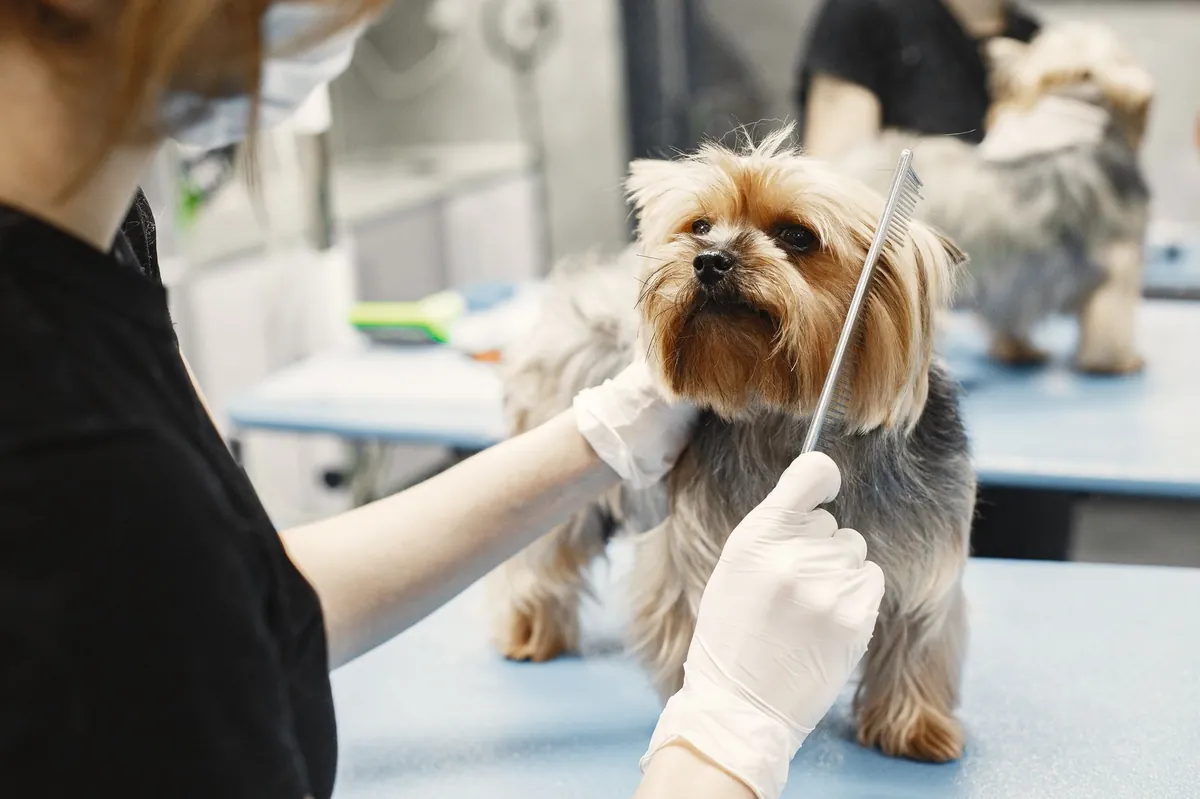
- Yorkshire Terrier small but mighty, with a silky, silkysoft mane.
Quick Facts Table
| Breed | Weight | Coat Type | Lifespan | Price (USD) |
|---|---|---|---|---|
| Pomeranian | 37lb | Double, fluffy | 1216yr | $500$3,000 |
| Bichon Frise | 1018lb | Curly, hypoallergenic | 1415yr | $600$2,500 |
| Shih Tzu | 916lb | Long, silky | 1016yr | $400$2,200 |
| Havanese | 713lb | Wavy, soft | 1214yr | $1,200$3,000 |
| Yorkshire Terrier | 47lb | Silky, straight | 1316yr | $500$3,500 |
Whats the grooming routine for tiny fluff?
Small breeds usually need brushing two to three times a week. A slicker brush works wonders on a Pomeranians undercoat, while a metal comb helps untangle a Shih Tzus long hair. Many owners opt for a professional trim every 68 weeks to keep the look tidy and the coat healthy.
Are small fluffy dogs good for apartments?
Most of these pups love being close to their humans, so theyre natural apartmentfriendly companions. Just remember that even a tiny dog needs daily walks and mental stimulationotherwise, youll hear a lot of barkbark at 3a.m. Speaking of apartments, you might also enjoy reading our guide on Best apartment dogs for fulltime workers.
Medium Fluffy Dogs
Top mediumsized fluffy breeds
When you want a dog thats a bit larger than a lap dog but still manageable on a leash, medium fluffy breeds hit the sweet spot. Here are a few youll love:
- Keeshond a smiling Dutch dog with a gorgeous feathered coat.
- Cocker Spaniel softeyed, affectionate, and forever eager to please.
- SoftCoated Wheaten Terrier silky, lowshedding, and full of energy.
- Collie iconic, flowing mane and a heart as big as the hills of Scotland.
Comparison Chart
| Breed | Height | Weight | Shedding | Temperament |
|---|---|---|---|---|
| Keeshond | 1718in | 3545lb | Moderate | Friendly, vocal |
| Cocker Spaniel | 1415in | 2630lb | High | Gentle, playful |
| Wheaten Terrier | 1719in | 3040lb | Low | Alert, affectionate |
| Collie | 2226in | 5075lb | Moderate | Intelligent, loyal |
Health considerations for medium fluffy dogs
These breeds are generally robust, but a few issues pop up from time to time. Keeshonds can be prone to hip dysplasia, while Cocker Spaniels sometimes face ear infections because of their long, floppy ears. Regular vet checkups, a balanced diet, and ear cleaning go a long way toward keeping your mediumfluff in tiptop shape.
How much do medium fluffy dogs cost?
Expect to spend anywhere from $800 to $3,000 for a reputable breeder, depending on pedigree and location. Adoption fees at shelters typically range from $150 to $400, and they often include an initial health check and vaccinations. Either way, budgeting for yearly expensesfood, grooming, vet visitscan add up to $1,200$2,500 per year.
Big Fluffy Dogs
Biggest & fluffiest breeds that look like bears
If you dream of a dog that could double as a living, breathing teddy bear, these giants are the answer:
- Bernese Mountain Dog tricolored, gentle giant that loves to lounge.
- Newfoundland massive, waterloving and unbelievably sweet.
- Great Pyrenees mountain guardian with a thick, winterready coat.
- Chow Chow lionlike mane and a dignified, sometimes aloof demeanor.
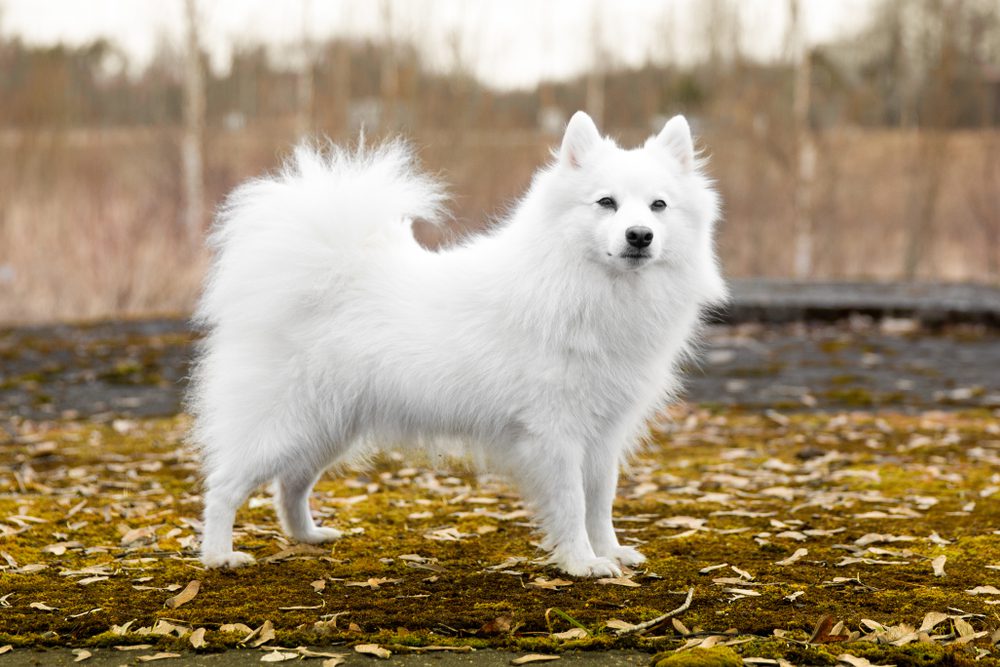
- Samoyed perpetually smiling smiling snow dog.
Sidebyside photos suggestion
Including royaltyfree images that place these breeds side by side would help readers visualize just how bearlike they can be. (Remember to add alt text for accessibility.)
Can I handle a giant fluffy dog?
Big fluffy dogs need spacethink a house with a fenced yard rather than a studio. They also crave exercise; a daily 45minute walk or play session is essential. If you have a family, they usually mesh well with kids, but supervision is always wise because of their size.
Grooming & shedding for big fluffy breeds
These dogs have double coats that shed heavily twice a year (often called coatblowing). During those months, daily brushing with an undercoat rake is a must to prevent matting and reduce hair around the house. Professional grooming every 812 weeks helps keep the coat manageable and the skin healthy.
Cost overview for big fluffy dogs
Purchasing a Bernese Mountain Dog or a Samoyed can cost $2,500$5,000. Expect yearly expenses of $2,000$3,500, mainly due to larger food portions, grooming, and possible health issues like hip dysplasia or heart disease. If youre on a tighter budget, consider adopting; many rescue groups have big fluffies looking for forever homes.
Specialty Fluffy Types & Unique Traits
White fluffy dog breeds
White coats can be breathtaking. The Samoyeds pearly fur is iconic, while the White Pomeranian offers a pintsize snowball. The American Eskimo Dog also sports a striking white coat thats perfect for winter lovers. Keep in mind that white fur shows dirt quickly, so more frequent baths may be needed.
Dogs with long hair vs. thick double coats
Longhair breeds like the Shih Tzu have flowing, singlelayer coats that need regular trimming. Thick doublecoat breeds (e.g., Siberian Husky, Great Pyrenees) have a soft underlayer and a coarser outer guard that protects them from cold but also sheds seasonally. Understanding the difference helps you pick a dog that matches your climate and grooming patience.
Fluffy dogs and allergies what science says
Many people think fluffy = hypoallergenic, but thats a myth. While breeds like the Bichon Frise or SoftCoated Wheaten Terrier shed less, they still produce dander, which triggers allergies. Trusted sources such as the American Kennel Club and veterinary research confirm that no dog is completely allergenfree. If allergies are a concern, consider visiting a hypoallergenic dog breeds list first.
Practical Guidance for Future Fluffy Owners
How to choose the right fluffy type for your lifestyle
Use this quick checklist before you fall in love with a cute Instagram post:
- Space Do you have a backyard or just a living room?
- Activity level Are you a jogger, a couchpotato, or somewhere in between?
- Budget Include purchase price, food, grooming, vet visits.
- Grooming tolerance Daily brushing or weekly trips to the groomer?
- Allergy concerns Do you need a lowdander breed?
Firstday care tips for a new fluffy pup
When you bring your new furball home, set up a safe zone with a comfy bed, fresh water, and a few toys. Introduce the dog slowly to other pets and kids, keep the first few days calm, and start basic commands like sit, stay, and come. Consistency builds trust faster than any treat.
Trusted resources & experts to consult
Before you decide, check out breed clubs, reputable breeders registered with the AKC, and local veterinarians. Websites such as most popular dog breeds in Europe give regionspecific insights, while lowmaintenance dogs for apartments can help you weigh convenience versus companionship.
Frequently Asked Questions (Featured Snippet Opportunities)
How much does a fluffy dog cost on average?
Depending on the breed, you can expect anywhere from $150 (adoption) to $5,000 (purebred from a top kennel). Ongoing yearly costs usually range between $1,200 and $3,500.
Which fluffy breed sheds the least?
Lowshedding options include the Bichon Frise, SoftCoated Wheaten Terrier, and the Poodle mix family. While they still produce dander, their coat loss is minimal compared to doublecoat giants.
Are fluffy dogs good for families with allergies?
They can be, but it depends on the individuals sensitivity. Visiting a breeder or shelter first to spend time with the dog helps you gauge any reactions.
How often should I bathe a longhaired dog?
Generally, every 46 weeks is enough, unless the coat gets dirty or smelly. Overbathing can strip natural oils and cause skin irritation.
Conclusion
Whether youre drawn to a pocketsize pom or a bearlike Bernese, fluffy types of dogs each bring distinct joys and challenges. By matching a breeds size, coat care needs, and price to your home and schedule, youll set both yourself and your new fluffy friend up for a happy, healthy life. Got a favorite fluffy breed or a grooming tip that saved you time? Share it in the commentslets keep the conversation fluffy and fun!
FAQs
What are the best small fluffy types of dogs for apartment living?
Breeds like the Pomeranian, Bichon Frise, Shih Tzu, Havanese, and Yorkshire Terrier are compact, affectionate, and adapt well to smaller spaces.
How often should I groom a medium fluffy dog?
Most medium fluffy breeds benefit from brushing 2‑3 times a week and a professional trim every 6‑8 weeks to keep their coat healthy.
Do large fluffy dogs shed a lot?
Yes, big double‑coat breeds such as Bernese Mountain Dogs, Great Pyrenees, and Newfoundlands shed heavily during seasonal coat changes and need daily brushing.
Are any fluffy types of dogs hypoallergenic?
While no dog is completely allergen‑free, low‑shedding fluffy breeds like the Bichon Frise and Soft‑Coated Wheaten Terrier tend to be better for people with mild allergies.
What is the typical cost of owning a fluffy dog?
Initial purchase prices range from $150 (adoption) up to $5,000 for purebred puppies, and annual expenses for food, grooming, and veterinary care usually fall between $1,200 and $3,500.