If youve ever found yourself reaching for a tissue after a playful pup snuggles up, youre not alonethose sneezes, itchy eyes, and tight chests can feel like an unwelcome surprise party. The good news? You dont have to give up the idea of a furry companion just because of allergies.
Below is the quickestread, nofluff list of truly lowshed dogs, plus handy pros and cons so you can match a fourlegged friend to your home, your schedule, andmost importantlyyour nose.
What Makes Hypoallergenic
Defining hypoallergenic for dogs
In the pet world, hypoallergenic doesnt mean the animal is completely allergenfree. It simply means the breed tends to produce fewer allergenic proteinsmainly dander (tiny skin flakes) and salivathat trigger reactions in sensitive people.
The science behind the sniffles
Allergens are proteins that stick to a dogs fur, skin, and even their saliva. When a dog licks its coat, those proteins spread onto the hairs, and every shake of the tail releases them into the air. Recent studies (2024 allergyjournal research) show that breeds with curly or wiry coats often trap dander better than those with a single, straight layer, reducing the amount that becomes airborne.
Why no breed is 100% allergyfree
Even the best dogs for allergies and asthma still shed a little dander. The American Kennel Club plainly states, There are no 100% hypoallergenic dogs, so a realistic expectation is key. Think of it like a pair of sunglassesyou wont block every ray, but youll cut the glare enough to see comfortably.
Benefits & Risks
Health perks for allergy sufferers
Choosing a lowdander breed can lower the frequency of sneezing, reduce eye irritation, and in some cases even let owners drop or lower their allergy medication. Many families report better sleep and more willingness to spend time outdoors with their pet.
Common misconceptions
Big dogs cant be hypoallergenic, you might hear. In reality, breeds like the Standard Schnauzer and Giant Schnauzer are among the big hypoallergenic dogs that shed very little. Size isnt the deciding factorcoat type is.
Potential downsides
- Regular grooming can be a hidden cost (professional trims, special shampoos).
- Some lowshed breeds have high energy levels that require daily exercise.
- Even lowdander dogs can trigger symptoms in people with severe asthma.
Top Breeds List
For a broader view, see the most popular dog breeds in Europe to compare trends across the continent.
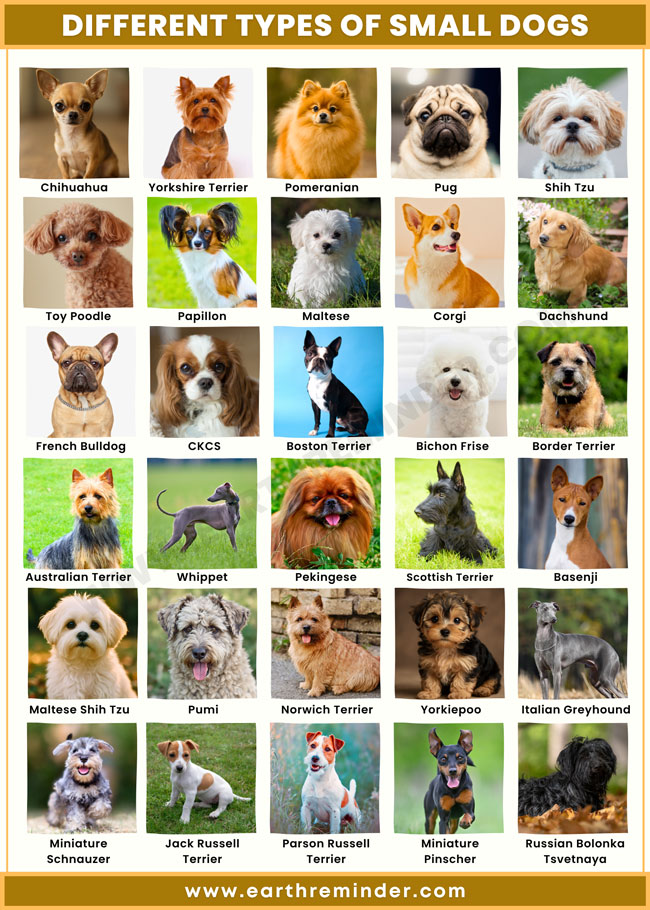
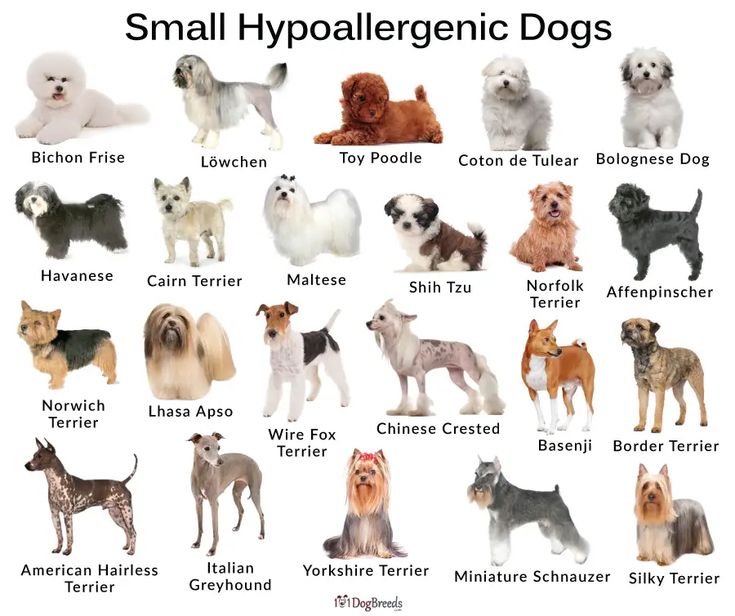
Small & LowMaintenance (under 15lb)
Breed Highlights
| Breed | Shedding | Grooming | Personality | Allergy Score (110) |
|---|---|---|---|---|
| Bichon Frise | Very low | Weekly brush, monthly trim | Cheerful, social | 9 |
| Maltese | Minimal | Daily brush, occasional trim | Affectionate, lap dog | 9 |
| Chinese Crested (hairless) | None on skin, minimal on hair | Skin wipes, occasional hair care | Playful, curious | 10 |
MediumSized (1530lb) Best Dogs for Allergies and Asthma
Why they shine
- Standard Poodle: Smart, trainable, and famously lowshedding.
- Portuguese Water Dog: Loves water, perfect for active families, coat stays tight.
- Kerry Blue Terrier: Spirited yet manageable, coat is a tight wave that catches dander.
Large & Protective (30lb+) Big Hypoallergenic Dogs
Strong, gentle, and lowdander
- Standard Schnauzer: Robust guardian, minimal shedding, easy to train.
- Giant Schnauzer: Powerful, lowmaintenance coat, great for experienced owners.
- Airedale Terrier: King of Terriers, enjoys outdoor adventures, coat is wiry and lowshedding.
MixedBreed & Designer Options LowMaintenance Hypoallergenic Dogs
Hybrid heroes
- Labradoodle (Poodleheavy): When the Poodle genes dominate, shedding drops dramatically.
- Goldendoodle (F1B generation): F1B means backcrossed for lower dander.
- Coton de TularPoodle: Rare combo, super soft coat that stays mostly static.
Specialty: Hunting & Working Dogs Hypoallergenic Hunting Dogs
For the outdoorsy soul
- Portuguese Water Dog: Excellent at retrieving, lowshedding waterready coat.
- Weimaraner (short coat): Moderate sheddinggood for active folks who can manage grooming.
- Bergamasco: Unique mop coat traps dander, but requires regular care.
Hypoallergenic Dog Food
Does diet affect dander?
Yesresearch in the 2023Journal of Veterinary Dermatology suggests that a diet rich in omega3 fatty acids can improve skin health, leading to less flaky dander. Limitedingredient formulas also help pets with foodrelated sensitivities that can exacerbate skin issues.
Recommended ingredients
- Highquality protein (fish or turkey) gentle on the gut.
- Omega3 sources (salmon oil, flaxseed) soothing skin.
- Limited fillers (no corn, wheat, soy) reduces overall inflammation.
- Probiotic blends support gut health, indirectly improving skin.
Sample weekly meal plan
Heres a quick starter menu you can tweak to fit your pups size and age:
- Monday & Thursday: cup canned salmon formula + a spoonful of pumpkin puree.
- Tuesday & Friday: cup turkeybased kibble mixed with a drizzle of fish oil.
- Wednesday: cup highprotein chicken recipe plus a handful of steamed green beans.
- Weekend treat: Homemade sweetpotato bites (baked, no seasoning).
Worst Breeds for Allergies
Highshed, heavydander culprits
If you have severe asthma or a very sensitive nose, youll likely want to steer clear of these:
- Siberian Husky thick double coat that sheds yearround.
- Alaskan Malamute massive undercoat, constant shedding.
- Golden Retriever beautiful but known for heavy dander.
- German Shepherd dense coat, high weekly shedding.
Quick avoid if allergic checklist
- Does the breed have a long, flowing topcoat?
- Is the breed renowned for seasonal shedding?
- Do owners report frequent sneezing or watery eyes?
Testing Before Adoption
Allergy trial basics
Spend at least two hours with a potential dogplay, cuddle, and then note any symptoms. Keep a simple diary: time, activity, and how you felt. This miniexperiment often reveals whether the breed is a good fit.
Homeenvironment prep
- Invest in a HEPA air purifier for the main living area.
- Vacuum with a pethairfriendly filter weekly.
- Wash your hands after petting, and keep bedding clean.
When to call a professional
If symptoms persist despite grooming and cleaning, its time to see an allergist. They can perform skinprick tests or blood work to pinpoint exact triggers and may recommend immunotherapy.
Conclusion
While no dog can claim a 100% allergyfree guarantee, choosing the right breed, maintaining a diligent grooming routine, and feeding a skinsupportive diet can dramatically lessen those dreaded sneezes. Use the printable AllergyFriendly Dog Checklist to compare breeds sidebyside, and dont hesitate to test a potential companion before you commit. Wed love to hear your experiencesshare your story in the comments or tell us which lowshed pup stole your heart. Heres to happy noses and wagging tails!
FAQs
Which dog breeds are truly hypoallergenic?
Breeds such as the Standard Poodle, Bichon Frise, Maltese, Portuguese Water Dog, and Standard Schnauzer are consistently rated low‑dander and are popular choices for allergy sufferers.
Do size and weight affect how hypoallergenic a dog is?
No. Allergy potential is linked to coat type and dander production, not the dog’s size. Large breeds like the Giant Schnauzer can be just as low‑shedding as small breeds.
How often should a hypoallergenic dog be groomed?
Regular grooming is key: brush several times a week, trim or bathe every 4‑6 weeks, and keep the coat trimmed to prevent dander from building up.
Can diet reduce a dog’s dander?
Yes. A diet rich in omega‑3 fatty acids, limited‑ingredient protein sources, and probiotics supports skin health, which can lessen flaky dander.
What’s the best way to test if a breed works for my allergies?
Spend at least two hours interacting with the dog, then monitor symptoms. Keep a simple diary of time, activities, and any sneezing or eye irritation.