Seeing your cat bring up food that looks just like the meal you just served can feel like a punch to the gut. You might wonder if its a harmless quirk or a sign of something more serious. Below, Ill walk you through the most common reasons, what to look out for, and simple steps you can take right nowtalking with you the way a friend would over a cup of coffee.
Quick Answer Overview
In short, undigested food in a cats vomit usually means the stomach isnt fully processing the meal. It can be as simple as eating too fast, or as complex as an underlying gastrointestinal disease. If the episodes are occasional and your cat otherwise seems fine, you can start with a few athome tweaks. But if vomiting happens daily, is paired with diarrhea, lethargy, or weight loss, its time to call the vet.
Common Reasons Why
| Reason | What It Looks Like | When to Worry |
|---|---|---|
| Eating Too Quickly | Food comes up within minutes; cat appears normal afterward. | Persistent daily vomiting, noticeable weight loss. |
| Hairballs | White, foamy vomit with hair strands. | Large hairball impaction causing lethargy or loss of appetite. |
| Food Allergies/Intolerances | Vomiting after a new diet; may include itchy skin. | Chronic vomiting, ongoing diarrhea. |
| Gastritis or Stomach Irritation | Foamy or mucuscoated vomit, slight discomfort. | Repeated episodes, reduced water intake. |
| Pancreatitis | Bloody or yellowtinted vomit, obvious abdominal pain. | Acute pain, dehydration treat as an emergency. |
| Inflammatory Bowel Disease (IBD) | Undigested food mixed with mucus, irregular stools. | Ongoing weight loss and persistent diarrhea. |
| Intestinal Blockage / Foreign Body | Large, undigested chunks appear; abdomen feels abnormal. | No feces, severe pain urgent care needed. |
| Stress / Anxiety | Sporadic vomiting after changes in routine or environment. | Persistent stressors, notable behavioral changes. |
| Systemic Illness (Kidney, Hyperthyroid) | Mixed signs excessive thirst, increased urination. | Lab abnormalities, multisystem symptoms. |
Use this redflag checklist as a quick reference when youre unsure whether a trip to the veterinarian is warranted.
Vomiting vs Regurgitation
Definition & Mechanism
True vomiting is an active, forceful expulsion that starts after the stomach has begun digesting food. Regurgitation, on the other hand, is a passive spitting out of undigested food that never really made it past the esophagus. Though they sound similar, the underlying causes can differ quite a bit.
Visual Cues
- Vomiting: Your cat may gag, retch, and produce a foamy or frothy mess. Youll often see a strong, shaking motion.
- Regurgitation: The cat calmly brings up a small, stillwet piece of food without the classic gagging dance.
Why It Matters
Understanding the difference helps you (and your vet) zero in on the root cause faster. For example, hairballs typically cause regurgitation, while gastritis more often results in true vomiting.
Home First Aid
StopFeed Protocol
Give your cat's digestive system a breather. Withhold food for 1224hours, but keep fresh water available. If your cat refuses water, try a shallow dish of lowsodium chicken broth (no onions or garlic).
Gradual ReIntroduction
After the fast, start with tiny portions of a bland dietthink boiled chicken (no skin or bones) mixed with white rice. Offer a spoonful every 46hours, gradually scaling back to your regular fare over a few days.
Hydration Is Key
Dehydration can turn a minor upset into a big problem. Encourage drinking with a pet water fountain, or sprinkle a few drops of flavorenhanced water (vetapproved) into the bowl. In a pinch, a teaspoon of unflavored Pedialyte (consult your vet first) can help replenish electrolytes.
StressReduction Tips
- Serve meals in a quiet corner away from foot traffic.
- Use a slowfeed bowl or puzzle feeder to slow down rapid eaters.
- Consider a pheromone diffuser (like Feliway) to calm anxiety.
For cats who seem to vomit after every meal, you might also explore best dry food for cats who throw up. These formulas are often easier on the stomach and designed to reduce regurgitation.
When to Call Vet
RedFlag Symptoms
Even the most seasoned cat parent can miss subtle cues. Keep an eye out for:
- Vomiting more than once a day
- Blood or a yellow/green tint in the vomit
- Lethargy or unwillingness to move
- Diarrheaespecially if its watery or contains mucus
- Noticeable weight loss
- Changes in appetite or water intake
Emergency Signs
If your cat cant keep any water down for 24hours, shows signs of severe abdominal pain (tensed belly, crying out when touched), or you suspect an obstruction, head to an emergency clinic right away.
What the Vet Will Do
Typical diagnostics include a physical exam, blood work, and imaging (Xray or ultrasound). Depending on findings, they might recommend an endoscopy, fluid therapy, or, in rare cases, surgery.
LongTerm Management Tips
Diet Modifications
Switching to a diet formulated for sensitive stomachs can make a world of difference. Look for highquality proteins, limited fillers, and added prebiotics or probiotics. If you need a specific recommendation, see the article on Best cat food for sensitive stomach vomiting.
Feeding Tools
- Puzzle feeders: Turn mealtime into a mental workout, slowing intake.
- Multiple small meals: Six tiny portions a day are easier on the gut than two big ones.
- Elevated bowls: Some cats benefit from a slight lift that reduces gulping.
Lifestyle Adjustments
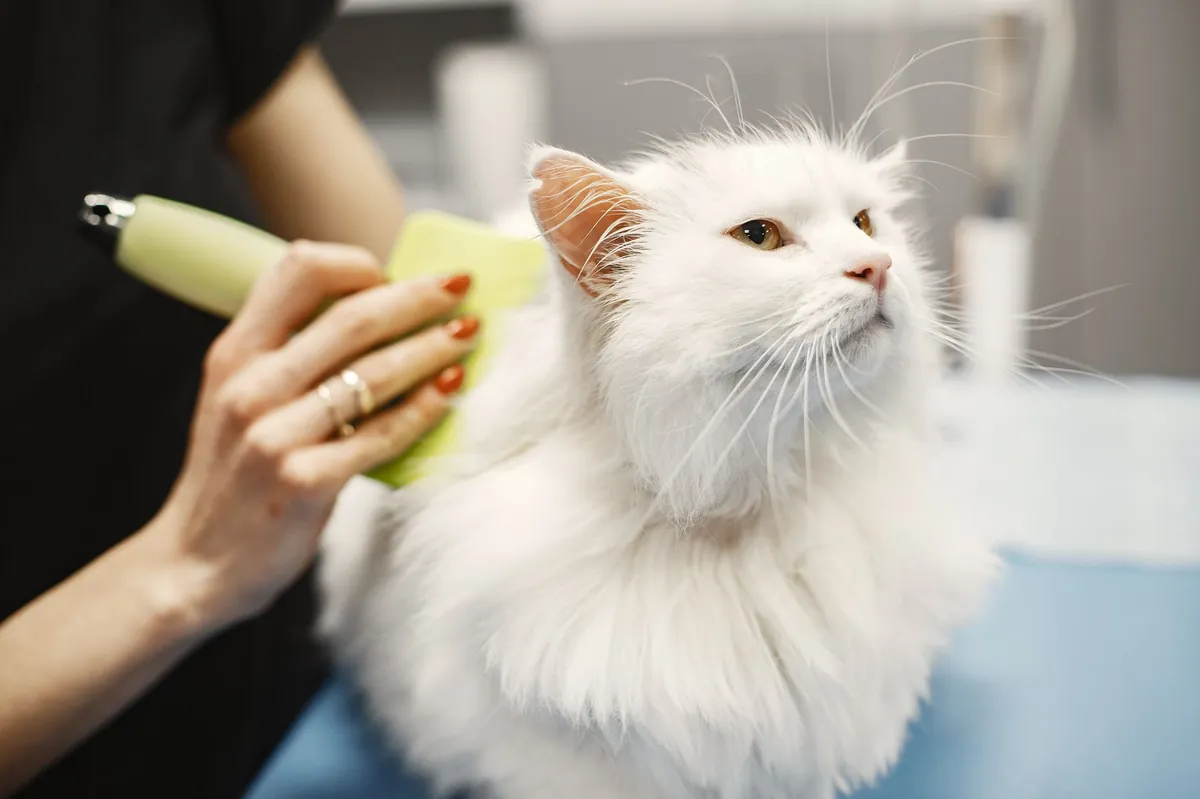
Regular grooming (especially for longhaired breeds) cuts down hairball formation. Keep the litter box clean to reduce stress, and maintain a predictable routinecats love knowing what to expect.
Monitoring & Journaling
Grab a small notebook or a notes app and record each vomiting episode: date, time, what was eaten, and any accompanying signs (e.g., diarrhea, lethargy). This vomiting diary becomes invaluable for your vet, helping pinpoint patterns that might otherwise go unnoticed.
Key FAQ Answers
Why is my cat throwing up undigested food but acting normal?
Often its a minor irritation or fast eating. Still, keep a watchful eye. If it repeats for more than a week, schedule a checkup.
Why is my cat throwing up undigested food everyday?
Daily episodes usually signal an underlying gastrointestinal issueIBD, chronic gastritis, or a blockage. Prompt veterinary evaluation is essential.
Older cat throwing up undigested food is it agerelated?
Senior cats can have slower gut motility and are more prone to diseases like kidney failure or hyperthyroidism, which can manifest as vomiting. A vets blood panel will help uncover agerelated factors.
Can cat vomiting be linked to diarrhea?
Yes. Both can stem from infections, food intolerances, or inflammatory bowel disease. Treating the root cause often resolves both symptoms.
Home remedies for cat vomiting are they safe?
Shortterm measures such as a bland diet, hydration, and stress reduction are generally safe. However, they never replace professional care when redflag signs appear.
Conclusion
Finding undigested food in your cats vomit can be unsettling, but you now have a roadmap to figure out whether its a simple fix or a sign that a vets attention is needed. Start with the quickfix stepspause feeding, hydrate, and slow down mealtime. Keep a close eye on any redflag symptoms, and dont hesitate to seek professional help if vomiting becomes a daily habit or is paired with other concerning signs. By staying observant, adjusting diet, and employing gentle home care, you give your feline friend the best chance to feel comfortable and healthy again.
FAQs
Why does my cat vomit undigested food but seem fine?
Occasional vomiting of undigested food often results from eating too fast, mild gastritis, or a hairball. If your cat returns to normal activity, stays hydrated, and the episodes are infrequent, it’s usually not an emergency.
How can I tell if my cat is actually regurgitating instead of vomiting?
Regurgitation is a passive, calm spitting out of food that never reaches the stomach, often shortly after eating. True vomiting involves gagging, retching, and a forceful expulsion of foam or bile before the food appears.
What home remedies can I try for occasional vomiting?
Begin with the “Stop‑Feed” protocol: withhold food for 12‑24 hours while providing fresh water (or low‑sodium broth). Then reintroduce a bland diet of boiled chicken and white rice in tiny portions every 4‑6 hours, gradually returning to regular food.
When is vomiting a sign of a serious problem that needs immediate veterinary care?
Seek urgent care if vomiting is frequent (more than once daily), contains blood or a yellow/green tint, is accompanied by lethargy, diarrhea, severe abdominal pain, or your cat cannot keep any water down for 24 hours.
Can changing my cat’s diet prevent future episodes of vomiting undigested food?
Yes. Diets formulated for sensitive stomachs with high‑quality protein, limited filler, and added pre‑biotics or probiotics can reduce gastric irritation. Feeding smaller, more frequent meals or using a slow‑feed bowl also helps.