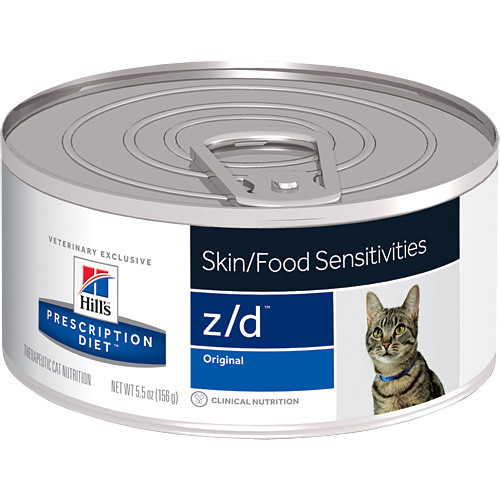
Thinking about switching your feline friend to a hypoallergenic diet? Youve probably heard the name Hills z/d cat food tossed around a lot, and you might be wondering whether it could cause any unwanted reactions. In a nutshell, the most common side effects are mild stomach upsets like diarrhea or a temporary loss of appetite, but a few cats experience skin flareups or vomiting. Below, I walk you through why those happen, what to watch for, and how to keep your kitty comfortable while you figure out the best feeding plan.
Immediate Symptoms
What are the most common side effects?
When you first introduce Hills z/d cat food (whether dry or wet), the body can react in a few predictable ways:
- Soft stools or diarrhea (usually within the first 27 days)
- Occasional vomiting, especially if the food is fed too quickly
- Reduced appetite or picky eating during the transition
- Itchy skin or a slight rash in cats sensitive to any remaining protein fragments
These symptoms are often shortlived. The hydrolyzed proteins in the formula are broken down into tiny peptides that most cats cant recognize as allergens, but the digestive system sometimes needs a few days to adjust to the new osmolarity of the food.
When should you call the vet?
Any of the following signs merit a quick phone call to your veterinarian:
| Symptom | Frequency | Action |
|---|---|---|
| Blood in stool or vomit | Any | Call vet immediately |
| Diarrhea lasting more than 3 days | Persistent | Contact vet for possible diet adjustment |
| Severe lethargy or refusal to eat | Rapid onset | Schedule a checkup |
Most cats bounce back once they finish the starter period, but keeping an eye on the signs helps you intervene before a minor wobble turns into a bigger issue.
Ingredient Triggers
Whats inside the formula?
Understanding the ingredient list helps you spot potential culprits. The core of Hills z/d is a hydrolyzed chicken proteinessentially chicken broken down so that an allergic cats immune system cant recognize it. The rest of the recipe is designed to be simple:
- Hydrolyzed chicken protein
- Rice and barley (carbohydrate sources)
- Vegetable oils for essential fatty acids
- Vitamins and minerals to meet AAFCO standards
If youre hunting for a specific irritant, the formula is remarkably clean. However, a small number of cats still react to the trace amounts of soy or corn gluten sometimes present in the wet version. Thats why its worth comparing the dry vs. wet line.
Dry vs. Wet: Any real difference?
| Component | Dry Formula | Wet Formula | Known Irritant? |
|---|---|---|---|
| Hydrolyzed chicken | Low | ||
| Rice | None | ||
| Corn gluten | |||
| Soy oil | (small amount) | (small amount) | Possible for soysensitive cats |
If youre curious about the wet option specifically, check out the Hills zd cat food wet page for a deep dive into the ingredient nuances.
RealWorld Stories
Successes that make us smile
Take Bella, a 4yearold tabby who spent months scratching herself raw. Her owner switched to Hills z/d dry kibble, and within two weeks the itching subsided dramatically. The cats coat grew shinier, and the vet confirmed a marked drop in IgE levels. Stories like Bellas appear regularly in hill's hypoallergenic cat food reviews, reinforcing that the diet can truly make a difference.
When it didnt go as planned
Not every tale ends in a happily ever after. A few owners on pet forums reported their kitties developing persistent diarrhea that lingered beyond a week, despite a gradual transition. In several of those cases, the cats were already on a highfiber diet, and the additional osmolar load from the wet formula tipped the balance. Those anecdotes remind us that a one size fits all approach rarely works in pet nutrition.
Casestudy template you can fill
If youve tried Hills z/d, consider jotting down your own minicase study. It helps you track progress and gives your vet concrete data:
- Cats name & age:
- Initial symptoms:
- Duration on z/d before improvement:
- Current side effects (if any):
- Overall mood/energy level:
Sharing this information with fellow cat lovers can also build a supportive communityyour experience might be the missing piece someone else needs.
Safe Alternatives
What other hypoallergenic options exist?
If youve decided that Hills z/d isnt the perfect fit, there are several reputable alternatives that also use hydrolyzed proteins. A quick search for Alternative to hills zd cat food points you toward options like:
- Royal Canin Hydrolyte a grainfree line designed for severe food allergies.
- Purina HA uses hydrolyzed soy protein and is often recommended for cats with chicken sensitivities.
- Natural Balance Limited Ingredient Diet focuses on a single protein source to minimize risk.
Each brand has its own feeding guide, so be sure to review the recommended portion sizes and transition timelines.
Transition tips to keep tummy troubles at bay
Never plunge your cat straight into a new formula. Heres a gentle, stepbystep schedule that works for most felines:
- Days 12: 25% new food mixed with 75% old food.
- Days 34: 50% new, 50% old.
- Days 56: 75% new, 25% old.
- Day 7 onward: 100% new food.
During the transition, keep fresh water available and consider adding a probiotic supplement (ask your vet for a reputable brand). This approach reduces the shock to the digestive system and usually keeps diarrhea at a minimum.
Feeding Tips & Practical Advice
How much should you feed?
Portion sizes vary based on age, weight, and activity level. A typical adult cat weighing 45kg needs about 5570kcal per kilogram of body weight daily. Hills z/d dry kibble provides roughly 360kcal per cup, while the wet version offers about 110kcal per 85gram pouch. Use the following quick guide as a starting pointnot a hard rule:
- Dry formula: cup for every 2kg of body weight, split into two meals.
- Wet formula: One pouch (85g) for a 3kg cat, adjusted up or down based on activity.
Always monitor your cats weight weekly for the first month. If you notice a steady loss or gain, tweak the portions accordingly and discuss the changes with your vet.
What about feeding both dry and wet together?
Mixing dry and wet can add texture variety, which many cats love. The key is to keep the total caloric intake within the recommended range. For example, a cat that eats cup of dry (90kcal) can safely have one wet pouch (110kcal) in the same day, totaling about 200kcala comfortable amount for a moderately active adult.
Can other pets be affected?
If you have a dog at home, you may wonder whether the Hills z/d dog food side effects are similar. Dogs typically tolerate the formula better because their digestive systems handle protein hydrolysis differently. Nonetheless, always store pet food separately to avoid accidental crossfeeding, especially if one pet has known sensitivities.
Putting It All Together
Choosing a hypoallergenic diet is a balancing act between relieving allergy symptoms and keeping your cats tummy happy. Hills z/d cat food side effects are usually mild and temporary, but staying vigilant lets you intervene before a small hiccup becomes a bigger problem. Remember to:
- Watch for the common symptoms listed above.
- Understand the ingredient list and compare dry vs. wet.
- Learn from realworld experiencesboth successes and setbacks.
- Consider trusted alternatives if the side effects linger.
- Follow a gradual transition and stick to the feeding guide.
Every cat is unique, and what works for one may need tweaking for another. If you have questions about the feeding schedule, sideeffect management, or which alternative brand fits your kitty best, feel free to leave a comment below. Sharing your story not only helps you clarify your own plan but also creates a supportive space for other pet parents navigating the same journey.
Whats your experience with hypoallergenic diets? Have you found a brand that clicks perfectly with your cats needs? Lets keep the conversation goingyour insights could be the missing puzzle piece for someone else!
FAQs
What are the most common side effects of Hills z/d cat food?
The typical reactions are mild gastrointestinal upset such as soft stools or diarrhea, occasional vomiting, reduced appetite during the transition, and in a few cats, temporary skin irritation or itching.
How long do digestive issues usually last after switching to Hills z/d?
Most cats adjust within the first 2–7 days. If diarrhea or vomiting persists beyond three days, it’s wise to contact your veterinarian for a possible diet adjustment.
Can a cat be allergic to the hydrolyzed chicken protein in Hills z/d?
While hydrolyzed proteins are designed to be unrecognizable to the immune system, a very small number of cats may still react to trace amounts of soy or corn gluten that can be present in the wet formula.
What is the best way to transition my cat to Hills z/d to avoid side effects?
Gradually mix the new food with the current diet: start with 25% new/75% old for a few days, then move to 50/50, then 75/25, and finally 100% new food over a week‑plus, monitoring stool quality and appetite.
Are there alternative hypoallergenic cat foods if Hills z/d doesn’t work for my cat?
Yes. Options include Royal Canin Hydrolyte, Purina HA (hydrolyzed soy protein), and Natural Balance Limited‑Ingredient Diets, each offering a different protein source and formulation.