If you‘ve ever wondered who takes care of your furry friends health, a veterinary doctor is the person behind those wagging tails and gentle purrs. A veterinary doctor, usually called a vet, is a licensed medical professional who diagnoses, treats, and prevents illnesses and injuries in animals from playful pups to exotic pets.
Whether you‘re curious about the education needed, salary expectations, or simply how to find a veterinary doctor nearby, this guide breaks down the essential facts you want to know. Yeah, its a bit of a journey, but stick aroundits worth it for the love of pets.
What Vets Do
Daily Tasks of a Veterinary Doctor
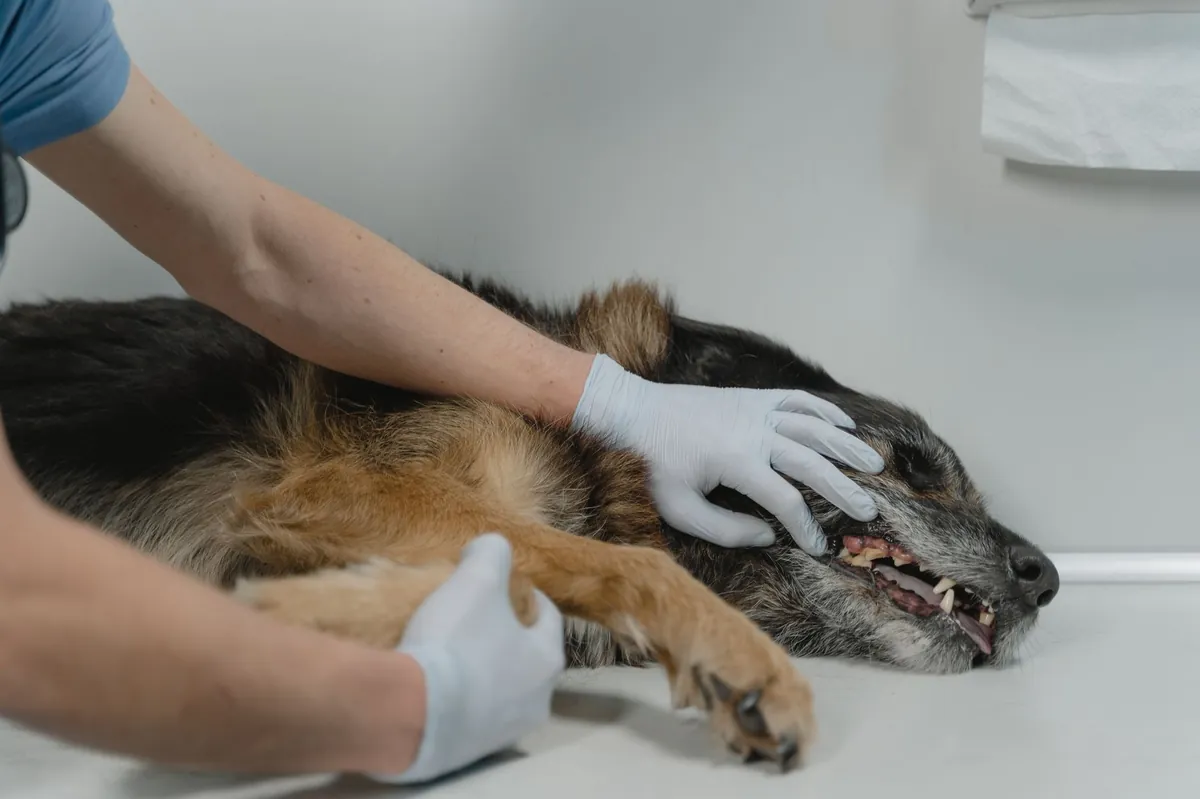
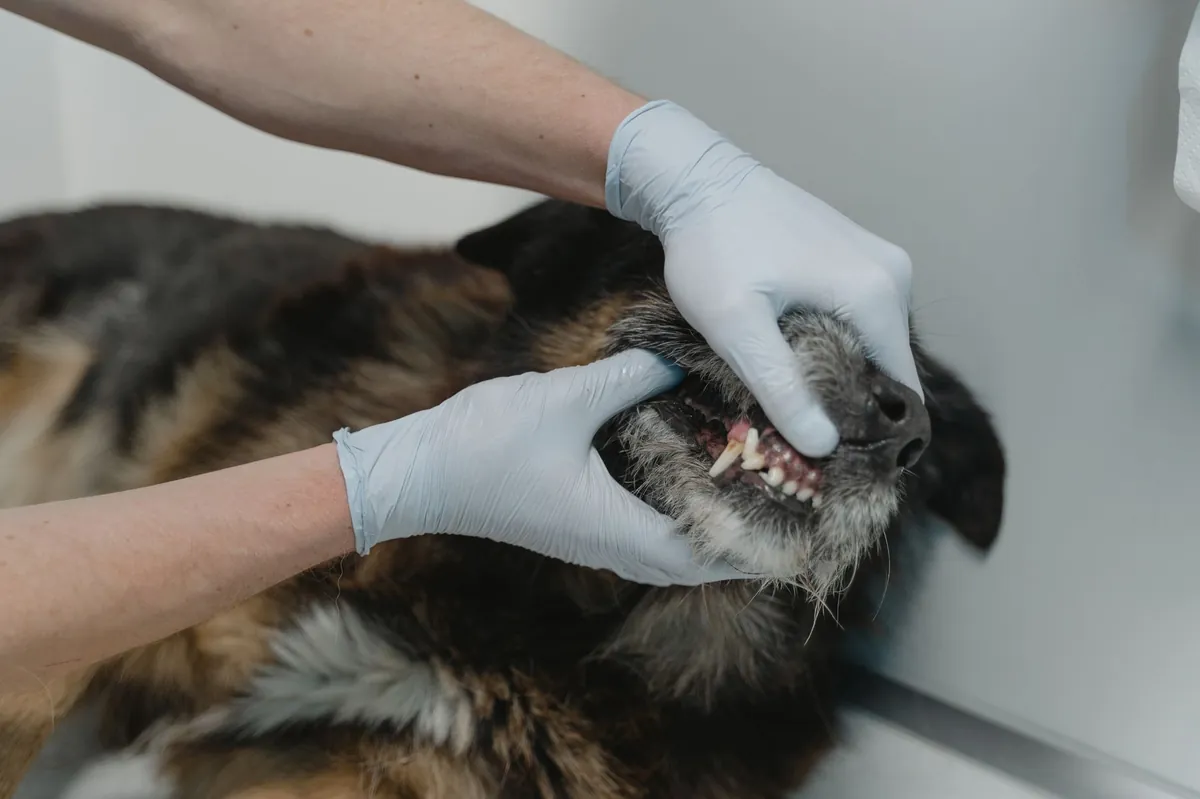
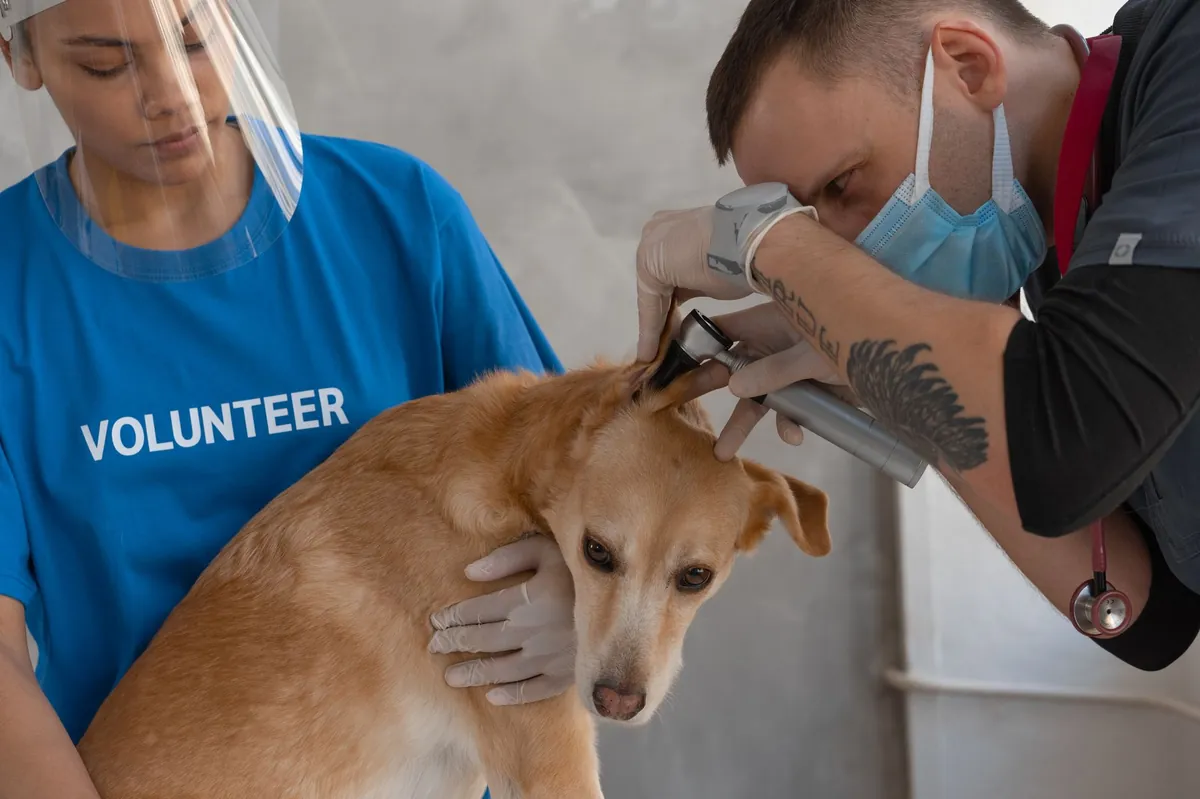
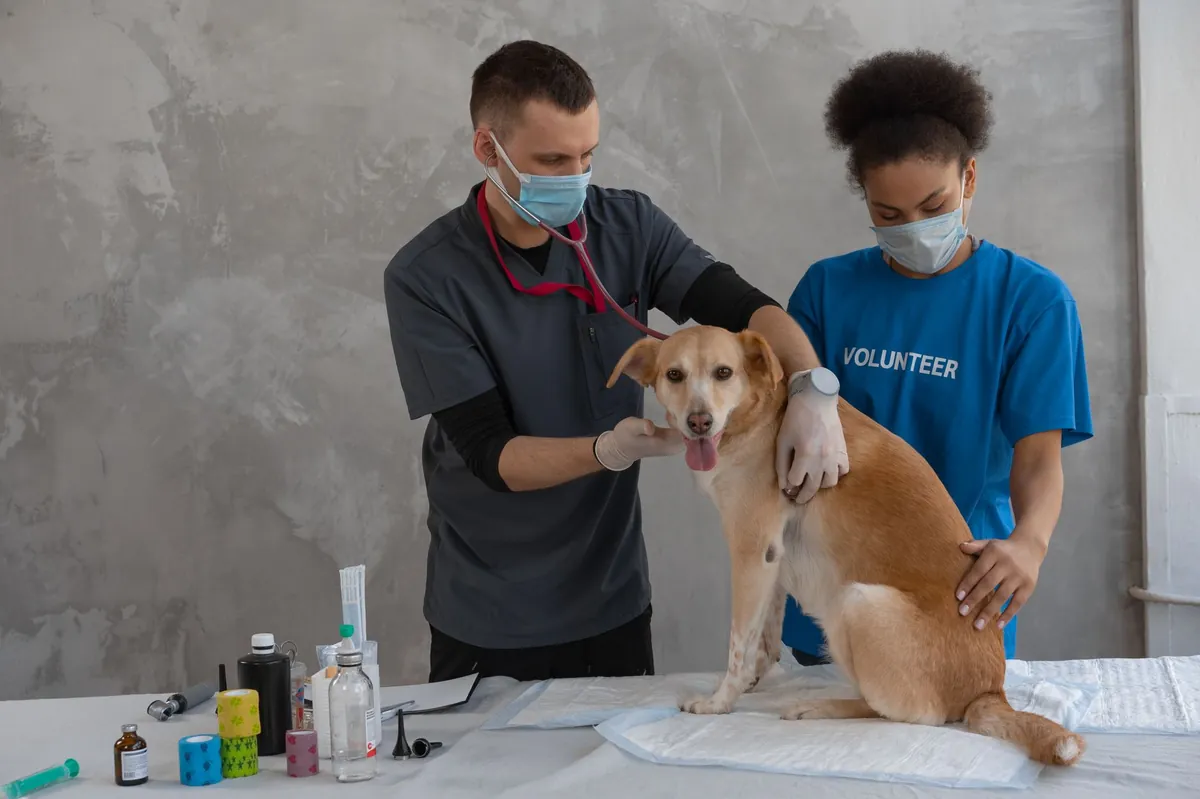
At the heart of thanks for healthy pets is a veterinary doctors day-to-day work. That includes giving physical exams, diagnosing illnesses, performing surgeries, and prescribing treatments. Vets perform routine check-ups, vaccinations, and dental care, but also handle emergencieslike fixing a broken leg or treating a sudden infection. They often work with diagnostic tools like X-rays, blood tests, and ultrasounds to understand whats ailing your pet.
Whether its calming a nervous cat or stitching up a dogs wound, the vets role is hands-on and varied.
Types of Veterinary Doctors
| Specialty | Typical Patients | Workplace |
|---|---|---|
| Small-Animal Veterinarian | Dogs, cats, small pets (rabbits, rodents) | Private clinics, animal hospitals |
| Large-Animal Veterinarian | Horses, cattle, sheep | Farms, ranches, veterinary hospitals |
| Exotic Animal Veterinarian | Reptiles, birds, wild/exotic species | Zoos, specialty clinics |
| Veterinary Surgeon | All species, focused on surgery | Referral hospitals, specialized centers |
Different vets have unique focuses but share the goal of helping animals live healthier, happier lives.
How Vets Protect Public Health
Besides caring for animals, veterinary doctors guard public health. They monitor zoonotic diseasesthose that can spread between animals and humanslike rabies and salmonella. For example, vets coordinate vaccination campaigns against rabies to keep communities safe.
Also, vets ensure food safety by inspecting livestock and monitoring antibiotic use, making sure our meat and dairy are healthy and safe.

Education & Qualifications
Required Degree: Doctor of Veterinary Medicine (D.V.M.)
Becoming a veterinary doctor means earning a Doctor of Veterinary Medicine, or D.V.M., degree. This typically takes four years after undergrad and covers animal anatomy, pathology, surgery, pharmacology, and clinical practice.
| School | Tuition (Approx.) | Program Length |
|---|---|---|
| Cornell University | $70,000/year | 4 years |
| UC Davis | $55,000/year | 4 years |
| Colorado State University | $35,000/year (in-state) | 4 years |
| USU (Utah State University) | $30,000/year (in-state) | 4 years |
The best schools are accredited by the American Veterinary Medical Association (AVMA), ensuring top-notch training.
Admission Prerequisites
Before starting vet school, you need a strong undergrad foundation. Most programs require courses in biology, chemistry, physics, and animal science. A competitive GPA (usually above 3.5) helps, along with experience volunteering or shadowing at clinics.
- Complete prerequisite science courses
- Earn good grades (aim for 3.5+ GPA)
- Volunteer with animals (100+ hours recommended)
- Build communication skills and teamwork
Interestingly, most veterinary schools dont require GRE or MCAT tests anymore. Instead, your hands-on experience matters a lot during admissions decisions.
Licensing & Board Certification
After earning a D.V.M., veterinarians must pass the North American Veterinary Licensing Examination (NAVLE) to practice professionally. Then, they apply for state licensure where they work.
Some vets pursue board certifications in special fields like surgery, internal medicine, or dermatology to level up their expertise. The AVMA and individual state veterinary boards provide detailed guides on licensing steps.

Veterinary Doctor Salary
National Average Salary
According to the U.S. Bureau of Labor Statistics (BLS) 2025 data, the median annual salary for veterinary doctors is about $110,000, or roughly $9,100 per month. Entry-level vets make closer to $70,000 yearly, while experienced specialists can earn $150,000 or more.
Salary by Setting
| Workplace | Median Salary | Typical Hours | Benefits |
|---|---|---|---|
| Private Practice | $105,000 | 4050 hours/week | Health, PTO, bonuses |
| Research & Academia | $95,000 | 40 hours/week | Health, retirement plans |
| Government (Agriculture, Public Health) | $90,000 | Standard 40 hours | Full benefits, pension |
| Corporate (Pharmaceuticals, Industry) | $120,000 | 40+ hours | Bonuses, stock options |
Factors Affecting Pay
Vet salaries vary by location, specialty, and experience level. For example, vets in California or New York often earn more due to higher demand but face cost-of-living trade-offs. Large-animal vets working on ranches may earn less than those in bustling city practices.
The following map shows some of the highest-paying states for veterinarians, according to BLS:
| State | Median Salary |
|---|---|
| California | $125,000 |
| Washington | $120,000 |
| Massachusetts | $115,000 |
| New Jersey | $113,000 |

Finding a Veterinary Doctor Near You
Search Tips
To find a veterinary doctor nearby, try a simple online search like veterinary doctor near me or animal clinic close to me. Tools like Yelp and Google Reviews offer ratings and feedback from other pet owners.
The American Veterinary Medical Association (AVMA) also has a Find a Vet tool to help you locate licensed professionals in your area.
Choosing the Right Clinic
When picking a clinic, look for essential credentials such as state licensing, accreditation, and emergency services availability. Check online reviews and ask about the vets experience with your pets specific species or condition.
| Criteria | What to Ask or Check |
|---|---|
| Credentials | Are the vets licensed and board-certified? |
| Services | Do they offer dental care, surgery, emergency visits? |
| Reviews | What do other pet owners say about wait times, friendliness? |
| Facility | Is the clinic clean and well-equipped? |
Calling ahead with a few of these questions helps avoid surprises. A warm, responsive clinic usually means better care for your pet.

Pronunciation & Common Misconceptions
How to Say Veterinary Doctor
Sometimes people stumble on saying veterinary. Its typically pronounced vet-er-in-air-ee-en doctor. Heres a tip: break it into four simple partsvet, er, in, air-ee-en. Youve got this!
Myth: Vets Only Treat Cats & Dogs
Think vets just fix cats and dogs? Nope! Many vets specialize in livestock, wildlife, or even exotic pets like snakes and parrots. For example, a large-animal vet may care for a dairy herd, while a wildlife vet could treat injured raptors.
Vets skills apply across many speciesnot just the furry ones lounging at home.
Pros & Cons of a Vet Career
Benefits
Working as a veterinarian is deeply rewarding. You get to help pets recover, ease owners worries, and engage in a diverse range of casesfrom playful puppies to serious illnesses. The profession has strong job outlooks, too, with steady demand nationwide.
Dr. Morgan, a practicing vet for 12 years, told us, Every day, I feel grateful to make a difference for animals and families. Its challenging but truly fulfilling.
Challenges
That said, the road isnt always easy. Vet school is expensive, often leading to significant student debt. Many vets work long or irregular hours and face emotional stress caring for very sick animals. Compassion fatigue is common, so self-care matters.
One recent graduate shared how they struggled balancing clinical hours and studying but found support from peers made all the difference.
Learn more about professional pet care in related areas like dog veterinary or review our Canine vaccine guidelines (2024).
What is the difference between a veterinary doctor and a vet technician?
A veterinary doctor is a licensed medical professional who can diagnose, treat, and perform surgery on animals. A vet technician supports vets by performing lab tests, assisting during procedures, and providing nursing care. Vet techs require a certificate or associate degree, while vets hold a D.V.M. degree.
How long does it take to become a veterinary doctor?
It usually takes about eight years totalfour years of undergraduate studies plus four years in veterinary schoolto earn a D.V.M. degree.
What is the average veterinary doctor salary per month?
The median monthly salary for veterinary doctors in the U.S. is around $9,100, based on recent government data.
Can I work abroad as a veterinary doctor?
Yes, but it often requires passing licensing exams specific to the country where you want to practice. Additional certifications or language proficiency may be needed.
Are veterinary doctors trained to treat all animal types?
Most vets have a general foundation but specialize in certain species or fields. For example, some focus on pets like dogs and cats, while others work with farm or exotic animals.
Is veterinary school similar to medical school for humans?
Yes, in many ways. Both are demanding professional degrees involving anatomy, pharmacology, surgery, and internships. The main difference is vets study multiple species rather than just humans.
What are common career paths after becoming a veterinary doctor?
Vets work in private practice, research, public health, education, food safety, and industry companies related to animal health products.
Resources & Further Reading
Government & Industry Data
The BLS Occupational Outlook Handbook offers detailed info on veterinary doctors under the Veterinarians page, including job outlook and salary statistics.
Academic Sources
The AVMAs veterinary training page provides comprehensive guides on education requirements. Top schools like Cornell University and UC Davis have program overviews online for aspiring students.
Professional Groups
The American Veterinary Medical Association and various state veterinary societies offer continuing education, certification, and networking to vets and pet owners wanting to learn more.
Exploring your pets health starts here. If your cat has diarrhea but seems fine, for example, finding the right professional can make all the difference. Learn more about cat health issues and when to visit your vet.
Conclusion
So, a veterinary doctor plays a vital role caring for animals big and small. From their rigorous education path to varied daily tasks and competitive salary, it‘s a career packed with both challenges and rewards. Whether you want to find a reliable veterinary doctor near you or consider becoming one yourself, the world of vets is full of meaningful work. If you have questions or want to share your vet visits, feel free to leave a comment below.
FAQs
How long does it take to see results with a veterinary doctor?
The time to see results depends on the condition being treated. Minor issues like vaccinations or mild infections may show improvement within days, while surgeries or chronic illnesses can take weeks or months. Your veterinary doctor will provide a timeline based on your pet’s specific health needs.
What are common signs that my pet needs to see a veterinary doctor?
Signs include loss of appetite, lethargy, vomiting, diarrhea, limping, coughing, or changes in behavior. Any sudden or persistent symptoms, injuries, or unusual behavior should prompt a vet visit for diagnosis and treatment.
What is the difference between a veterinary doctor and a vet technician?
A veterinary doctor is a licensed professional who diagnoses, treats, and performs surgeries on animals. A vet technician supports vets by assisting in procedures, running lab tests, and nursing care but does not perform surgeries or prescribe medicine.
When should I take my pet to see a veterinary doctor immediately?
Immediate vet care is needed for severe injuries, difficulty breathing, seizures, poisoning, sudden collapse, uncontrollable bleeding, or any life-threatening emergency. Prompt attention can be critical to your pet’s survival and recovery.
Can a veterinary doctor treat all types of animals?
Most veterinary doctors have general training but may choose to specialize in certain species such as small pets, large farm animals, or exotic species. If your pet requires specialized care, the veterinary doctor can refer you to an expert in that field.