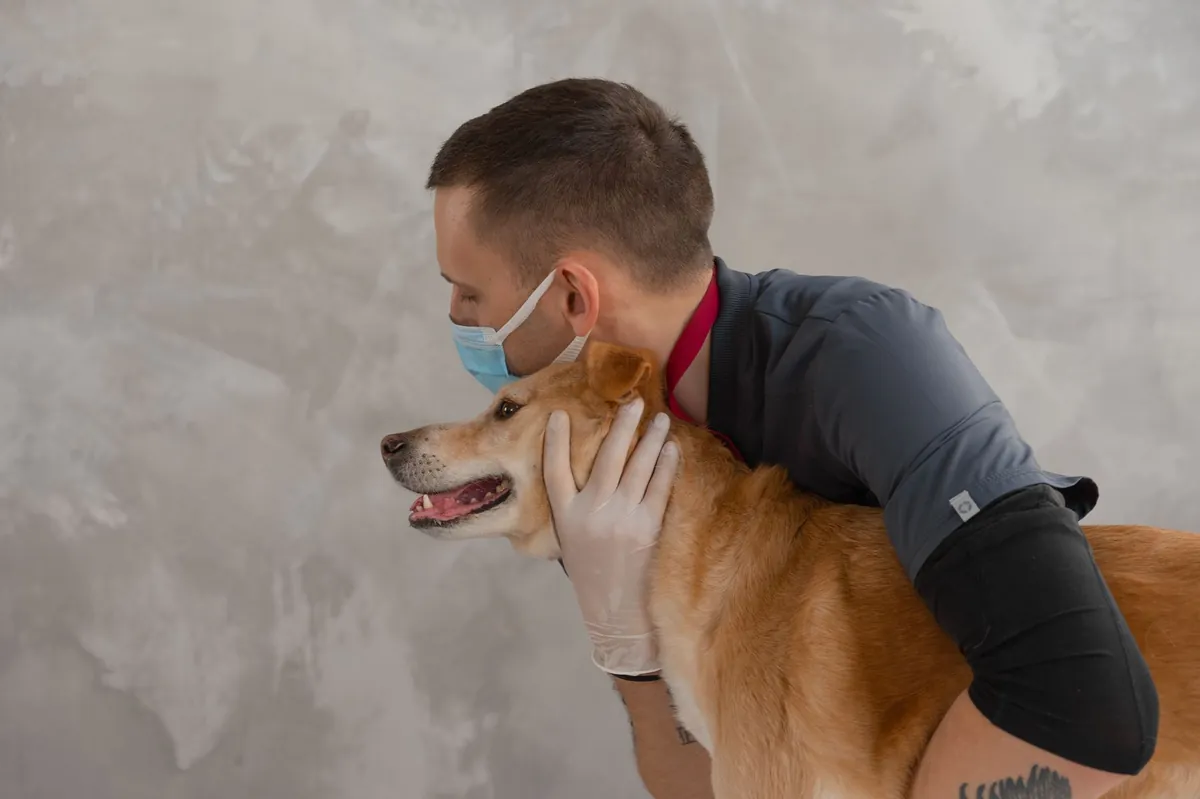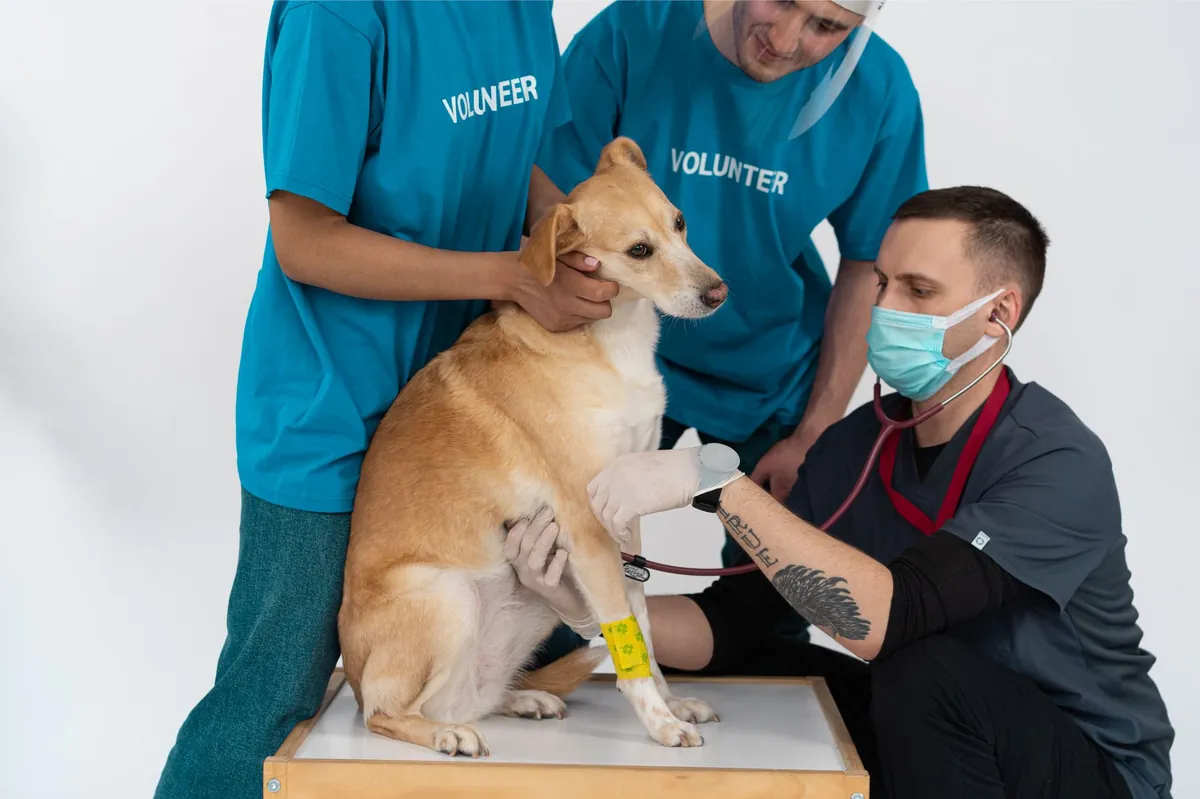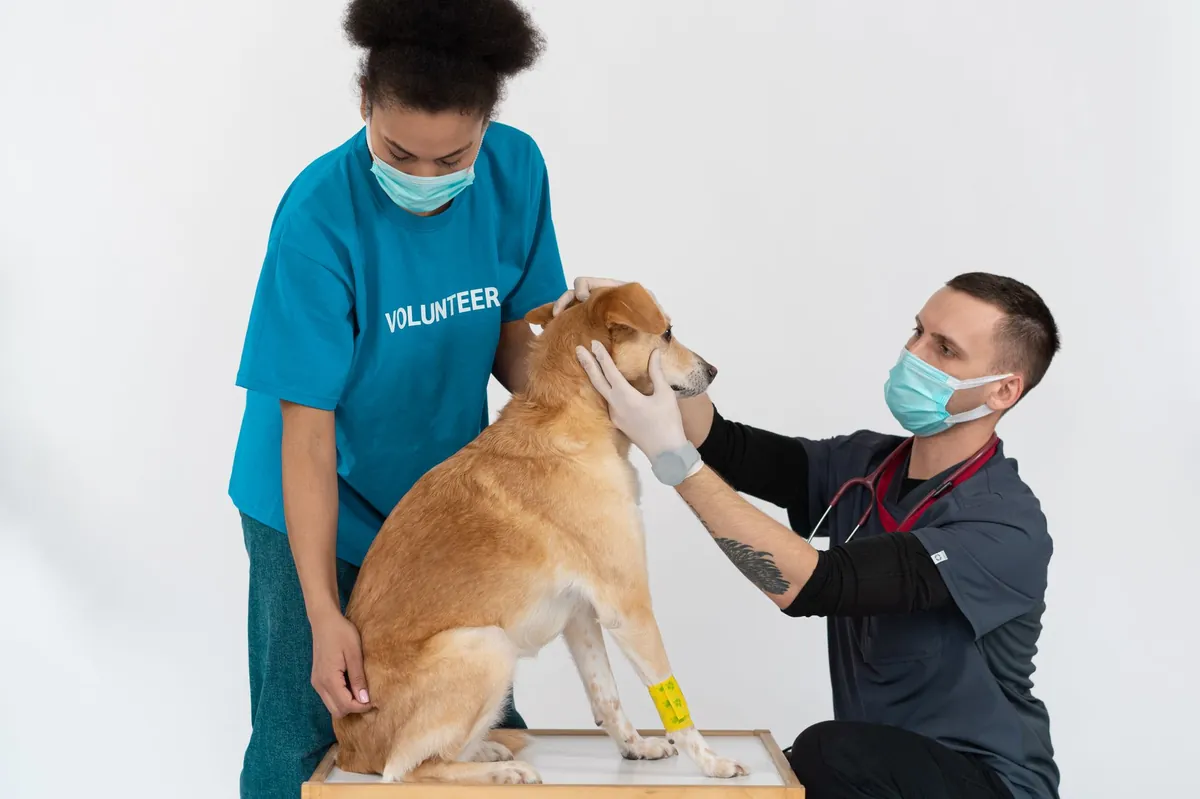
Choosing the right pet health products can be overwhelming for any caring pet owner. Whether you want to support your furry friends immune system, control fleas, or soothe joint pain, the market is full of options labeled as must-haves. But how do you know which products are safe and effective? This guide will help you understand the most popular pet health products, their benefits, risks, and where to buy them safely online.
From prescription medications to natural supplements, we‘ll cover everything you need to keep your pet happy and healthy. By paying attention to quality, safety, and trusted sellers, you can find the perfect product that supports your dog, cat, or small pets wellbeing.
Why pet health products matter
What types of pet health products exist?
When it comes to pet health products, there are several broad categories to be familiar with. These include:
- Medications: Prescription drugs and over-the-counter (OTC) treatments for conditions like flea infestations, infections, or chronic ailments.
- Chews and treats: Often formulated with vitamins, minerals, or joint-supporting ingredients such as glucosamine.
- Supplements: Powders, capsules, and liquids designed to support digestion, coat health, or the immune system.
- Hygiene products: Shampoos, ear cleaners, and dental care items for preventive wellness.
Pet health products aim to improve your pets quality of life, ease discomfort, or prevent diseases. For example, flea-control pills protect dogs from parasites, while probiotic powders help restore healthy gut flora.
Quick list and purposes:
- Flea and tick meds prevent parasite-borne diseases.
- Joint support chews reduce arthritis pain and improve mobility.
- Probiotics aid digestion and nutrient absorption.
- Vitamins fill nutritional gaps, especially in aging pets.
- Dental chews help reduce plaque and keep breath fresh.
How do quality and safety impact pet outcomes?
Quality directly affects how well a product works and how safe it is for your pet. Products approved by the FDA or meeting the Association of American Feed Control Officials (AAFCO) guidelines undergo rigorous review. According to veterinarians at the AVMA, only trusted brands that comply with these standards should be considered to avoid adverse reactions or ineffective dosing.
Low-quality products may contain harmful fillers, unreliable active ingredients, or contaminants. This can lead to poor results, unnecessary side effects, or allergic reactions. Always check for licensing and certification before using a product on your pet.
Top pet health product categories
Prescription vs. over-the-counter options
The main difference between prescription meds and OTC products is access and potency. Prescription medications require a veterinarians approval and are usually stronger or designed for specific medical conditions. OTC products are more widely available and suitable for general wellness or mild issues.
| Type | Common Examples | Typical Cost | Vet Required? |
|---|---|---|---|
| Prescription | Heartworm meds, antibiotics, steroids | $30100/month | Yes |
| Over-the-Counter | Flea collars, joint chews, vitamins | $1050/month | No |
Chewable meds and supplements do they work?
Many pet owners prefer chewable products because they are easier to administer and palatable. For example, a dog with arthritis might benefit from glucosamine chondroitin chews, which can reduce joint inflammation and improve mobility over weeks. According to recent clinical studies, supplements with proper dosing show modest benefits when combined with diet and exercise.
However, results vary by product and pet. It‘s important to choose vet-approved formulas with transparent ingredient lists for the best outcome.

Natural and organic supplements
Theres growing interest in organic pet products like those from Fera Pet Organics. These supplements often contain natural herbs, antioxidants, and vitamins sourced with minimal synthetic additives.
Users cite improvements in energy and coat shine, but the scientific backing is mixed. Always check if third-party lab testing is available for contaminants and active ingredient levels. Natural doesnt always mean safe, so keep an eye on dosage and possible interactions.
Buying pet health products online
What to look for in a reputable seller
Shopping online for your pets health can be convenient and cost-effective. But safety is key. Choose pharmacies and stores that are licensed, transparent about pricing, and offer clear policies on returns or questions.
| Criteria | What to Check |
|---|---|
| Licensing | Verify pharmacy license number and certification. |
| Product origin | Source and manufacturing details disclosed. |
| Secure checkout | Encrypted site with trusted payment options. |
| Customer support | Accessible team for questions or disputes. |
Best online options
Stores like 1800PetMeds offer extensive selections of pet health products, including top-rated foods, snacks, and supplements. Reputation, reviews, and flexible shipping options make them a popular choice among pet owners.
Other platforms focus on chewy pet meds with competitive pricing and subscription models. When comparing, consider shipping speed, prescription handling, and refund policies.

Buying without a vet prescription
While some states allow certain OTC pet products without a vets prescription, true medications usually require vet authorization for safety. For example, flea control collars often can be bought directly, but heartworm meds require a vet visit.
Always review your local regulations to avoid legal risks and unsafe practices. For personalized advice, your veterinarian remains the best resource to determine what your pet needs.
Managing risks and side effects
Common side effects to watch for
Even safe products can cause mild reactions. Watch for gastrointestinal upset, itching, or unusual lethargy after introducing new supplements or medications.
| Side Effect | Signs |
|---|---|
| GI upset | Vomiting, diarrhea, loss of appetite |
| Allergic reaction | Redness, swelling, itching |
| Drug sensitivity | Lethargy, unusual behavior |
Spotting counterfeit or low-quality products
Counterfeits often lack proper labeling, have misspelled ingredients, or no lot number. Be wary of extremely cheap products or those sold without manufacturer contact details. Your pet‘s health is not worth risking with suspicious items.
When to stop a product and consult your vet
If your pet shows severe symptoms like difficulty breathing, persistent vomiting, or neurological changes, discontinue the product immediately. One pet owner shared how their cat developed liver issues after using a non-verified supplement, underscoring the importance of vet guidance.

Maximizing value online
Discounts and coupons
Many online pet pharmacies offer loyalty programs and coupons. For instance, 1800PetMeds provides periodic savings on prescriptions and supplements. Applying coupons at checkout can save 1025% on routine purchases.
Applying a coupon:
- Add products to your cart.
- Enter coupon codes in the promo field.
- Verify discount applied before payment.
Bulk buying versus subscription plans
Buying 3-month supplies of supplements or meds often reduces cost per dose. Subscription services allow automated deliveries and sometimes extra savings. For example, buying glucosamine chews monthly costs roughly $45, while a 3-month supply averages $120, saving $15.
What to look for in pet health products
| Suitable For | Key Ingredients | Price Range | Feeding Amount | Ingredients to Avoid |
|---|---|---|---|---|
| Dogs, all ages | Glucosamine, chondroitin, MSM | $2050/month | 1 chew per 10kg daily | Artificial colors, MSG, xylitol |
| Cats, adults | Omega-3s, taurine, probiotics | $1540/month | 1 capsule daily | Excess fillers, unknown herbs |
| Small pets (rabbits, guinea pigs) | Vitamin C, fiber, prebiotics | $1030/month | Vary by species; follow label | Sugar, artificial preservatives |
Is pet health products safe for my dog or cat?
Most pet health products are safe when used as directed and chosen from reputable brands. Always read labels carefully, follow dosing instructions, and consult your vet if your pet has pre-existing conditions. Avoid human medications or homemade remedies without veterinary advice, as these can be harmful.
Can I buy pet prescriptions without a vet?
Some flea treatments and supplements are available OTC, but true prescription medications need a vets order. This ensures your pet gets the correct treatment and prevents misuse, which could worsen health conditions.
What are the safest chewable pet meds?
Safe chewables are formulated by veterinarians and contain clear dosage and FDA-approved ingredients. Brands with transparent lab testing, like Fera Pet Organics or Nutramax, reduce risk of adverse effects.
Are organic pet supplements worth it?
Organic supplements may benefit pets with allergies or sensitivities, but their effectiveness depends on the evidence backing each ingredient. Look for third-party testing to confirm potency and safety.
How long does it take to see improvements?
Results varyjoint supplements can take 46 weeks, while probiotic benefits might appear within days. Consistency is key, and combining supplements with proper diet and exercise enhances effectiveness.
What side effects should I expect?
Mild upset like vomiting or itching can occur but usually resolve quickly. Severe symptoms require stopping the product and veterinary consultation immediately.
How should I store pet health products?
Store supplements and meds in a cool, dry place away from sunlight. Opened wet supplements should be refrigerated and used within 710 days to maintain potency.
Pro tips for buying pet health products
One common buying mistake is choosing products solely based on price. Cheaper supplements often compromise ingredient quality and bioavailability, leading to less benefit. Look for vet-backed formulas with transparent labels. One helpful tip: consult your vet for recommendations specific to your pets breed and lifestyle to avoid unnecessary or ineffective purchases.
Remember, the most expensive product isn‘t always best, but neither is the cheapest. Quality ingredients, reputable brands, and proper dosing make all the difference.

More you might like
Discover how to keep up with your dog‘s essential protection by checking out our Dog vaccination schedule pdf. Its a handy tool to ensure your pup stays healthy all year round.
For pet owners noticing signs of decline, our guide on Signs a border collie is dying provides compassionate advice and what to expect during difficult times.
To learn more about overall pet health, including nutrition and wellness, explore our comprehensive resources.
Conclusion
Understanding pet health products empowers you to make smart choices that truly benefit your dog, cat, or small pet. Focus on quality, safety, and trusted sellers like 1800PetMeds to find affordable, effective options. Next time you shop, take a moment to check the label carefully and consider your pets unique needs. Your thoughtful choices will help keep tails wagging and purrs coming for years to come.
FAQs
Is Pet health products safe for my dog or cat?
Most pet health products are safe when used as directed and chosen from reputable brands. Always follow dosing instructions and consult your vet if your pet has pre-existing conditions. Avoid human medications or homemade remedies without veterinary advice, as they can be harmful.
How long does it take to see results with Pet health products?
Results vary by product type; joint supplements may take 4–6 weeks to show benefits, while probiotics can work within days. Consistency and combining with proper diet and exercise enhance effectiveness.
How often should I give pet health supplements?
Frequency depends on the product and pet’s needs, but most supplements are given daily according to label instructions. Always follow vet guidance and avoid overuse to prevent side effects.
What signs indicate my pet is having a reaction to a health product?
Watch for vomiting, diarrhea, itching, swelling, lethargy, or unusual behavior after starting a new product. If severe symptoms appear, stop use and consult a veterinarian immediately.
When should I consult a vet about pet health products?
Consult your vet before starting any new medication or supplement, especially for pets with existing conditions. Seek immediate vet advice if your pet shows severe side effects like difficulty breathing, persistent vomiting, or neurological changes.