Ever wondered why your German Shepherd looks like its wrapped in a builtin blanket? The answer is a double coat two layers of fur that work together to keep your dog comfy, protected, and looking sleek. In this guide well break down exactly what a double coat is, when it shows up, how to care for it, and why it matters whether your pup has a short, medium, or long coat.
Quick Answers
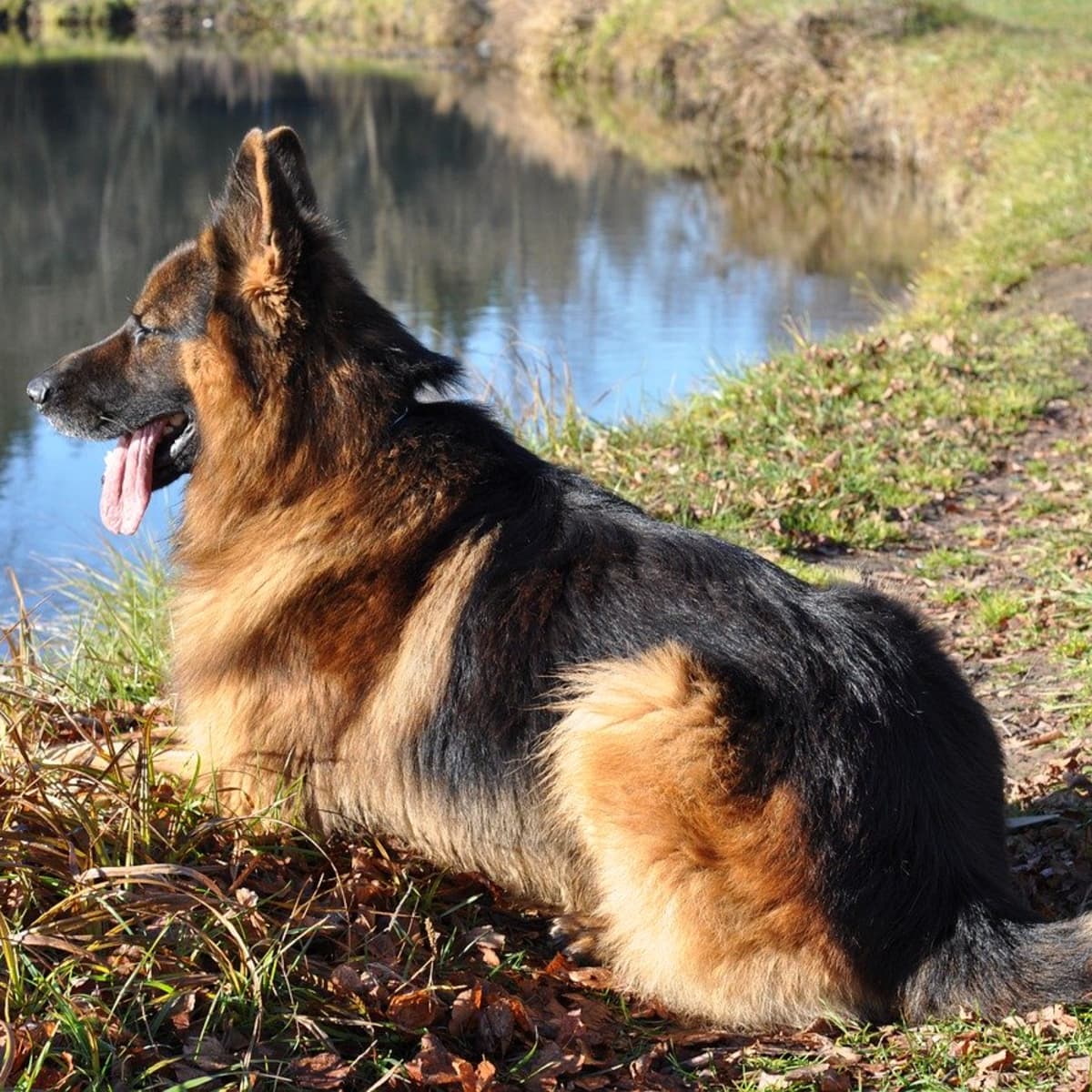
What is a German Shepherd double coat? Its a twolayered fur system: a harsh outer guard coat that repels water and debris, plus a soft, dense undercoat that traps warmth.
When does the double coat appear? Most puppies start showing the first signs between 812 weeks, and the full adult coat usually finishes developing by 612 months.
Understanding the Double Coat
Guard Coat vs. Undercoat
The guard coat is the roughlooking top layer you can feel when you run your hand over your dogs back. Its built to shrug off rain, snow, and even the occasional tumble in the woods. Beneath that lies the undercoat a fluffy, insulationrich layer that locks in body heat when its chilly and helps regulate temperature when its hot.
Expert Insight: According to a certified German Shepherd breeder affiliated with the AKC, The guard coat acts like a rain jacket, while the undercoat functions like a thermal blanket. Both are essential for the breeds working heritage.
Coat Variations Within the Breed
German Shepherds dont all look the same, and their coats can range from short to long, double to single. Heres a quick rundown:
- Medium Double Coat The most common; the guard hairs are short and stiff, the undercoat thick.
- Long Double Coat A rarer, showtype variant with longer guard hairs that flow a bit more.
- Single Coat Very uncommon; these dogs lack the dense undercoat and have a smoother appearance.
- ShortHaired Double Coat A myth many owners ask about; even shorthaired Shepherds still possess an undercoat, just less pronounced.
Want a deeper dive into the breeds appearance? Check out our comprehensive German shepherd colors guide.
Coat Comparison Table
| Coat Type | Guard Coat Texture | Undercoat Density | Typical Weight Range* |
|---|---|---|---|
| Medium Double | Harsh, closelying | Thick, soft | 5090lb |
| Long Double | Longer, flowing | Thick, soft | Similar to medium |
| Single Coat | Light, smooth | None | Slightly lighter |
*Weight data sourced from the AKC breed standard and major German Shepherd clubs.
Puppy Coat Stages
Birth to 4Weeks Wooly Newborn Coat
Newborn pups are covered in a soft, fluffy wool that keeps them warm in the whelping box. Its not the double coat youll later recognize, but its an essential first layer.
58Weeks The Puppy Coat
During this window the fur becomes softer and more uniform, giving puppies that classic cotton ball look. Shedding is minimal, and youll notice the coat is still singlelayered.
812Weeks First Double Coat Appearances
Heres the moment many owners get excited about: the guard hairs start lengthening and the undercoat thickens. Youll feel a noticeable bump under the outer layer if you gently run your fingers along the back.
FAQ: Do German Shepherd double coat puppies shed a lot? Yes, theyll begin a light shedding cycle as the undercoat starts to grow, but the biggest blowout happens later in the year.
612Months Full Adult Double Coat
By the time your pup hits its first birthday, the coat should be fully mature. Youll see the guard coats protective sheen and the undercoats plush fullness, ready for any weather.
If youre curious about what a German Shepherd puppy looks like at each stage, take a peek at our German shepherd puppy page.
Benefits & Risks of the Double Coat
Benefits
- Weather Regulation The double coat keeps dogs warm in winter and cool in summer by trapping air close to the skin.
- UV Protection Especially important for black German Shepherds; the guard coat blocks harmful sun rays.
- Natural Defense The outer layer shields against mud, thorns, and minor scrapes during outdoor work.
Risks & Challenges
- Seasonal Shedding Spring and autumn blowouts can leave fur everywhere, requiring frequent grooming.
- Matting If the undercoat isnt brushed regularly, it can tangle, leading to skin irritation.
- Overheating In very hot climates the dense undercoat can trap heat; dogs need cooling measures and plenty of water.
Practical Checklist: Brush 23 times a week yearround (daily during shedding season), watch for bald patches, and keep an eye on your dogs behavior for signs of overheating.
How to Care for a DoubleCoated German Shepherd
Grooming Essentials
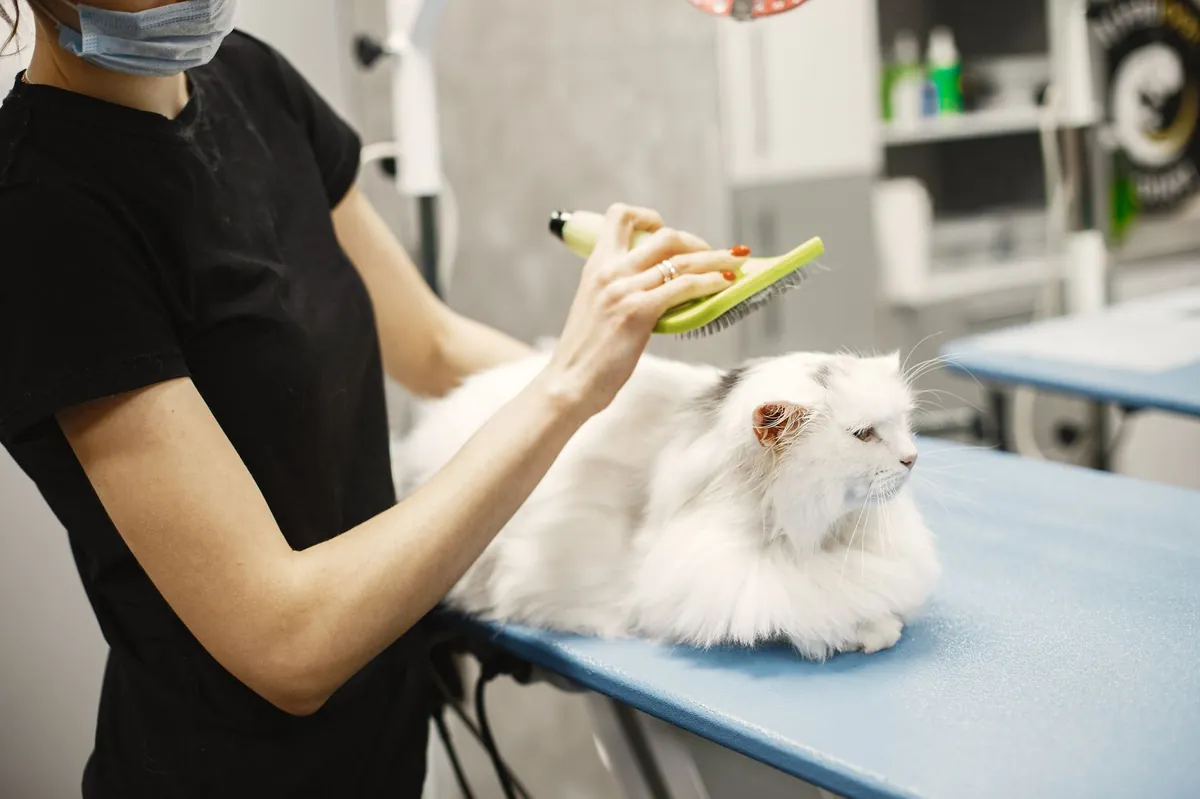
Invest in a good slicker brush and an undercoat rake. A slicker works wonders on the guard hairs, while the rake reaches deep into the fluffy underlayer. Aim for a gentle, patient brushing session you dont want to turn grooming into a tugofwar.
Bathing should be done sparingly; overbathing strips natural oils that protect the skin. When you do bathe, choose a dogspecific shampoo with moisturising ingredients and a cooling formula if you live in a warm region.
Nutrition for Coat Health
A healthy coat starts from the inside. Look for foods rich in omega3 and omega6 fatty acids (think fish oil, flaxseed) and highquality animal protein. Most German Shepherds weigh between 5090lb, so adjust portions according to activity level and weight goals.
Veterinary nutritionists often recommend adding a teaspoon of fish oil per 30lb of body weight to boost shine and reduce shedding.
ClimateSpecific Tips
- Summer Provide shaded rest areas, use cooling vests, and offer fresh water at all times. Short walks during cooler parts of the day are best.
- Winter Keep the coat clean and dry; avoid overbathing. A light sweater can help on extremely cold days, but most doublecoated Shepherds do fine without one.
If you own a black German Shepherd, youll be glad to know that the double coat offers natural sun protection, so you can enjoy beach outings without worrying about sunburns.
Balancing Benefits and Risks
Understanding both sides of the double coat story helps you become a more confident caretaker. The coat is a gift from the breeds working ancestors a builtin climatecontrol system but it does demand a bit of extra love. Regular brushing, thoughtful nutrition, and climateaware activities keep the coat at its best and your pup happy.
Thinking about getting a German Shepherd? Take a look at our guide on the german shepherd breed overall, or explore the unique German shepherd black variation for a sleek, sunsavvy companion.
Putting It All Together
So, whats the bottom line? The German Shepherd double coat is more than just a pretty fur coat. Its a functional masterpiece that protects, regulates, and even expresses personality. By learning the coats stages, caring for it properly, and respecting its needs, youll enjoy a healthier, happier dog that looks great in any season.
Do you have a favorite grooming tip or a funny story about your Shepherds coat shedding? Share it in the comments below Id love to hear how youre keeping your furry friend comfortable and stylish!
Conclusion
From the first fluffy puppy coat to the rugged, weatherready double layer of an adult, the German Shepherds fur is a testament to the breeds resilience and heritage. Recognizing the benefitsweather protection, UV shielding, natural defensewhile managing the challengesshedding, matting, overheatingmeans youll give your dog the care it deserves. With the right grooming tools, a balanced diet, and climatesmart habits, your doublecoated companion will thrive year after year. Ready to dive deeper into the world of German Shepherds? Keep exploring our resources and join the conversation. Your shepherds coat (and your heart) will thank you.
FAQs
When does a German Shepherd’s double coat start to develop?
The first signs of the double coat appear around 8‑12 weeks of age, with the full adult coat usually completed by about 6‑12 months.
How often should I brush a German Shepherd with a double coat?
Brush at least 2–3 times per week year‑round, increasing to daily during the heavy spring and autumn shedding periods.
What are the signs of overheating in a double‑coated Shepherd?
Watch for excessive panting, drooling, lethargy, and a bright red tongue or gums. Provide shade, water, and cool-down measures immediately.
Can I trim or shave a German Shepherd’s double coat?
It is not recommended to shave a double‑coated Shepherd; the coat regulates temperature. If trimming is needed for hygiene, only a light, professional trim should be done.
Does the double coat affect my dog’s shedding in the home?
Yes, the dense undercoat leads to seasonal “blow‑outs” that deposit a lot of hair. Regular brushing and a balanced diet help reduce the amount of loose fur.