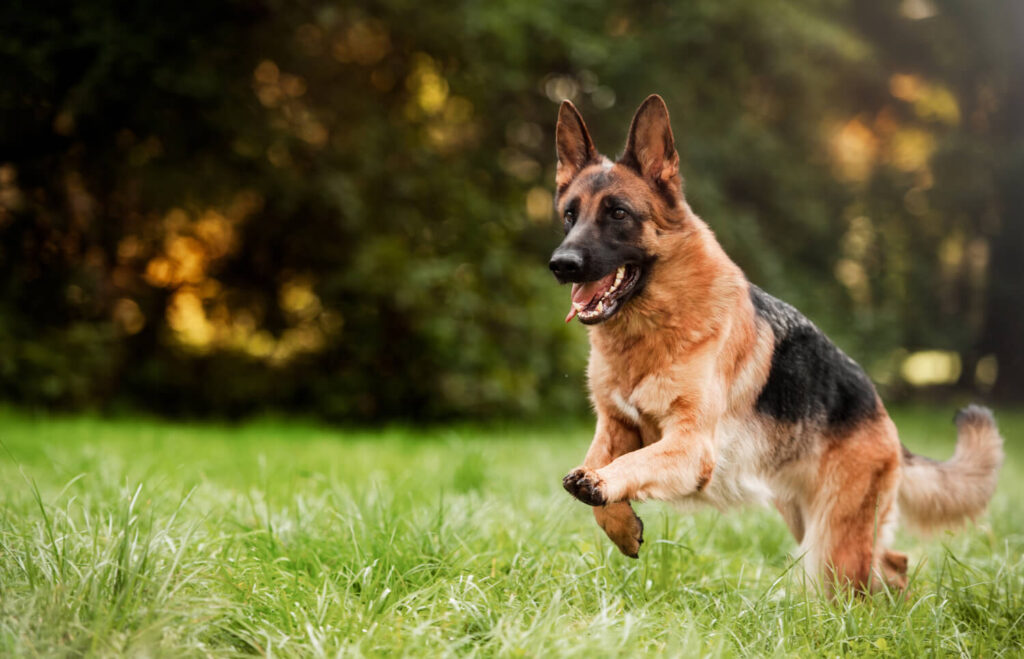
Winter Shedding Explained
First things first: if your pup is leaving a fuzzy trail all over the couch, its most likely the natural switch from a summer coat to a winter coat. Dogs grow a doublecoat a soft undercoat that keeps them warm and a longer topcoat that repels moisture. As the days get shorter and colder, the undercoat is shed and a denser winter coat grows in. This cycle is perfectly normal, but the amount of hair that drops can feel overwhelming, especially when youre trying to keep a tidy home.
That said, not every tumble of fur is just seasonal. Sometimes its a sign that something else is going on a nutritional gap, a skin irritation, or even a health issue that needs a vets attention. Below well unravel the why behind winter shedding, list the redflag signs to watch for, and share practical, homefriendly ways to keep the hair under control without turning your living room into a snow globe.
Why Dogs Shed More in Winter
The Science of the DoubleCoat Cycle
Most breeds have two distinct coats. In spring and early summer, the lighter undercoat is shed to make room for a thicker layer that will protect against the chill. This is why youll see a surge of hair in January and February the winter coat is still forming, and the old undercoat is being pushed out.
Indoor Heating & Low Humidity
When you crank up the heat, the air inside your home dries out. Dry skin can trigger a dogs follicles to release more hair. Adding a humidifier or simply keeping the thermostat at a moderate temperature can reduce the intensity of shedding.
Stress, Diet, and Bathing
Stressful events holiday travel, a new baby, or even a change in routine can cause a spike in shedding. So can a sudden change in diet or a harsh shampoo. If youve noticed why is my dog shedding so much after a bath, it might be the product youre using. Look for gentle, moisturizing formulas and always rinse thoroughly.
RedFlag Signs: When Shedding Isnt Just Seasonal
Skin Infections, Parasites & Allergies
If you see red patches, hot spots, or a lot of itching along with the hair loss, it could be a skin infection, fleas, or an allergic reaction. These conditions often require a vets prescription medication.
Hormonal Disorders
Conditions such as hypothyroidism or Cushings disease can cause abnormal hair loss. Symptoms often include lethargy, weight changes, and a dull coat. If shedding is accompanied by other health changes, schedule a checkup.
FemaleSpecific Shedding
Hormonal cycles can make females shed more at certain times of the year. For more details, see our article on Why is my female dog shedding so much.
Sudden, Unexplained Shedding
When the hair loss seems to happen all of a sudden, it could be a clue that something internal has shifted. Learn why this happens in our guide on Why is my dog shedding so much all of a sudden.
Practical Ways to Manage Winter Shedding
Grooming Routine That Actually Works
Regular brushing is the single most effective tool. A slicker brush or a deshedding glove removes loose undercoat before it ends up on your sofa.
| Frequency | Tool | Why It Helps |
|---|---|---|
| Daily (shorthaired) | Slicker brush | Captures loose hair before it lands |
| Every other day (mediumhaired) | Deshedding glove | Gentle on skin, great for undercoat |
| Weekly (longhaired) | Undercoat rake | Reaches deep layers of fur |
Bathing Tips & SheddingControl Shampoos
Give your dog a bath no more than once a month during shedding season. Use lukewarm water, a mild moisturizing shampoo, and follow up with a conditioner designed for dogs. After the bath, blot the coat with a towel before using a highvelocity dryer on a low heat setting the airflow helps lift the dead hairs.
Nutrition & Supplements
A diet rich in omega3 and omega6 fatty acids supports a healthy skin barrier and reduces excess hair loss. Highquality kibble or a balanced raw diet can make a noticeable difference. For a deeper dive on what to feed, check out our Supplements to stop dog shedding guide.
Home Environment Hacks
- Run a humidifier in the rooms where your dog spends most of its time.
- Place a washable blanket or petspecific sofa cover where your dog likes to lounge its easier to clean than carpet.
- Vacuum regularly with a pethair attachment to keep loose fur from building up.
DIY & Safe Home Remedies (VetApproved)
Oatmeal & Coconut Oil Coat Rinse
Mix cup oatmeal powder with 1 cup warm water, add a tablespoon of coconut oil, and gently pour over your dogs coat. Let it sit for ten minutes, then rinse thoroughly. The oatmeal soothes skin while the oil adds shine.
Apple Cider Vinegar Shedding Spray
Combine one part apple cider vinegar with three parts water in a spray bottle. Lightly mist the coat (avoid the eyes). The acidity balances skin pH, which can reduce flaking.
BrothBoosted Food
Adding a splash of lowsodium chicken broth to your dogs meal supplies extra protein and hydration, both of which help maintain a healthy coat.
Safety note: If your dog shows signs of dermatitis, open wounds, or chronic itchiness, skip home remedies and consult a veterinarian first.
Answers to Common Questions (KeywordRich)
Why is my dog shedding so much in January?
January is right in the middle of the transition from the light summer coat to the denser winter coat. The colder indoor temperatures combined with lower humidity accelerate the shedding process.
Why is my dog shedding so much in February?
February often sees the tail end of the coatswap. Dogs that have a thick undercoat may continue to lose hair well into the month as the new winter coat fully develops.
Why is my female dog shedding so much?
Female dogs experience hormonal fluctuations that can trigger a heavier shedding cycle, especially around heat or after spaying. See our dedicated piece on Why is my female dog shedding so much for more context.
How to stop dog shedding home remedy?
The most effective home remedy involves a combination of regular brushing, a balanced diet rich in essential fatty acids, and occasional skinsoothing baths. For a stepbystep guide, read How to stop dog shedding home remedy.
When do dogs shed their summer coat?
Most breeds start shedding the summer undercoat in late fall (OctoberDecember) and finish by March. The exact timing varies with breed, age, and local climate.
Expert Insights & Trusted Sources
Dr. Emily Hart, DVM, a boardcertified veterinary dermatologist, says, Winter shedding is a normal physiological process, but owners should stay vigilant for signs of skin inflammation or hormonal imbalance. We base our recommendations on research from the American Kennel Club, PetMD, and peerreviewed veterinary journals.
Conclusion
Winter shedding can feel like a nonstop snowstorm of fur, but with the right knowledge, grooming routine, and nutrition, you can keep it manageable and ensure your dog stays comfortable and healthy. Remember to watch for redflag symptoms persistent itching, bald patches, or lethargy and dont hesitate to call your vet if anything seems off.
Give the brushing schedule a try this week, add a splash of omegarich supplement to the meals, and see how much difference a humidifier can make. Have you discovered a trick that helped your pups coat this winter? Share your experiences in the comments or reach out with questions we love hearing from fellow dog lovers!
FAQs
How often should I brush my dog during the winter shedding season?
For short‑haired breeds brush daily, medium‑haired dogs every other day, and long‑haired breeds at least once a week with an undercoat rake or deshedding glove.
Can indoor heating make my dog shed more in winter?
Yes. Central heating dries the air, which can irritate skin and trigger extra hair loss. Using a humidifier or keeping the thermostat moderate helps reduce shedding.
What foods or supplements can help lessen my dog’s winter shedding?
High‑quality diets rich in omega‑3 and omega‑6 fatty acids (e.g., fish oil, flaxseed) support skin health. Adding a vet‑approved supplement can further reduce excess hair loss.
When should I take my dog to the vet for shedding?
Seek veterinary help if you notice red patches, hot spots, bald spots, persistent itching, sudden massive hair loss, or any accompanying symptoms such as lethargy or weight change.
Are there safe home remedies to control shedding?
Vet‑approved home remedies include an oatmeal‑coconut oil rinse, an apple‑cider‑vinegar spray (avoid eyes), and a low‑sodium broth boost to meals. Stop if the skin looks irritated and consult a vet.