Ever notice your pup constantly scratching, licking their paws, or having an upset tummy after a meal? Those are the telltale signs that something in their food might be irritating them. In this post well walk through exactly what to look for, how to pinpoint the culprit, and which practical steps you can take to bring relief back to your furry friend.
Common Symptoms
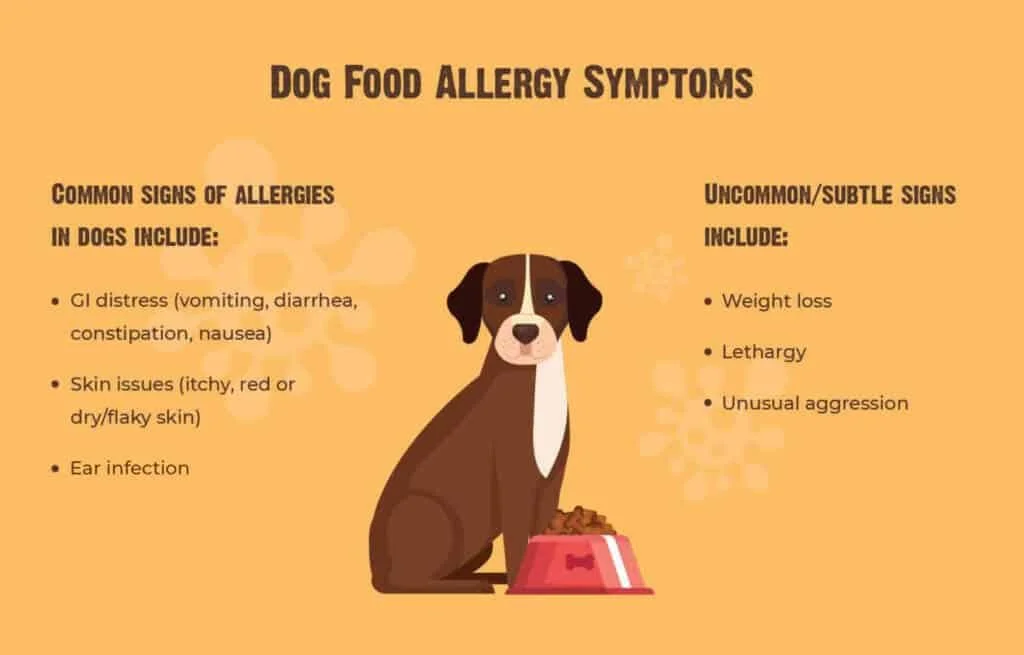
Skinrelated signs
Itching is the most obvious clue, especially around the ears, belly, paws, and under the tail. You might see red, inflamed patches, hot spots that ooze, or even hair loss in a dirty paw print pattern where saliva has stained the fur.
Gastrointestinal clues
Frequent vomiting, soft stools, or chronic diarrhea are classic dog food intolerance symptoms. Some dogs also develop a bloated belly, excessive gas, or simply lose weight despite eating normally.
Behavioral hints
When the itch gets unbearable, dogs often lick or chew their skin obsessively, become restless after meals, or act irritable. If youve caught your dog chewing their paws for hours, it could be more than boredom.
Quickreference table: Symptom Likelihood
| Symptom | High % | Medium % | Low % |
|---|---|---|---|
| Itchy paws/ears | |||
| Chronic ear infections | |||
| Recurrent diarrhea | |||
| Hives/urticaria |
How to Diagnose
Elimination diet the gold standard
The most reliable way to confirm a food allergy is an elimination diet. Feed a hypoallergenic, hydrolyzedprotein or novelprotein diet for 810 weeks. Most vets advise keeping treats, table scraps, and supplements out of the picture during this period. If symptoms fade, youve likely found the trigger.
Foodchallenge reintroduction
After the clearup phase, reintroduce each original ingredient one at a time, waiting about 14 days between each. Keep a simple symptom diary (or even snap photos) so you can spot the exact moment a flareup returns.
When to see a vet
If itching stays severe, or you notice secondary infections, its time for a professional check. Vets may run skin scrapings, blood work, or even a biopsy to rule out parasites, flea allergy dermatitis, or underlying disease.
Realworld case study
Bella, a 4yearold Labrador, kept shaking her ears. After a 9week elimination diet, the itching stopped. Readding chicken sparked a flareup within 10 days confirming a chicken protein allergy.
Common Allergens
Protein sources
Beef, dairy, chicken, soy, wheat, lamb, and fish are the usual suspects. Even grainfree formulas can contain hidden proteins that trigger a reaction.
Additives & preservatives
Ingredients like BHA, BHT, propylene glycol, and artificial colors often slip into lowcost kibble. If you see a pattern of flareups after switching brands, check the label for these chemicals.
Crossreactivity tip
Just because a dog tolerates one protein doesnt mean theyll tolerate a similar one. For example, a dog allergic to chicken may also react to turkey.
Allergen vs. Typical Symptom Onset
| Allergen | Skinonly? | GIonly? | Both |
|---|---|---|---|
| Beef | |||
| Dairy | |||
| Wheat | |||
| Soy |
Treatment & Management
Dietary solutions
Once youve identified the offender, switch to a best dog food for allergies thats either hydrolyzed or based on a novel protein your dog hasnt tried before. Many owners also report success with homemade food for dogs with skin allergies. A simple recipe could be boiled white fish, mashed sweet potato, and a drizzle of fish oil just be sure to balance the nutrients or consult a veterinary nutritionist.
Supplemental support
Omega3 fatty acids (from fish oil or krill) are fantastic for calming itchy skin. Probiotics help rebuild a healthy gut flora, which can reduce gastrointestinal upset linked to food intolerances.
Medication when needed
Shortterm antihistamines or corticosteroids can tame severe flareups, but theyre not a longterm fix. Medicated shampoos (containing chlorhexidine or oatmeal) can provide immediate relief for itchy patches.
How long to clear up?
Most dogs start showing skin improvement within 24 weeks of a diet change. Full resolutionespecially for deeprooted sensitivitiesmay take 812 weeks. Keep a close eye on progress; if symptoms linger beyond this, revisit your vet.
Foods to Avoid & Safe Alternatives
What not to feed a dog with skin allergies
Avoid common triggers: beef, chicken, dairy, wheat, soy, corn, eggs, pork, and any artificial additives. Reading the ingredient list is a habit worth mastering.
Top commercial options
Brands that consistently rank high for allergic dogs include Royal Canin Hydrolyzed, Hills Prescription Diet Derm, and Blue Buffalo Basics. Look for limitedingredient or hypoallergenic on the packaging.
DIY safe meals quick guide
Heres a basic, balanced homemade formula you can rotate:
- Protein: white fish, turkey (novel), or rabbit 40% of the meal
- Carbohydrate: sweet potato or pumpkin 30%
- Vegetables: green beans, carrots, or peas 20%
- Supplement: a teaspoon of fish oil + a probiotic capsule (as per vet dosage) 10%
Cook the protein thoroughly, steam the veggies, mash everything together, and store in the fridge for up to three days.
Weekly meal plan example
| Day | Protein | Carb | Veggies | Supplement |
|---|---|---|---|---|
| Mon | White fish | Sweet potato | Green beans | Omega3 oil |
| Tue | Turkey (novel) | Quinoa | Carrots | Probiotic |
| Wed | Rabbit | Pumpkin | Peas | Omega3 oil |
| Thu | White fish | Sweet potato | Green beans | Probiotic |
| Fri | Turkey | Quinoa | Carrots | Omega3 oil |
| Sat | Rabbit | Pumpkin | Peas | Probiotic |
| Sun | Choose favorite | Mix carbs | Mix veggies | Omega3 oil |
Preventive Tips
Regular grooming & skin checks
Keeping your dogs coat clean reduces secondary infections. A quick brush after walks helps you spot new hotspots early. For a deeper dive on grooming routines, check out How to groom a dog at home.
Maintain a foodsymptom journal
Write down everything your dog eats, the brand, treats, and any observable changes. Over weeks, patterns emerge, making future decisions easier.
Know the red flags
If your dog experiences sudden weight loss, persistent vomiting, or shows signs of anaphylaxis (facial swelling, difficulty breathing), seek emergency care immediately.
Quickaction checklist
- Record meals and symptoms daily.
- Inspect ears, paws, and belly for redness.
- Switch to a hypoallergenic diet for at least 8 weeks.
- Consult your vet if flareups persist beyond 12 weeks.
Conclusion
Spotting the signsitchy skin, upset stomach, restless behaviorcan feel like a mystery, but with a systematic elimination diet, thoughtful ingredient swaps, and supportive supplements, most dogs find relief within weeks. Remember: consistency is key, and a symptom diary is your best detective tool.
Ready to start the journey? Grab a notebook, talk to your vet about a tailored elimination plan, and consider trying a simple homemade recipe this week. If youve already navigated food allergies with your pup, share your story belowyour experience could be the missing puzzle piece for another dog owner.
FAQs
How can I tell if my dog has a food allergy?
Look for recurring itching, ear infections, paw licking, chronic diarrhea, or vomiting that worsen after meals and improve when you change the food.
What is an elimination diet and how does it work?
Feed your dog a limited‑ingredient or hydrolyzed‑protein diet for 8‑10 weeks, removing all other foods, treats, and supplements. If symptoms fade, re‑introduce ingredients one at a time to identify the trigger.
How long does it usually take to see improvement after changing the diet?
Skin symptoms often start improving within 2‑4 weeks, while full resolution of ear or gastrointestinal issues can take 8‑12 weeks.
Can I prepare homemade meals for a dog with food allergies?
Yes—use a novel protein (e.g., white fish, rabbit, turkey) combined with a carbohydrate like sweet potato and a handful of veggies, plus a vet‑approved supplement such as fish oil or probiotics.
When should I take my dog to the vet for suspected food allergies?
Seek veterinary care if itching is severe, there are secondary skin infections, sudden weight loss, persistent vomiting, or any signs of anaphylaxis (swelling, difficulty breathing).