Is your pup scratching like a teenager at a rock concert? Or maybe the tummys doing backflips after every meal? The good news is that most dog food allergies can be nailed down and soothed often within just a few weeks. Below youll find the straighttothepoint steps that turn the mystery into a manageable plan, so you can get back to cuddles instead of constant vet visits.
Understanding Dog Allergies
What is a Dog Food Allergy?
A food allergy is an immunesystem overreaction to a protein in the diet. Its different from a food intolerance, which is usually a digestive upset without the immune component. Common culprits include beef, chicken, dairy, wheat, soy, corn, and fish. When your dogs body spots these proteins as enemies, it launches a fullblown defense that shows up on the skin or in the gut.
Typical Symptoms Skin & Digestive Clues
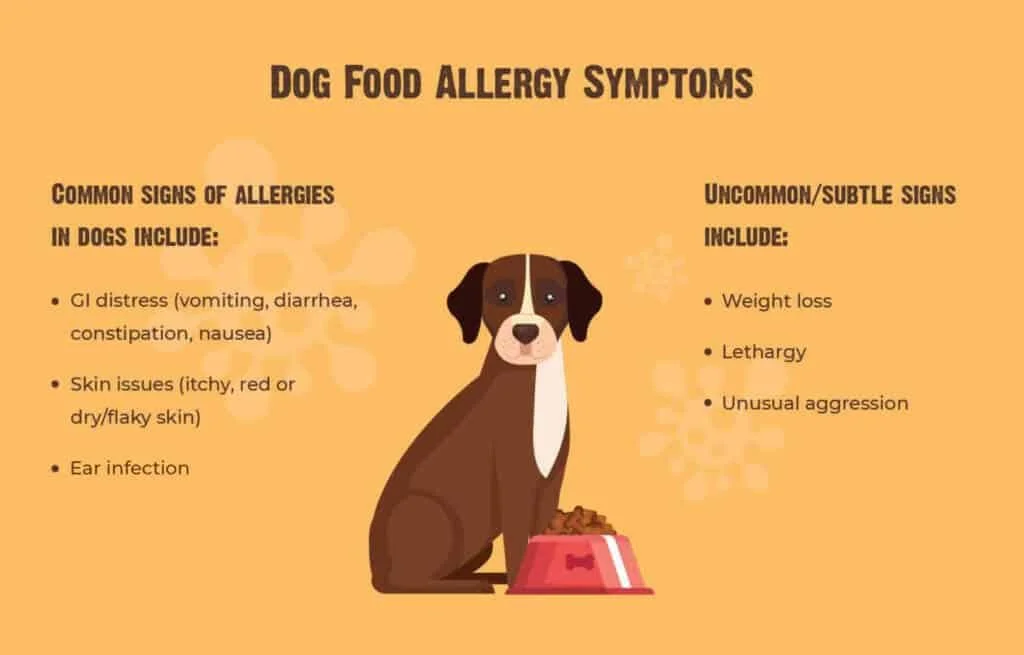
Skin symptoms are the most visible: itchy spots, hot spots, ear infections, and constant paw licking. If youve noticed redness around the ears or a flaky coat, youre food allergies in dogs symptoms and solutions might be at play. Digestive signs include vomiting, diarrhea, gas, and chronic ear infections. Sometimes the two overlap, making the puzzle a little trickier.
How Long Does It Take to Clear Up?
Patience is a virtue, but you dont have to wait forever. Most owners see noticeable improvement within dog food allergies how long to clear upusually 2 to 8 weeksonce the offending protein is removed. Faster relief often means a stricter diet and consistent medication, while slower progress can be a sign of secondary infections or lingering allergens.
Diagnosing the Issue
Veterinary Food Allergy Test Options
Vets have a few tricks up their sleeves. The gold standard is an elimination diet, where you feed a novel or hydrolyzed protein for 812 weeks and watch for symptom fade. Blood serum IgE tests and intradermal skin tests are alternatives, but they can give false positives. A vetguided elimination diet is usually the most reliable way to pinpoint the problem.
Conducting a Proper Elimination Diet at Home
Think of this as a culinary detective mission. Choose a single protein your dog has never eatenrabbit, kangaroo, or even a specially formulated hydrolyzed diet. Avoid treats, table scraps, and flavored medications. Feed only the test food for 714 days, then slowly reintroduce the original diet. If symptoms flare, youve found the trigger.
| Phase | Food | Reason |
|---|---|---|
| 1 | Novel protein (e.g., rabbit) + limited carbs | Reduces chance of hidden allergens |
| 2 | Reintroduce original diet | Observe flareup |
When to Seek Veterinary Help
If your dogs itching turns into open wounds, if theres rapid weight loss, or if vomiting becomes persistent, call the vet ASAP. Severe reactions can lead to secondary skin infections or even anaphylaxis, which requires immediate medical attention.
Treatment Options & How to Implement Them
Dietary Management The Core Treatment
Food is the frontline. Hypoallergenic dog food comes in two flavors: hydrolyzed proteins (broken down so the immune system cant recognize them) and novel proteins (ingredients the dog has never seen). Brands that consistently rank high in clinical trials include Hills Prescription Diet z/d, Royal Canin Hydrolyzed Protein, and Purina Pro Plan Veterinary Diets HA. When choosing, look for limited ingredient labels and ensure the food meets AAFCO nutritional standards.
Best Dog Food for Allergies
Based on vet surveys and peerreviewed studies, three standout options are:
- Hills z/d hydrolyzed chicken egg protein
- Royal Canin Hydrolyzed Protein shrimpbased hydrolysate
- Purina HA novel duck & potato blend
Each has been shown to reduce itchiness in over 80% of allergic dogs within six weeks.
Homemade vs. Commercial Diets Pros & Cons
| Aspect | Commercial Hypoallergenic | Homemade Novel |
|---|---|---|
| Convenience | Readytoserve, balanced | Meal prep required |
| Nutritional Assurance | AAFCOtested | Needs vetapproved recipe |
| Cost | Higher per pound | Variable, often cheaper |
| Allergen Control | Highly controlled | Risk of crosscontamination |
Medical Support During FlareUps
Even the best diet cant always stop a sudden itch storm. Antihistamines like diphenhydramine (Benadryl) or cetirizine can calm mild reactions. For severe itching, your vet might prescribe steroids, Apoquel, or Cytopointeach with its own benefitrisk profile. Adding omega3 fish oil and probiotics can also soothe skin and support gut health.
Treating an Allergic Reaction at Home
If a flare hits, start with a cool compress on the hot spot, gently wash the area with a mild, hypoallergenic cleanser, and apply a prescribed topical if you have one. For mild itch, an overthecounter antihistamine (under vet guidance) may help. If swelling, vomiting, or difficulty breathing occurs, treat it as an emergencycall your vet right away.
QuickReference HomeCare Kit Checklist
- Cool compress or sterile gauze
- Gentle hypoallergenic cleanser
- Prescribed topical antiitch cream
- Veterinarianapproved antihistamine (dose chart)
- Contact info for your emergency vet
Managing Protein Allergies Specifically
Protein allergies often show as intense itching, especially around the paws and ears. If you suspect a protein issue, keep a symptom diary and note any correlation with specific meals. Switching to a novel protein for at least 8 weeks usually clarifies whether the protein is the culprit.
Balancing Benefits & Risks
Benefits of Proper Treatment
When you nail the allergy, the rewards are huge: a calmer dog, fewer vet bills, better skin barrier, and a happier household. Youll notice less scratching, a shinier coat, and calmer digestionall signs that your furry friend is finally comfortable.
Potential Risks & Side Effects
Restrictive diets can lead to nutrient gaps if not balanced correctly. Hydrolyzed foods sometimes cause temporary digestive upset as the gut adjusts. Medications like steroids can suppress the immune system; Apoquel can increase infection risk. Always monitor weight, stool quality, and energy levels, and keep regular vet checkins.
How to Monitor and Mitigate Risks
Schedule a blood panel every 36 months when on longterm medication. Use a daily journal to track itching episodes, appetite, and bathroom habits. If anything looks offlike a sudden loss of appetite or a new rashreach out to your vet; early detection prevents bigger problems.
LongTerm Maintenance Plan
After the initial flareup is under control, consider rotating protein sources every 612 months to keep the immune system from learning new sensitivities. Keep up with regular grooming, use a gentle, fragrancefree shampoo, and maintain a tidy environment to reduce secondary skin irritants.
Expert Tips & Resources
Interview Insight from a Veterinary Dermatologist
Dr. Laura Martinez, DVM, says, Avoidance is the only true cure for a food allergy. Diet is the foundation; medication merely manages the symptoms while the body heals. She recommends a sixweek trial of a hydrolyzed diet before considering any medication.
Trusted Sources & Further Reading
For deeper dives, check out reputable sites such as the American Veterinary Medical Association (AVMA), VCA Hospitals, and the Merck Veterinary Manual. These organizations regularly update guidelines on diagnosing and managing canine food allergies.
Tools & Calculators for Owners
Many petowners find an online eliminationdiet tracker helpful. It lets you log meals, symptoms, and rechallenge results, turning a chaotic process into a clear timeline. (You can easily find free versions with a quick search.)
Conclusion
To sum it up, tackling dog food allergy treatment boils down to three pillars: a precise diagnosis (often via elimination diet), a consistent hypoallergenic diet tailored to your pups needs, and supportive medical care for flareups while you keep an eye on possible side effects. Most dogs start to feel better within a few weeks, and with a thoughtful maintenance plan, youll enjoy a healthier, happier companion for years to come. Have you tried a hypoallergenic diet or faced a tricky flare? Share your story in the comments, ask any lingering questions, and lets keep the conversation goingtogether well help every dog wag with comfort again.
FAQs
What is the difference between a food allergy and a food intolerance in dogs?
A food allergy involves the immune system reacting to a protein, causing skin or gastrointestinal symptoms, while an intolerance is a non‑immune reaction that usually only affects digestion.
How long should I keep my dog on an elimination diet?
Most vets recommend feeding the novel or hydrolyzed protein for at least 8–12 weeks before re‑introducing the original diet to see if symptoms return.
Can I make a homemade hypoallergenic diet for my dog?
Yes, but you must use a vet‑approved recipe to ensure it meets all nutritional needs and avoid accidental exposure to other allergens.
What medications can help control flare‑ups while switching diets?
Antihistamines like diphenhydramine, prescription options such as Apoquel or steroids, and supplements like omega‑3 fish oil can reduce itching and inflammation.
How often should I monitor my dog’s progress during treatment?
Keep a daily log of itching, ear infections, stool quality, and weight; schedule a veterinary check‑up every 4–6 weeks during the diet trial.