Hey there, fellow cat lover! If youve ever stared at a tinytoed explorer dragging a gift across the living room and wondered, Is it even possible to teach this furball to use a litter box now? youre not alone. The short answer is: its never truly too late. With a little patience, the right setup, and some caring tweaks, cats of any age can get the memo.
Quick Answer
Theres no hardandfast age limit that says stop trying. The biggest obstacles are usually health issues, stress, or a box that doesnt fit the cats needs. If you address those, you can start training right away.
Bottomline: Never if Youre Willing to Be Patient
Veterinary behavior specialists agree that most cats, from kittens to senior seniors, can learn to use a litter box as long as the environment is welcoming and any medical problems are ruled out first.
Quickfire Checklist
- Check for health concerns (UTI, arthritis, kidney issues).
- Make sure the box is the right size, type, and location.
- Use a scent cats love think cat attract litter or a gentle spray.
Why Cats Can Learn at Any Age
Developmental Milestones
Kittens start figuring out the digandgo instinct at about 34 weeks. By the time theyre 812 weeks old, most have the basics down. Thats why youll often see advice like how to litter train a kitten aimed at that golden window.
Adult and Senior Learning Capacity
Even older cats have brain cells that can form new habits. Recent studies from veterinary schools show that habit formation in felines is similar to humans consistency and positive reinforcement are key. Realworld evidence? On forums like Reddit, owners proudly share stories of 5yearold cats finally getting the picture after a month of gentle training.
Expert Tip
Patience beats pressure Dr. Sarah Mitchell, Certified Feline Behaviorist. She emphasizes that a calm, lowstress environment trumps any rapidfire training method.
Common Misconceptions & Risks
My Cat Is Too Old Myth Busted
Age alone isnt the problem; mobility is. A senior cat with arthritis might struggle with a highsided box. The fix? A lowentry or even a cat attract litter thats easy to dig into.
Litter Type Doesnt Matter Not True!
Believe it or not, the right litter can be a gamechanger. Unscented clumping litter tends to be the safest bet for sensitive noses, while scented options can actually deter some cats. If youre hunting for that magic dust, look for mixes labeled cat attract they contain natural pheromones that most felines find irresistible.
Risks of DIY Fixes Without Vet Clearance
If your cat keeps missing the box despite your best efforts, it could be an underlying medical issue. A quick vet visit can rule out UTIs, kidney disease, or chronic pain conditions that make bathroom trips painful and lead to cat wont use litter box tried everything scenarios.
StepbyStep LitterTraining Playbook
How to Litter Train a Kitten Fast
Got a new fluff ball and want results yesterday? Heres a rapidtrack plan:
Set Up the Box
- One lowsided, uncovered box.
- Unscented clumping litter easy to dig, easy to clean.
Timing is Everything
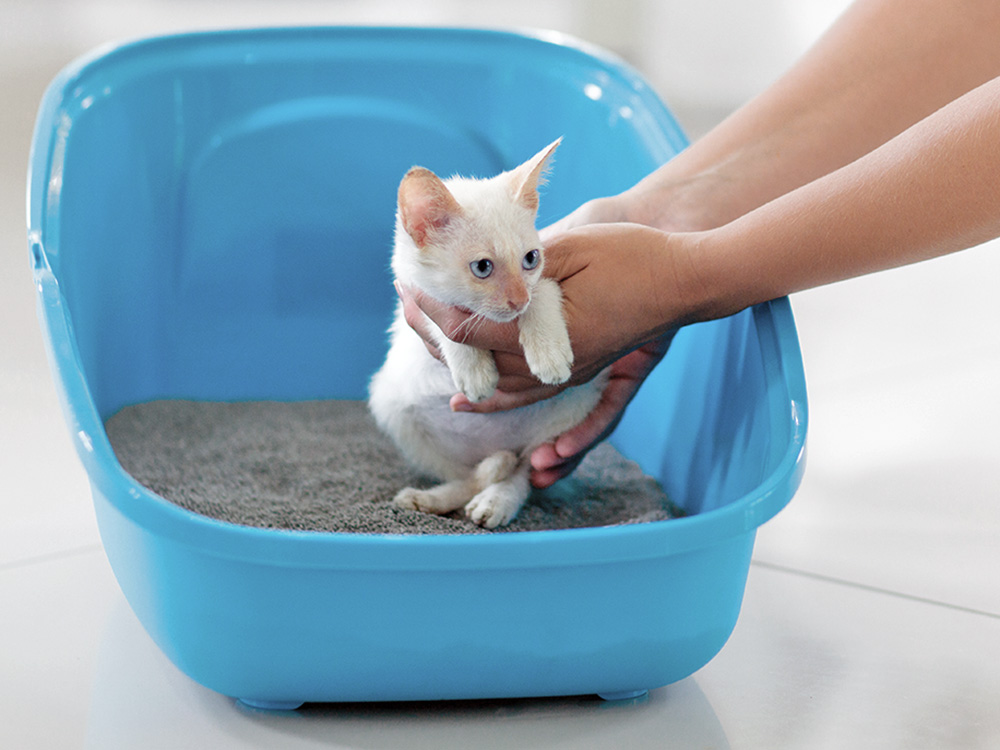
Place the kitten in the box after meals, after play sessions, and right when they wake up. Those are the natural go moments.
Positive Reinforcement
Whenever you see a tiny purrmission to finish business, give a gentle praise or a tiny treat. Cats love a good pat on the back well, metaphorically speaking.
How to Train an Older Cat to Use a Litter Tray
Gradual Confinement
Start by confining the cat to a small room with the box. Once theyre comfortable, slowly open up the space. This method, borrowed from many Reddit success stories, reduces the toobigworld anxiety.
Scent Introduction
Rubbing a usedlitter pad (or a dab of a safe attractant spray) on the new box lets the cat smell familiar territory.
Adjust Depth for Arthritis
Only a couple of inches of litter is enough for older joints. Too much digging can be a pain.
Training an Outdoor Cat to Use a Litter Box
Got a rescued mouser whos used to the garden? Start by placing the box in a quiet corner of the house, maybe near a sliding door they already like. A covered box can mimic a den, making the transition smoother.
Use CatAttract Litter + Pheromone Spray
The combination of a natural scent and a calming pheromone spray is often the secret ingredient that turns a skeptical outdoor cat into a boxloving indoor citizen.
How Long Does It Take to Litter Train a Kitten?
Typically, a kitten ages 812 weeks will master the basics in 24 weeks. If you start later, give it up to 6 weeks consistency beats speed.
Troubleshooting: My Cat Wont Use the Litter Box Tried Everything
Medical Check
Rule out UTIs, diabetes, or any painrelated issue first. A vet can do a quick urine test.
Cleanliness Audit
How often are you scooping? Daily scoops prevent odor buildup. Also, consider a second box in a different quiet spot.
Identify Stressors
New pet, moving homes, loud appliances anything that changes the cats routine can cause avoidance. Keep a calm environment and give extra love.
Spray to Encourage Cats to Use a Litter Tray
Two vetapproved sprays stand out:
| Spray | Pros | Cons |
|---|---|---|
| Feliway Classic | Calms anxiety, natural pheromone | Needs regular reapplication |
| PetSafe Cat Attract | Strong scent cats love | May be too strong for sensitive noses |
Apply a light mist on the litters surface after each cleaning. The scent fades quickly, so you wont overwhelm your feline friend.
How to Potty Train a Cat Without a Litter Box
Sometimes you simply cant (or dont want to) use a traditional box. Options include:
- Outdoor potty patches made of grass or sand.
- Training the cat to use a human toilet a tricky but doable method with a gradual ramp system.
- Designated peepee spots in a secure garden area, kept clean with a shallow tray of soil.
These alternatives work best for highly motivated cats and owners willing to commit to regular cleaning.
Choosing the Right Box & Litter
Box Size & Entry
Rule of thumb: the box should be at least oneandahalf times the length of your cat from nose to tail. Lowentry lids are a must for seniors or arthritic paws.
Litter Type Comparison
| Type | Pros | Cons |
|---|---|---|
| Clumping (unscented) | Easy to scoop, good odor control | Dusty for some cats |
| Nonclumping | Low dust, cheap | Harder to clean, less odor control |
| Scented | Mask smells | May deter sensitive cats |
| Catattract | Natural pheromones, high appeal | Usually pricier |
Placement Matrix
Quiet corner = best for shy cats. Hightraffic hallway = good for active kittens. Avoid locations near food and water bowls.
When to Call in the Professionals
Veterinary Red Flags
Blood in urine, frequent accidents, or sudden changes in bathroom habits merit a vet visit. A quick exam can save weeks of frustration.
Certified Animal Behaviorist
If youve tried the tricks above and still see cat wont use litter box tried everything, a behaviorist can design a tailored program, often shortening the training timeline dramatically.
RealWorld Stories
Case A: Rescue Senior Learns Fast
Emma adopted a 7yearold indoor cat named Milo who had never used a box. After switching to a lowentry model, using catattract litter, and giving Milo a private, quiet spot, she saw success within three weeks. I was skeptical, but patience paid off, Emma says.
Case B: ArthritisFriendly Box Saves the Day
Bobs 12yearold cat Luna had arthritis. The vet recommended a shallow, lowrim box and a dustfree, unscented litter. Within a week, Luna was back to consistent box use, and Bob stopped cleaning up surprise presents.
Case C: Outdoor Tomcat Turns Indoors
After catching a stray tomcat who roamed the backyard, Sarah placed a covered box near the side door, added a pheromone spray, and fed him only after he used the box. The transformation from nightly garden trips to indoor bathroom habits happened in just ten days.
Conclusion
So, is there ever a point where its truly too late to litter train a cat? The answer is a confident no. Age isnt the villain health, stress, and the right setup are. Start with a clean, appropriately sized box, choose a litter your cat actually likes, and move at a pace that respects their comfort level. If problems linger, a quick vet check or a chat with a certified behaviorist can clear the roadblocks.
Ready to give it a go? Try one of the quickstart tips today, and let us know how it works for you! Share your success (or your funny mishaps) in the comments, and if youve got questions, dont hesitate to ask. Happy training, and may your home stay fresh and furfriendly!
FAQs
Can an older cat learn to use a litter box?
Yes. With a low‑entry box, appropriate litter, and a health check, senior cats can often be trained successfully.
What health problems prevent cats from using the litter box?
UTIs, kidney disease, arthritis, and diabetes can cause pain or urgency, leading to accidents. A vet visit is essential.
How many litter boxes should I have for one cat?
Ideally two boxes – one per cat plus an extra – placed in quiet, accessible locations.
Does the type of litter affect training success?
Yes. Unscented clumping or cat‑attract litters are usually preferred; scented or dusty litters can deter some cats.
How long does it typically take to litter train a cat of any age?
Most cats adapt within 1–2 weeks with consistent placement and positive reinforcement, though seniors may need a few extra weeks.