Most cat owners think a bite or a hiss is just catstuff, but its actually a signal that somethings off. The good news? You can calm the aggression right now by spotting the trigger, tweaking the environment, and using a few proven behaviortips. Lets dive in together and get your furry friend back to being the sweet companion you love.
Grab a cup of tea, settle in, and lets explore why cats get angry, what kinds of aggression exist, andmost importantlyhow to stop aggressive behavior in cats without feeling like youre battling a tiny tiger.
Why Cats Aggress
Common Triggers of Sudden Aggression
First things first: aggression rarely appears out of thin air. Below is a quick checklist to help you pinpoint the cause.
- Medical issues pain from arthritis, dental disease, hyperthyroidism, or an ear infection can make a cat snap. A quick vet visit often clears this up.
- Fear or territorial stress new furniture, a moving truck, a baby, or another pet can feel like an invasion of personal space.
- Hormonal changes unspayed females in heat or intact males often show increased aggression. Spaying/neutering usually dulls this edge.
So, if youre wondering why is my cat being aggressive all of a sudden? walk through this list. One of these will probably be the culprit.
Female Cat Suddenly Aggressive
When a female cat flips from cuddly to clawsout, hormonal cycles are often to blame. Heat can make her extra protective of her territory or more irritable. If she isnt spayed, a simple surgical fix can turn the drama off. Even spayed females can experience postspay aggression if theres underlying pain, so a vet check is still wise.
Aggressive Cat Breeds?
Some breeds, like the Bengal or Siamese, are known for higher energy and stronger personalities, but that doesnt mean theyre destined to bite. Any cat, regardless of breed, can become aggressive when stressed or unwell. Remember: breed is just a backdrop; environment and health write the script.
Types of Aggression
Aggression Toward Humans
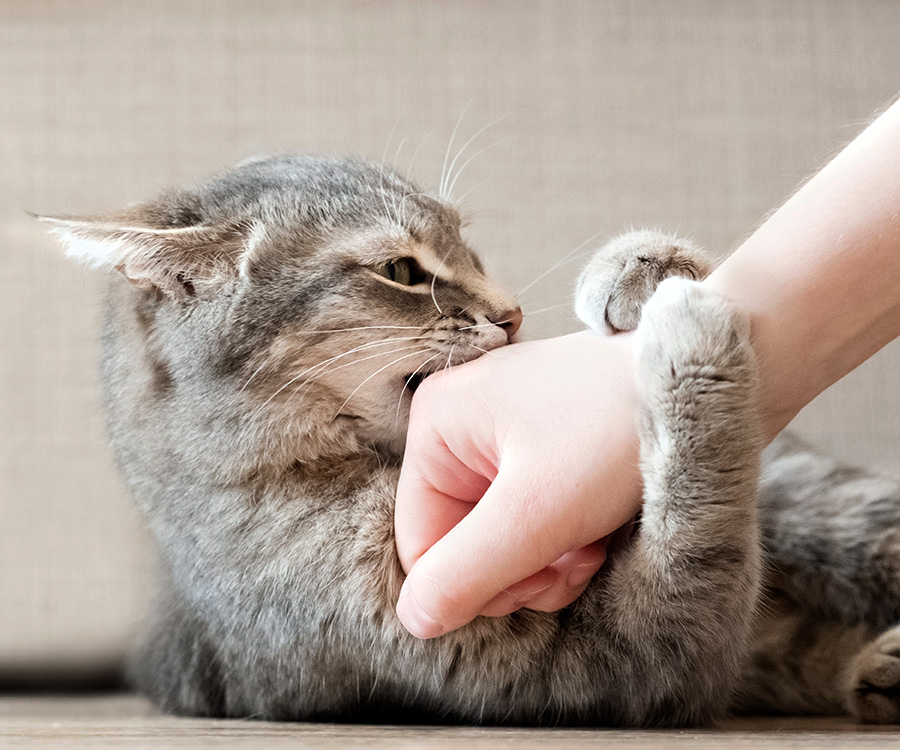
Ever felt a sudden nip while petting? That could be play aggression (overstimulation) or fear aggression (they felt threatened).
- Play aggression shows up when a cats pounce button is stucktail flicking, ears forward, quick bites during petting. The fix? Shorter petting sessions and redirection to toys.
- Fear aggression includes a low growl, arched back, and a swipe when they feel cornered. Give them space, and work on confidencebuilding treats.
If youve ever muttered, my cat viciously attacked me unprovoked, you were likely dealing with fear or pain. A vet exam should be first on the todo list.
Aggression Toward Other Cats
Households with multiple felines can feel like a tiny feline United Nations. There are two main flavors:
- Territorial aggression one cat guards the favorite sunny spot or the food bowl. Give each cat their own resources (multiple litter boxes, feeders, perches) to reduce competition.
- Redirected aggression a cat sees a bird outside, gets aroused, then snaps at the nearest cat. Calming the stimulus (window perch, blinds) helps.
Wondering how to deal with an aggressive cat towards other cats? Try a slow, scentswap reintroduction: swap bedding, let them sniff each others scent before facetoface meetings.
Natural Calming Ways
Environmental Tweaks
Creating a peaceful kingdom can work wonders.
- Safe spaces a cozy box or a high shelf gives a cat an escape route when they feel overwhelmed.
- Vertical territory cat trees and wall shelves let cats claim height, which reduces anxiety.
- Resource spacing place food bowls, water dishes, litter boxes, and toys far apart to avoid resource guarding.
BehaviorModification Techniques
Positive reinforcement is like catkissed gold.
- Treatbased training use small, tasty treats to reward calm behavior. For example, wait until the cats ears are relaxed before offering a morsel.
- Clicker training click the moment the cat shows a calm posture, then follow with a treat. Over time, the click becomes a be nice cue.
- Redirect play aggression keep wand toys handy. When you see the predatory stare, swing the wand instead of your hand.
Calming Supplements & Pheromones
Not all heroes wear capes; some wear spray bottles.
- Feline pheromone diffusers these mimic a mothers soothing scent and can ease tension, especially during moves.
- Natural supplements products with Ltheanine (like Zylkene) or herbal blends (valerian, chamomile) have some science backing their calming effect.
- When medication is needed if aggression is severe, a vet may prescribe antianxiety meds. Always let a professional guide dosage.
LongTerm Management
Routine Health Checks
A healthy cat is a chill cat. Schedule annual vet visits and keep an eye on weight, gums, and joint mobility. Early detection of pain stops aggression before it starts.
Consistent Schedule
Cats are creatures of habit. Feeding, play, and cleaning at the same times each day builds predictability, which reduces stress.
Socialization Strategies
Even adult cats can learn to get along. Use gradual introductions: start with scent swaps, then visual contact through a cracked door, and finally short supervised meetings.
When to Call a Pro
If youve tried everything and the aggression is still hotheaded, it might be time to bring in a certified cat behaviorist. Look for credentials from the International Association of Animal Behavior Consultants (IAABC) or similar to ensure expertise.
RealWorld Cases
Case 1: The New Kitten Chaos
Janes 7yearold male cat, Milo, started swatting at everyone after a new kitten arrived. She gave each cat separate feeding stations, added a tall cat tree, and used pheromone diffusers. After two weeks, Milos swats turned into gentle head bumps. The key? Space and a calm scent.
Case 2: Dental Pain to Calmness
Mikes female cat, Luna, began biting during petting. A veterinary exam revealed a painful tooth abscess. After a simple extraction and a short course of pain meds, Luna returned to her usual laploving self. This highlights why why is my cat being aggressive all of a sudden? often starts with a vet visit.
Case 3: Reddit Rescue
A thread on r/CatTraining shared a tale of a cat named Tiger who lunged at his brothers cat during play. The owner tried a short playstop routine: when Tigers ears flattened, she stopped the game and gave a treat for calm behavior. Over a month, Tigers aggression dropped by 80%. Real stories like this make the journey feel doable.
Quick Reference Toolkit
| Situation | Trigger | Immediate Action | LongTerm Fix |
|---|---|---|---|
| Humandirected bite | Overstimulation | Stop petting, give space, offer treat later | Shorter sessions, redirection to toys |
| Territorial flare with other cat | Resource shortage | Separate cats, reintroduce slowly | Multiple feeders, litter boxes, perches |
| Sudden aggression | Pain/illness | Vet exam ASAP | Regular health checks |
| Female cat suddenly aggressive | Heat cycle | Consider spaying, limit triggering stimuli | Spay/neuter, monitor hormonal health |
| General anxiety | Environmental changes | Provide safe hideaway, pheromone diffuser | Consistent routine, gradual introductions |
Conclusion
Aggression is a signal, not a flaw. By identifying the cause, adjusting the environment, and applying gentle, positive training, you can guide your cat back to calm companionship. Start with a quick health check, add one natural calming tip today, and watch the difference. Got a story or question? Share it in the commentslets help each other keep our whiskered friends happy and safe.
FAQs
What are the first steps to stop aggressive behavior in cats?
Begin with a veterinary check to rule out pain or illness, then identify triggers (e.g., overstimulation, fear) and adjust the environment accordingly.
How can I tell if my cat’s aggression is due to pain?
Look for signs such as limping, difficulty jumping, excessive grooming of a specific area, or aggression when touched in certain spots; a vet exam is essential.
Is play aggression different from fear aggression?
Yes—play aggression occurs during overstimulation (tail flicking, rapid bites) and is stopped by redirecting to toys, whereas fear aggression includes low growls, arched back, and a need for space.
Can pheromone diffusers really calm an aggressive cat?
Feline pheromone diffusers mimic a mother’s soothing scent and can reduce stress during moves, introductions, or other changes, helping lower aggression levels.
When should I consider hiring a professional behaviorist?
If aggression persists despite health checks, environmental changes, and training, a certified cat behaviorist can create a tailored behavior‑modification plan.