Choosing the right dry dog food is an essential step in keeping your furry friend healthy and happy. Dry dog food offers convenience, balanced nutrition, and helps support dental health when selected carefully. Understanding the ingredients, feeding amounts, and quality signals can guide you to the perfect choice for your dog‘s unique needs.
Benefits of Dry Dog Food
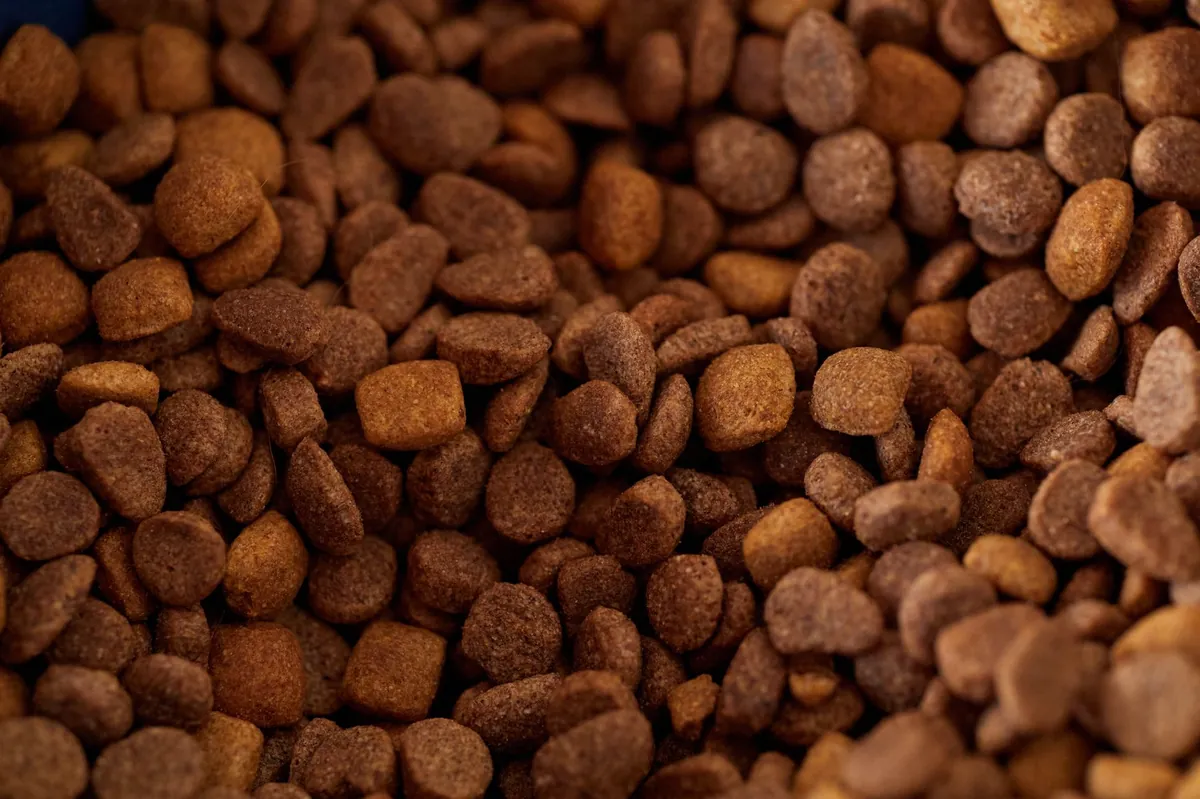
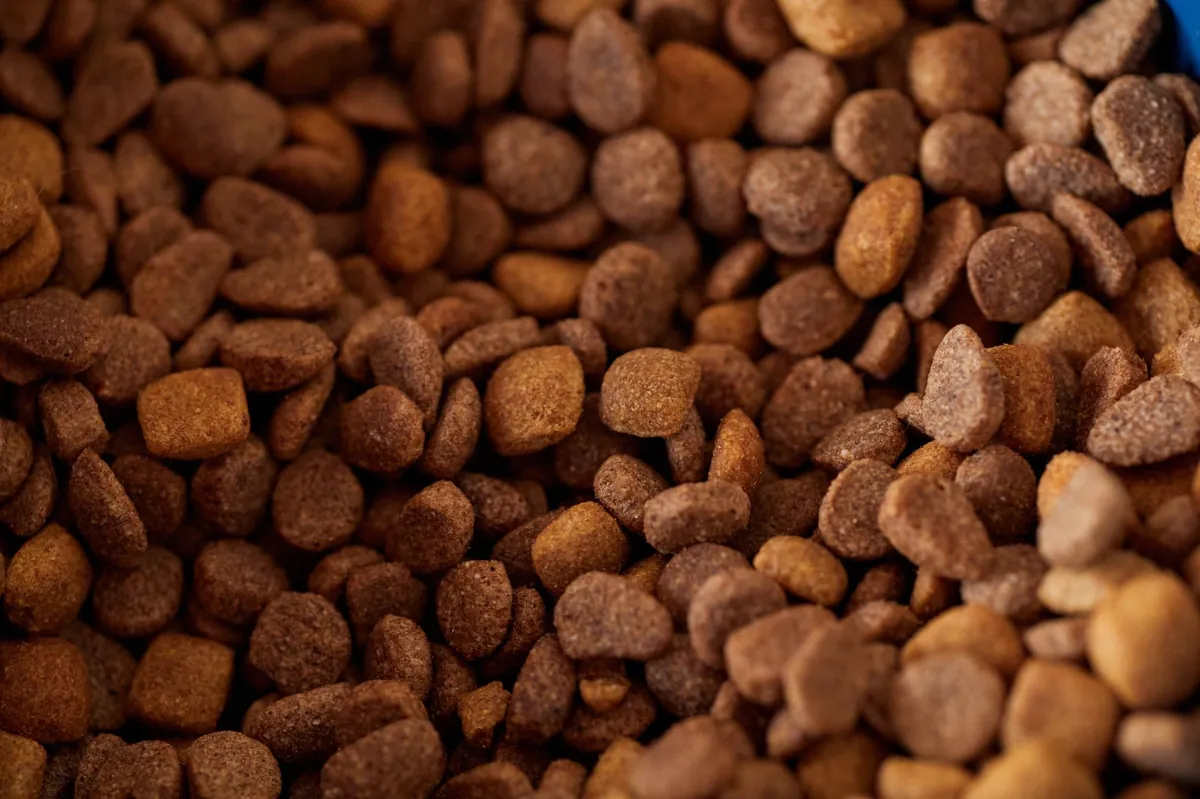
Dry dog food, also known as kibble, has become a staple diet for many dog owners due to its practicality and nutritional benefits. It typically contains a balanced blend of protein, fats, carbohydrates, vitamins, and minerals. Dog food manufacturers often design kibble formulas to meet the nutritional levels established by the AAFCO (Association of American Feed Control Officials), ensuring your dog receives what they need for energy, growth, and maintenance.
One of the notable advantages of dry dog food is its ability to promote dental health by reducing plaque and tartar build-up as your dog chews. Additionally, kibble usually has a longer shelf life and is easier to store and measure, which helps maintain consistent feeding routines.

What to Look For
To select a high-quality dry dog food, its important to understand the ingredient list and identify what benefits or risks each component may present. Start by looking for named animal proteins, like chicken, beef, or salmon as the first ingredient. These provide essential amino acids dogs need for muscle repair and energy.
Be cautious of excessive filler grains like corn, wheat, or soy, especially if your dog has sensitivities. Some dogs thrive on grain-free or limited ingredient diets, but always check with your vet before switching. Avoid dog foods containing harmful additives such as xylitol, onion powder, garlic, artificial colors, or excessive salt, all of which can be detrimental to your pets health according to the ASPCA.
Ignore marketing terms like premium, natural, or gourmet without validation through the ingredients or nutritional information. These can be misleading and dont guarantee quality. A good dry dog food will have a clear and transparent label that lists all ingredients plainly and guarantees nutritional adequacy.
| Suitable For (dog/cat/age) | Key Ingredients | Price Range | Feeding Amount | Ingredients to Avoid |
|---|---|---|---|---|
| Adult dogs (all breeds) | Chicken, brown rice, peas, fish oil | $3050 per 15 lbs | 2530g per kg body weight daily | Xylitol, onion, garlic, corn gluten |
| Puppies | Salmon, sweet potato, flaxseed, vitamins | $4060 per 15 lbs | 34 small meals daily, 60g per kg body weight | Artificial colors, excessive fillers |
| Seniors | Turkey, barley, antioxidants, glucosamine | $3555 per 15 lbs | 2025g per kg body weight daily | High fat, corn, soy |
Feeding Guidelines
Feeding dry dog food correctly depends on your pets weight, age, activity level, and health conditions. Puppies require more frequent mealstypically 34 small portions per dayto support rapid growth. Adults generally do well on two meals daily, while seniors might need slightly reduced portions adjusted to their metabolic rate and mobility.
For example, feed your adult dog roughly 2530 grams of dry food per kilogram of body weight daily, split between two meals. Monitor their weight and energy levels, and adjust accordingly. Always provide fresh water alongside dry food.
Storage is crucial to maintain freshness. Once opened, seal dry dog food tightly in an airtight container and keep it in a cool, dry place. Proper storage prevents rancidity and contamination from pests. Typically, opened kibble remains good for about 46 weeks if stored well.

Common Ingredients Explained
Named Animal Proteins
Look for specific animal proteins like chicken, lamb, beef, or fish at the top of the ingredient list. These provide essential amino acids that build muscle, support immune health, and maintain skin and coat quality.
Carbohydrates and Fibers
Sources like sweet potatoes, brown rice, barley, and oats supply energy and digestible fiber, aiding gut health and steady energy release. Excessive use of fillers such as corn or wheat gluten can sometimes cause allergies or digestive upset in sensitive dogs.
Fats and Oils
Healthy fats from fish oil or flaxseed contain omega-3 and omega-6 fatty acids. These contribute to a shiny coat, healthy skin, and reduce inflammation. Avoid dog foods with cheap saturated fats or excessive added preservatives.
Vitamins and Minerals
Complete dry dog foods include a mix of vitamins like A, D, E, and minerals such as calcium and phosphorus. These are critical for bone strength, eyesight, and metabolic functions.

Pro Tips for Buying Dry Dog Food
- Avoid the cheapest brands. Low-cost kibble often relies on fillers, artificial additives, or poor-quality proteins which can impact your dogs health long-term.
- Look for guaranteed analysis. A credible dog food label provides the minimum protein content, fat percentage, fiber, and moisture levels. This helps you compare brands more effectively.
- Vet recommendation matters. Consult your veterinarian who may suggest specific brands or formulations suited for your dogs breed, age, or any health issues.
- Rotate proteins when possible. Changing protein sources every few months, such as switching between chicken and fish formulas, can help minimize food sensitivities.
- Check batch recalls. Stay aware of recalls from trusted sources to avoid compromised products.
If you want to explore more about balanced nutrition, check out this detailed dog food guide to learn about wet versus dry food options and feeding tips.
Common Questions About Dry Dog Food
Is dry dog food safe for my dog?
Yes, dry dog food is safe when it meets AAFCO standards and is appropriate for your dogs age and health. Always choose high-quality brands with named ingredients, and avoid foods containing harmful additives like xylitol, onion, or garlic, which are toxic to dogs.
Can dogs with allergies eat dry dog food?
Dogs with allergies can often benefit from limited ingredient or hypoallergenic dry dog foods, which reduce exposure to common allergens like wheat, corn, or certain proteins. Always discuss dietary changes with your veterinarian before switching foods.
How often should I feed dry dog food to my puppy?
Puppies typically need 34 small meals daily to support growth. Follow feeding guidelines on the packaging but adjust amounts based on your vets advice to avoid overfeeding or undernutrition.
Can dry dog food help with dental health?
Yes, kibbles crunch can help reduce plaque buildup by mechanically scraping teeth. However, its not a substitute for regular dental care like brushing or professional cleanings recommended by veterinarians at the AVMA.
Are grain-free dry dog foods better?
Grain-free options can benefit dogs with grain sensitivities but arent necessary for all dogs. Some studies suggest potential links between grain-free diets and heart disease, so consult your vet before choosing grain-free formulas.
How should I store dry dog food?
Store kibble in an airtight container in a cool, dry place to preserve freshness and prevent mold, insect infestations, or rancidity. Avoid storing near heat sources or in direct sunlight.
What does complete and balanced mean on dog food labels?
Complete and balanced means the food supplies all necessary nutrients in the correct ratios for maintenance or growth, according to standards set by AAFCO. It indicates suitability for your dogs life stage when fed as the sole diet.
More You Might Like
If you care for cats, explore the Best cat food brands for kittens to support early growth. Interested in special diets? Learn more about Royal canin hypoallergenic cat food ingredients for sensitive pets.

Conclusion
Dry dog food can form a nutritious, convenient foundation for your pets diet when chosen thoughtfully. By reading labels carefully and selecting high-quality products with appropriate feeding amounts, you support your dogs energy, coat health, and overall wellbeing. Next time you buy food, take a moment to check the ingredients and feeding instructionsyour dog will thank you with a wagging tail and a healthy smile.
FAQs
Is dry dog food safe for my dog or cat?
Yes, dry dog food is safe when it meets AAFCO nutritional standards and is appropriate for your pet’s life stage. Choose high-quality brands with named ingredients and avoid those containing harmful additives like xylitol, onion, or garlic, which are toxic to pets.
How much dry dog food should I feed my dog daily?
Feeding amounts depend on your dog’s weight, age, and activity level. Generally, adult dogs need between 25-30 grams of dry food per kilogram of body weight daily, split into two meals. Puppies require smaller, more frequent meals, about 3-4 times daily to support growth.
What are signs that dry dog food isn’t agreeing with my pet?
Watch for symptoms like vomiting, diarrhea, itching, excessive licking, or poor coat condition. These may indicate allergies or food sensitivities. Consult your veterinarian if these signs persist after switching foods.
How does dry dog food compare to wet dog food?
Dry dog food is convenient, promotes dental health, and has a longer shelf life. Wet food offers higher moisture content which can aid hydration. Both can be nutritious if chosen properly, but dry food provides easier portion control and storage advantages.
When should I consult a vet about my dog’s diet?
If your dog shows persistent digestive issues, sudden weight changes, allergies, or health problems related to diet, consult your veterinarian. They can recommend the best food type and formula tailored to your dog’s specific needs.