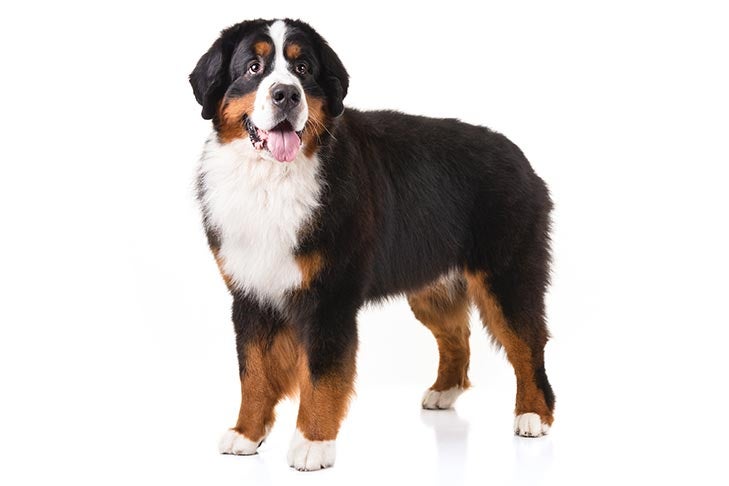
Bernese Mountain Dogs are famous for their calm, affectionate, and peopleoriented temperament think gentle giants who adore families and especially kids.
Theyre generally friendly, but they can be a bit wary of strangers and need proper socialisation with other dogs. Knowing these traits up front helps you raise a happy, wellbehaved Berner.
Overall Temperament
What makes the Berneses temperament unique?
When you first meet a Bernese, youll notice a sweet, laidback vibe. Theyre loyal, eager to please, and love being close to their humans. The breed standard describes them as gentle, affectionate, and never aggressive, which is why theyre often called the perfect family companion.
Key personality traits
- Gentle theyre careful around children and tend to have a soft mouth.
- Loyal they form strong bonds with one person, often following that person around the house.
- Eager to please training is usually a breeze when you use positive reinforcement.
- Calm theyre not highenergy jumpers; a short walk often satisfies them.
Historys impact on behaviour
Their origins as Swiss farm workers mean theyre used to helping with chores and staying close to people. That background gives them a natural drive to be useful and cooperative, translating today into a desire to be part of the family team.
Family Compatibility
Are Berners good with kids?
Absolutely! Most owners describe their Bernese as the ultimate kidfriendly dog. Because of their gentle mouth, theyre unlikely to nip, even when playing roughly. Still, supervision with toddlers is wisebig dogs can accidentally knock over a small child.
Realworld anecdotes
On Reddits r/bernesemountaindogs, one user shared how her threeyearold son fell asleep with the dogs head on his chest, while another mentioned their Bernese patiently waited while the kids built a LEGO castle. Those stories highlight the breeds natural patience.
Do they show a favorite person bias?
Yes, many Berners develop a special attachment to one family memberoften the person who feeds them or spends the most time on walks. This isnt a flaw; its just part of their personality. The other family members can still enjoy a strong bond, especially when they join in training sessions and playtime.
Other Dogs
How do Berners get along with other dogs?
Bernese Mountain Dogs are generally sociable, but a few things can affect harmony:
- Maletomale tension two intact males may vie for dominance.
- Size differences a tiny terrier might feel intimidated by a giant Berner.
- Early socialisation puppies that meet other dogs at a neutral site tend to be friendlier.
Socialisation checklist
| Step | When | What to Do |
|---|---|---|
| Neutralsite introductions | 812 weeks | Arrange playdates at a dog park. |
| Obedience class | 1216 weeks | Enroll in a basic puppy kindergarten. |
| Gradual home integration | After 4 months | Introduce a new dog while the resident Berner is relaxed. |
Tips for multidog homes
Start slow, keep treats handy, and watch body language. If a growl appears, separate them and try a calmer environment later. A calm, consistent approach usually leads to a peaceful pack.
Training Tips
Are Berners easy to train?
Yes, but with a gentle nudge. Their intelligence is mediumhigh, and they love pleasing youespecially when you reward with tasty treats or praise. Clicker training works wonders because it gives clear, immediate feedback.
Recommended methods
- Positive reinforcement praise, treats, play.
- Clicker training associate the click with a reward.
- Consistency short, frequent sessions keep their attention.
Common behavioural challenges
Even the sweetest Berner can have a few quirks:
- Leash pulling they love to explore, so a frontclip harness helps.
- Stubbornness sometimes theyll pause for a thinking moment. Patience is key.
- Separation anxiety they thrive on companionship, so gradual alonetime training is essential.
Troubleshooting guide
When the dog refuses a command, ask yourself: Is the reward valuable enough? Is the environment too distracting? Adjust accordingly, and youll see progress.
Pros and Cons
Top benefits
Bernese Mountain Dogs bring a bundle of joys:
- Gentle with families and kids.
- Protective without being aggressive.
- Lowtomoderate exercise needs a daily walk and some playtime usually suffice.
- Beautiful tricolour coat that turns heads wherever you go.
Potential downsides
| Pros | Cons |
|---|---|
| Calm, affectionate | Heavy seasonal shedding (see Shedding below) |
| Great with children | Large size requires space and sturdy flooring |
| Loyal and protective | Health issues can affect mood (hip dysplasia, cancer) |
| Easy to train | Short lifespan compared to smaller breeds |
Health Influences
Does weight affect behaviour?
Yes. An adult male typically weighs 85115lb, while females are a bit lighter. Overweight Berners can become irritable, sluggish, and prone to joint pain, which may manifest as snapping or growling when theyre uncomfortable. Keeping them at a healthy weight with regular exercise and a balanced diet keeps their mood sunny.
Lifespan and temperament
Bernese Mountain Dogs live approximately Bernese mountain dog lifespan of 710years. As they age, they may become quieter and prefer a cozy couch to a vigorous romp. Understanding this natural shift helps you adapt activities and expectations.
Shedding and grooming impact
These dogs shed like a heavyweight champion during spring and fall. Regular brushing (at least twice a week) not only reduces hair around the house but also serves as a bonding ritual that calms the dog. A tidy coat often translates into a calmer temperament.
Cost of ownership
Before you adopt, consider the financial side. A Bernese mountain dog price can range from $1,200 to $4,000 for a reputable breeder, while rescue fees are typically lower. Ongoing expensesvet visits, quality food, grooming toolsalso add up, and financial stress can affect the dogs wellbeing.
Common Questions
Is the Bernese Mountain Dog good for firsttime owners?
Theyre fairly forgiving, but firsttime owners should be prepared for their size, grooming needs, and potential health issues. Enrolling in basic obedience classes and reading reputable guides (like our bernese mountain dog overview) helps build confidence.
How much exercise does a Berner need daily?
About 3060 minutes of moderate activitythink a brisk walk, a gentle hike, or an interactive game of fetch. Theyre not the hyperactive type, so a short jog or a play session with a ball usually satisfies them.
Can a Bernese live in an apartment?
Yes, if you commit to daily walks and mental stimulation. Their calm demeanor makes them adaptable, but youll need space for a large dog to stretch out and a schedule to prevent boredom.
Whats the best way to introduce a Bernese to a new baby?
Start with scent swappinglet the dog sniff a blanket that carries the babys scent. Then, introduce them in a controlled setting, rewarding calm behavior with treats. Gradual exposure builds a protective, gentle bond.
Where can I find a reputable Bernese for sale?
Look for breeders who perform health screenings, provide puppy socialisation, and are transparent about lineage. Our Bernese mountain dog puppy guide lists questions to ask and red flags to watch.
Owner Stories
Raising a Bernese from puppy to senior
Emily adopted a twomonthold Bernese named Moose. She started socialising him at eight weeks through puppy class, introduced him to a neighbors Labrador at a park, and kept a grooming schedule. By age three, Moose was an obedient companion who calmly tolerated visits from friends and kids. When he turned eight, Emily noticed he preferred short strolls and more nap time, reflecting the typical lifespanrelated temperament shift.
Expert insight Veterinarian on healthbehaviour link
Dr. Patel, a canine specialist, explains that hip dysplasia can cause a Bernese to become grumpy because moving becomes painful. Early detection and weight management reduce this risk, keeping the dogs temperament sunny.
Reddit poll highlights
In a recent poll on r/bernesemountaindogs, 78% of owners rated gentle with children as their top positive attribute, while 22% mentioned heavy shedding as a challenge. These realworld stats underline the need for balanced expectations.
Bottom Line Checklist for Prospective Owners
- Gentle, loyal, peopleoriented temperament.
- Great with kids; supervise with toddlers.
- Generally friendly with other dogsearly socialisation is key.
- Positivereinforcement training works best.
- Pros: calm, protective, easy to train.
- Cons: heavy shedding, large size, health concerns.
- Maintain healthy weight to keep mood steady.
- Expect a 710year lifespan; plan for senior care.
- Budget for initial price, grooming, vet visits.
- Use reputable breeders or rescues; check health clearances.
Bernese Mountain Dogs are truly a bundle of love wrapped in a fluffy coat. If youre ready for a loyal, gentle companion and can meet their grooming and health needs, theyll reward you with endless snuggles and a heartwarming presence.
Whats your experience with Berners? Share your stories in the comments below, and if you have any questions about temperament, training, or finding the perfect puppy, feel free to ask Im here to help!
FAQs
What makes a Bernese Mountain Dog’s temperament unique?
They are gentle giants with a calm, affectionate nature, loyal to their family and eager to please, making them ideal companions.
Are Bernese Mountain Dogs good with children?
Yes. Their soft mouth and patient disposition make them one of the most kid‑friendly breeds, though supervision with toddlers is always recommended.
How do Berners get along with other dogs?
Generally sociable, they thrive with early socialisation; intact males may need extra management to avoid dominance issues.
What training methods work best for this breed?
Positive‑reinforcement techniques such as clicker training and short, consistent sessions are most effective.
Can a Bernese live happily in an apartment?
Yes, provided they receive daily walks and mental stimulation; their low‑energy nature adapts well to smaller living spaces.