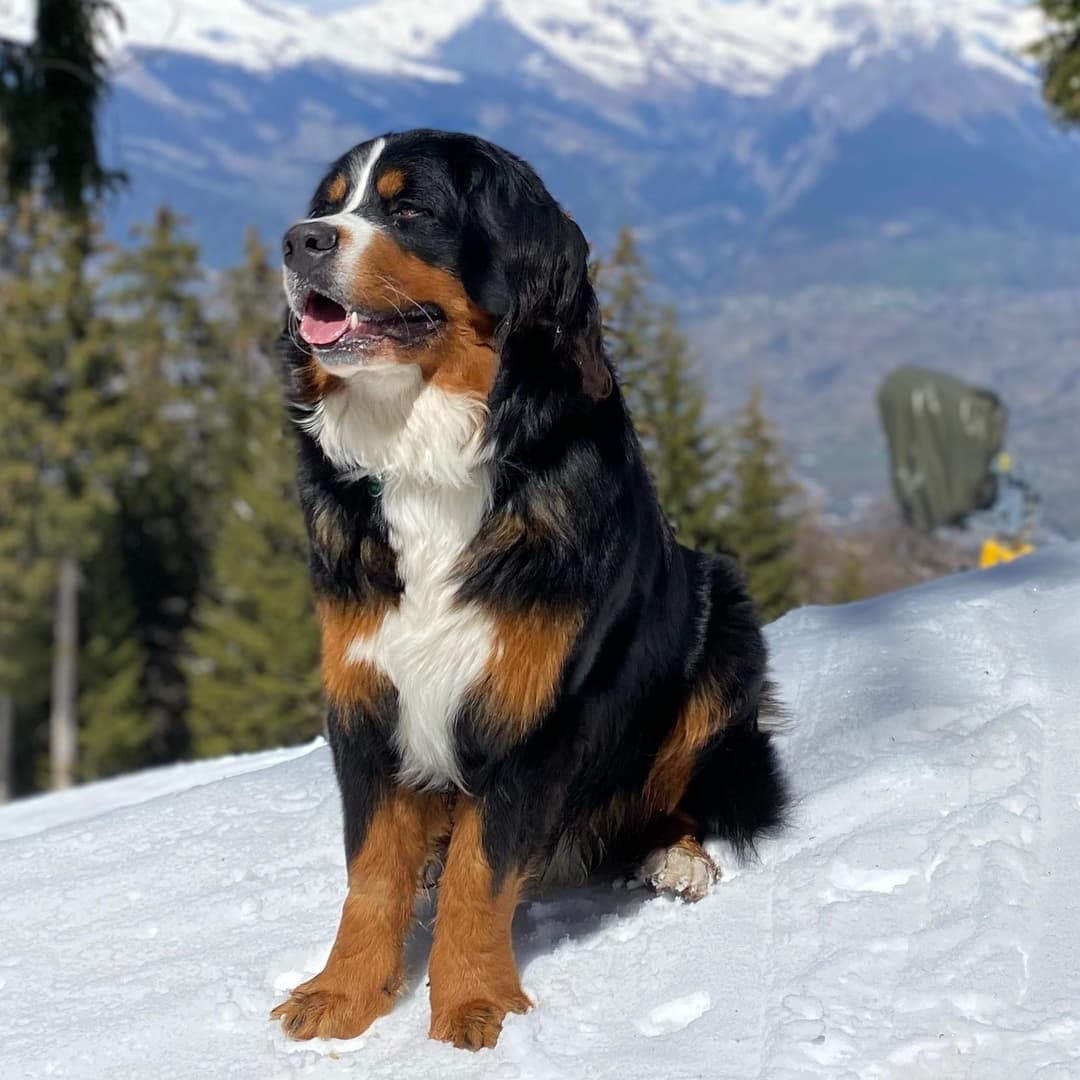
Thinking about adding a big, gentle soul to your family? A Bernese Mountain Dog might just be the perfect match a fluffy bear that loves cuddles, thrives on companionship, and never asks for much beyond love and a good walk. Below youll find everything you need to know, from puppyhood quirks to adult health, cost, and how to find a reputable breeder.
Breed Overview
What makes the Bernese Mountain Dog unique?
Originating from the Swiss Alps, Berners were bred to pull carts and guard farms. Today, their sturdy frame, tricolor coat (black, white, rust), and sweet disposition set them apart. Theyre known for being calm, loyal, and surprisingly adaptable to city lifeif you give them space to stretch.
Key Characteristics
| Trait | Description |
|---|---|
| Origin | Swiss Alps, working farm dog |
| Size | Male: 2527.5in (6370cm); Female: 2326in (5866cm) |
| Weight | Male: 80115lb (3652kg); Female: 7095lb (3243kg) |
| Life Expectancy | 710years |
| Coat | Long, silky, doublelayer |
Puppy Care
How to raise a healthy Bernese Mountain Dog puppy?
Bernese puppies are curious, love to chew, and need early socialisation. Start with a safe, puppyproofed area, and introduce them to different people, sounds, and other pets by the age of 8weeks. Consistent, positive training (think treatbased rewards) builds confidence and prevents the bigdogbully behaviour some owners report.
FirstMonth Checklist
- Vet visit for vaccinations and deworming.
- Introduce a highquality puppy food formulated for large breeds.
- Begin biteinhibition games short, gentle play sessions.
- Brush the coat daily to get them used to grooming.
For more tips on choosing a pup that fits a busy lifestyle, check out Best apartment dogs for full-time workers.
Health & Lifespan
What health issues should owners anticipate?
Like many giant breeds, Berners are prone to hip dysplasia, elbow dysplasia, and certain cancers (especially mast cell tumors). Regular vet checkups, a balanced diet, and maintaining a healthy weight can delay or lessen many of these problems.
Longevity Tips
- Feed a diet rich in omega3 fatty acids to support joint health.
- Provide lowimpact exercise long walks, swimming, and gentle play.
- Schedule annual screening for orthopedic issues.
- Consider bonehealth supplements after consulting your vet.
The average Bernese Mountain Dog lifespan ranges from 7 to 10years. While that may seem short, a wellcaredfor Bernese can fill those years with endless affection and unforgettable memories.
Temperament Traits
Are Bernese Mountain Dogs good family pets?
Absolutely. Their calm, patient nature makes them excellent companions for children and seniors alike. They crave human interactionif youre away all day, a Bernese can become lonely, resulting in separation anxiety. Pairing them with another dog or a petfriendly environment helps.
Temperament Snapshot
- Gentle giant: Not aggressive, but protective of loved ones.
- Social: Thrives with family involvement; loves to sit on the lap despite size.
- Intelligent yet laidback: Learns fast but prefers a relaxed pace.
Curious about how Berners compare to other popular breeds? Dive into the Top 10 most popular dog breeds guide for a quick snapshot.
Size & Weight
How big does a Bernese Mountain Dog get?
Male Berners can tower up to 27.5inches at the shoulder and weigh as much as 115lb, while females are slightly smaller. Their substantial build means youll need sturdy flooring, a spacious home, and a sturdy leash for walks.
Space Requirements
Even though they adapt to city life, a Bernese benefits from a fenced yard where they can stretch out. If you live in an apartment, ensure the building allows dogs of this size and commit to at least two daily walks of 3045minutes each.
Cost & Pricing
What is the typical price of a Bernese Mountain Dog?
Price varies by region, breeder reputation, and lineage. Expect to spend $1,800$3,500 for a wellsocialised, healthscreened puppy. Remember to budget for ongoing costs: food (largebreed formulas), grooming, veterinary care, and pet insurance.
Budget Breakdown
| Expense | Annual Approx. |
|---|---|
| Food | $800$1,200 |
| Vet & Vaccines | $600$900 |
| Grooming | $400$600 |
| Insurance | $300$500 |
Finding a Bernese
Where can I locate a Bernese Mountain Dog for sale?
Start by researching reputable breeders who healthtest for hip, elbow, and cancer. Ask for recent health clearances and visit the facility to see how puppies are raised. Rescue organisations also have adult Berners needing homes; adopting can be a rewarding option.
Helpful Resources
Looking for a local match? Try searching Bernese Mountain Dog near me on trusted kennel club listings or reputable rescue groups. For international adopters, the Dog adoption in europe guide offers insight on regulations and transport.
Living with a Giant
What daily routines keep a Bernese happy?
These dogs love structured days. A morning walk, a midday play session (fetch, gentle tug), and an evening cuddle are key. They enjoy cooler weather, so in hot climates provide shade, water, and limit exercise to early mornings or evenings.
Seasonal Care Tips
- Winter: Their double coat protects them, but avoid prolonged exposure to freezing temperatures.
- Summer: Brush daily to prevent matting, and consider a cooling vest on particularly hot days.
Because their coat sheds heavily, regular brushing (23 times weekly) and occasional professional grooming keep them tidy. If shedding is a concern, compare Berners to other lowshedding breeds via the Hypoallergenic dog breeds list though note, no giant truly qualifies as hypoallergenic.
Balancing Benefits & Risks
How to weigh pros and cons before adoption?
Benefits: Loyal companionship, gentle temperament, stunning looks, great with kids. Risks: Shorter lifespan, higher healthcare costs, large space needs, heavy shedding.
Take time to assess your lifestyle, budget, and living situation. Talk to current Bernese owners, visit a breeder, and perhaps foster a dog for a few weeks. A thoughtful decision ensures a happy partnership for both you and your future furry friend.
Conclusion
Choosing a Bernese Mountain Dog means inviting a bighearted, affectionate companion into your home. From puppy antics to senior snuggles, they offer a blend of beauty, loyalty, and gentle humor that brightens everyday life. Keep their health, size, and social needs in mind, budget for the inevitable costs, and youll find that the love they return far outweighs the challenges. Ready to meet your future buddy? Start exploring reputable breeders or rescue groups today, and let the adventure begin.
FAQs
What makes the Bernese Mountain Dog a good family pet?
Berners are gentle giants with a calm, patient nature. They get along well with children and seniors, love human interaction, and are protective without being aggressive.
How much exercise does a Bernese Mountain Dog need?
They thrive on daily walks of 30‑45 minutes, plus moderate play. Low‑impact activities like swimming are ideal to protect their growing joints.
What are the common health issues for Bernese Mountain Dogs?
Hip and elbow dysplasia, mast cell tumors, and other cancers are prevalent. Regular vet check‑ups, a balanced diet, and weight control help reduce risks.
When should I start training my Bernese puppy?
Begin socialisation and basic obedience by 8 weeks old. Use positive, treat‑based methods and keep sessions short to match their attention span.
What are the typical costs of owning a Bernese Mountain Dog?
Initial purchase price ranges from $1,800‑$3,500. Ongoing yearly expenses include $800‑$1,200 for food, $600‑$900 for veterinary care, $400‑$600 for grooming, and $300‑$500 for insurance.