Ever wondered why so many pet owners are ditching raw diets? In short, gut issues, illness, and plain dislike from the pet are the biggest culprits.
Below we break down those three reasons, back them up with data, and show you safer, balanced feeding options no fluff, just what you need to decide for your furry friend.
Top 3 Reasons
Intolerance & Gastrointestinal Problems
When I first switched to a raw diet, I was thrilled to see my dog chase after pieces of meat like a squirrel after a nut. But after a week or two, the excitement turned into frantic trips to the backyard for... well, you know what. Chronic diarrhea and occasional vomiting became the new normal. It wasnt just my anecdote; a 2024 MDPI study found that3740% of rawfeeders reported persistent gastrointestinal upset.
Reddit threads titled why i stopped feeding raw reddit are filled with similar stories: owners describing watery stools, sudden fever spikes, and a desperate scramble for vet appointments. The common thread? A gut that simply didnt tolerate the raw protein load.
How can you spot intolerance early? Keep an eye on:
- Changes in stool consistency (loose, mushy, or foulsmelling)
- Frequent vomiting or regurgitation
- Lethargy after meals
- Loss of appetite despite offering fresh meat
If you notice two or more of these signs, its a red flag that raw might not be the right fit for your pet.
Onset of Disease or Health Decline
The raw diet myth often whispers, Its natural, so it cant hurt. Unfortunately, nature isnt always kind when pathogens sneak in. Recent headlines (National Geographic, 2025) linked a feline birdflu outbreak directly to contaminated raw cat food. Dogs arent exempt eitherSalmonella andE.colicontamination rates are higher in raw meat than in cooked kibble.
Veterinarians have documented cases where raw diets aggravated existing conditions. For example, a kidneyfriendly dog with earlystage renal disease saw a rapid decline after switching to a raw regimen that lacked proper calciumphosphorus balance. Peerreviewed research (PMC, 2019) emphasizes that raw meals often miss essential vitamins and minerals, creating nutritional gaps that can accelerate disease.
Key health issues that should make you think twice before feeding raw include:
- Diabetes (raw carbs can spike blood sugar)
- Heart disease (excessive fat intake)
- Liver or kidney disease (imbalanced minerals)
- Any immunecompromised condition (higher infection risk)
If your pet already carries a diagnosis, a raw diet is rarely the safest route.
Pets Lack of Interest / Palatability
Not every dog or cat is a carnivore enthusiast. A recent survey from PetFoodIndustry.com reported that15% of owners quit raw feeding simply because their pets wont eat it. Some breeds, like the French Bulldog, have a softer palate and may prefer the texture of kibble or wet food. Others may be put off by the smell of uncooked meat.
Watch for behavioral cues: turning their head away, sniffing then walking away, or only nibbling a few bites before losing interest. When this happens, forcing a raw diet can cause stress for both you and your petdefinitely not the nurturing environment we aim for.
When you notice your animal ignoring the raw plate, its time to explore other feeding strategies that keep them happy and healthy.
Risks of Raw Feeding
Microbial Contamination & Human Health
Raw meat can be a breeding ground for harmful bacteria. The same pathogen that makes your dog sick can jump to youespecially if youre handling the food without proper hygiene. Remember the recent birdflu case linked to a cats raw diet? Thats a real reminder that raw isnt just a pet problem; its a household concern.
Safehandling guidelines are essential:
- Freeze meat for at least 48hours before serving to reduce parasites.
- Use separate cutting boards and knives for raw pet food.
- Wash hands thoroughly with soap for at least 20 seconds after handling.
- Sanitize countertops and bowls with a dilute bleach solution.
Nutritional Imbalance
Raw feeding often looks simplejust meat, maybe some bone, a splash of oil. Yet, the complete and balanced claim is frequently missing. Vets who support raw (when done correctly) stress the importance of supplementation.
Common deficiencies include:
- Calciumphosphorus ratio (too much meat, not enough bone)
- Omega3 to omega6 fatty acid balance (raw can be heavy on omega6)
- Vitamins D, E, and Bcomplex, which may be lost during freezing or not present in sufficient amounts.
Without precise formulation, your pet may develop skeletal issues, skin problems, or even heart complications over time.
Cost, Convenience, and Environmental Impact
Raw feeding isnt cheap. Buying highquality meat, bone, and supplements can easily outpace the cost of premium commercial foods. Add to that the time spent prepping, freezing, and cleaning up, and you have a fulltime job on top of pet care.
Environmental concerns also surface. The demand for large quantities of meat contributes to a larger carbon footprint, and sourcing from unsustainable farms can affect ecosystems far beyond your kitchen.
Expert & Community Voices
Veterinarians Who Support Raw (When Its Done Right)
A handful of vets do advocate raw, but only under strict conditions: a vetted supplier, a balanced recipe designed by a veterinary nutritionist, and regular blood work to monitor health. Below are a few clinics (you can Google vets that support raw feeding for the latest list) that offer such services.
They typically approve raw for healthy adult dogs with no underlying conditions, insisting on:
- Bonein meat sourced from USDAapproved farms
- Supplementation with calcium, vitaminD, and essential fatty acids
- Monthly health checks
Reddit & Owner Testimonials
Scrolling through why i stopped feeding raw reddit threads reveals a pattern:
- Initial excitement rapid onset of GI issues
- Hopeful research discovery of contamination reports
- Decision to switch noticeable improvement in energy and stool quality
One particularly striking post titled raw diet killed my dog reddit detailed a heartbreaking scenario where a beloved Labrador succumbed to septicemia after a contaminated meat batch. While tragic, it underscores the importance of caution and vet involvement.
Scientific Studies & Data Sources
If you crave the hard data, check out these studies:
- MDPI 2024 Prevalence of Gastrointestinal Issues in RawFed Dogs (provides the 3740% statistic mentioned earlier).
- PMC 2019 Pathogen Risks in HomePrepared Raw Diets (details bacterial contamination rates).
- National Geographic 2025 Raw Food and Zoonotic Diseases (explains crossspecies infection risks).
Balanced Alternatives: Feeding After Quitting Raw
Cooked HomeMade Diets
If you love the idea of controlling every ingredient, cooking at home is a solid middle ground. A basic recipe framework looks like this:
- Protein: 4050% cooked chicken, turkey, or lean beef (no skin).
- Vegetables: 3040% steamed carrots, green beans, and pumpkin (pureed for easier digestion).
- Supplements: A veterinaryapproved blend of calcium powder, fish oil, and a multivitamin.
There are free online nutrient calculators that let you input ingredients and see if you meet AAFCO standards. Always run the final formula by a vet to avoid hidden gaps.
HighQuality Commercial Dog Food
Premium kibble or canned food isnt the enemyits often the most reliable way to ensure a balanced diet. Look for the AAFCO statement on the label, and check the ingredient list for real meat first, minimal fillers, and added probiotics.
For a deeper dive into commercial options, read our guide on raw diet for dogs pros and cons. It compares the benefits and drawbacks of raw versus highquality commercial meals, helping you decide which fits your lifestyle and your pets health.
Hybrid Approaches (Cooked + FreezeDried)
Freezedried rawstyle meals combine the convenience of kibble with the texture of raw. Theyre prebalanced, lowrisk for pathogens (because theyre flashfrozen), and can be rehydrated quickly.
A typical transition plan:
- Week1: 75% commercial kibble, 25% freezedried.
- Week2: 50% kibble, 50% freezedried.
- Week3: 25% kibble, 75% freezedried.
- Week4: 100% freezedried (if your pet loves it).
Monitor stool and energy; adjust the ratio if you see any regression.
Practical FAQ Quick Answers for Readers
| Question | Answer |
|---|---|
| Why did my dog get diarrhea on raw? | Likely an intolerance to raw protein or a bacterial contamination; see Intolerance & Gastrointestinal Problems. |
| Can raw ever be safe? | Yes, if sourced from reputable suppliers, handled with strict hygiene, and tailored by a vet nutritionist (see Veterinarians Who Support Raw). |
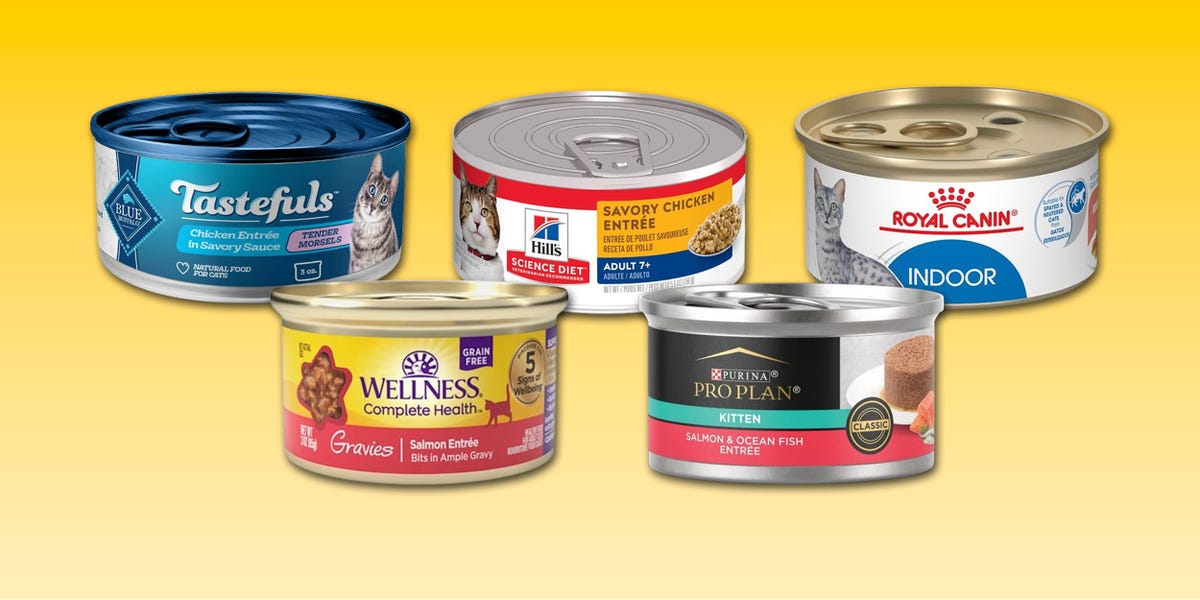
| Is raw better for cats? | Cats are obligate carnivores, but raw still carries pathogen risks; consider a balanced commercial diet or Best natural cat food. |
| Whats the biggest mistake owners make? | Assuming raw = natural without balancing nutrients and safety protocols; see Nutritional Imbalance. |
| How fast should I transition away from raw? | Over 710days, gradually increasing cooked or commercial food while monitoring stool and energy (see Hybrid Approaches). |
Conclusion
Stopping raw feeding isnt a trendits a response to real, documented health problems, palatability issues, and safety concerns. By understanding the three primary reasonsintolerance, disease, and lack of interestyou can make an informed decision that protects your pets wellbeing. Whether you switch to a cooked homemade diet, a highquality commercial kibble, or a hybrid freezedried solution, the key is balance, proper nutrition, and vet guidance. Share your experience in the comments, ask a vet for a personalized plan, and help other owners navigate the rawfeeding dilemma with confidence.
FAQs
What are the most common signs that my pet can’t tolerate a raw diet?
Typical red‑flags include frequent loose or smelly stools, vomiting or regurgitation, lethargy after meals, and a sudden loss of appetite despite fresh meat being offered. Spotting two or more of these symptoms usually means raw isn’t a good fit.
Can feeding raw actually cause serious diseases in dogs or cats?
Yes. Raw meat often carries Salmonella, E. coli and other pathogens that can lead to gastrointestinal illness, septicemia, or even zoonotic infections that affect humans in the household. Studies from 2019‑2024 show significantly higher contamination rates in raw pet foods versus cooked kibble.
Is it ever safe to feed raw if I buy from a reputable supplier?
Raw can be made safer when sourced from USDA‑approved farms, frozen for at least 48 hours, and handled with strict hygiene (separate cutting boards, hand washing, sanitizing surfaces). Even then, regular veterinary blood work and balanced supplementation are essential.
What balanced feeding options are available after quitting raw?
You can switch to home‑cooked meals using a vetted recipe (lean protein 40‑50 %, cooked vegetables 30‑40 %, plus calcium and vitamin supplements), high‑quality commercial kibble that meets AAFCO standards, or freeze‑dried “raw‑style” meals that are pre‑balanced and low‑risk for pathogens.
How should I transition my pet away from a raw diet?
Gradually replace raw food over 7‑10 days: start with 75 % commercial kibble + 25 % freeze‑dried, then 50/50, then 25/75, and finally 100 % alternative diet. Monitor stool quality and energy levels, adjusting the mix if any regression occurs.