Choosing the right wet Purina cat food can feel overwhelming with so many options on the market. But understanding key details about ingredients, feeding, and safety helps you pick the best for your cats health and happiness. Wet Purina cat food offers hydration and high-quality protein that many cats enjoy, but knowing how to read labels and which product lines fit your cats needs is essential.
Why Choose Wet Food?
Benefits of Wet Cat Food
Wet cat food has several advantages, especially for cats who need extra hydration. Its high moisture content supports urinary tract health, which many dry-food-fed cats struggle with. Wet food also tends to be easier to chew, perfect for seniors or cats with dental issues. Additionally, wet food usually contains higher protein density helping to maintain lean muscle mass.
When deciding on wet Purina cat food, remember the benefits extend beyond just hydrationtexture and flavor variety often encourage picky eaters to enjoy mealtime more.
Why Purinas Wet Food Stands Out
Purinas wet food formulas use real-meat ingredients like chicken, turkey, and tuna, avoiding cheap fillers that offer little nutrition. The company offers various texturessoft pts, chopped in gravy, and flaked varietiesthat mimic natural meals and suit different palates.
According to Purina, many recipes include balanced vitamins and minerals developed with veterinary nutritionists. The brands transparency in ingredient sourcing adds to its trustworthiness for many cat owners.
Quick Facts About Wet Purina Cat Food
- Average moisture content: 7882% per can
- Typical calorie count: 70100 kcal per 3 oz can
- Popular flavors: Chicken & Liver Pt, Turkey & Salmon, Tuna & Whitefish
- Common packaging sizes: 3 oz and 5.5 oz cans
Purina Wet Food Lines
Purina ONE Wet Cat Food
Purina ONE wet cat food targets adult cats needing a balanced diet for everyday health. It features high-quality proteins and essential nutrients. This line suits cats without specialized dietary needs and offers recognizable ingredient lists.
Fancy Feast by Purina
Fancy Feast is Purinas gourmet wet line, prized for its broad flavor profiles and elegant textures. Cat owners often recommend it for fussy eaters thanks to options like minced, roasted, and creamy pts. Fancy Feast appeals to all life stages and pairs well alongside dry foods for variety.
Purina Pro Plan Wet Food Sub-Lines
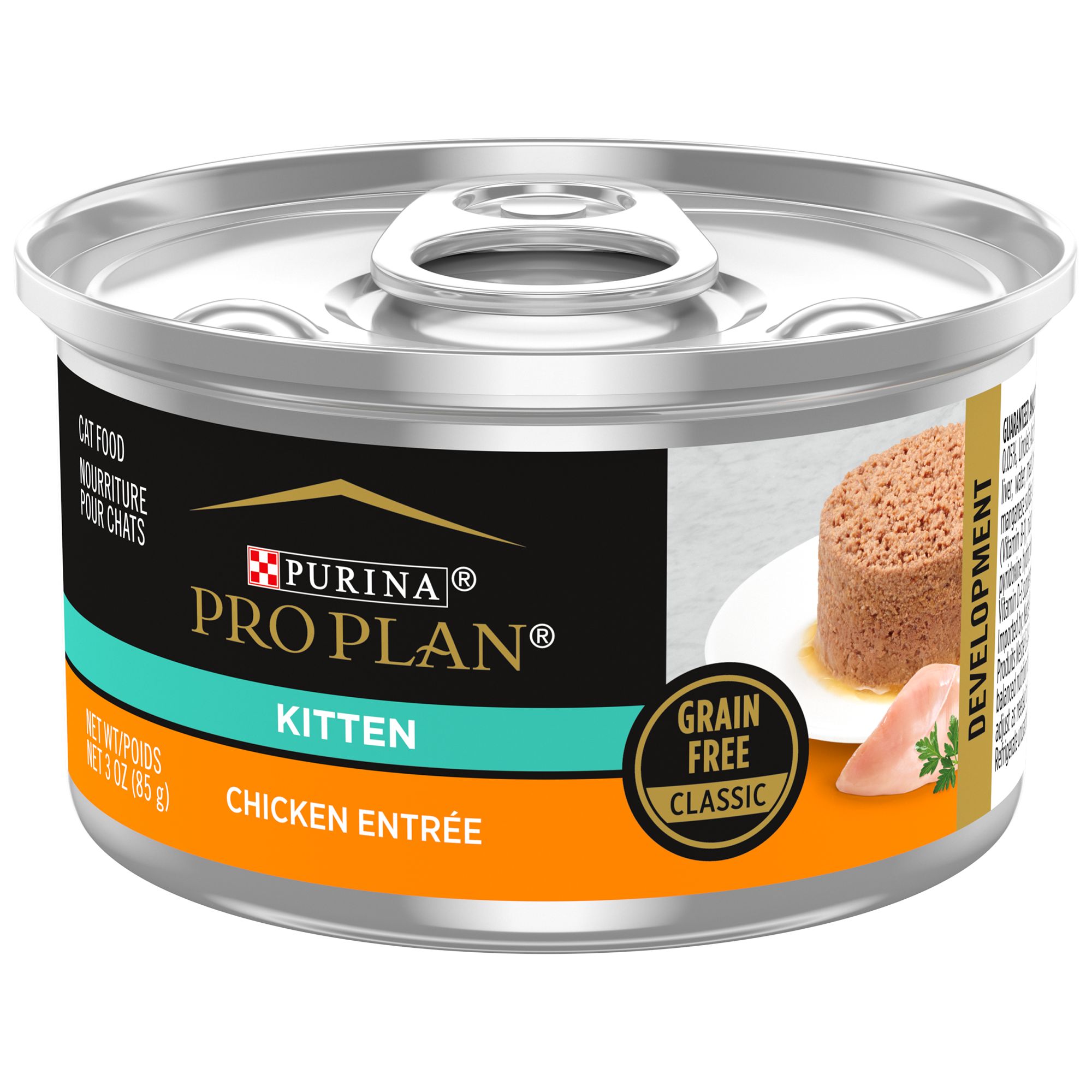
- Kitten Formulas: Rich in DHA to support brain development, with added vitamins to promote growth.
- Sensitive Stomach: Limited ingredients such as salmon and rice, ideal for digestive issues or allergies.
- Indoor Cats: Lower calorie and balanced fiber for weight management in less active cats.
The Pro Plan range gives cat owners precise nutrition choices tailored to their cats age, lifestyle, and health needs.
| Line | Target Age | Main Protein | Special Feature | Avg. Price (per 3 oz) |
|---|---|---|---|---|
| Purina ONE | Adult | Chicken/Tuna | High protein | $$ |
| Fancy Feast | All ages | Variety | Gourmet textures | $$ |
| Pro Plan Kitten | 012 months | Chicken | DHA for brain | $$$ |
| Pro Plan Sensitive | Adult | Salmon | Limited ingredients | $$$ |

Risks & Safety Tips
Recall History: 2024 Purina Pro Plan Wet Cat Food
In early 2024, Purina voluntarily recalled certain Pro Plan wet cat food batches due to potential contamination risks. While no widespread illnesses were reported, the recall emphasized the importance of inspecting packaging dates and batch codes. Cat owners whose products were affected were advised to discontinue use immediately and contact Purina for replacements.
Common Concerns for Cat Owners
Some cats may experience sensitive stomachs due to rich proteins or preservatives. Watch for signs such as vomiting, diarrhea, or changes in appetite. Food allergies, while rare, can cause itching or skin irritation; common triggers include fish or chicken ingredients.
Always transition wet food gradually over 710 days to let your cats digestive system adjust, as veterinary nutritionists recommend. Sudden changes can cause stomach upset or refusal to eat.
Expert Tip
When introducing any new wet food, mix increasing amounts with your cats current diet over a week. This reduces digestive distress and encourages acceptance, says Dr. Lisa Matthews, DVM, a veterinary nutritionist.
Customer Experiences
Owner Testimonials
Many cat owners praise wet Purina cat food for appealing textures and strong flavors. Reviews often mention improved hydration and an eagerness to eat. However, some note occasional stomach upsets or selective eating, especially with Pro Plan sensitive formulas.
Bellas 6-Month Transition
Bella, a six-month-old rescue kitten, moved from dry kibble to Purina Pro Plan wet food gradually. Over six months, her coat became shinier, she gained healthy weight, and her energy levels increased. Her owner credits the wet food‘s high protein and moisture as key factors in Bellas growth.

Choosing the Right Wet Purina
Decision Checklist
- Age: Kitten, adult, or senior
- Health needs: Sensitive digestion, weight control, allergies
- Lifestyle: Indoor vs. outdoor activity level
- Budget: Price variation across product lines
- Flavor preference: Chicken, fish, or variety packs
Carefully matching your cats profile to Purinas product lines promotes better acceptance and health. If undecided, starting with Purina ONE or Fancy Feast classic flavors often satisfies most cats.
| Suitable For | Key Ingredients | Price Range | Feeding Amount | Ingredients to Avoid |
|---|---|---|---|---|
| Adult Cats | Chicken, Tuna | $$ | 3 oz per 4 lbs cat/day | Artificial colors, fillers |
| Kittens | Chicken, DHA, Rice | $$$ | 4 oz per 3 lbs kitten/day | Excess salt, by-products |
| Sensitive Stomach | Salmon, Limited ingredients | $$$ | 3 oz per 5 lbs cat/day | Grains, preservatives |
When choosing between brands, also consider other premium options such as Katkin cat food or explore different tastes seen in Blue buffalo hf cat food reviews for comparison.
Feeding & Storage
Recommended Portions
Your cats daily caloric need varies by size and activity. As a general rule:
- Feed roughly 3 oz of wet food per 4 lbs of body weight daily.
- For a 10-pound cat, thats about 7.5 oz split into two meals.
- Adjust based on activity and weight goals, consulting your vet for specific needs.
Storage Best Practices
Opened canned wet food keeps for 23 days refrigerated in a sealed container. Avoid leaving food out at room temperature for over 2 hours to prevent bacterial growth.
You can freeze unopened cans to extend shelf life but never freeze opened food. Always check use-by dates when purchasing and inspect cans for dents or leaks.
| Species/Breed | Recommended Amount | Frequency | Life Stage | Watch-Out Signs |
|---|---|---|---|---|
| Domestic Cats | 3 oz per 4 lbs body weight | 2 meals daily | All ages | Vomiting, diarrhea, weight loss |
| Kittens | 4 oz per 3 lbs body weight | 3+ meals daily | Under 1 year | Poor growth, lethargy |

Buying Tips & Insights
Common Buying Mistakes
One frequent error is choosing cheaper wet food that contains fillers like corn, wheat, or soy. These are low-nutrient and can contribute to weight gain or digestive issues. Though Purina offers budget-friendly options, prioritizing protein-rich ingredients pays off in overall health.
Veterinarian Tip
Look beyond marketing terms like natural or premium. Read the ingredient label carefully and choose products with named meat proteins at the top of the list, says Dr. Rachel Fields, DVM. Avoid artificial dyes, excessive salt, and by-products.
Why Variety Matters
Rotating flavors between poultry and fish can prevent food boredom and reduce allergy chances. Mixing wet Purina with dry improves texture preference and dental health but always check with your vet before diet changes.
Frequently Asked Questions
Is wet Purina cat food safe for my cat?
Yes, wet Purina cat food is safe for cats when selected appropriately for your pets health and life stage. Always check ingredient lists, avoid known allergens, and transition gradually to avoid stomach upset. For cats with special dietary needs, consult your vet first.
Can I mix wet Purina with dry food?
Mixing wet and dry food is generally safe and can encourage balanced hydration and dental health. Serving wet food in the morning and dry kibble in the evening works well. Monitor your cats weight and adjust portions accordingly.
How often should I feed wet versus dry food?
Many vets suggest feeding wet food twice daily and dry food once daily, depending on calorie needs. Some cats thrive on wet food alone, while others prefer mixed meals. Always ensure fresh water is available.
Is Purina wet food good for senior cats?
Purina offers wet formulas formulated for senior cats, focusing on lower calories and joint-support nutrients. These can be easier to chew and digest than dry foods, helping maintain weight and hydration in older cats.
Are there harmful ingredients to watch for?
Avoid wet foods with artificial colors, high levels of salt, onion powder, garlic, or sweeteners like xylitol, which are toxic to cats. Purinas ingredient lists are transparent, but always read labels closely.
How should I store opened wet cat food?
Keep opened cans refrigerated in an airtight container and use within 23 days. Discard food left out for over 2 hours to prevent bacteria. Avoid freezing opened cans to maintain texture and safety.
What if my cat has a sensitive stomach?
If your cat experiences vomiting or diarrhea after eating wet Purina food, try formulas labeled for sensitive digestion, such as the Pro Plan Sensitive Stomach line. A gradual switch and veterinary guidance are advised.

More You Might Like
Discover comprehensive advice on selecting the right cat food for your kittys needs based on age and health.
For natural and fresh-cooked options, check out our in-depth review on Katkin cat food and how it compares to traditional canned meals.
If youre exploring premium alternatives, see what pet owners say in our Blue buffalo hf cat food reviews article.
Conclusion
Wet Purina cat food provides hydration, protein, and tasty variety for cats across all life stages. By understanding ingredient labels, feeding guidelines, and safety factors, you can make informed choices that support your cats well-being. Next time you shop, check the label closely and consider your cats unique needs. Your furry friend will thank you with every satisfied purr.
FAQs
Is Wet purina cat food safe for my dog or cat?
Wet Purina cat food is safe for cats when chosen according to their health and life stage. Ensure ingredient compatibility and transition gradually to avoid stomach upset. For dogs, it's best to use food specifically formulated for them.
How much wet Purina cat food should I feed my cat daily?
Feed about 3 ounces of wet Purina cat food per 4 pounds of your cat’s body weight daily, typically split into two meals. Adjust amounts based on activity, age, and vet recommendations for optimal health.
What signs indicate my cat may have a food sensitivity to Purina wet food?
Look for vomiting, diarrhea, itchiness, or changes in appetite after feeding. Sensitive stomach formulas are available, and gradual transitions can help reduce digestive upset.
How does Wet Purina cat food compare to dry cat food?
Wet Purina provides higher moisture content which supports hydration and urinary health. It’s easier to chew for seniors and often has richer protein content, while dry food is convenient and helps with dental health.
When should I consult a vet regarding my cat’s diet with Purina wet food?
Consult your vet if your cat shows persistent digestive issues, allergies, weight changes, or refuses to eat. Also seek advice before switching diets for kittens, seniors, or cats with special health needs.