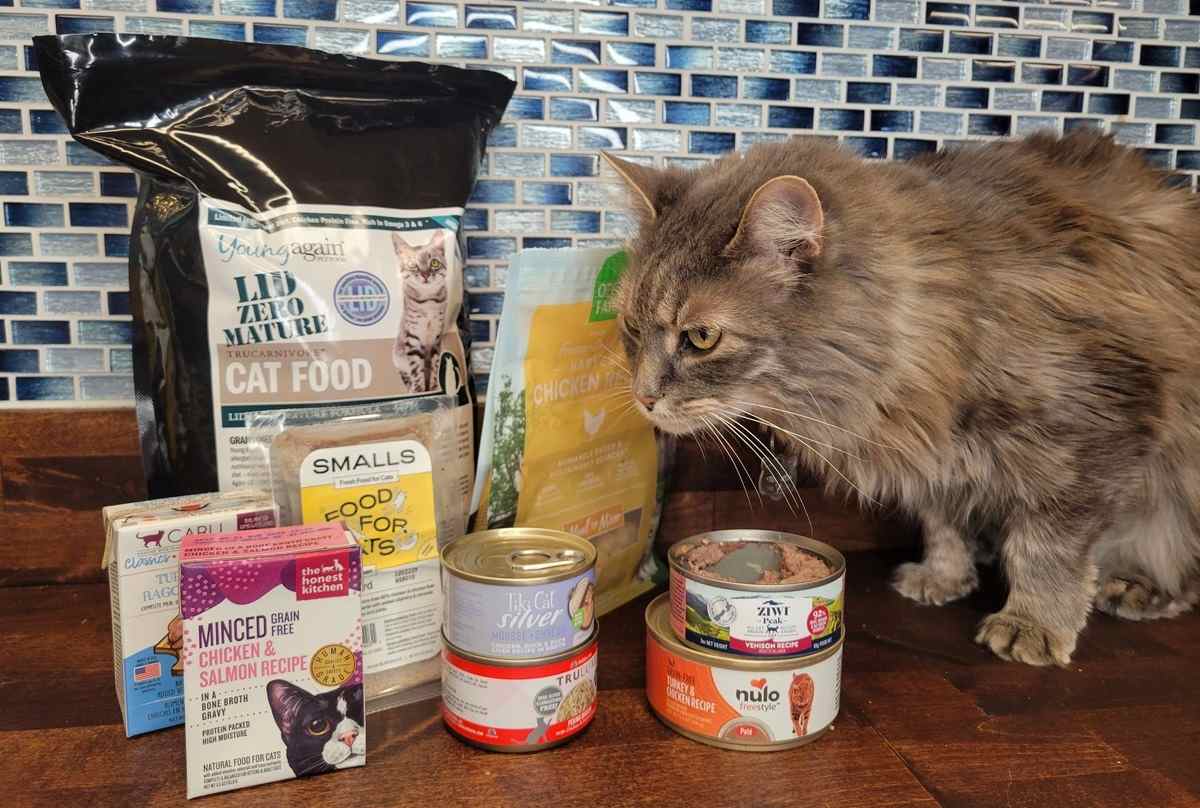
So your furball keeps itching, scratching, or having upset tummy? Youre not alone. Many cat parents discover that a change in diet can be the turning point, and Science Diet hypoallergenic cat food often lands on the shortlist. Its not a magic cure, but it does give you a solid, vetbacked option to test. Below, Ill walk you through what makes this formula tick, weigh its pros and cons, compare it to the famous Hills Prescriptionz/d line, and share practical steps to switch without drama.
Ready to cut the guesswork? Lets dive in, side by side, and see if this diet could be the calm after the storm for your allergic kitty.
Why Choose Hypoallergenic?
What Makes Food Hypoallergenic?
In petfood speak, hypoallergenic usually means the protein source has been hydrolyzed (broken down into tiny fragments) or is a brandnew novel protein that your cat hasnt seen before. The idea is simple: if the immune system cant recognize the protein, it wont overreact.
Hydrolyzed vs. Novel Proteins
Hydrolyzed proteins are like shredded paperyour cats body cant piece the original picture together, so it stays calm. Novel proteins, on the other hand, are like an unexpected guest at a partyyour cats immune system has never met them, so theres no reason to raise an alarm.
Signs Your Cat Might Need a Switch
Typical red flags include:
- Persistent itching, hot spots, or ear infections.
- Vomiting, diarrhoea, or soft stools that just wont settle.
- Visible hair loss around the face or neck (often a sign of an allergic reaction to food).
If youve ticked a few of those boxes, a hypoallergenic diet is worth a trypreferably under a vets guidance.
VetApproved Reasons to Try
Recent veterinary nutrition research (AVMA 2024) highlights that tailored protein sources can reduce inflammatory markers by up to 30% in allergic cats. Thats a statistic that makes many vets nod in approval when you ask about diet changes.
Science Diet Formula DeepDive
Core Ingredients & Their Roles
The Science Diet hypoallergenic cat food formula revolves around two star players: egg protein and insect protein (cricket). Both are highly digestible and generally considered lowallergenicity options.
Egg Protein The Gentle Giant
Eggs provide a complete aminoacid profile, which means they support muscle maintenance and healthy skinall without the common allergens found in poultry or fish.
Insect Protein The Sustainable Surprise
Cricket protein is still novel for most cats, making it an excellent alternative to traditional meat. Its also featherfriendly for the planet, giving you an ecoconscious win.
GrainFree Carbs Pea Fiber & Sweet Potato
To keep energy levels steady, the formula uses pea fiber and a touch of sweet potato. These carbs are gentle on the gut and free from the gluten that can irritate some cats.
Nutritional Profile (per 100g)
| Nutrient | Amount |
|---|---|
| Crude Protein | 38% |
| Crude Fat | 15% |
| Moisture | 10% |
| Calories | 380kcal |
| Fiber | 2% |
How It Stacks Up Against Hills Prescriptionz/d
Both brands aim to tame allergies, but they take different routes. Hills Prescriptionz/d relies heavily on hydrolyzed chicken liver, while Science Diet leans on wholefood egg and cricket protein. Below is a quick sidebyside look.
| Feature | Science Diet | Hillsz/d |
|---|---|---|
| Protein Source | Egg & cricket (novel) | Hydrolyzed chicken liver |
| GrainFree | Yes | Yes (dry), not always (wet) |
| Primary Allergen Target | Egg, insect | Chicken, beef |
| Price (per lb) | ~$2.80 | ~$3.20 |
| Availability | Pet stores & online | Veterinary prescription |
Potential Side Effects & Red Flags
Even the bestdesigned formulas can have hiccups. Some cats report temporary stomach sensitivity when first switchingthink mild soft stools for a couple of days. If your cat shows persistent vomiting, loss of appetite, or new skin issues, pause the diet and call your vet. Those are the kinds of issues youll find when you search hills z d cat food side effects.
RealWorld Experiences
What Reviewers Say About Hills z/d
Scanning through hills z/d cat food reviews on major retailers, youll notice a pattern: owners love the rapid relief from itching, but a few mention the price tag and the wet vs. dry confusion. Its a good benchmark for what to expect when you try a hypoallergenic formularesults can be swift, but cost and convenience matter.
Case Study: Milos Turnaround
Meet Milo, a sixyearold domestic shorthair who spent months battling chronic dermatitis. His owner tried several overthecounter foods before switching to Science Diet hypoallergenic. Within three weeks, Milos skin cleared up, his stool normalized, and his energy bounced back. The key? A gradual 7day transition and keeping a daily journal of any changes.
Vet Perspective: Prescription vs. OTC
Veterinarians often recommend trying an overthecounter (OTC) hypoallergenic diet firstlike Science Dietbecause its easier on the wallet and still medically sound. If the cats symptoms persist, they may then prescribe Hills Prescriptionz/d, especially for severe cases where hydrolyzed proteins are necessary.
Alternatives & Comparisons
Royal Canin Hypoallergenic Cat Food
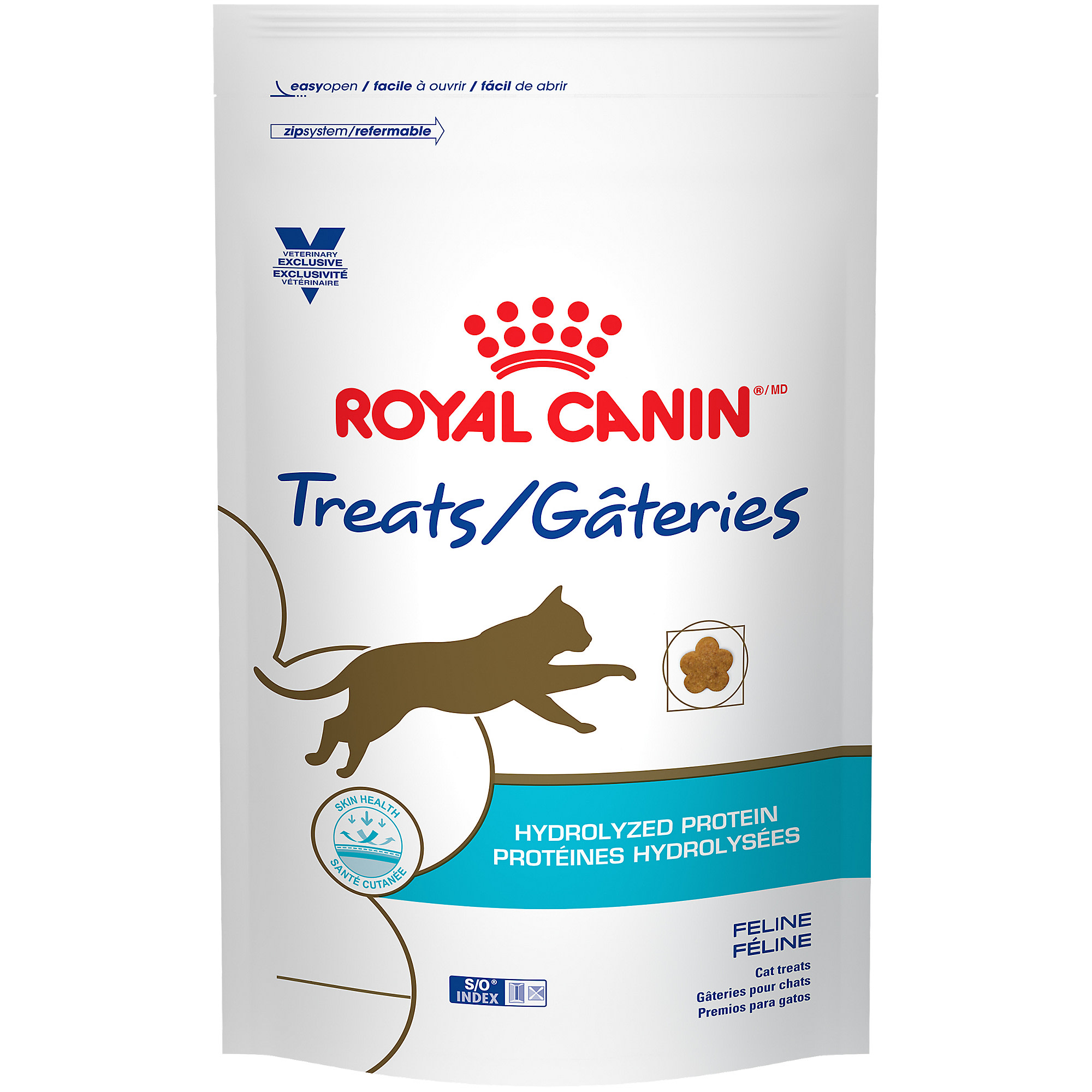
Royal Canins version focuses on hydrolyzed soy protein and is also grainfree. Its a solid alternative if you want a brand thats widely available in supermarkets. For a broader look at cat food options, check our Best supermarket cat food guide.
Emerging Brands: The Alternative to hills zd cat food Market
Brands like BlueBuffalo and Orijen are rolling out limitededition novelprotein lines (e.g., duck, kangaroo). While not yet as extensively studied as Hills, theyre gaining traction among owners seeking fresh ideas.
Cost Comparison Table
| Brand | Dry (per lb) | Wet (per can) | Typical Shelf Life |
|---|---|---|---|
| Science Diet Hypoallergenic | $2.80 | $1.20 | 12months |
| Hillsz/d Dry | $3.20 | 18months | |
| Hillsz/d Wet | $1.40 | 12months | |
| Royal Canin Hypoallergenic | $3.00 | $1.30 | 12months |
Choosing Between Wet & Dry
If your cat prefers wet food, the hills zd cat food wet line offers higher moisture, which can help with urinary health. Dry formulas, like hills zd cat food dry, are convenient for freefeeding and tend to be easier on the budget. Think about your cats eating habits and your schedule when deciding.
Transition Guide
StepbyStep Switch (7Day Plan)
1. Day12: Mix 25% Science Diet with 75% of your cats current food.
2. Day34: Go up to 50% new food.
3. Day56: Mix 75% new with 25% old.
4. Day7: Serve 100% Science Diet.
What to Monitor
- Stool consistency (aim for firm, wellformed pieces).
- Skin condition (less scratching, fewer hot spots).
- Appetite changes (steady intake is a good sign).
When to Call the Vet
If after two weeks you still see itching, digestive upset, or any new symptoms, reach out to your vet. Sometimes a secondary allergen (like environmental pollen) is at play, and diet alone wont solve it.
FAQStyle Nuggets (Using Related Keywords)
Is hills zd cat food wet better than dry? Wet food provides more moisture, which can help cats with urinary issues, but dry is more convenient for busy owners.
Can my cat be allergic to egg protein? Its rare, but possible. If symptoms persist, you may need to try a different novel protein, such as duck or kangaroo.
How many calories does the hypoallergenic formula provide? About 380kcal per 100g, suitable for most adult catsjust adjust portions based on your cats activity level.
Balancing Benefits & Risks
Every diet choice carries a tradeoff. The big win with Science Diet hypoallergenic cat food is its blend of digestible egg and sustainable insect protein, which many cats tolerate well. The risk? Some cats may initially balk at the taste or develop mild GI upset during the transition.
Balancing these factors means listening to your cats cues, keeping a close eye on health markers, and staying flexiblemaybe switching to a different hypoallergenic brand if needed.
Conclusion
Choosing the right food for a cat with allergies feels a bit like detective work, but Science Diet hypoallergenic cat food offers a practical, vetbacked starting point. Its grainfree, uses novel proteins, and sits at a reasonable price point compared to prescription options. Still, every feline is unique, so combine this knowledge with your vets advice, follow a gentle transition plan, and track your kittys response.
Got a story about your cats dietary adventure? Share it in the comments belowor if youre still unsure, feel free to ask a question! Together we can help our whiskered friends live itchfree and happy lives.
FAQs
What makes Science Diet hypoallergenic cat food different from regular cat food?
It uses novel proteins like egg and cricket, which are less likely to trigger an immune response, and is grain‑free with easily digestible carbs.
How long does it take to see improvement after switching to this diet?
Most cats show reduced itching and better stool consistency within 2–3 weeks, but a full assessment should be done after 4–6 weeks.
Is insect (cricket) protein safe for all cats?
Cricket protein is highly digestible and safe for most cats, though a very small number may develop a rare allergy; monitor your cat during the transition.
Can I mix Science Diet hypoallergenic cat food with my cat’s current food?
Yes. Follow a 7‑day gradual transition: start with 25% new food and increase to 100% by day 7 to avoid gastrointestinal upset.
When should I consult a vet while feeding this hypoallergenic diet?
If itching, vomiting, diarrhea, or loss of appetite persist after two weeks of feeding, contact your veterinarian for further evaluation.