Looking for a purebred pup that fits your lifestyle? Below youll find straighttothepoint answers: a quick AZ list of pedigree dog breeds, their key traits, health pros and cons, and practical tips for picking the perfect companion. No fluff, just what you need to make an informed decision.
In the next few minutes well walk through what a pedigree really means, weigh the benefits against the risks, help you match a breed to your living situation, and give you a handy gallery of dog breeds a-z with pictures. Think of it as a friendly chat over coffee Ive got the facts, youve got the curiosity, and together well find the right furry friend for you.
What Is a Pedigree?
In simple terms, a pedigree dog breed is a dog whose ancestry is recorded in an official registry the Kennel Club, the AKC, or another recognized body. Those papers give you a pedigree dog breed name and a clear line of descent, which helps predict size, temperament, and even a few health tendencies.
Why does that matter? Imagine buying a mystery box versus a fully described product. With a pedigree you know exactly what youre getting a Labrador Retriever that should be friendly and a Golden Retriever that typically has a gorgeous coat. Its also the backbone for responsible breeding, ensuring that health clearances are passed down and that the breeds standards stay true.
Benefits and Risks
Benefits of choosing a pedigree include predictable characteristics (size, energy level, grooming needs) and the ability to request health testing results. Many registries require hip and elbow evaluations, eye exams, and cardiac screenings before a dog can be bred. This transparency can lower the odds of inherited disorders.
But there are risks too. Overbreeding, a narrow gene pool, and the pursuit of extreme traits (like a supershort snout) can bring health problems. A purebred may be prone to hip dysplasia, heart disease, or breedspecific skin issues. The key is to verify those health clearances and work with reputable breeders or rescue groups that prioritize the dogs wellbeing over appearance.
| Health Clearance | What It Checks | Common Breeds Requiring It |
|---|---|---|
| OFA Hip Score | Hip joint conformation | Labrador, German Shepherd, Golden Retriever |
| OFA Elbow Score | Elbow joint health | Rottweiler, Boxer, Bulldog |
| CERF Eye Exam | Retinal and cataract health | Poodle, Labrador, Australian Shepherd |
| Cardiac Screening | Heart murmurs, valve issues | Doberman, Cavalier King Charles Spaniel |
When you see these numbers on a dogs paperwork, think of them as a health passport theyre not guarantees, but theyre a strong sign that the breeder is doing the right thing.
Choosing the Right Breed
First, take a good look at your own lifestyle. Do you have a yard or a small apartment? How much daily exercise can you commit to? Do you have kids or other pets? Answering these questions narrows the field dramatically.
Lets break it down:
- Activity Level Highenergy breeds like Border Collies need 2+ hours of mental and physical play daily. Lowenergy types like the English Bulldog are content with short walks.
- Space Small dog breeds such as Chihuahuas, Pomeranians, or the Dog breeds small can thrive in studio apartments.
- Grooming Longhaired dogs (e.g., Afghan Hound) demand regular brushing, while shorthaired breeds (e.g., Beagle) are lowmaintenance.
- Allergies Consider hypoallergenic options like the Poodle or the Bichon Frise.
One quick way to test compatibility is the 30Day Trial. Spend a few days with the breed perhaps borrowing a friends dog or visiting a reputable shelter and see how your routine meshes with theirs.
AZ Breed List
Below is a snapshot of the most popular pedigree dog breeds, ordered alphabetically. Each entry includes a brief description, the ideal home environment, and a note on health considerations. For a full visual catalog, check out the All 340 dog breeds with pictures its a great way to fall in love with a face before a name.
Afghan Hound
Elegant, silky coat; needs regular grooming and moderate exercise. Ideal for experience owners who love a showring aesthetic.
American Eskimo Dog
Fluffy white coat, bright personality. Great for families, but requires daily brushing and mental stimulation.
Beagle
Compact, curious scenthunter. Loves a yard to roam and needs consistent training to curb barking.
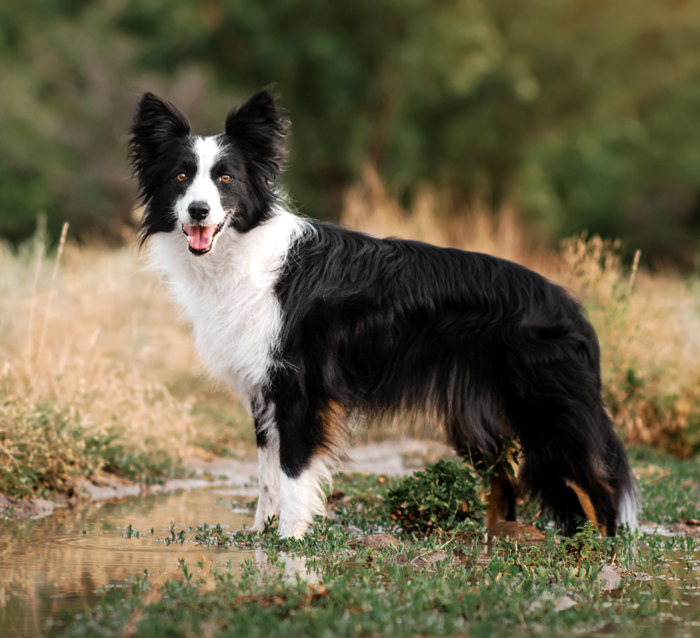
Border Collie
Supreme intelligence, incredible stamina. Perfect for active households that can provide agility challenges.
Bulldog
Lowenergy, lovable wrinkled face. Needs a cool environment and careful weight management.
Cavalier King Charles Spaniel
Affectionate lap dog, prone to heart issues always ask for a cardiac screening.
Chihuahua
Pocketsize personality, big bark. Fits well in apartments, but may be wary of strangers.
Dachshund
Long back, lively spirit. Keep weight down to protect the spine.
German Shepherd
Versatile worker, loyal protector. Needs regular mental challenges and space to move.
Golden Retriever
Friendly, easygoing, great with kids. Prone to hip dysplasia look for OFA clearances.
Husky
Highenergy sled dog, loves cold climates. Requires plenty of exercise and a secure fence.
Labrador Retriever
Playful, trainable, excellent family companion. Keep an eye on weight; they love food.
Poodle
Smart, hypoallergenic curls. Needs regular clipping and mental stimulation.
Rottweiler
Strong, confident guard dog. Early socialization is crucial.
Shih Tzu
Affectionate lap dog, long coat that needs grooming.
and the list goes on. In total, there are dog breeds a-z list covering every size, temperament, and purpose. Whether youre after the classic 7 types of dog (herding, hound, working, terrier, toy, sporting, and nonsporting), or you want to explore all 100 types of dogs in a quick infographic, the variety is staggering.
Caring for Your Pedigree
Once youve chosen a breed, the real adventure begins caring for your new family member.
Health Basics
Schedule a wellness exam within the first week of bringing your dog home. This visit should include vaccinations, a flea and tick prevention plan, and a discussion about any breedspecific screenings (like the eye exam for the Australian Shepherd).
Nutrition
Purebred dogs often have specific dietary needs. Large breeds benefit from jointsupport formulas, while small breeds may need caloriedense kibble. A good rule of thumb: feed a highquality protein source and avoid excessive fillers. If youre unsure, ask your vet for a breedtailored feeding guide.
Training & Socialization
Every pedigree thrives on consistent, positive reinforcement. Start with basic commands sit, stay, come and gradually introduce more advanced tricks. Socialize early by exposing your dog to different environments, people, and other pets. Remember, a wellbehaved dog is a happy dog, and it reinforces the trust youre building.
Grooming
Coat type dictates grooming frequency. Longhaired breeds (e.g., Shih Tzu) need daily brushing, while shorthaired pups (e.g., Boxer) are fine with a weekly comb. Dont forget nail trims, ear cleaning, and dental care a clean mouth means fewer vet visits.
For a visual guide on how to brush, trim, and keep your dog pictureperfect, explore our detailed dog breeds page. It walks you through each step with pictures and pro tips.
Understanding Size and Lifestyle Fit
Size isnt just a number; it shapes everything from exercise needs to housing requirements.
Small dog breeds (under 20lb) like the Miniature Schnauzer or the American Eskimo Dog are perfect for city dwellers. They curl up on a couch, need shorter walks, and usually adapt well to apartments.
Mediumsized dogs (2050lb) such as the Bulldog or Cocker Spaniel strike a balance theyre energetic enough for occasional hikes but still manageable in a modest living space.
Large breeds (over 50lb) like the German Shepherd or Great Dane demand more space and vigorous exercise. If you have a backyard and love outdoor adventures, theyll be your ideal partner.
When you match a breeds size to your environment, you avoid many common frustrations like a tiny apartment that cant contain a boisterous Retriever, or a small dog living in a highrise condo with no place to run.
Putting It All Together
Choosing a pedigree dog breed is a blend of excitement, research, and responsibility. Heres a quick recap to keep you on track:
- Define your lifestyle: activity level, space, grooming tolerance.
- Review the Pedigree dog breed name and health clearances.
- Explore the AZ list and picture galleries to find a face you love.
- Ask for documented health screenings and meet the breeder or rescue group.
- Commit to regular vet visits, balanced nutrition, and consistent training.
Remember, a pedigree dog can bring immeasurable joy, but it also deserves informed, compassionate care. If you ever feel uncertain, reach out to a trusted veterinarian or a local breed club theyre a goldmine of experience.
Conclusion
Pedigree dog breeds offer a world of variety, from the playful energy of a Border Collie to the calm companionship of a Bulldog. By understanding the benefits and risks, matching a breed to your lifestyle, and committing to proper care, you set the stage for a lifelong, rewarding partnership. Take the time to explore the images, ask the right questions, and most importantly, listen to your own heart and home. Ready to start hunting for that perfect tailwagging match? Dive into our resources, share your thoughts in the comments, and lets keep the conversation wagging!
FAQs
What does “pedigree” mean for a dog?
A pedigree is an official record of a dog’s ancestry kept by a recognized registry (AKC, Kennel Club, etc.), showing its purebred lineage.
How can I verify a breeder’s health clearances?
Ask for documentation such as OFA hip and elbow scores, CERF eye exams, and cardiac screening reports for the parents of the puppy.
Which pedigree breeds are best for apartment living?
Small, low‑energy breeds like Chihuahuas, French Bulldogs, and Pomeranians adapt well to apartments and need only short daily walks.
Are pedigree dogs more prone to health problems?
Purebreds can have breed‑specific issues due to limited gene pools, but reputable breeders who perform health testing can greatly reduce risks.
What grooming routine does a Poodle require?
Poodles need regular brushing to prevent matting and a professional clip every 6‑8 weeks, plus routine nail trims and ear cleaning.