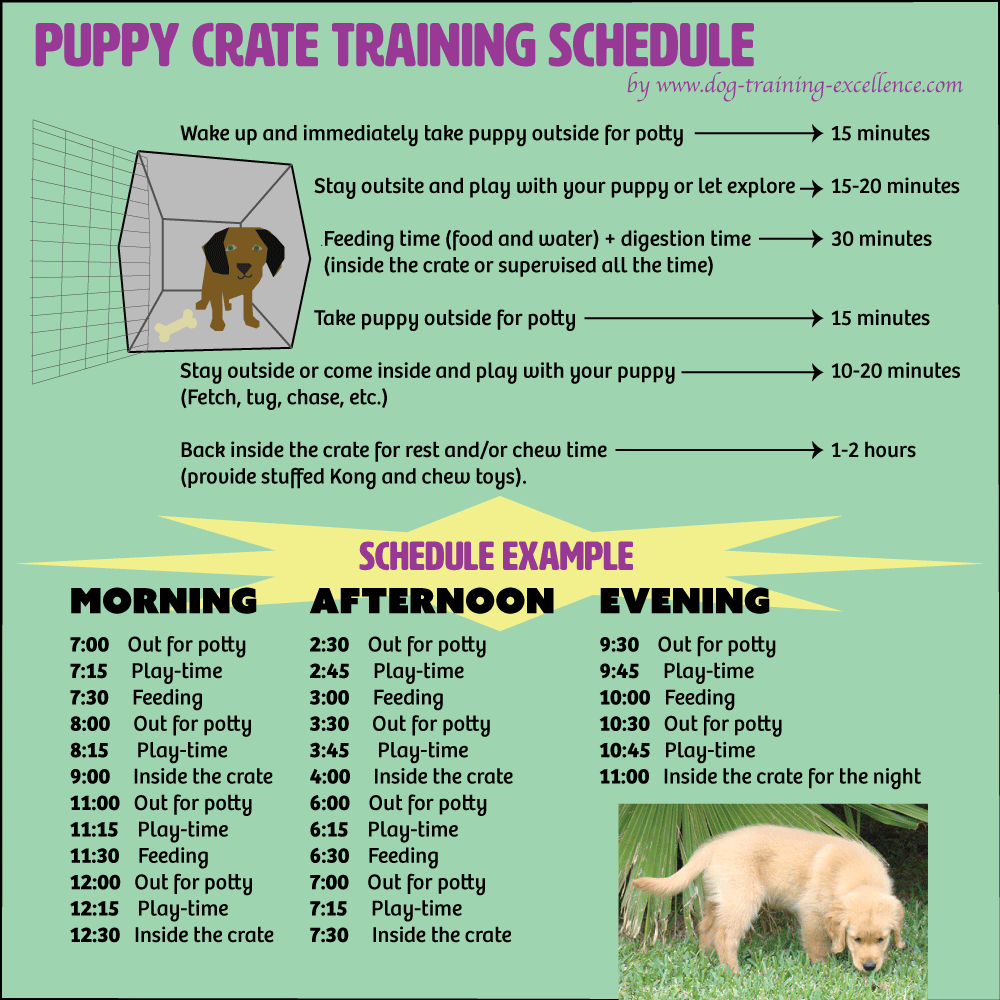
Most puppies settle into their crate in 13 weeks, but the exact timeline depends on age, breed, and how consistent you are. Below youll learn the typical milestones, nighttime tips, and when to know its time to stop, so you can feel confident every step of the way.
Typical Timeframe
When you first introduce a crate, the normal picture in most guides is a puppy thats a little nervous at first, then gradually starts seeing the crate as a safe den. In reality, the process can look a bit like learning to ride a bikesome pups zoom ahead, others wobble a lot before they get the hang of it.
What normal looks like (days vs. weeks)
For a 10weekold puppy, many owners report 1021 days before the dog is calm enough to stay inside for short periods without whining. Reddit threads from 2025 echo this, with several users sharing that their puppies were comfortable after about two weeks of steady practice.
Factors that speed up or slow down the process
Age and developmental stage. Younger puppies (812 weeks) have smaller bladders and limited control, so they need more frequent potty breaks, which can lengthen the early nights. Older puppies or adult dogs often understand stay commands better, but they may have established habits that need breaking.
Breed temperament. A Dachshund puppy, for example, tends to be more tenacious and may take a little longer to feel secureusually around 1218 days. Highenergy breeds like Border Collies often adapt quickly if you keep sessions short and upbeat.
Environment and previous experiences. A puppy raised in a busy household with many noises may need extra reassurance before the crate feels like a quiet retreat.
Adult dogs and older pups
If youre wondering how long does it take to crate train an adult dog, expect a range of 24 weeks for a dog thats already housetrained and has basic obedience. A 1yearold dog may need a bit more patience because older habits can be stubborn, but the same principles of consistency and positive reinforcement apply.
StepbyStep Plan
Want to see results fast? You can try a focused How to crate train your puppy in 3 days sprint. Its not magic, but a clear schedule that keeps the crate a happy place.
Day1 Introduction
Place the crate in a quiet, familyfriendly area. Leave the door open and toss a few treats inside. Let your puppy wander in and out at its own pace. The goal is exploration rather than restriction.
Day2 Short confinement
Close the door for just a minute while youre in the same room. Give a treat every time the pup stays calm, then open the door and let it out. Repeat several short sessions throughout the day, gradually increasing the time to 510 minutes.
Day3 Extending stay + first night trial
Now its time for a longer stayabout 2030 minutes while youre cooking or doing chores. End the session with a rewarding playtime outside the crate. When you feel ready, try a brief How to crate train a puppy first nightkeep a nightlight on and place a blanket with your scent inside.
Sample checklist (downloadable)
Weve created a handy printable checklist that walks you through each days tasks, plus a column for notes on how your pup reacted. Feel free to tweak it to match your schedule.
Nighttime Training
One of the biggest questions owners ask is how long does it take to crate train a puppy at night. Nighttime can feel like a whole different world because the puppys bladder control and anxiety levels are tested.
First few nights
Expect a few whines or the occasional potty break alarm. A good rule of thumb for a 10weekold puppy is the 2hour rule: take the pup out every two hours, plus right before bedtime and first thing in the morning. The Puppy crate training at night guide recommends dim lighting and a familiar scent to calm nerves.
Managing whining
If the whining becomes persistent, pause the crate for a short comfort break not a free pass to roam. Keep the interaction lowkey: no play, just a quick go potty and then back to the crate. Over time the puppy learns that the crate is where sleep happens, not a place for a latenight party.
When to move the crate
Once your puppy sleeps through the night without accidents for 34 consecutive evenings, you can consider moving the crate out of the bedroom. Some owners find that keeping the crate in the bedroom for the first month helps the pup feel less isolated, especially for breeds that are naturally more clingy.
BreedSpecific Tips
Every breed has its own quirks, and recognizing them can shave days off the training curve.
Dachshund puppies
These little longbacks can be especially sensitive to confinement. Give them a soft, supportive mat and maybe a small tunnel insert to mimic a den. Expect 1218 days to reach steady calmness, a bit longer than the average puppy.
Highenergy vs. lowenergy
Highenergy breeds (Border Collies, Australian Shepherds) need more mental and physical outlets before crate time. A quick 10minute play session right before crating can help them settle faster. Lowenergy breeds (Bulldogs, Basset Hounds) often relax quickly once the crate is introduced.
Case study: 8weekold mixed Border Collie
We worked with a family whose puppy was nipping and whimpering for a week. By adding a 5minute fetch game before each crate session and using a highvalue treat, the puppy was calm and sleeping in the crate by day10.
When to Stop Crate Training
Knowing the right moment to phase out the crate is as important as the training itself.
Signs of success
Look for these cues: the puppy enters the crate voluntarily, stays quiet for at least 30 minutes, and has no accidents inside. If these signs appear consistently for a week, youre ready to start reducing crate time.
Age guidelines
Most experts agree you can start phasing the crate out after the puppy is 12 weeks old and consistently sleeping through the night. Transition by opening the crate door during daytime naps, then gradually replace it with a playpen or a dogproofed room.
Alternatives to the crate
When you feel its time, consider a How to crate train a puppy for potty training approach that uses a playpen with a divider. This gives your growing dog a larger space while still keeping boundaries clear.
Common Pitfalls & How to Avoid Them
Even the bestintentioned owners stumble into a few traps. Heres how to sidestep them.
Overusing the crate
Leaving a puppy in a crate for too many hours can cause anxiety and even regression. Aim for no more than 4hours during the day for puppies under 6 months, and always provide plenty of supervised playtime outside the crate.
Undersocializing
A crate should never replace human interaction. Schedule regular cratefree play sessions, walks, and training drills. This keeps the puppy wellrounded and prevents the crate from becoming the only place they know.
Checklist of daily outsidethecrate activities
- Morning walk (1520minutes)
- Short training burst (5minutes)
- Playtime with toys or a chew
- Midday potty break
- Evening family cuddle
RealWorld Experiences & Social Proof
Stories from other owners often make the abstract feel real.
My own 10weekold BC mix
When I first got Buddy, I expected the crate to be a quick fix. In reality, it took three weeks of short stays, lots of treats, and a bedtime routine that included a soft blanket with my scent. By week4, Buddy was snoozing inside without a single whine. I still keep a tiny note in my journal about the exact timinghelps me remember what worked!
Expert quote
Consistency is the secret sauce, says AKCcertified trainer Jenna Morales. If youre patient, use highvalue rewards, and keep sessions under five minutes for puppies under three months, youll see steady progress within two weeks.
Final Thoughts
Crate training isnt a race; its a partnership. Most puppies find comfort in a crate within 13 weeks when you combine clear routine, positive rewards, and a dash of patience. Remember to listen to your pups cues, adjust for their breed and age, and give them plenty of love outside the crate.
If youve read this far, thank you for sticking with us! Wed love to hear your own cratetraining storieswhat worked, what didnt, and any funny moments along the way. Drop a comment below or share the article with a fellow dogparent. And if youre ready for a deeper dive, check out our guide on how to crate train a puppy. Happy training, and may your crate be a cozy haven for many happy naps!
FAQs
How many days does it usually take for a puppy to settle in a crate?
Most puppies become comfortable in their crate within 10‑14 days of short, positive sessions, though the full adjustment can take up to 13 weeks.
What are the best ways to stop a puppy from whining at night in the crate?
Keep nighttime trips low‑key—take the pup out to potty, avoid play, and return promptly to the crate. Use a dim night‑light and a familiar scent to soothe anxiety.
Does crate training differ for different breeds?
Yes. High‑energy breeds often adapt quickly with brief sessions, while breeds like Dachshunds or very clingy dogs may need extra comfort and a slightly longer timeline.
Can adult dogs be crate trained and how long does it take?
Adult dogs can be crate trained, typically requiring 2‑6 weeks for basic acceptance and up to 24 weeks for complete comfort, depending on prior habits.
When is it safe to stop using a crate for a puppy?
Once the puppy consistently sleeps through the night, enters the crate voluntarily, stays quiet for 30+ minutes, and is at least 12 weeks old, you can gradually phase the crate out.