Got a pup that darts to the left, pulls like a tugofwar champion, or simply refuses to stay by your side? Youre not alone. In the next few minutes well walk through a clear, stepbystep plan that turns chaotic walks into calm, enjoyable strolls all while strengthening the bond with your fourlegged friend.
Well cover why walking beside you matters, what gear you really need, the exact heel cues, how to troubleshoot common problems, and even how to transition to offleash walking when youre ready. Ready? Lets get those leashes loose and the tails wagging.
Why Walking Beside You
Imagine strolling through a park, the wind in your hair, and your dog gliding peacefully at your side. That picture isnt just cute; its a safety net. When a dog walks next to you on a loose leash you keep control in busy streets, prevent injuries from sudden pulls, and teach a fundamental obedience skill that translates to other commands.
On the flip side, a tight leash can cause choking, stress, and even joint issues for both you and your dog. Finding the sweet spot a relaxed leash with your dogs attention by your side is the goal.
Benefits of the Heel Position
- Safer walks in traffic and crowded areas.
- Better focus and fewer distractions for your dog.
- Strengthened trust and communication.
- Foundation for advanced tricks and offleash reliability.
When Things Go Wrong
Pulling, lunging, or walking in front of you isnt just an annoyance; it can signal anxiety, lack of motivation, or even an underlying health issue. Keeping an eye on your dogs body language helps you adapt training before problems become habits.
Getting Ready
Before you dive into the heel routine, a little prep goes a long way. Think of it as a warmup before a workout.
Gear Matters
Choose a flat collar or a wellfitted harness (avoid choke chains). A 4foot leash made of nylon or leather gives you enough length to guide without slack. If your dog is a strong puller, consider a frontclip harness but remember, the goal is to teach looseleash walking, not rely on equipment.
Need a detailed guide on choosing the right gear? Check out our leash training for dogs step by step article.
Environment Setup
Start in a quiet room or a backyard with minimal distractions. Once your dog gets the basics, gradually add mild noises, other pets, or a few neighbors walking by. This progressive exposure builds confidence.
Treats & Clicker Basics
Highvalue treats (tiny pieces of cooked chicken, cheese, or commercial training bites) work best. If you use a clicker, pair the click with a treat so your dog learns that the click means you did exactly what I wanted.
PreWalk Checklist
- Collar/harness securely fitted.
- Leash attached, slack of about 1218 inches.
- Treat pouch or pocket ready.
- Quiet space for the first few minutes.
- Positive mindset remember, its fun!
Core Heel Training
Now for the meat of the matter. The heel command is essentially stay by my side. Below is a fiveday plan that fits into a 10minute session each day. Consistency beats length short, frequent practice is gold.
Day 1 Watch Me Cue
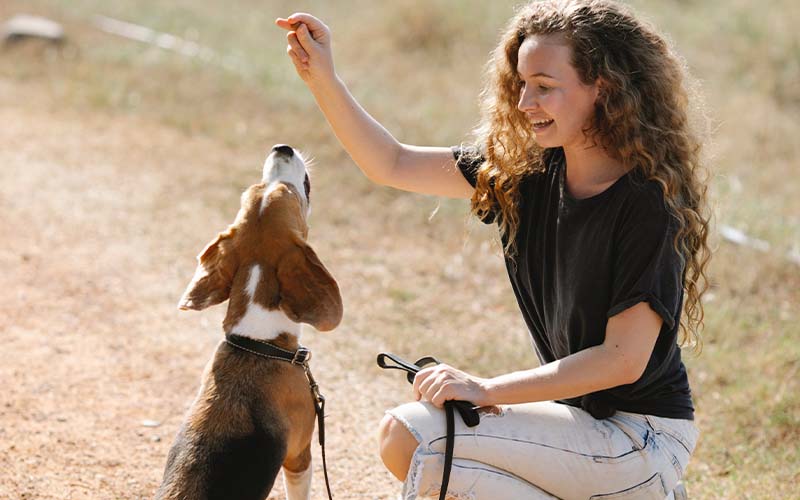
Stand still, leash loose, and say watch me while holding a treat at your face level. The moment your dog makes eye contact, click (or use a verbal marker) and reward. Repeat 1015 times. This builds the foundation of paying attention to you rather than the world.
Day 2 Introducing Heel
With the leash slack, step to the left and say heel. Use a treat to lure your dog into the correct position (their shoulder should line up with your leg). When theyre in place, click and reward. Keep the steps short a few paces at a time.
Day 3 Reinforcing Position
Walk forward a few steps, then pause. If your dog drifts, gently guide them back with the leash (no tension). Say heel and reward the moment theyre back by your side. Add a soft good each time they stay aligned.
Day 4 Adding Distractions
Introduce a toy on the ground, a passing child, or a bird chirping. The rule stays the same: watch me, then heel. Reward heavily when they ignore the distraction and stay beside you. This is where many owners see breakthroughs.
Day 5 Lengthening the Walk
Extend the distance to a full block or a short park loop. Keep sessions under 15 minutes, but increase the number of repetitions. Begin to fade the treat frequency move to every other correct response, then every third. Your dog will start walking because its fun, not just for treats.
Sample 5Day Schedule
| Day | Focus | Duration |
|---|---|---|
| 1 | Eyecontact (watch me) | 10min |
| 2 | Introduce heel cue | 10min |
| 3 | Reinforce sidebyside | 12min |
| 4 | Lowlevel distractions | 12min |
| 5 | Full short walk | 15min |
Common Hurdles & Fixes
Even with the best plan, dogs can throw a curveball. Below are the most frequent roadblocks and how to neutralize them.
Pulling Powerhouses
When you feel the leash yank, stop walking completely. Wait for the slack, then turn around and walk in the opposite direction. This stopandturn method teaches that pulling halts progress, while a loose leash moves you forward.
Refusal to Walk
A dog that freezes may be scared, exhausted, or uncomfortable with the collar. Check for injuries, ensure the harness isnt too tight, and make the walk rewarding keep the pace slow, praise often, and let them sniff.
Walking Ahead
If your dog darts in front, gently guide them back with a calm heel, then reward. Avoid yelling; a stern voice can cause anxiety.
Transitioning OffLeash
Once your dog reliably stays by your side on a leash, practice in a secured yard. Use the same watch me and heel cues, but gradually reduce leash length until you can let go for a few seconds. The goal is confidence, not freedom to run wild.
Quick FAQ Table
| Question | Answer |
|---|---|
| What age to start heel training? | 812 weeks for puppies; any age for adult dogs with patience. |
| Can I teach heel in 5 days? | Yes, if you practice 1015 minutes daily and keep rewards high. |
| How to stop pulling? | Use stopandturn, keep leash slack, reward looseleash walking. |
| Is offleash possible? | Definitely, after the dog masters sidebyside onleash. |
Keeping the Skill for Life
Training doesnt end after the first successful walk. Reinforcement, variety, and occasional refreshers keep the behavior strong.
Intermittent Rewards
Shift from everytime treats to random, unpredictable rewards a treat, a quick play, or a cheerful good job! This mirrors natural learning and makes the behavior more resilient.
Adding New Cues
Once heel is solid, layer in slow walk, stop, and turn right/left. Use the same clicktreat method to keep the learning curve gentle.
Monthly Refresher Sessions
Dedicate one walk per month to pure heel practice in a new environment (a different park, a busy street). This keeps the skill sharp and adaptable.
When to Call a Professional
If your dog persistently pulls, shows aggression, or you feel stuck, a certified trainer or certified behaviorist can provide personalized guidance. Theres no shame in seeking help its a sign of commitment to your dogs wellbeing.
Real Stories: From Chaos to Calm
Let me share a couple of examples that illustrate how these steps work in the real world.
Case Study: 4MonthOld Labrador
Emma adopted a 4monthold Labrador named Buddy, who pulled like a sled dog on every walk. After a week of the 5day plan, Buddy was walking loose for a full block. Emma says the stopandturn method was a gamechanger, and the consistent treats turned walking into a fun game for Buddy.
My Own Messy First Walk
I tried the routine on my own rescue, Max, and the first attempt was chaotic. Max kept sniffing every leaf and ignored my heel. I laughed, rewound, gave him a pause, and celebrated each tiny step with a treat. By day three, Max was looking at me first before any squirrel. It felt messy, but the progress was real.
User Tips from Reddit & TikTok
Many owners swear by the tugrelease technique (you let the leash slack, then gently pull back when they pull). Others love training with a clicker set to a poppy sound it cuts through park noise. Feel free to experiment and share what works for you!
Resources & References
To stay on top of your training game, consider these trusted sources:
- American Kennel Clubs Heel guide solid, researchbacked steps.
- RSPCAs leashtraining page great safety tips.
- Animal Humane Society article on positive reinforcement explains the science behind treats.
- Books: The Power of Positive Dog Training for deeper theory.
For visual learners, check out our Leash training dog video collection. It includes demos of watch me, heel, and the stopandturn method.
If youre curious about eliminating tugging altogether, read our piece on How to train your dog to walk on a leash without tugging. It dives deeper into the psychology of pulling.
Got a puppy? Start early with How to leash train a puppy. For adult dogs, see How to leash train an adult dog. And if your dog is a persistent puller, the guide on How to leash train a dog that pulls offers extra tools.
WrapUp
Walking your dog beside you on a loose leash isnt a magic trick its a blend of patience, consistency, and genuine enthusiasm. Start with the right gear, teach watch me, add the heel cue, troubleshoot as needed, and keep reinforcing the behavior with fun and treats. Over time, those short, 10minute sessions become relaxed walks that you both look forward to.
Give it a try this week, snap a photo of your progress, and share it in the comments. Whats the biggest challenge youve faced on the leash? Got a tip that helped you? Lets keep the conversation going were all learning together. And if you need a quick refresher, remember our Training leashes for dogs that pull guide is just a click away.
FAQs
How long does it usually take to train a dog to walk on a leash beside you?
Most dogs show solid heel skills after 5‑7 short daily sessions (10‑15 minutes each). Consistent practice and gradual distractions are key.
What type of gear should I use for leash training?
Use a well‑fitted flat collar or a front‑clip harness with a 4‑foot nylon or leather leash. Avoid choke chains; the goal is a comfortable, loose‑leash walk.
My dog pulls all the time. How can I stop this behavior?
When the leash tightens, stop walking, wait for slack, then turn and walk in the opposite direction. Reward the loose leash; pulling halts progress.
Can an older dog learn to heel, or is it only for puppies?
Yes! Dogs of any age can learn heel with patience and positive reinforcement. Adjust the pace of training to match their comfort level.
What is the “stop‑and‑turn” method and how do I use it?
If your dog pulls, immediately stop, wait for the leash to go slack, then turn and walk the opposite way. This teaches that pulling stops forward movement.