


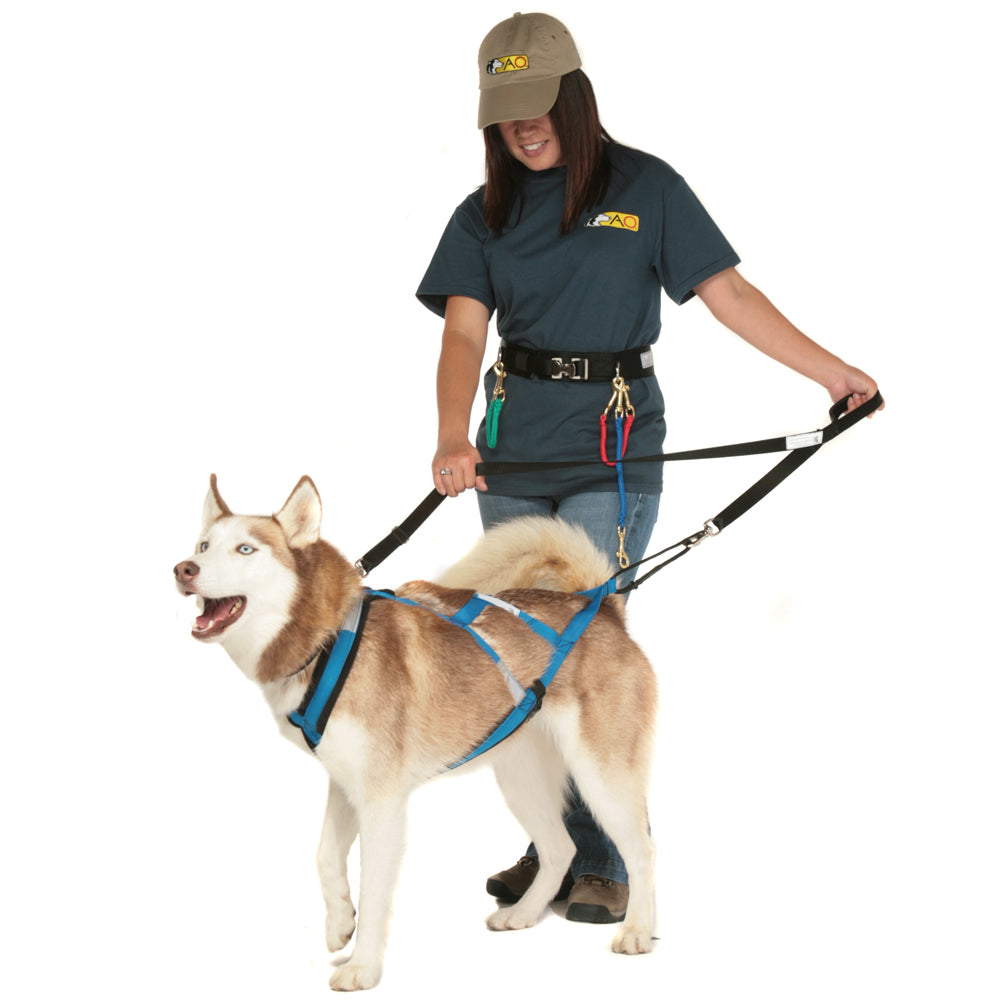
Yes, you can teach any dogpuppy or adultto stroll nicely on a leash in just a few weeks if you follow the right steps. Below youll find the exact gear, drills, and mindset you need to turn chaotic tugofwar walks into relaxed adventures you both enjoy.
Well walk through the basics, dive into gear choices, break down proven techniques, and even share a quick progress tracker so you know exactly how far youve come. Ready to ditch the pulling and feel the breeze together?
Why Leash Training
Leash training isnt just a nicetohave trick; its a safety net for you, your dog, and the world around you. A welltrained leash walk reduces the risk of accidents, protects your dogs joints from sudden jerks, and lets you both explore new places without anxiety. On the flip side, ignoring leash manners can lead to injuries, stress, and strained relationships. As a certified canine behaviorist once told me, A dog that walks loosely on a leash is a confident dog that trusts its handler.
Realworld example
Take Bella, a 2yearold Labrador who used to pull like a tiny freight train. After three weeks of consistent short sessions, she now walks beside her owner with just a gentle tug when she gets excited. The transformation was so dramatic that her vet noted a measurable drop in joint strain during walks.
Before & after video
Check out the how to teach a dog to walk on a leash YouTube demonstration (linked in the video description) to see Bellas progress in action.
Gear Essentials
Choosing the right equipment is the foundation of any successful leash training program. A wrong collar or an overlong leash can sabotage even the most patient trainer.
Checklist for every dog
- Adjustable martingale collar or frontclip harness (ideal for pullers and puppies).
- 4ft to 5ft sturdy leashstart short, then graduate to a longer lead for realworld practice.
- Highvalue treats that your dog will gobble in under five seconds.
- Clicker or a consistent marker word (e.g., yes!) to signal the right behavior.
Gear comparison
| Gear | Cost | Best For | Vetapproved? |
|---|---|---|---|
| Frontclip harness | $15$30 | Pullers / Puppies | |
| Martingale collar | $10$20 | Adult dogs (no neck issues) | |
| Standard 4ft leash | $8$12 | Training walks | |
| Retractable leash | $12$25 | Not recommended for training |
Need a stepbystep guide on picking the perfect setup? Check out our leash training for dogs step by step article for a deeper dive.
Core Training Steps
Now that youve got the gear, its time to teach your dog the language of looseleash walking. Keep sessions short (510 minutes) and fun. Consistency beats intensity any day.
Build the relationship first
Before you even pick up the leash, let your dog wear the collar or harness around the house for a few minutes while you play. This helps them associate the equipment with positive experiences, not punishment.
Stop & Wait technique
Whenever the leash tightens, stop walking immediately. Wait until the slack appears, then give a cue like lets go and resume. This simple pause teaches your dog that pulling doesnt get them forward.
Turn & Change Direction
If tension builds, give a gentle pull on the leash, turn around 180, and walk the opposite way. Your dog quickly learns that pulling leads to a change in directionnot the adventure they wanted.
Stepbystep drill sheet
| Step | Action | Cue Word | Duration |
|---|---|---|---|
| 1 | Start walking | Lets go | 5sec |
| 2 | Tension stop | Stop | 23sec |
| 3 | Slack reward | Good | 1sec |
| 4 | Continue forward | Lets go |
If youre wondering how to train your dog to walk on a leash without tugging, these drills are exactly what you need.
DogSpecific Plans
Every dog is a unique personality, so adapt the training to their age, temperament, and past experiences.
Puppy leashes
Puppies have delicate necks and short attention spans. Use a lightweight harness and a 4ft leash. Keep sessions to five minutes, and sprinkle in lots of praise and treats. The followme cue works wonders: hold a treat at your side and encourage the pup to stay close.
Adult dog training
Older dogs might have ingrained habits or previous negative leash experiences. Start with desensitizationlet them sniff the leash, attach it for a few seconds, and reward calm behavior. Then gradually increase walk length while using the stop & wait method.
Minicase: Max the German Shepherd
Max was a 4yearold German Shepherd who loved to charge ahead. Over four weeks of consistent turn & change drills, he learned to walk beside his owner without pulling 90% of the time.
Unruly or reactive dogs
If your dog gets overstimulated by other dogs or people, find a calm place (a quiet corner of the park) and practice a focus exercise: hold a treat at nose level, say the dogs name, and reward any eye contact. When progress stalls, consider a professional behaviorists help.
Time Expectations
Most owners see noticeable improvement within 24 weeks of daily short sessions. However, the exact timeline depends on factors like age, previous habits, consistency, and any underlying health issues.
Progress tracker
| Week | Looseleash % of Walk | Notes |
|---|---|---|
| 1 | 10% | Short indoor walks, lots of rewards. |
| 2 | 30% | Introduce mild distractions. |
| 3 | 60% | Begin outdoor walks on quiet streets. |
| 4 | 90% | Full walks with occasional mild pulls. |
If you notice no progress after a month, it might be time to reassess your cues, gear, or seek a trainers input.
Common Mistakes & Fixes
Even seasoned owners slip up. Spot these pitfalls early and correct them before they become habits.
| Mistake | Why it fails | Fix |
|---|---|---|
| Pulling on the leash to lead | Increases tension; teaches dog pulling works | Use stop & wait instead |
| Using a retractable leash for training | No feedback, encourages pulling | Switch to a fixedlength leash |
| Inconsistent cues | Dog gets confused about expectations | Stick to 12 cue words only |
| Rewarding only after the walk ends | Misses teachable moments | Reward instantly when slack appears |
Helpful Resources
For deeper insights, you might want to explore these trusted sources (all reputable and vetapproved):
- AKC Expert Advice: How to Train a Dog or Puppy to Walk on a Leash.
- PetMD: Stepbystep leash training guide.
- Supernova Dogs: 6 Training Tips for Loose Leash Walking.
- YouTube: Search for Leash Walking Training For Dogs That Are ALWAYS Pulling! for visual demos.
If youre starting from scratch with a new pup, check out our dedicated guide on How to leash train a puppy. For older companions, the How to leash train an adult dog article walks you through the nuances of adult learning.
Conclusion
Leash training a dog doesnt have to be a nightmareby picking the right gear, mastering a few simple cues, and staying consistent, most pets can walk politely in just a few weeks. Remember to start slow, reward every bit of slack, and adapt the drills to your dogs age and temperament. If you hit a snag, the resources above will guide you back on track. Ready to enjoy calm, fun walks with your furry friend? Grab a harness, set a timer for fiveminute sessions, and start practicing today. Whats your biggest leash challenge? Share your story in the commentswere all learning together!
FAQs
How long does it typically take to see results with leash training dog?
Most owners notice noticeable improvement within 2‑4 weeks of short, consistent daily sessions, though full reliability can take up to 24 weeks.
What type of gear is best for a dog that pulls a lot?
A front‑clip harness or a well‑fitted martingale collar combined with a short 4‑5 ft sturdy leash provides the most control without hurting the dog’s neck.
Can I use a retractable leash for leash training dog?
Retractable leashes are not recommended for training because they give no feedback and often encourage pulling.
How should I reward my dog during leash training?
Reward instantly with a high‑value treat or enthusiastic praise the moment slack appears in the leash, reinforcing the loose‑leash behavior.
What’s the “stop & wait” technique?
When the leash tightens, stop walking immediately, wait for the dog to release tension, then give a cue like “let’s go” and resume.


