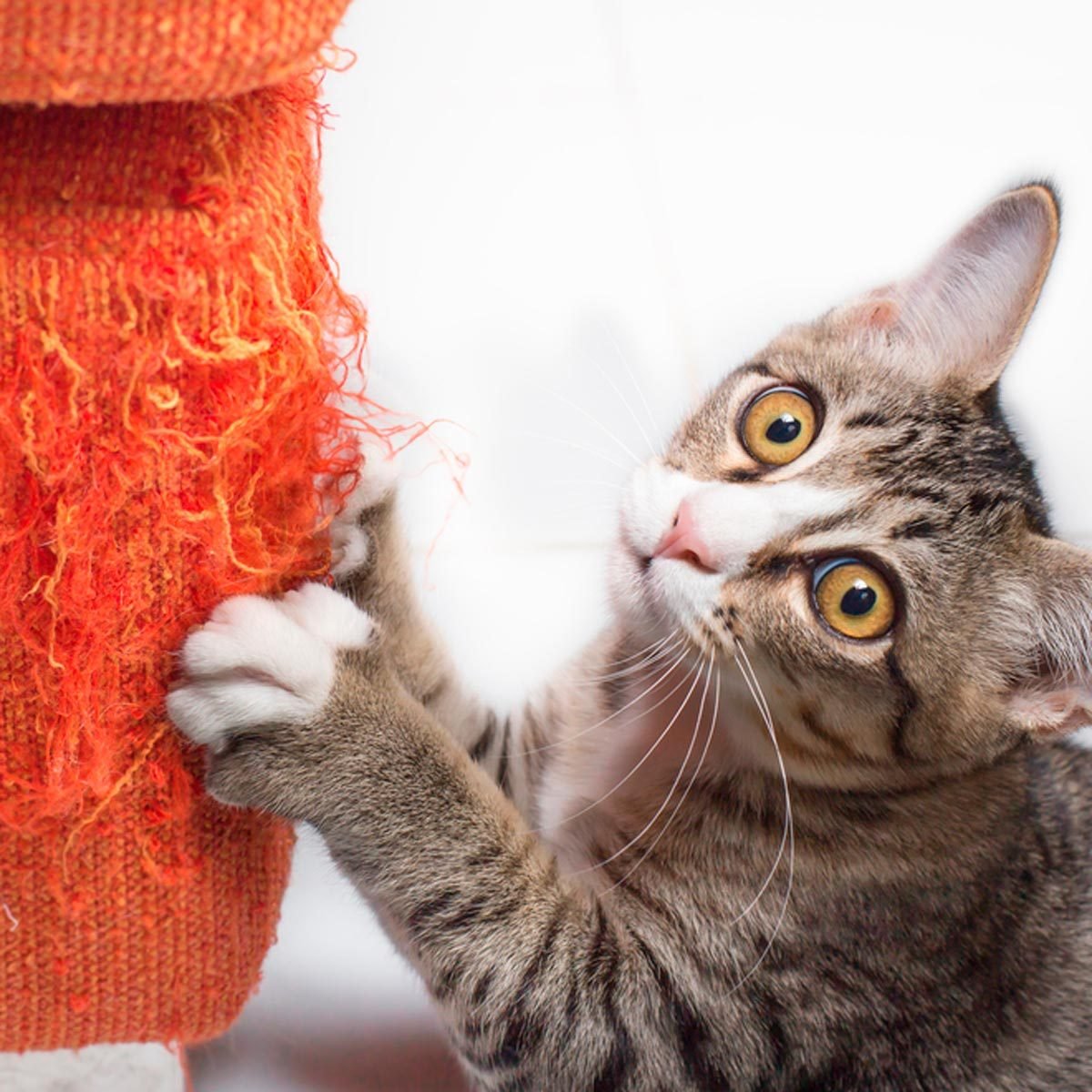
Okay, lets cut to the chase: youve tried moving the cat tree, buying a fancy scratching post, and even bribing your feline with tuna, yet your sofa still looks like a battlefield. The quick fix? A reliable catrepellent spray that actually works and pairing it with a good scratching alternative. Below youll discover why cats scratch, how the chemistry of sprays fools their noses, the top products for 2025, easy DIY mixes, and a handful of realworld stories that prove this stuff really works.
Why Cats Scratch
Natural instincts and territorial marking
Cats are born climbers and clawsharpeners. Scratching lets them file down overgrown nails, stretch limbs, and, most importantly, leave scent markers from the glands in their paws. Think of it as their version of posting a Do Not Disturb sign on your favorite armchair.
Common triggers in the home
Stress, boredom, a lack of appropriate surfaces, or even a sudden change in routine can push a cat to redecorate your furniture. If you notice your kitty scratching more after a move, a new pet, or a loud thunderstorm, youve probably hit one of those triggers.
Want a deeper dive into the behavior? Check out our guide on how to stop cat scratching furniture. It walks you through the psychology behind the claws.
How Spray Works
The chemistry of catrepellent scents
Most effective sprays rely on scents cats find downright offensive. Citrus oils (lemon, orange), bitter orange extracts, valerian, and synthetic pheromones are the usual suspects. Cats have a highly tuned olfactory system, and these aromas either overload it or signal danger, prompting them to steer clear.
Ingredient comparison
| Ingredient | Typical Concentration | Cat Aversion Rating* | Safety Notes |
|---|---|---|---|
| Citrus (lemon, orange) | 515% | High | Safe for most fabrics; avoid direct skin contact. |
| Bitter orange (Citrusaurantium) | 38% | MediumHigh | Great on upholstery, a bit milder on leather. |
| Lavender / Peppermint | 25% | LowMedium | May attract some cats; use with caution. |
| Synthetic pheromone (Feliway) | 0.52% | Medium | Calms rather than repels; works best with training. |
*Rating based on 20232025 veterinary surveys.
Top Commercial Sprays
Stelucca Amazing Shields
This chemicalfree spray tops our list because it blends citrus and bitter orange without alcohol, making it safe for fabric, wood, and even some leathers. Users report a 90% drop in scratches within the first week.
How to apply
1. Clean the surface with a mild soap.
2. Test a hidden spot for colorfastness.
3. Hold the bottle 10cm from the furniture and mist evenly.
4. Let dry 15 minutes, then reapply every 23weeks.
Emilys Best Cat Scratch Deterrent
Amazons bestseller, praised for its fastdry formula. It works on wood, leather, and upholstery, but the strong citrus scent can be noticeable to humans.
Pros & Cons
| Pros | Cons |
|---|---|
| Quick drying, no residue | Strong scent may bother some people |
| Works on leather | Needs reapplication after cleaning |
Other notable picks
Feliway Classic, PetSafe Bitter Orange Spray, Natures Miracle Cat Repellent, and the budgetfriendly Cat Scratch Furniture Protector Spray from a major pharmacy chain all earn a spot on the shortlist. Each offers a slightly different scent profile, so you can pick what feels least intrusive for both you and your cat.
DIY Homemade Sprays
Classic vinegarcitrus spray
Ingredients: 1 part white vinegar, 4 parts water, 1tablespoon lemon juice. Mix in a spray bottle, shake well, and spritz. Vinegars acidity messes with a cats nose, while lemon adds that fresh citrus punch cats hate.
Stepbystep guide
1. Combine the liquids in a spray bottle.
2. Label the bottle (so you dont accidentally use it on plants).
3. Test on a hidden fabric edge.
4. Apply to furniture, let dry, and reapply weekly.
Essentialoil blend (no vinegar)
Mix cup water, 1tablespoon witch hazel, 10drops orange oil, and 5drops citronella. This version is gentler on leather and leaves a pleasant scent for you while staying nogo for cats.
Safety disclaimer
Never spray directly onto a cats face, eyes, or mouth. Keep out of reach of pets and children, and always do a fabric test first.
When DIY works (and when it doesnt)
DIY mixes are perfect for lowtraffic chairs or temporary protection. Theyre less durable than commercial formulas, which often contain binders to cling longer to fabric. If you have heavyuse furniture, a storebought spray is usually the safer bet.
Looking for more creative recipes? Our Homemade spray to stop cats from scratching furniture page walks you through several variations, including a vinegarfree version for sensitive cats.
Pairing Sprays With Training
Provide an appealing scratching post
Even the best catrepellent wont work if your kitty has nowhere else to satisfy that instinct. Sisal ropes, corrugated cardboard, and carpeted pads are all winners. Place the post near the problem furniture, then gradually move it to a more convenient spot.
Redirection routine
Whenever you see your cat eyeing the sofa, pick them up, gently move them to the post, and say a cheerful Great job! Reward with a treat after a few successful scratches. Consistency beats intimidation every time.
Use pheromone diffusers alongside repellent spray
Pheromone diffusers (like Feliway) release calming chemicals that reduce stressrelated scratching. While the spray says stay away, the diffuser says feel safe. Together, they create a balanced environment.
If youre hunting for natural remedies that dont involve chemicals, check out our article on How to stop cats from scratching furniture home remedy. Its packed with tips you can try alongside any spray.
Special Considerations
Spray safety on leather & faux leather
Leather lovers, listen up not all sprays are leatherfriendly. Citrusonly formulations without alcohol are your best bet. Always test a tiny corner first, then condition the leather before applying any spray.
Leathercare checklist
1. Clean with a leatherspecific cleaner.
2. Condition to restore oils.
3. Apply a thin layer of citrusonly spray.
4. Recondition after 46 weeks.
Cats with heightened scent sensitivity or medical issues
If your feline has respiratory problems or is a senior cat, consult your vet before using strong citrus sprays. In those cases, a physical barrier (like a washable slipcover) may be safer.
Frequently Asked Questions
Can I use the same spray outdoors?
Yes just choose a weatherresistant formula. Reapply after rain or heavy dew.
How often should I reapply the spray?
Typically every 23weeks, or whenever you clean the furniture.
Will the spray harm my cats paws?
When used as directed, no. Avoid direct contact with eyes or mouth, and keep the spray away from food dishes.
Is a citrus spray safe for pregnant cats?
Mild citrus is generally safe, but always doublecheck with your vet if youre unsure.
Commercial vs. DIY Sprays
| Factor | Commercial Spray (e.g., Stelucca) | DIY CitrusVinegar Mix |
|---|---|---|
| Ease of use | Readytospray | Requires mixing |
| Longevity | 34weeks per coat | 12weeks |
| Cost per application | $0.30 | $0.05 |
| Fabric safety | Labtested | Selftested |
| Scent strength | Moderate | Strong citrus |
| Availability | Online & stores | Kitchen pantry |
Mistakes to Avoid
Overspraying
Too much spray can saturate upholstery, cause discoloration, and create odors that bother guests. Less is more a light mist is enough.
Skipping the cleaning step
Dust and oils shield the scent from reaching your cats nose. Always wipe surfaces with a mild cleaner before spraying.
Relying on spray alone
Without a proper scratching outlet, the cat will keep seeking new targets. Think of the spray as a traffic sign and the post as the road theyre supposed to take.
RealWorld Success Stories
Case Study 1 Mias sofa saved in 3 days
Emily, a busy mom of two, tried the Stelucca spray on her lightgray sofa while placing a tall sisal post nearby. Within 48hours, the cats claws stayed off the fabric. Emily reports a 90% reduction in damage after one week.
Case Study 2 DIY spray rescued grandmas leather armchair
Marks 78yearold grandmother loved her vintage leather armchair but dreaded cat claw marks. He mixed the vinegarcitrus solution, applied it weekly, and added a small, leathersafe scratch pad next to the chair. After a month, the armchair was pristine, and the cat happily used the pad.
Conclusion
Stopping cats from turning your beloved furniture into a personal claw gym isnt about punishing your pet; its about understanding their instincts and giving them a better way to satisfy them. The most effective approach blends a proven best spray to stop cats from scratching furniture with a generous supply of appropriate scratching posts, occasional pheromone diffusers, and a sprinkle of patience.
Pick a commercial spray that matches your furniture type, or whip up a simple homemade blend if you love a DIY challenge. Reapply every few weeks, keep the surfaces clean, and always provide an appealing alternative. Before long, youll notice fewer shredded cushions and a calmer kitty who knows exactly where its okay to stretch those claws.
Got a favorite spray or a DIY recipe that saved your couch? Share your story in the comments were all ears! And if youre curious about other catcare tips, explore our other guides linked throughout the article. Happy scratching (in the right places)!
FAQs
How often should I reapply the spray?
For most commercial formulas, reapply every 2‑3 weeks or after cleaning the furniture. DIY mixes may need weekly re‑application.
Is the spray safe for leather and faux‑leather furniture?
Choose a citrus‑only, alcohol‑free spray. Test a hidden spot first, then condition the leather before applying to avoid drying or discoloration.
Can I make my own cat repellent spray at home?
Yes. Simple recipes like a vinegar‑citrus mix (1 part white vinegar, 4 parts water, 1 Tbsp lemon juice) or an essential‑oil blend work well on low‑traffic surfaces.
Will the spray affect my cat’s health or breathing?
When used as directed, the sprays are safe. Avoid spraying near the cat’s face, eyes, or mouth, and keep the area well‑ventilated, especially for seniors or cats with respiratory issues.
Do I still need a scratching post if I use a repellent spray?
Absolutely. The spray deters cats from the furniture, but a proper scratching post satisfies their natural instinct and prevents them from finding new targets.