Did you notice your feline friend constantly scratching, vomiting, or having smelly, loose stools? It can feel like youre watching a tiny, fluffy drama unfold, and the plot twist is often hidden in the food bowl. Hydrolyzed protein cat food is a specially formulated diet that breaks protein molecules into tiny fragments, making them invisible to an overreactive immune system. In plain English, its a way to give your cat the nutrition they need without triggering those nasty allergic reactions.
In the next few minutes youll learn exactly what hydrolyzed protein cat food is, when its the right choice, how to pick the best brand (wet or dry), what side effects to watch for, and even a simple DIY tip if youre feeling adventurous. Grab a cup of tea, settle in, and lets talk cat nutrition like old friends.
What Is Hydrolyzed?
Definition & How It Works
Hydrolyzed protein means the protein has been broken down (hydrolyzed) into very small peptidesusually less than 10 kilodaltons. These tiny pieces are too small for the cats immune system to recognize as allergens, so the typical IgEmediated reaction (think itching, vomiting, gas) is largely avoided. Think of it like shredding a confidential document into confetti; the information is still there, but it cant be read.
Science Behind the Claims
Recent peerreviewed studies published in the Journal of Feline Medicine and Surgery (2023) showed that cats with foodproteininduced enteropathy experienced a 70% reduction in diarrhea after switching to a hydrolyzed diet for just four weeks. The FDA also lists hydrolyzed diets as an accepted therapeutic approach for diagnosing food allergies in cats.
Hydrolyzed vs. Traditional Diet
| Aspect | Hydrolyzed Protein | Regular Commercial |
|---|---|---|
| Protein size | <10kDa (tiny peptides) | Fulllength proteins |
| Allergenicity | Low | Variable |
| Typical uses | Food allergies, IBD, skin issues | General maintenance |
| Cost | Higher | Standard |
When To Use
Common Clinical Indications
Veterinarians often recommend hydrolyzed protein cat food for:
- Confirmed or suspected foodprotein allergies
- Inflammatory bowel disease (IBD)
- Eosinophilic gastroenteritis
- Chronic dermatitis, ear infections, or pawing
How Vets Diagnose the Need
The goldstandard approach is an elimination trial: the cat is fed a novel or hydrolyzed diet for 812 weeks while all other foods and treats are removed. If symptoms improve, the diet is likely the culprit. Blood tests for serum IgE, skin scrapings, or endoscopic biopsies can add extra confidence.
Owner Signs to Look For
Even without a vets diagnosis, you may notice:
- Recurrent loose stools or excessive gas
- Frequent vomiting after meals
- Itchy skin, hair loss, or red patches
- Persistent ear inflammation
If any of these ring a bell, a conversation with your veterinarian about hydrolyzed protein cat food could be the next step.
Choosing The Right
Wet vs. Dry Formulas
Both hydrolyzed protein cat food wet and hydrolyzed protein cat food dry have their perks. Wet formulas provide extra moisturegreat for cats that dont drink enough water and for better palatability. Dry kibble is convenient for storage, can help with dental health, and often costs a bit less per serving.
Top Commercial Brands
Heres a quick look at the most widelyavailable prescription and overthecounter options:
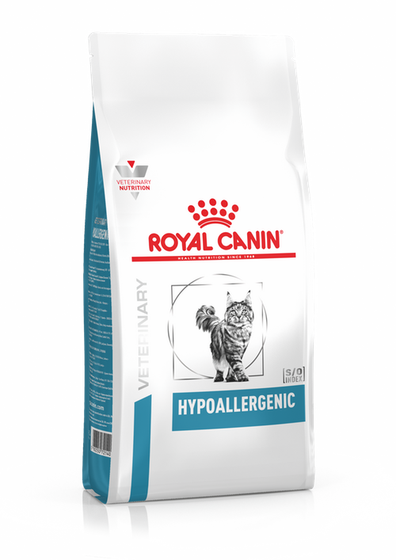
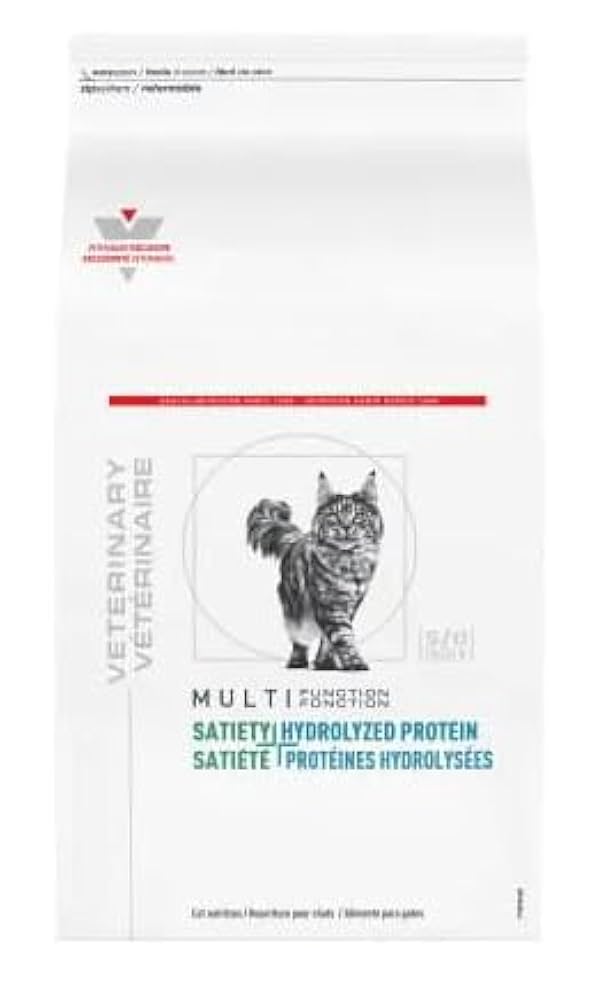
- Royal Canin Hydrolyzed Protein Available in both wet and dry, this brand is praised for its precise nutrient balance and is often the goto in veterinary clinics.
- Hills Prescription Diet z/d A classic hydrolyzed offering that comes in dry kibble; the z/d stands for zero dietary allergens.
- Purina Pro Plan HA Another reliable dry formula, sometimes easier to find at bigbox retailers.
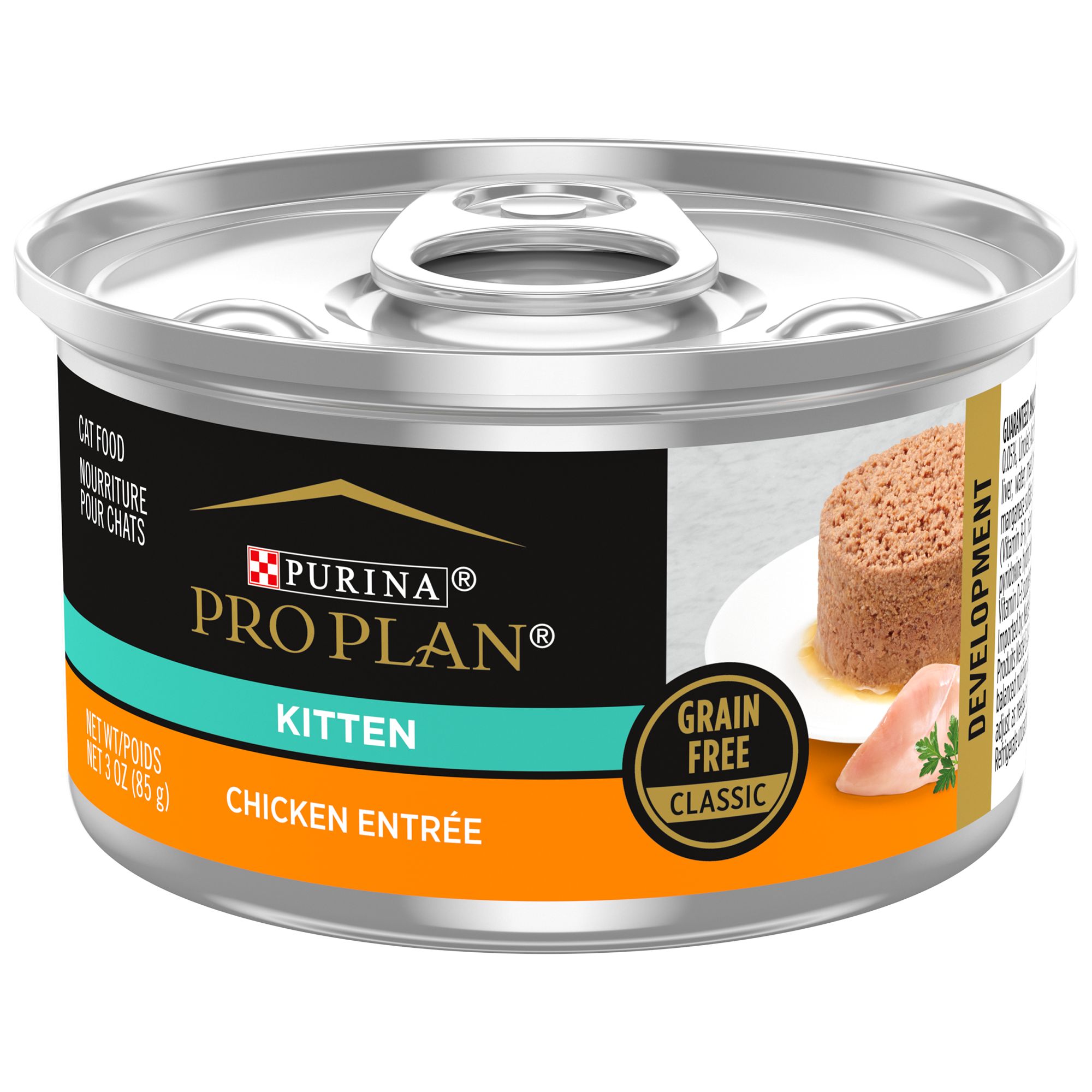
- Purina Hydrolyzed Cat Food (wet) Provides the same peptide breakdown in a tasty pate.
Do You Need a Vet Prescription?
Some hydrolyzed dietslike Royal Canin and Hillsare prescriptiononly in many countries, meaning youll need a vets approval to purchase them. However, there are purina hypoallergenic cat food options that are sold over the counter and still meet the hydrolysis criteria. Always doublecheck the label for hydrolyzed protein and consult your vet if youre unsure.
Price & Availability Comparison
| Brand | Form | Price (5lb bag / 24oz can) | Where to Buy |
|---|---|---|---|
| Royal Canin | Dry & Wet | $45 / $2.30 per can | Vet clinic, Chewy |
| Hills z/d | Dry | $50 / N/A | Vet clinic, Amazon |
| Purina Hydrolyzed | Wet | $2.15 per can | Pet stores, online |
| Purina Pro Plan HA | Dry | $42 | Pet stores, Chewy |
Quick Checklist for Choosing
- Ask your vet which brand they recommend for your cats specific condition.
- Decide wet vs. dry based on your cats water intake and preference.
- Check if a prescription is required.
- Compare cost per serving and ensure you can afford a consistent supply.
Potential Side Effects
Common Mild Issues
Switching to a new diet can be a bit of a rollercoaster. Some cats experience:
- Slightly softer stools for the first few days
- Reduced appetite during the transition phase
- Occasional mild gas
These symptoms usually resolve within a week as the gut adjusts.
Rare but Serious Concerns
Because hydrolyzed diets are nutritionally complete, longterm use is generally safe. However, if a cat is fed solely this diet without periodic veterinary monitoring, theres a small risk of:
- Mineral imbalances (especially calcium/phosphorus)
- Missing out on certain phytonutrients found in natural wholefood diets
When to Call the Vet
If you notice any of the following, reach out to your veterinarian promptly:
- Persistent vomiting for more than 24 hours
- Weight loss despite eating the new food
- Lethargy, fever, or signs of pain
- Severe skin reactions (swelling, hives)
Transitioning Your Cat
StepbyStep Transition Plan (710 Days)
- Day 12: Mix 25% hydrolyzed food with 75% the current food.
- Day 34: Increase to 50% hydrolyzed, 50% old.
- Day 56: 75% hydrolyzed, 25% old.
- Day 7 onward: 100% hydrolyzed.
Adjust the timeline if your cat is particularly picky; a slower transition (up to 14 days) can reduce stress.
Tips for Picky Eaters
- Warm wet cans slightly (room temperature) to release aroma.
- Add a splash of lowsodium chicken broth (make sure it has no onion or garlic).
- Use puzzle feeders or treattopping motions to make mealtime a game.
DIY Hydrolyzed Cat Food (Advanced)
If you love kitchen experiments, you can try how to make hydrolyzed protein cat food at home. The basic idea is to cook a lean protein (like chicken breast), then treat it with an enzyme blend (protease) that breaks the proteins into peptides. However, ensuring complete hydrolysis and balanced nutrients is tricky. Most cat owners are better off sticking with commercial formulas unless you have a background in animal nutrition.
Alternative Options
NovelProtein Diets
Instead of hydrolysis, some vets suggest feeding a novel protein (e.g., duck, venison, rabbit) that your cat has never eaten before. This can be a good alternative if hydrolyzed diets are costprohibitive or your cat refuses the taste.
LimitedIngredient Commercial Diets
These diets simplify the ingredient list to reduce the chance of an allergic reaction. Brands like Purina liveclear cat food aim for a short, recognizable component list, but they arent hydrolyzed and may still trigger sensitivities in some cats.
When Hydrolyzed Isnt Best
Consider the following scenarios:
- Budget constraints hydrolyzed foods often carry a premium price tag.
- Longterm palatability some cats grow bored after months.
- Specific medical conditions certain kidney or liver issues may need a different protein profile.
If any of these apply, discuss with your vet the possibility of rotating to a novelprotein diet or a limitedingredient formula.
Comparison Matrix
| Option | Pros | Cons |
|---|---|---|
| Hydrolyzed Protein | Low allergenicity, vetbacked, comprehensive nutrition | Higher cost, may require prescription |
| Novel Protein | Usually cheaper, good taste | Potential for new allergies, not always as rigorously tested |
| LimitedIngredient | Simple ingredient list, widely available | May still contain allergens, variable peptide size |
Putting It All Together
Choosing the right diet for a cat with food sensitivities can feel like solving a puzzle, but you dont have to do it alone. Start by observing your cats symptoms, talk to a trusted veterinarian, and use the guidance above to pick a suitable brandwhether its Royal Canin, Hills, or an overthecounter alternative like Purina hypoallergenic cat food wet. Remember that the transition period is crucial; give your cat time to adjust and monitor for any side effects.
Take note of how your cats coat, energy, and bathroom habits change. A successful switch can mean fewer vet visits, a happier belly, and a sleek, shiny coatsomething every cat (and cat parent) loves.
Conclusion
Hydrolyzed protein cat food is a powerful tool in the fight against foodrelated allergies, digestive upset, and itchy skin. By understanding what the diet does, when its appropriate, and how to choose and transition to the right product, you empower yourself to give your feline companion the relief they deserve. Balance the benefits with potential side effects, keep an open line with your vet, and dont forget to celebrate the small victorieslike the first time your cat finishes a bowl without a protest. Have you tried a hydrolyzed diet before? Share your experience in the comments below, and feel free to ask any lingering questions. Together, well keep our whiskered friends thriving!