Hey there, fellow cat lover! If you’ve ever stared at a bag of kibble and a can of pâté wondering, “How much of each should I actually give my furball?” you’re not alone. Guessing can lead to extra pounds, cranky stomachs, or even urinary problems. The good news? A simple mixing wet and dry cat food calculator can give you a clear, vet‑backed answer in seconds. Let’s walk through it together, step by step, and make feeding time feel less like a math test and more like a friendly chat.
Why It Matters
Common Mistakes Everyone Makes
Most owners treat the “per can” or “per cup” directions on the package as gospel. That works okay for a single‑type diet, but when you start mixing, those numbers add up fast. You might end up feeding 30% more calories than your cat needs, which, over a few months, can turn a sleek tabby into a lounging heavyweight.
Balancing Benefits and Risks
Wet food gives cats the hydration they crave – think of it as a tasty water bowl – while dry kibble helps keep teeth cleaner and is super convenient for free‑feeding. Mixing lets you capture the best of both worlds, but only if you know the exact calorie balance. That’s where the calculator shines.
Real‑World Example
Meet Milo, a 5 kg indoor tuxedo cat. His owner fed him two 85 g wet cans plus half a cup of dry each day, assuming more is better. In reality, Milo was getting about 30% extra calories, and after three months he’d bulked up two kilograms. A quick run through the calculator would have shown a daily target of roughly 200 kcal – something like 1.5 cans and a quarter cup dry – keeping his weight spot‑on.
What Vets Say
Board‑certified feline nutritionists agree: calorie‑based feeding is the gold standard for maintaining healthy body condition. They recommend using AAFCO guidelines as a baseline and adjusting for age, activity, and health status.
How It Works
Step 1: Gather Your Cat’s Basics
Grab a pen (or your phone) and note these three things:
- Weight in kilograms or pounds (we’ll show a quick conversion).
- Lifestage – kitten, adult, or senior.
- Activity level – indoor couch‑potato, outdoor explorer, or somewhere in between.
Quick Conversion Tip
If you only know pounds, divide by 2.2 to get kilograms. For example, 11 lb ÷ 2.2 ≈ 5 kg.
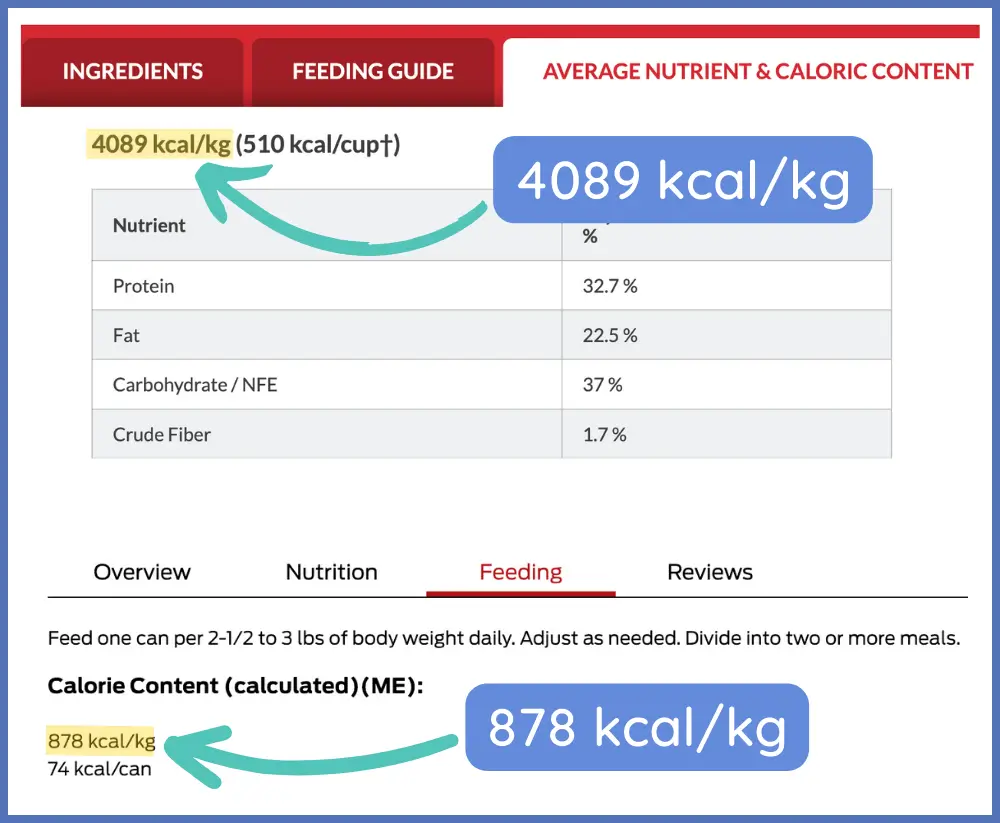
Step 2: Input Calorie Values for Wet and Dry
Here’s a handy reference most brands follow:
| Food Type | Average kcal per Unit | Typical Serving Size |
|---|---|---|
| Wet can (85 g) | 73 kcal | 1 can |
| Dry kibble (1 cup) | 320 kcal | 1 cup |
| Dry kibble (½ cup) | 160 kcal | ½ cup |
| Wet cat food (by weight) | 1 kcal / g | 100 g = 100 kcal |
Where These Numbers Come From
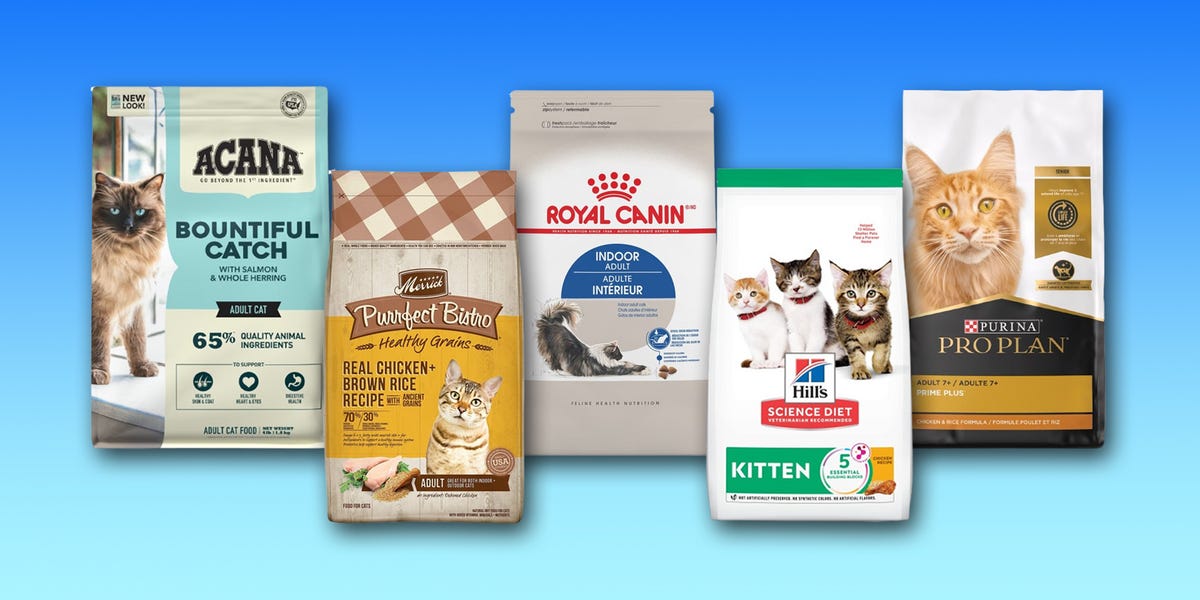
They’re compiled from common brands like Purina, Royal Canin, and generic store labels. If you have a specific product, just swap in its exact kcal per can or per cup—you’ll get a more precise result. For those hunting the healthiest options, checking out reviews of the best grain-free cat food can help you pick a low‑carb kibble that still hits the calorie target.
Step 3: Calculate Daily Calorie Target
We’ll use a simple, vet‑approved formula:
Target kcal = (Weight × 30) + 70
This gives a baseline for a neutered adult cat. Adjustments:
- +10% for highly active cats.
- ‑10% for weight‑loss goals.
- ‑20% for seniors with reduced activity.
Sample Calculation
Suppose Bella weighs 4 kg, is an indoor adult, and has moderate activity.
Target kcal = (4 kg × 30) + 70 = 190 kcal.
If you want a 60% wet / 40% dry mix:
- Wet portion: 190 kcal × 0.60 = 114 kcal → ≈ 1.6 cans (85 g each).
- Dry portion: 190 kcal × 0.40 = 76 kcal → ≈ ¼ cup kibble.
Step 4: Fine‑Tune for Special Goals
Want your cat to shed a few pounds? Reduce the total calories by about 10% and keep the same wet/dry ratio. Planning for a senior with kidney concerns? Boost the wet fraction to 80% and lower the overall kcal by 10%—wet food is naturally lower in sodium and higher in moisture.
Weight‑Loss Calculator Snapshot
Take the target kcal from Step 3, multiply by 0.90. Then recompute the wet and dry portions using the same ratio you prefer. This tiny tweak can make a huge difference over weeks.
Choose Your Ratio
Standard Ratios by LifeStage
| LifeStage | Typical Wet/Dry Ratio | Why It Works |
|---|---|---|
| Kitten (up to 12 mo) | 70% wet / 30% dry | High moisture supports kidney health; soft texture aids tiny teeth. |
| Adult (active) | 60% wet / 40% dry | Balanced energy and dental cleaning. |
| Senior / Kidney‑Sensitive | 80% wet / 20% dry | More hydration, lower sodium, easier chewing. |
| Overweight | 70% wet / 30% dry (lower kcal) | Wet food is less caloriedense per gram. |
Expert Insight
Veterinarians often recommend a wetter diet for cats prone to urinary tract issues because the extra moisture dilutes urine concentration. Dry kibble still has a place, especially for cats that love to gnaw and for owners who need a convenient feeding option. For a deeper dive, check out this wet vs dry cat food comparison article.
When to Shift the Mix
Life isn’t static, and neither is a cat’s appetite. Here are some situations that call for a ratio tweak:
- Picky Eaters: Start with a 1:1 mix, then gradually increase the wet portion over a week.
- Post‑Surgery: Follow your vet’s recommendation – often a higher‑wet, lower‑calorie plan helps with recovery.
- Dental Issues: Boost dry kibble to 60% to provide gentle abrasion, but keep an eye on hydration.
Personal Anecdote
When my Maine Coon, Luna, stopped drinking water, I switched her from a 50/50 split to 75% wet. Within two weeks her urinary crystals vanished, and she seemed perkier. It’s a small change with big rewards.
Build a Trustworthy Feeding Plan
Consult Your Vet
Even the smartest calculator is a tool, not a substitute for professional advice. If your cat has medical conditions—diabetes, kidney disease, allergies—let your veterinarian fine‑tune the numbers.
Track Daily Intake
Use a simple spreadsheet or a printable feeding sheet (feel free to copy the table below). Write down the weight, target calories, wet cans, and dry cups each day. This habit helps you spot trends early, like an unexpected weight gain.
Printable Feeding Sheet (Copy‑Paste)
| Date | Weight (kg) | Target kcal | Wet cans | Dry cups | Notes |
|---|---|---|---|---|---|
| 2025‑09‑08 | |||||
| 2025‑09‑15 | |||||
| 2025‑09‑22 |
Re‑Calculate Every Few Months
As your cat matures, gains or loses weight, or changes activity levels, rerun the mixing wet and dry cat food calculator. A 5% adjustment is often enough to keep things on track.
Tools & Resources You’ll Love
While we can’t link directly, there are a handful of reputable online calculators you can search for—just type “mixing wet and dry cat food calculator” into your favorite search engine. Look for tools that let you input weight, activity, and desired wet/dry split; most also let you save a profile for future updates.
Wrap‑Up: Your New Feeding Confidence
We’ve covered why a mixing wet and dry cat food calculator matters, how to use it, which ratios suit different lifestages, and how to turn numbers into a trustworthy feeding plan. The bottom line? Feeding your cat isn’t a guessing game; it’s a science you can master with a few minutes of data entry and a dash of love.
Now, grab that calculator, plug in your cat’s details, and watch the numbers do the heavy lifting. Then, sit back with a bowl of kibble (or a can of pâté) and enjoy the peace of mind that comes from knowing you’re giving your feline the perfect blend of nutrition, hydration, and joy.
What’s your cat’s favorite wet‑dry combo? Drop a comment below, share your success stories, or ask any lingering questions. We’re all ears—and whiskers!
Looking for top‑tier options? Explore the best cat food brands in Europe to compare quality, ingredients, and price points.
FAQs
How do I determine the correct wet‑to‑dry ratio for my cat?
Start by calculating your cat’s daily calorie needs, then decide the percentage you want as wet food (e.g., 60%). Convert the calories into cans and dry kibble portions using the food’s kcal per unit.
What calorie values should I use for wet and dry foods?
Typical values are about 73 kcal per 85 g wet can and 320 kcal per cup of dry kibble, but always check the label of the specific brand you feed.
Can the calculator help with weight‑loss or weight‑gain plans?
Yes. After finding the maintenance calorie target, reduce it by ~10 % for weight loss or increase it by ~10 % for gain, then keep the same wet‑dry split.
How often should I recalculate my cat’s feeding amounts?
Re‑run the calculator every 3‑4 months or whenever your cat’s weight, activity level, or health status changes.
Is the calculator suitable for kittens and senior cats?
Absolutely. Adjust the activity factor and wet‑dry percentages: kittens often need 70 % wet, seniors may benefit from 80 % wet and a slight calorie reduction.