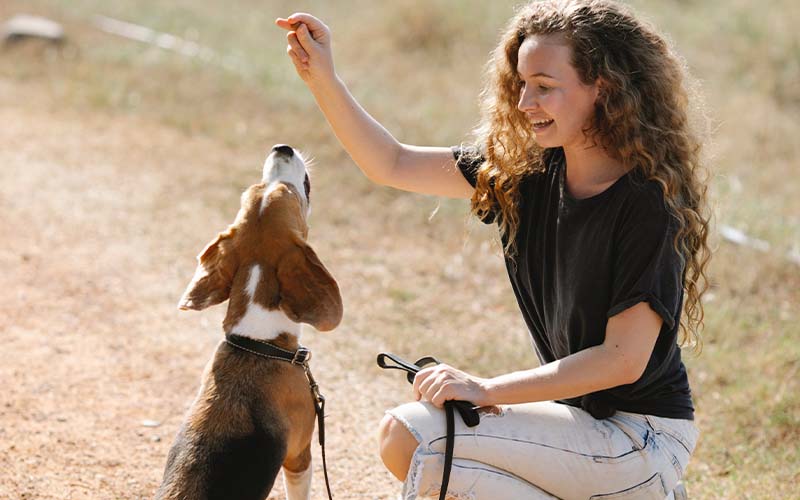
Ever walked out the door and felt that guilty knot in your stomach because your dog whines, paws at the door, or seems downright panicked?That sudden rush of worry is exactly what many pet parents experience when dog separation anxiety when one person leaves hits home. The good news? You dont have to watch your furry friend suffer there are clear signs, practical fixes, and gentle steps you can take right now.
What Triggers It
Why does one person leaving cause such distress?
Dogs are incredibly attuned to routine. When the family member who usually feeds, walks, or cuddles disappears, the pup can interpret it as abandonment. Even if the other household members are present, the sudden change in that specific persons scent, voice, and habit can spark a chain reaction in the dogs brain.
Common triggers
- Sudden change in daily schedule (e.g., working from home to office)
- Loss of a primary caregiver (retirement, moving, hospitalization)
- Previous traumatic separations (e.g., being rehomed)
- Lack of mental stimulation before the departure
Spotting The Signs
How can I tell if my dog is anxious or just saying goodbye?
Its easy to mistake a friendly whine for genuine anxiety. Look for patterns that go beyond a simple see you later routine.
Key symptoms at the door
| Behavior | What it means |
|---|---|
| Persistent barking or howling | Escalates quickly, often continues after youre out of sight |
| Destructive chewing | Attempts to escape or selfsoothe |
| Excessive drooling or panting | Physical stress response |
| Urinating or defecating indoors | Loss of bladder control due to fear |
Notice that these signs often appear only when that particular person leaves. If youve seen similar behavior with other family members, it might be a broader anxiety issue.
Quick Help Strategies
What can I do right this minute to calm my dog?
When the clock is ticking and youve got to dash, a few simple tricks can shave minutes off the panic surge.
Immediate actions
- Use a calming cue: A word like stay relaxed paired with a gentle pat can become a reassuring signal.
- Leave a scent: A worn tshirt or a blanket that smells like you can give a comforting reminder.
- Play background noise: Soft music, a whitenoise machine, or a TV left on can mask the quiet that amplifies anxiety.
- Offer a highvalue chew: A frozen Kong stuffed with peanut butter distracts and soothes.
These shortterm fixes arent a cure, but they buy you time while you work on the deeper plan.
Home Remedy Options
Are there natural ways to ease my dogs nerves?
Absolutely. Many pet parents swear by Home remedies for separation anxiety in dogs. Theyre gentle, inexpensive, and often work handinhand with training.
Top home remedies
- Adaptil diffuser: Releases a synthetic calming pheromone that mimics a mothers scent.
- Herbal supplements: Ltheanine, valerian root, or chamomile (consult your vet first).
- Massage and pressure wraps: A calm, slow rub or a snug dog vest can give a sense of security.
- Exercise before departure: A brisk walk or play session burns excess energy and reduces stress hormones.
What Not To Do
Which common mistakes could make things worse?
Its tempting to scold or punish anxious behavior, but that only tells your pup that youre scared of its emotions. Heres what to avoid:
Bad habits to skip
- Leaving your dog alone for long stretches without gradual training.
- Using harsh corrections (yelling, leash jerks) during anxious episodes.
- Giving treats only when the dog is calm; this can create a rewardonlywhengood mindset.
- Ignoring the problem and hoping it will fade on its own.
Instead, focus on consistent, lowpressure conditioning that builds confidence.
LongTerm Solutions
How can I permanently reduce anxiety when that one person leaves?
Think of anxiety treatment like building a puzzleeach piece matters. A balanced plan mixes training, environment tweaks, and professional help if needed.
Stepbystep roadmap
- Desensitization and counterconditioning: Practice short leaves (30seconds) and slowly lengthen them while rewarding calm behavior.
- Create a safe haven: A crate or a designated room with favorite toys, a comfy bed, and your scent.
- Introduce independence early: Encourage your dog to spend time alone while youre still home (e.g., in a separate room).
- Use behaviormodifying tools: Clicker training, treatdispensing toys, or puzzle feeders keep the mind occupied.
- Consult a professional: If progress stalls, a certified canine behaviorist can tailor a program.
For a deeper dive into systematic solutions, check out dog separation anxiety solutions. It covers everything from daily routines to advanced behavior plans.
When To Seek Vet Help
What signs tell me its more than a behavioral issue?
Sometimes anxiety masks an underlying medical problem. If you notice any of these, schedule a veterinary visit promptly:
Redflag symptoms
- Sudden weight loss or gain
- Frequent vomiting or diarrhea
- Excessive drooling, trembling, or signs of pain
- Changes in appetite unrelated to separation times
Veterinarians can rule out hormonal imbalances, thyroid issues, or pain that might be fueling the anxiety.
Can Separation Anxiety Be Cured?
Is there hope for a full recovery?
While every dog is unique, many owners see marked improvementor even complete resolutionby combining the strategies above. The phrase cure can feel heavy, but think of it as managing anxiety so it no longer controls daily life.
If youre looking for a fasttrack approach, the article on Curing dog separation anxiety quickly offers a condensed plan that emphasizes intensive desensitization.
Recognizing Nighttime Anxiety
Why does my dog act differently when Im asleep?
Many dogs experience heightened fear after dark because the house is quieter and their senses become sharper. You might notice louder howls, pacing, or even attempts to get out of the bedroom.
Tips for calm nights
- Leave a nightlight on to reduce darkness.
- Play a lowvolume radio or white noise.
- Provide a nighttime chew toy that lasts an hour.
- Keep a consistent bedtime routine for both you and your pup.
Final Thoughts
Dealing with dog separation anxiety when one person leaves can feel overwhelming, but rememberyoure not alone, and you have a toolbox full of effective, humane options. From spotting those early warning signs (Dog separation anxiety symptoms) to applying calming home remedies and building longterm confidence, each step you take brings both you and your dog closer to a calmer, happier home.
Take it one day at a time, celebrate the tiny wins, and never hesitate to reach out to a professional when needed. Your dogs peace of mind is worth every ounce of patience and love you invest.
What strategies have worked for you? Share your story in the comments, and lets support each other on this journey!
FAQs
What are the first signs that my dog has separation anxiety when I leave alone?
Typical early indicators include persistent barking or howling at the door, frantic pawing, excessive drooling, panting, destructive chewing, and indoor accidents that only happen when the specific person departs.
How can I desensitize my dog to the departure of one family member?
Start with very short “away” intervals (5‑10 seconds) while the person leaves the house, then gradually increase the time. Pair each departure with a high‑value treat or a favorite toy, and always return calmly without making a big celebration.
Are there safe calming products I can use for immediate relief?
Yes. An Adaptil diffuser or collar releases a synthetic calming pheromone. Herbal supplements such as L‑theanine or valerian (vet‑approved) and a frozen Kong stuffed with peanut butter also provide quick soothing effects.
Can training tools like crates or dog vests help with this specific anxiety?
A properly introduced crate can become a “safe haven,” while a snug anxiety vest gives gentle pressure that many dogs find reassuring. Both should be used positively and never as punishment.
When should I consult a veterinarian or behaviorist for my dog's separation anxiety?
Seek professional help if you notice red‑flag symptoms such as weight loss, chronic vomiting, trembling, signs of pain, or if the anxiety does not improve after several weeks of consistent training.