Got a new pup and the night feels like a lullabybutwithafewhowls? Youre not alone. In the next few minutes youll discover exactly how to help your puppy settle into a crate after dark, why a little crying is normal, and how to turn those restless evenings into calm, cozy nights for both of you.
Why Night Crate Works
Crate training at night isnt a punishmentits a safe den that taps into a dogs natural instincts. When you give your puppy a snug space, youre offering a place they can retreat to, just like a wild wolf would find a den to rest. This sense of security turns a noisy, anxious night into a peaceful one.
What makes a crate feel safe?
Think soft bedding, a favorite chew toy, and a quiet corner away from drafts. The crate should be just big enough for your pup to stand, turn around, and lie downno extra room to wander.
Is night crate training different from daytime?
Yes, the goals shift a bit. During the day youre teaching boundaries; at night youre also teaching sleep hygiene. While daytime crates can be open for quick breaks, a night crate aims for uninterrupted rest.
Quick checklist for a nightready crate
- Comfortable blanket or crate mat
- One safe chew toy (no small parts)
- Lowlevel background noise (soft music or a whitenoise fan)
- Location away from hightraffic household zones
First Night Tips
The first night is often the toughest. Your puppy may whine, pace, or even have a puppy first night in crate crying marathon. Thats normalthink of it as your pup adjusting to a new bedroom.
How to ease the initial crying?
Start with a short prebedtime routine: a calm walk, a bathroom break, and a gentle petdown. Then place your pup in the crate with a soft, reassuring voice. A piece of your worn clothing can add a familiar scent.
Should I open the crate if they cry?
Only if you suspect a true emergency (like needing to go outside). Otherwise, try a quiet check: open the door, say a calm Its okay, then close it again. The brief reassurance often stops the crying loop.
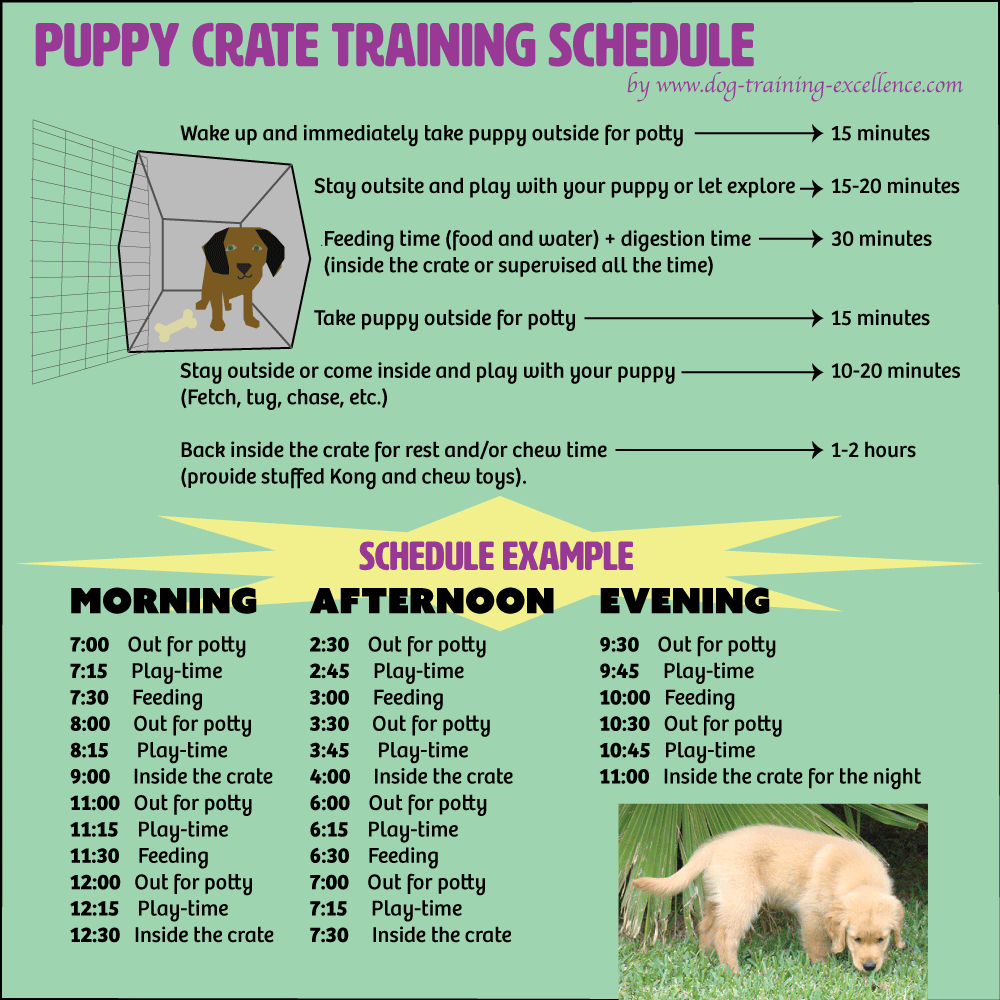
Sample firstnight schedule
| Time | Action |
|---|---|
| 7:00pm | Evening walk + bathroom |
| 7:30pm | Dinner (light) + water |
| 8:00pm | Calm play, then crate placement |
| 8:15pm | Close door, soft music, dim lights |
| 10:00pm | Quiet check (no opening) |
| 12:00am | Midnight bathroom break (if needed) |
Common Crying Issues
My puppy crate training at night crying sounds like a nightmare, but most cries are temporary. Identify the cause before reacting.
Is my puppy scared of the dark?
Many pups react to darkness the way a child might fear monsters. Adding a nightlight or leaving the TV on low volume can help.
Could a health issue be behind the wailing?
If the crying is accompanied by panting, vomiting, or diarrhea, contact a vet. Otherwise, its likely a behavioral adjustment.
When to seek professional help
- Crying persists beyond two weeks despite adjustments
- Signs of separation anxiety beyond normal puppy nerves
- Physical symptoms (lethargy, loss of appetite)
Schedule for an 8Week Puppy
At eight weeks, pups have the stamina for short overnight stretches but still need frequent bathroom breaks. A crate training schedule for 8 week old puppy at night helps both of you settle into a rhythm.
How many bathroom breaks?
Plan for a bathroom visit right before bedtime, then another midnight break (around 2am) for the first few weeks. After a month, most pups can hold it for 68hours.
Can I train my pup in three days?
Some owners swear by how to crate train your puppy in 3 days, but remember every pup is unique. Rapid progress is possible if the environment is perfect and you stay consistent, yet patience often yields steadier results.
8Week Night Routine
- Prebed walk & bathroom
- Light dinner (no heavy food right before sleep)
- Calm cuddle, then crate
- Quiet reassurance (no prolonged interaction)
- Midnight break (if needed)
- Morning release and praise
Daytime Crate Guidance
While the article focuses on night, how to crate train a puppy during the day matters. Daytime sessions teach the crate as a neutral space, not just a nighttime prison.
Short daytime intervals
Begin with 5minute sessions, gradually increasing to 30minute periods. Reward calm behavior with treats and gentle praise.
Integrating play and rest
After a play session, let your puppy unwind in the crate for a few minutes. This reinforces the crate as a place to relax, not just a holding cell.
Daily crate checklist
- Morning: 10minute crate after breakfast
- Afternoon: 15minute quiet time postwalk
- Evening: Longer stretch leading into night
Adult Dog Night Crate
What if you adopt an older dog? Crate training at night adult dog follows similar principles, but the timeline may stretch longer.
Why use a crate for an adult?
Even seasoned dogs can benefit from a denlike space for comfort, especially if youre transitioning to a new home.
Tips for success
Introduce the crate gradually with positive treats, keep the door open for a few days, and slowly start closing it for short nighttime periods. Patience is keyadult dogs may need 23 weeks to trust the crate fully.
Preventing Night Barking
Crate training at night barking often stems from boredom, anxiety, or the need to eliminate. Lets tackle each cause.
Is boredom the culprit?
Give your puppy a chew toy thats safe for the nighta frozen Kong, for instance. The gentle chewing can wear them out and reduce barking.
Addressing anxiety
Consistent bedtime routines, a piece of your clothing, and perhaps a calming pheromone plug can ease tension.
Example of a calming routine
- Quiet walk (no excitement)
- Gentle massage for a minute
- Place puppy with soft toy in crate
- Close door, dim lights, soft music
Balancing Benefits and Risks
Crate training offers a safe space, housebreaking aid, and peace of mind, but misuse can cause stress. Keep the crate comfortable, never use it as punishment, and always let your puppy out for bathroom needs.
Key benefits
- Encourages housetraining consistency
- Provides a refuge from household chaos
- Helps prevent destructive behavior when youre away
Potential risks
- Overcrowding the crate can cause anxiety
- Leaving a puppy too long without breaks may lead to accidents
- Using the crate as a timeout tool can damage trust
RealWorld Stories
When I first brought home Bella, a 9week border collie mix, her first night was a chorus of whines. I remembered a tip from a friend: Leave a shirt that smells like you in the crate. The next morning, Bella settled faster, and the crying tapered off after three nights. Shes now a champion napper, and Ive learned that a little empathy goes a long way.
Putting It All Together
Heres a quick recap you can bookmark:
- Start with a cozy, appropriately sized crate.
- Establish a calm bedtime routine.
- Address crying with gentle reassurance, not frequent openings.
- Follow a night schedule suited to your puppys age.
- Use daytime crate sessions to reinforce positive associations.
- Adjust for adult dogs or special cases with patience.
- Prevent barking by providing safe chew toys and soothing scents.
Need more stepbystep guidance? Check out our detailed guide on how to crate train a puppy. If you have other furry friends at home, you might also find tips on How to stop cat scratching furniture helpful for creating a peaceful multipet household.
Conclusion
Crate training at night can feel like a giant puzzle, but with the right piecescomfort, routine, patience, and a dash of empathyyoull see those sleepless evenings turn into quiet, restful nights. Remember, every puppy (and adult dog) learns at its own pace. Celebrate each small win, stay consistent, and soon youll both enjoy the calm that comes after the nights first howl fades away.
FAQs
How long will my puppy cry the first night in the crate?
Most puppies whine for 10‑30 minutes as they adjust, but it can last up to a few hours. Consistent reassurance and a calm routine usually reduce crying within 2‑3 nights.
Should I let my puppy out of the crate when it cries at night?
Only if you suspect an urgent need (e.g., bathroom). Otherwise, give a brief, calm check, speak soothingly, and close the door to avoid reinforcing the crying.
What size crate is best for night training?
Choose a crate just big enough for your pup to stand, turn around, and lie down. Too much space can make the puppy feel insecure and increase movement and noise.
Can I use a nightlight or music to help my puppy settle?
Yes. A soft nightlight or low‑volume white noise can calm puppies who are afraid of the dark and mask unsettling household sounds.
How often should I take my 8‑week puppy out for bathroom breaks at night?
Plan a final bathroom trip right before bedtime, then a brief midnight break (around 2 am) for the first few weeks. After about a month most 8‑week pups can hold it for 6‑8 hours.