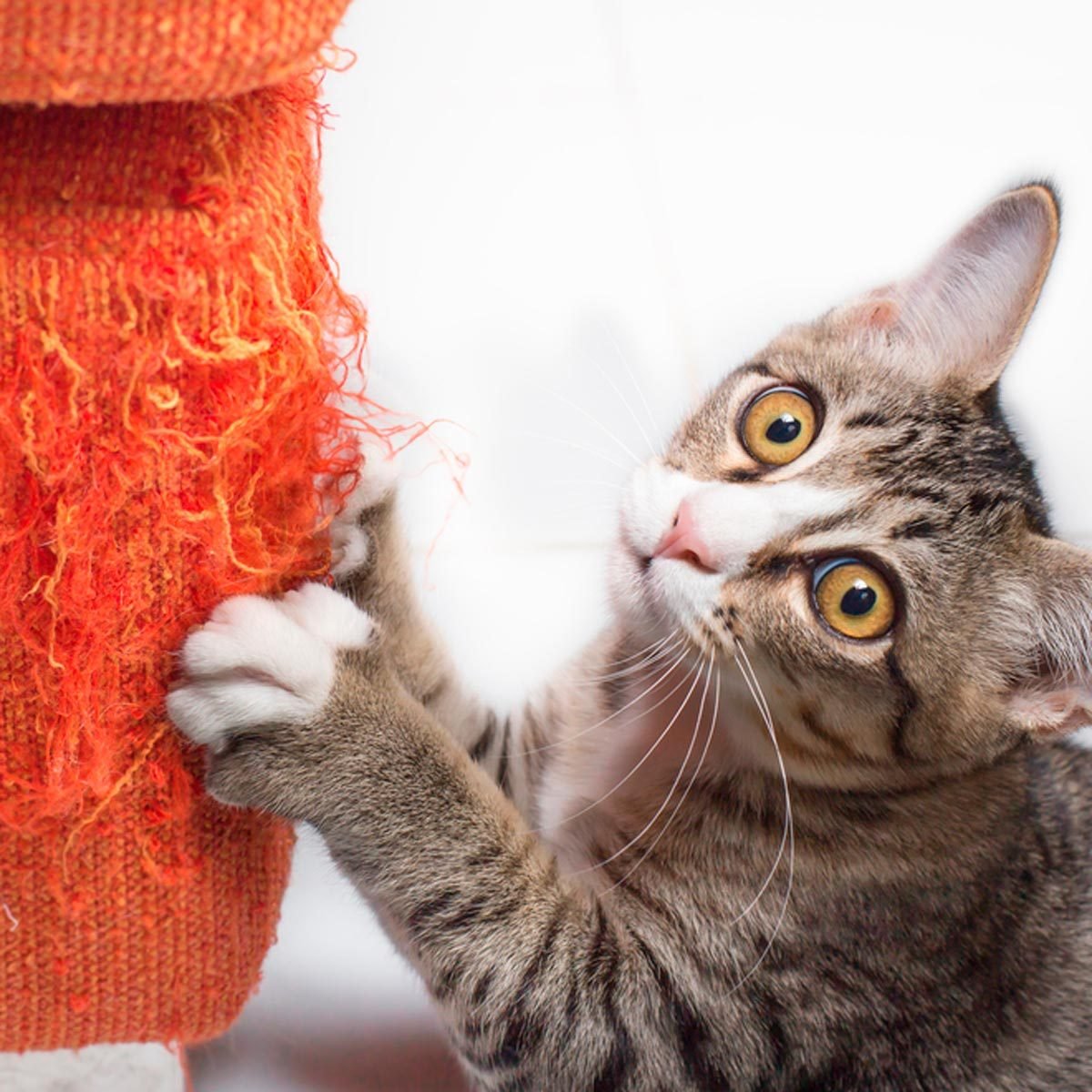
Got a furry friend who treats your sofa as a personal gym? Youre not alone. The quickest way to protect your furniture is to give your cat a better place to stretch, while using simple, catsafe tricks that you probably already have in the kitchen. Below youll find a stepbystep guide that blends quick fixes, a DIY spray recipe, and longterm habits so you can enjoy a scratchfree home without sacrificing your cats happiness.
Understanding Scratch Instinct
Before we dive into remedies, it helps to know why cats scratch in the first place. Scratching isnt just mischiefits a natural behavior that serves three big purposes:
- Territory marking: The scent glands in their paws leave an invisible Hello, Im here! signal for other cats.
- Stretching: A good scratch stretches the spine, shoulders, and claws, much like a morning yoga flow.
- Maintaining claws: Scratching removes the old sheath of the claw, keeping it sharp and healthy.
Understanding this makes it easier to redirect the urge rather than simply trying to stop it with punishment. When you respect the instinct, the solutions feel less like a battle and more like a collaboration.
Immediate LowEffort Remedies
If you need a fast fix while you prepare the longterm plan, try these household tricks that take less than five minutes each.
DoubleSided Tape & Aluminum Foil
Cats dislike the sticky feeling of tape and the crinkly sound of foil. Cut strips of doublesided tape and place them on the corners of the furniture you want to protect. Follow with a sheet of foil for an extra nogo cue. Swap the tape every few days to keep the texture unfamiliar.
Furniture Covers & Throws
Heavy fabrics like microfiber or leather are less appealing for claws. A washable throw can be an easy barrier, and you can switch colors whenever you feel like a dcor refresh. Just remember to still provide a scratching post nearby so your cat isnt left with nowhere to stretch.
DIY MotionActivated Deterrent
Set a cheap motion sensor (you can repurpose an old baby monitor) near the problem area. When the cat approaches, a soft puff of air or a harmless squeak startles them enough to associate the spot with an unpleasant surprisewithout any pain.
These quick fixes buy you time while you mix up a more lasting solution.
DIY Homemade Spray
One of the most satisfying ways to stop cats from scratching furniture is to create your own Homemade spray to stop cats from scratching furniture. The recipes below use ingredients you already have, are cheap, and are safe when used as directed.
Recipe A CitrusHerb Spray
Ingredients:
- 1 cup distilled water
- 2 tbsp white vinegar
- 10 drops lemon essential oil
- 5 drops rosemary essential oil
Instructions: Mix all ingredients in a spray bottle, shake well, and spray lightly on the surface of the furniture (avoid direct contact with fabric seams). Let it dry for 15 minutes before allowing your cat back into the room.
Recipe B VinegarPeppermint Mix
- 1 cup water
- cup white vinegar
- 8 drops peppermint essential oil
- 1 tsp glycerin (optional, for a smoother feel)
Combine, shake, and apply the same way as Recipe A. Peppermints strong scent is a natural deterrent for many cats, but if your cat seems overly sensitive, rinse the area with water after 24 hours.
Safety Tips
Always do a patch test on a hidden spot first. If the spray causes discoloration or your cat shows signs of irritation (sneezing, paw licking, watery eyes), discontinue use immediately.
Comparison Table
| Aspect | Recipe A (CitrusHerb) | Recipe B (VinegarPeppermint) |
|---|---|---|
| Scent Strength | Medium bright citrus | Strong peppermint |
| Longevity (hours) | 68 | 810 |
| Cat Tolerance | High for most | Medium some cats love peppermint |
| Best For | Upholstered sofas & chairs | Wooden frames & leather |
Feel free to rotate the sprays every few days; cats can become habituated to a single scent.
CatFriendly Alternatives
Deterrents work best when you give your cat an appealing outlet. Think of it like providing a sidewalk for a joggeryoure not stopping them from running, youre guiding where they run.
Choosing the Right Scratching Post
There are two main types:
- Vertical posts: Mimic a tree trunk, great for cats who love to stretch upward.
- Horizontal lounges: Ideal for kittens or older cats who prefer a lowprofile area.
Materials such as sisal rope, carpet, or corrugated cardboard each have a different texture. Most cats favor sisal because it offers a satisfying grabandpull feeling.
Enhancing the Post
Sprinkle a bit of catnip, or attach a dangling feather toy to make the post irresistible. Rotate the toys weekly to keep the novelty fresh.
Strategic Placement
Place the post right next to the furniture your cat currently loves. Once they discover the new spot, you can gradually move the post a few inches away each week until its in a more convenient location (like a sunny window ledge).
RealWorld Example
Emily, a cat mom from Seattle, shared that after installing a tall sisal post beside her distressed armchair and using the citrusherb spray, her cats scratching dropped by 80% within a week. She now only sees a few stray scratches on the corner of the couchnothing that cant be covered with a throw.
LongTerm Home Protection
Now that you have quick fixes, a DIY spray, and a proper scratching outlet, lets talk about keeping the peace for the long haul.
When a Spray Might Irritate
Even natural ingredients can cause skin or eye irritation in sensitive cats. Watch for signs such as excessive pawlicking, sneezing, or rubbing their face on furniture. If you notice any of these, wash the area with plain water and try a different scent.
Rotating Deterrents
Just like humans get bored with the same perfume, cats can become desensitized to a single smell. Keep a small rotation schedule (e.g., citrus one week, peppermint the next) to maintain the element of surprise.
Combining Physical Barriers with Training
Use the tape or foil methods while youre training your cat to use the post. Reward your cat with treats and soft praise every time they choose the post over the sofa. Positive reinforcement is far more effective than scolding, and it builds trust.
DIY vs. Commercial Sprays
When comparing a homemade recipe to a storebought best spray to stop cats from scratching furniture, consider:
- Cost: Homemade sprays are pennies per batch.
- Transparency: You know exactly whats in the bottle.
- Effectiveness: Many commercial products rely on synthetic chemicals that can be harsh.
- Customization: You can tweak scent strength or add calming oils.
If you do opt for a commercial option, make sure its labeled catsafe and check for any reviews that mention adverse reactions.
7Day Action Plan
Heres a simple, daybyday roadmap to turn chaos into calm. Feel free to adjust the timing to fit your schedule.
- Day1: Identify the hot spots. Apply doublesided tape and/or foil to those areas.
- Day2: Mix and spray Recipe A (CitrusHerb) on the protected furniture.
- Day3: Set up a vertical sisal post right next to the most targeted piece.
- Day4: Sprinkle a pinch of catnip on the post and give your cat a treat for using it.
- Day5: Rotate the scentspray Recipe B (VinegarPeppermint) on the same furniture.
- Day6: Observe behavior. If scratching persists, add a second post in a different room.
- Day7: Celebrate the progress! Take a photo of your happy cat lounging on the post and share it in the comments below.
Consistency is key. By the end of the week you should see a noticeable drop in furniture damage, and your cat will have discovered a new favorite hangout.
Conclusion
Stopping cats from scratching furniture isnt about forcing them to behave; its about understanding their needs and offering smarter alternatives. When you combine quickfix barriers, an effective how to stop cat scratching furniture strategy, and a rewarding scratching post, you create a winwin for both you and your whiskered companion. Give the 7day plan a try, tweak the scents as needed, and watch your home stay beautiful while your cat stays happy. Got a tip that worked for you? Drop it in the commentswe love learning new tricks together!
FAQs
Why does my cat keep scratching the sofa?
Cats scratch to mark territory, stretch their muscles, and keep their claws healthy. Providing an appealing alternative satisfies these instincts.
Are citrus or peppermint sprays safe for cats?
Both are generally safe when used as directed, but always test on a hidden spot first and watch for any irritation or allergic reaction.
How can I make a homemade cat‑deterrent spray?
Mix 1 cup distilled water, 2 tbsp white vinegar, 10 drops lemon essential oil, and 5 drops rosemary oil in a spray bottle. Shake and apply lightly to furniture.
What type of scratching post works best?
Most cats prefer vertical sisal‑wrapped posts. Pair them with catnip or a dangling toy and place the post near the problem furniture.
How long does it take to see results?
With the 7‑day action plan, many owners notice a drop in scratches within a week, especially when combining deterrents with a new scratching post.