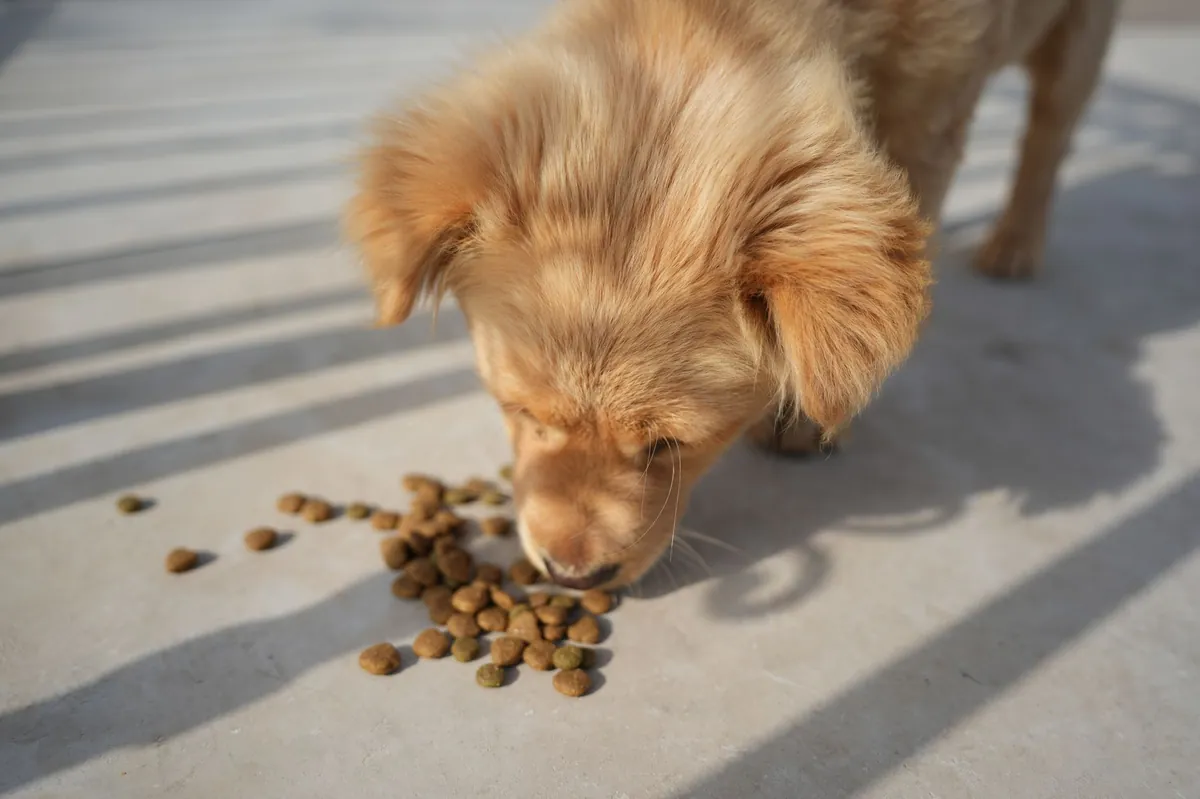
If your pup spends more time scratching than playing, youve probably already suspected the bowl. The truth is, whats on the plate can be the difference between endless itching and a calm, shinycoated companion. Below youll find a straightforward, vetapproved roadmap to feeding your dog a skinfriendly homemade diet that actually works.
Well dive into why a DIY approach can be a gamechanger, the nutrients your dog truly needs, ten tasty recipes (including yeastfree options), safety checklists, and realworld stories that prove its doable. Grab a notebook, because youll want to save the quickstart checklist for the very end.
Why Homemade Helps
Most skin problems in dogs stem from foodborne allergenscommon proteins like beef, chicken, dairy, and even certain grains can trigger inflammation. When you make the food yourself, you control every ingredient, wiping out hidden triggers that commercial kibble often hides behind byproducts or natural flavors.
But dont think a homemade diet is a magic bullet. Its a tool that works best alongside veterinary care, especially when youre dealing with most common food allergies in dogs. A balanced, nutrientrich recipe can reduce inflammatory cytokines, improve the skin barrier, and give your dog the essential fats, vitamins, and minerals it needs to heal from the inside out.
And yes, there are risksnutrient gaps, oversupplementation, and accidental inclusion of allergens. Thats why well also talk about vetapproved guidelines and supplements that keep the diet safe and complete.
Core Nutrients Needed
Think of a diet like a puzzle. Each piece must fit to give a picture of health. For dogs with skin allergies, focus on these four pillars:
- Highquality protein: Turkey, salmon, venison, or duck provide essential amino acids without the common allergens found in beef or chicken.
- Complex carbohydrates: Sweet potatoes, quinoa, and brown rice supply steady energy while being lowglycemic, which helps avoid bloodsugar spikes that can worsen itching.
- Antiinflammatory fats: Omega3 sources (fish oil, flaxseed) calm inflammation and promote a glossy coat.
- Vitamins, minerals & antioxidants: Carrots, pumpkin, blueberries, and leafy greens add betacarotene, vitaminE, zinc, and other skinsupporting nutrients.
Dont forget supplements. A good calcium source (ground eggshell or a commercial calcium powder), a broadspectrum probiotic, and a balanced multivitamin bridge the gaps that homemade meals can leave.
Top Homemade Recipes
Each recipe below is vet approved, free of common allergens, and includes a brief note on why its skinfriendly. Feel free to swap ingredients based on your dogs preferences, but keep the core principles intact.
| Recipe | Key Benefits | YeastFree? |
|---|---|---|
| Turkey & Sweet Potato Delight | Lean turkey protein + betacarotene rich sweet potato supports skin regeneration. | Yes |
| Salmon & Quinoa Medley | Omega3 packed salmon + glutenfree quinoa for antiinflammatory power. | Yes |
| Beef & Green Bean Mix (YeastFree) | Lowfat beef provides iron; green beans add soluble fiber for gut health. | Yes |
| Venison & Pumpkin Stew | Novel protein reduces allergy recurrence; pumpkin soothes digestion. | Yes |
| ChickenFree Lentil & Carrot Casserole | Plantbased protein balances amino acids; carrots boost vitaminA. | Yes |
| Duck & Brown Rice Ragout | Ironrich duck + easytodigest brown rice for sensitive stomachs. | Yes |
| Whitefish & Sweet Pea Pt | Ultralowfat fish keeps weight in check; peas add fiber. | Yes |
| TurkeyHeart & Zucchini Soup | Organ meat supplies complete aminoacid profile; zucchini offers antioxidants. | Yes |
| Lamb & Quinoa Chili (YeastFree) | Lamb as a novel protein; turmeric adds antiinflammatory spice. | Yes |
| TurkeyDeer Jerky Bites (Treats) | Homemade lowsalt treats avoid storebought allergens; perfect for training. | Yes |
Each batch should be portioned based on your dogs weight, activity level, and life stage. A quick rule of thumb: 3040calories per pound of body weight per day, then adjust after a couple of weeks based on weight change and skin improvement.
VetApproved Guidelines
Before you jump straight into the kitchen, schedule a consultation with your vet. A true foodtrial protocol usually looks like this:
- Baseline assessment: Vet records current skin condition, weight, and any existing supplements.
- Elimination diet: Feed only the chosen homemade recipe (no treats, no table scraps) for 812 weeks.
- Rechallenge: Reintroduce suspected allergens one at a time to confirm the trigger.
During the trial, add a calcium supplement (about 500mg per 10lb of body weight) and a highquality fishoil capsule (EPA/DHA 300600mg daily). If youre unsure about dosage, ask your vet to prescribe a balanced allinone supplement.
Monitoring is key. Look for reduced scratching, less redness, and a shinier coat within 24 weeks. If you see no improvement, revisit the ingredient listsometimes a hidden allergen sneaks in via broth, seasoning, or even a supplement.
Foods to Avoid
When youre crafting a safe menu, keep this blacklist handy:
- Common protein allergens: beef, chicken, pork, dairy, eggs (unless youre using egg whites).
- Yeastpromoting carbs: wheat, barley, rye, soy, and any sugary treats.
- Toxic items: grapes, raisins, onions, garlic, chocolate, macadamia nuts.
- Hidden allergens in commercial foods: natural flavors, byproducts, artificial preservatives.
For a deeper dive into skinrelated symptoms, check out the article on dog food allergies symptoms skin. Knowing what to steer clear of makes the elimination diet more precise.
Balancing with Dry Food
Some owners wonder if they need to ditch kibble completely. The short answer: you dont have to, but you should choose wisely.
Look for the best dry dog food for skin allergiesoptions that are grainfree, limitedingredient, and contain added omega3s. Brands that list a single protein source (e.g., salmon) and avoid corn, wheat, and soy are usually safe.
If you want to keep dry food for dental health or convenience, mix it at a 30/70 ratio (30% dry, 70% homemade). This maintains the benefits of both worlds without overwhelming your dogs digestive system.
Quick Start Checklist
| Step | Action |
|---|---|
| 1 | Book a vet nutrition consult. |
| 2 | Pick a recipe from the top ten list. |
| 3 | Shop fresh, hypoallergenic ingredients. |
| 4 | Prepare a 5day trial batch and note skin changes. |
| 5 | Add calcium, fish oil, and probiotic as recommended. |
| 6 | Reevaluate with your vet after 34 weeks. |
Thats itsimple, actionable, and ready to print. Keep this table on your fridge and tick off each step as you go.
Real World Success
Let me share a story that still makes me smile. Cuki, a 10yearold Labrador, spent months battling chronic hot spots. After countless trips to the clinic, his owners tried the Turkey & Sweet Potato Delight for eight weeks. The itching dropped by 80%, his coat turned from dull to glossy, and the vet confirmed the skin lesions had healed.
Another community anecdote from a Reddit thread (linked in the food allergies in dogs symptoms and solutions article) described a Border Collie whose flareups vanished after switching to the Salmon & Quinoa Medley. The owner credited the omega3 boost and the absence of wheat.
These stories arent isolated; they illustrate that a thoughtfully crafted homemade diet can be a turning point for many dogs.
Conclusion
Switching to homemade food for dogs with skin allergies isnt just a trendy experimentits a proven way to give your furry friend relief from relentless itching while delivering balanced nutrition. By following vetapproved guidelines, picking the right ingredients, and staying vigilant about potential allergens, youll see calmer skin, a shinier coat, and a happier companion.
Ready to get started? Pick a recipe, jot down the quickstart checklist, and let your vet know youre taking the next step. Have questions or success stories of your own? Share them in the comments or join our community forumtogether we can keep every dogs skin itchfree and thriving.
FAQs
How quickly can I expect my dog's skin to improve after starting homemade food for dogs with skin allergies?
Most owners notice reduced itching and a calmer coat within 2–4 weeks, but full healing can take up to 8–12 weeks depending on severity and consistency.
What nutrients are essential for healing skin allergies in dogs?
Key nutrients include high‑quality protein, omega‑3 fatty acids (fish oil or flaxseed), vitamins A, E, and zinc, plus balanced calcium and a probiotic for gut health.
Can I blend homemade meals with commercial kibble for my allergic dog?
Yes. A 30 % kibble to 70 % homemade mix preserves dental benefits while keeping allergens low, provided the kibble is grain‑free and single‑protein.
How do I make sure my homemade diet is nutritionally complete?
Work with a vet or veterinary nutritionist, add a calcium source, a balanced multivitamin, and a high‑quality fish‑oil supplement, and follow a trial protocol.
Are there safe treat options for dogs with skin allergies?
Homemade jerky bites made from novel proteins like turkey‑deer or low‑fat fish, without added salt or yeast, are excellent allergy‑friendly treats.