


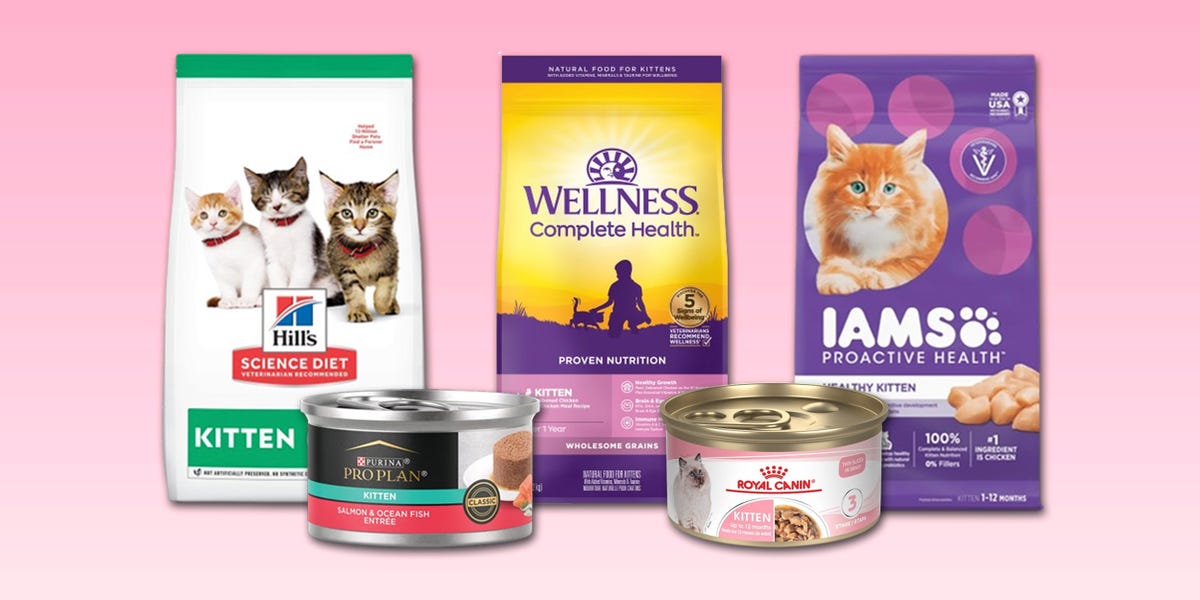
Got a fluffy little indoor explorer whos always stealing your spot on the couch? Youre probably wondering how to keep that tiny tornado healthy, happy, and not waddling around in extraweight. The quick answer: choose a vetrecommended kitten food that balances highquality protein, the right amount of calories, and plenty of moisture. Below youll find the precise foods, feeding tricks, and labelreading tips that will set you and your kitten up for success no endless scrolling required.
Indoor Kitten Nutrition
Living inside means your kittens lifestyle is a whole different ballgame. They dont chase birds or romp through leaves, so their energy needs are lower, but their nutritional needs stay the same they still need the building blocks for rapid growth.
Why indoor life changes the diet equation
Because indoor kittens burn fewer calories, theyre prone to gaining weight if you overfeed them. At the same time, the dry indoor air can leave them thirsty, making moisturerich foods (wet or a water fountain) essential for urinarytract health.
Key health concerns for indoor kittens
- Obesity: Even a slight excess of calories can turn a sleek kitten into a chunky roommate.
- Hairballs: Less grooming outdoors means more fur ends up in their stomach.
- Urinarytrack issues: Low moisture diets can lead to crystals or infections.
- Dental development: Proper kibble texture helps keep those tiny teeth clean.
Realworld example
My friend Mayas 3monthold orange tabby, Luna, was gaining weight fast on a lowprotein budget dry food. Within two months she was 20% heavier than the ideal weight chart. After switching to a vetrecommended formula with higher protein and adding a daily wet meal, Luna shed the extra pounds and her vet praised her improved coat condition.
What vets tell us
Veterinarians across the country (including those at the Cornell Feline Health Center) agree: Indoor kittens thrive on nutrientdense, moderatecalorie diets that also supply enough moisture. This is why well focus on foods that hit that sweet spot.
Top Vet Kitten Foods
Below is a quicklook table of the seven best foods for indoor kittens in 2025. Theyre all vetted by veterinarians, praised by catowners, and balanced for indoor living.
| Rank | Brand & Formula (Dry / Wet) | Key Benefits | Potential Drawbacks | Price Range |
|---|---|---|---|---|
| 1 | IAMS ProActive Health Kitten Dry | High DHA, balanced calories, budgetfriendly | Contains grain (not grainfree) | $ $$ |
| 2 | Royal Canin Indoor Kitten Dry | Hairball control, optimal kibble size for indoor play | Higher price point | $$ |
| 3 | Purina ONE Kitten Wet | 85% moisture, added antioxidants | Slightly higher sodium | $ $$ |
| 4 | Farmina Natural & Delicious Kitten | Limited ingredients, grainfree, great for sensitive stomachs | Smaller package sizes | $$ |
| 5 | Hills Science Diet Indoor Kitten Dry | Clinically proven weightmanagement, AAFCOverified | Can be hard to find in some regions | $$ |
| 6 | Wellness CORE GrainFree Kitten | 100% animal protein, low carbs | Premium cost | $$$ |
| 7 | Nulo Freestyle Kitten Dry | High animal protein, low carbs, praised on Reddit | Limited availability | $$ |
Dry food deep dive
IAMS ProActive Health Kitten Dry
This classic vetrecommended kitten food delivers 33% protein from real chicken and fish, plus DHA for brain development. The calorie count is moderate (about 390kcal per cup), making it a solid choice for indoor kittens that dont sprint around a backyard. Because its grainbased, its a bit cheaper than premium grainfree options, which can be a relief for families on a budget.
Royal Canin Indoor Kitten Dry
Royal Canin designs this formula specifically for indoor cats. The kibble is small, encouraging gentle chewing, and the fiber blend (including beet pulp) helps move hair through the digestive tract, reducing hairball incidents. It also includes Lcarnitine to support a healthy metabolism, a helpful feature when your kittens activity level is more napandpurr than huntandpounce.
Wet food deep dive
Purina ONE Kitten Wet
At roughly 85% moisture, this wet food mimics the natural water content of prey. Its packed with real chicken broth, antioxidants like vitamin E, and a balanced amino acid profile for rapid growth. Adding a daily wet meal can offset the low moisture that often comes from dry kibble, helping prevent urinarytrack problems.
Wellness CORE Kitten Wet (optional)
If your kitten is a picky eater, the tender morsels in Wellness COREs wet line often win them over. The formula contains 10% real meat, no artificial colors, and a modest calorie count that aligns with indoor activity levels.
Specialty and alternative options
Farmina Natural & Delicious Kitten
For kittens with sensitive stomachs or mild food allergies, Farmina offers a limitedingredient, grainfree recipe that focuses on highquality poultry and fish. Its a great safe side choice when you suspect your cat is reacting to fillers.
Nulo Freestyle Kitten Dry
Reddit catowners rave about Nulos high animalprotein content (about 40% from real meat) and low carbohydrate levels. Its a solid option if you want to keep carbs low while still feeding dry kibble for dental health.
Reading Kitten Food Labels
Ever stare at a bag of food and feel like you need a degree in nutrition? Lets break it down together.
AAFCO statements the gold standard
Look for complete & balanced for growth and development. That phrase means the food meets the Association of American Feed Control Officials (AAFCO) nutrient profiles for kittens.
Protein vs. carbohydrate ratios
Indoor kittens usually need 3040% protein and under 20% carbs. High protein fuels muscle growth; lower carbs help avoid unnecessary weight gain.
Ingredient red flags
- Byproducts or unspecified animal meal these can be lowquality protein sources.
- Excess fillers like corn gluten meal or wheat they add carbs without nutritional value.
- Artificial colors, flavors, or preservatives not needed and can irritate sensitive stomachs.
Label walkthrough example
Take a look at the ingredient list of IAMS ProActive Health Kitten Dry: Chicken, corn gluten meal, chicken meal, brewers rice, animal fat preserved with mixed tocopherols, dried beet pulp, vitamins, and minerals. You see real chicken up front, which is great. The presence of corn gluten meal adds carbs, but the overall protein level remains high enough for an indoor kitten. Compare that to a generic brand that starts with corn gluten meal, chicken byproduct meal, wheat flour the protein source is buried, a red flag for lower quality.
Feeding Schedule & Portions
Just like we need regular meals to keep our energy steady, kittens thrive on consistent feeding times. Heres a simple plan you can adapt.
How often should an indoor kitten eat?
From 8 weeks to about 6 months, aim for 34 small meals a day. After six months, you can transition to 2 meals daily. This keeps blood sugar stable and helps prevent overeating.
Calculating daily calories
The Resting Energy Requirement (RER) formula is a handy tool: RER = 70(body weight in kg)^0.75. Multiply the RER by 2.53 for a growing indoor kitten. For example, a 2kg kitten has an RER of about 140kcal; multiplied by 2.8 equals roughly 390kcal per day.
Portion sizes for top foods
- IAMS ProActive Health Dry: ~ cup (30g) per meal.
- Royal Canin Indoor Dry: ~ cup (35g) per meal.
- Purina ONE Wet: One 3oz pouch per day, split across meals.
Transitioning to a new food
Switch gradually over a 7day period: mix 75% old food with 25% new on day1, then flip the ratio each day until youre at 100% new. This eases digestive adjustments and reduces the chance of tummy upsets.
Personal anecdote
When I moved from one brand to another, I noticed my kitten, Oliver, had a few loose stools. After following the 7day mix plan, his stool normalized by day4, and he loved the new flavor. The transition felt like a smooth sailing rather than a stormy sea.
Common Feeding Mistakes
Even the bestintentioned cat parents slip up sometimes. Recognizing the pitfalls can save your kittens health.
Overfeeding highcalorie dry kibble
Dry food is caloriedense. If you measure by handful instead of a cup, you can unintentionally give 2030% more calories than needed, nudging your kitten toward obesity.
Ignoring moisture needs
Indoor air can be dry, and kittens love to lick water bowls. Offering wet food or a water fountain ensures they stay hydrated, which protects the urinary tract.
Choosing based solely on price
Cheaper foods often skimp on real animal protein and add fillers. In the long run, you might spend more on vet visits for gastrointestinal or weightrelated issues.
Expert tip from a veterinary nutritionist
Investing in a quality diet is like buying insurance for your kittens future health, says Dr. Lena Patel, DVM. A small price difference today can prevent costly medical bills tomorrow.
Food Comparison Table
Heres a sidebyside snapshot to help you decide at a glance.
| Brand | Protein % | Moisture % | Calories per Cup | Price (per lb) |
|---|---|---|---|---|
| IAMS ProActive Dry | 33 | 10 | 390 | $0.90 |
| Royal Canin Indoor Dry | 31 | 12 | 380 | $1.50 |
| Purina ONE Wet (3oz) | 30 | 85 | 95 | $0.75 |
| Farmina Natural Dry | 35 | 11 | 395 | $1.80 |
| Wellness CORE Dry | 38 | 10 | 410 | $2.20 |
Buying & Saving Tips
Now that you know what to look for, lets talk about where to get it without breaking the bank.
Trusted retailers
Major online pet stores like Chewy and Amazon often run subscription discounts (usually 1015% off) with free shipping. Local veterinary clinics sometimes carry the premium lines (Royal Canin, Hills) and can offer a sample bag, which is great for testing tolerance.
Subscription discounts & coupons
Sign up for newsletters from your favorite brand they frequently send 20% off codes for firsttime buyers. Also, check Deal of the Day sections on petsupply sites; you can snap up a 12lb bag for the price of a 6lb one.
Bulk buying vs. rotating flavors
If you have the storage space, buying a larger bag reduces cost per pound. However, rotating flavors (especially with wet food) keeps your kitten interested and reduces the risk of food fatigue. A good rule is to buy a 12lb bulk bag of dry food and two 3oz pouches of wet food per week.
Conclusion
Finding the best kitten food for indoor cats isnt about chasing the cheapest price tag; its about giving that tiny, purring bundle the right blend of protein, calories, and moisture while protecting against weight gain, hairballs, and urinary issues. By leaning on vetrecommended brands like Royal Canin, IAMS, and Purina, mastering label reading, and feeding on a consistent schedule, you set the stage for a vibrant, healthy life inside your home.
Whats your kittens favorite meal? Have you tried any of the foods above? Share your experiences in the comments wed love to hear your story and help each other raise happy indoor explorers!
FAQs
What should I look for on a kitten food label for indoor cats?
Check for an AAFCO statement that says “complete & balanced for growth,” a high protein percentage (30‑40%), low to moderate calories, and moisture content if it’s a wet formula. Avoid excessive fillers like corn gluten meal and artificial additives.
How often should I feed an indoor kitten?
From 8 weeks to about 6 months, aim for 3‑4 small meals a day. After six months, transition to two meals daily to keep blood sugar stable and prevent overeating.
Can I feed my indoor kitten only dry food?
While dry kibble can support dental health, indoor kittens often need extra moisture to protect urinary health. Adding at least one wet meal or a water fountain each day is recommended.
What are the signs of obesity in indoor kittens?
Look for a rounded abdomen, difficulty feeling ribs when gently palpating, reduced activity, and a noticeable waist when viewed from above. Regular weigh‑ins help catch weight gain early.
How can I help prevent hairballs with my indoor kitten’s diet?
Choose foods high in quality animal protein and fiber (e.g., beet pulp) to promote healthy digestion. Regular grooming and occasional hairball‑support formulas also reduce hairball formation.


