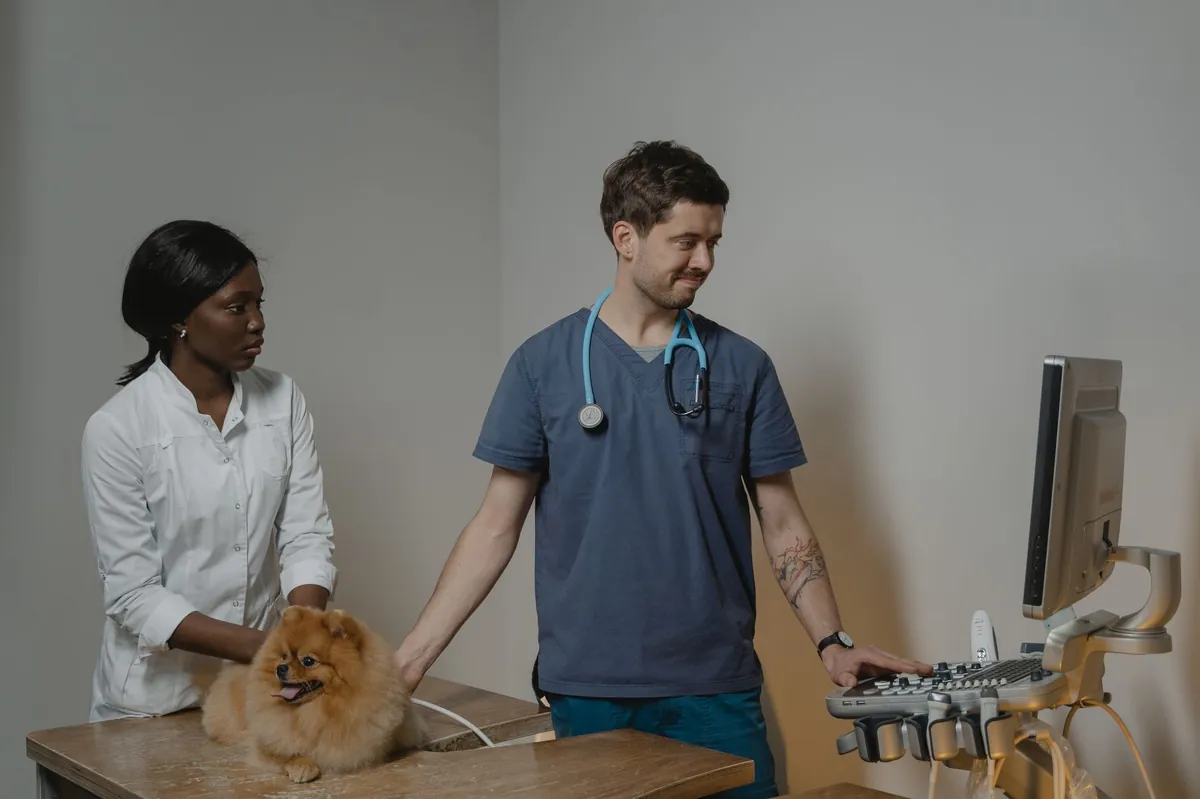
Thinking about pursuing an online veterinarian school? While no accredited Doctor of Veterinary Medicine (DVM) program is entirely online, several quality options exist for veterinary technician and assistant training. These programs can help you begin your career in animal care with flexible, remote learning plus hands-on experience. This article walks you through benefits, risks, and how to pick the right online veterinary program for your goals.
Quick Answers
- Is there a fully online DVM program? No accredited DVM program is 100% online, but many offer hybrid coursework combined with on-campus labs and clinical rotations.
- Can I become a certified vet tech or assistant online? Yes. Several accredited programs allow you to earn a veterinary technician associate degree or veterinary assistant diploma through mostly remote study.
Why Consider Online Training?
Benefits
- Flexible schedule: Study on your own time, making it easier to juggle work or family.
- Location freedom: Enroll in vets schools that fit your needs without relocating.
- Cost savings: Lower tuition rates, no commuting expenses, and many schools offer financial aid.
Risks & Limitations
- Accreditation concerns: Its essential to choose programs approved by AVMA or regionally accredited to ensure licensure eligibility.
- Hands-on training: Most programs require in-person labs or externships you cannot complete online.
- Licensing impact: Some states have rules limiting practice if your training wasnt adequately hands-on or fully accredited.

Experts like certified veterinary technician Sarah Jenkins emphasize verifying accreditation upfront. This protects you from enrolling in a program that wont qualify you for certification, she notes.
Choosing the Right Program
Accreditation Checklist
Always check:
- AVMA CVTEA approval for vet tech programs.
- Regional institutional accreditation (e.g., Middle States, Southern Association).
- State board approval to ensure your training meets licensing requirements.
| Program | Credential | Accreditation | Tuition (US $) | Financial Aid? | Hands-On Requirement |
|---|---|---|---|---|---|
| Penn Foster Veterinary Assistant | Diploma | Regional | 3,495 | Yes | Local externship |
| SUNY Delhi Vet Tech (AAS) | Associate | AVMA-CVTEA | 7,800 | Limited | 2-week on-campus lab |
| Purdue Vet Nursing (Distance) | Certificate | Regional | 4,200 | Yes | Optional practicum |
Program Types
- Veterinary Assistant Diploma: Prepares you for support roles, ideal for entry level animal care jobs.
- Veterinary Technician Associate Degree: AVMA-accredited and required for state licensing as a vet tech.
- Pre-Veterinary Undergraduate Courses: Builds foundational knowledge if aiming for a formal DVM degree later.
Real-World Example
Maria, a former retail manager, completed Penn Fosters online Vet Assistant program. She quickly found work at a local animal hospital and later used state tuition aid to enroll in a fully accredited vet tech program nearby. Her journey shows how online courses can open doors when planned carefully.

Financial Aid & Scholarships
Funding Options
- Federal Pell Grants & Direct Loans: Available for accredited programs after completing FAFSA.
- School-specific scholarships: Examples include Penn Fosters Veterinary Aid program.
- State vocational training funds: Some states offer grants or scholarships to students in in-demand careers like vet tech.
How to Apply for Aid
- Research accredited online veterinary programs that fit your budget.
- Complete the FAFSA application early each year.
- Apply for scholarships directly through schools.
- Consult advisors about possible externship stipends and other funding.
Succeeding in Online Programs
Study Strategies
- Create a dedicated workspace free of distractions.
- Use spaced repetition techniques to memorize anatomy and pharmacology.
- Block time weekly for required labs or externships, and schedule these early.
Networking & Growth
- Join AVMA student forums to connect with others in veterinary fields.
- Attend virtual conferences and workshops hosted by veterinary associations.
- Volunteer at local shelters or clinics for hands-on experience and valuable references.

If you want a professional perspective on your path, consider speaking with an online veterinarian who has navigated hybrid programs successfully.
Emerging Trends
Virtual Reality Labs
Tools like vSim allow veterinary students to practice surgeries and diagnostics in safe virtual environments. These simulations better prepare students for the in-person labs required for licensure.
Hybrid Boot-Camps
Some schools now offer short, intensive on-campus sessions combined with year-round online theory courses. This approach reduces time away from home but still delivers hands-on experience.
Is any online vet school free?
True tuition-free accredited programs in veterinary studies are uncommon. However, some MOOCs offer free online veterinary courses with certificates that provide valuable knowledge but wont qualify for licensure or formal credentials.
What are the best online veterinary schools?
Top choices balance accreditation, affordability, and financial aid. Penn Foster, SUNY Delhi, and Appalachian State University frequently rank highly based on these criteria.
Can I find an online vet school near me?
Most near me online vet schools are actually hybrid programs requiring local externships or lab attendance. Check state listings and school websites to confirm regional options.
Does an online DVM affect my ability to practice?
Licensing boards vary by state. Usually, a fully online DVM is not possible; hybrid programs with in-person clinicals are required to meet board standards. Confirm your states regulations early in your journey.
How long does it take to complete an online veterinary technician program?
Associate degree programs usually take two years of full-time study, while diploma courses can range from six months to one year. Part-time students should plan accordingly for longer completion times.
Can I work while attending an online veterinary program?
Many online veterinary assistant or vet tech programs allow part-time study, making it feasible to work. However, ensure you can commit to scheduled labs and externships for licensing requirements.
Are online vet assistant certificates respected by employers?
Yes, provided the program is accredited and includes hands-on training. Employers prefer candidates with recognized credentials and practical experience.
What equipment do I need for online veterinary classes?
A reliable computer, high-speed internet, access to digital textbooks, and sometimes simulation software are essential. Some programs send lab kits for practice at home.
Pro Tips for Success
- Dont underestimate the hands-on componentplan early for externship spots near your location to avoid scheduling stress.
- Keep detailed notes during online lectures and use interactive quizzes to reinforce difficult topics like animal anatomy.
- Connect regularly with instructors and classmates to stay motivated and avoid feeling isolated.
Dont overlook checking financial aid options thoroughlysome schools reserve funds specifically for online students, which can ease tuition costs significantly.
More You Might Like
- Learn new ways to calm your furry friend with How to stop dog barking at night in crate, a useful guide for peaceful evenings.
- Discover personality insights for your Frenchie in our review of French bulldog temperament, perfect if youre considering a new small pet companion.

Conclusion
While a fully online veterinarian school for a DVM doesnt yet exist, reputable accredited programs offer strong online learning paths for vet assistants and technicians. Checking accreditation, preparing for mandatory hands-on work, and exploring financial aid options can set you up for success in this rewarding career. Consider your goals carefully, and when ready, take the next step confidently toward your animal care future.
FAQs
How long does it take to see results with Online veterinarian school?
Completion time varies by program type: veterinary assistant diplomas can take 6–12 months, while accredited vet technician associate degrees usually require about 2 years of full-time study. Part-time study or balancing work may extend these timelines.
Is Online veterinarian school safe for my dog or cat?
Yes, online veterinarian schools focused on training ensure safe practices by combining virtual learning with required hands-on externships or labs. This prepares students to responsibly care for pets under professional supervision.
Can I become a fully licensed veterinarian through an online program?
No, currently no accredited Doctor of Veterinary Medicine (DVM) program is entirely online. Licensed veterinarians must complete hybrid programs with mandatory in-person clinical rotations and labs to meet licensing standards.
What should I look for when choosing an online veterinary program?
Focus on programs with AVMA CVTEA or regional accreditation, state board approval for licensure eligibility, affordable tuition, and clear hands-on training requirements like labs or local externships.
When should I seek in-person veterinary care versus relying on online resources?
Always seek in-person veterinary care for emergencies, physical exams, vaccinations, surgeries, or when your pet shows persistent symptoms. Online resources are best used for education and non-urgent guidance.