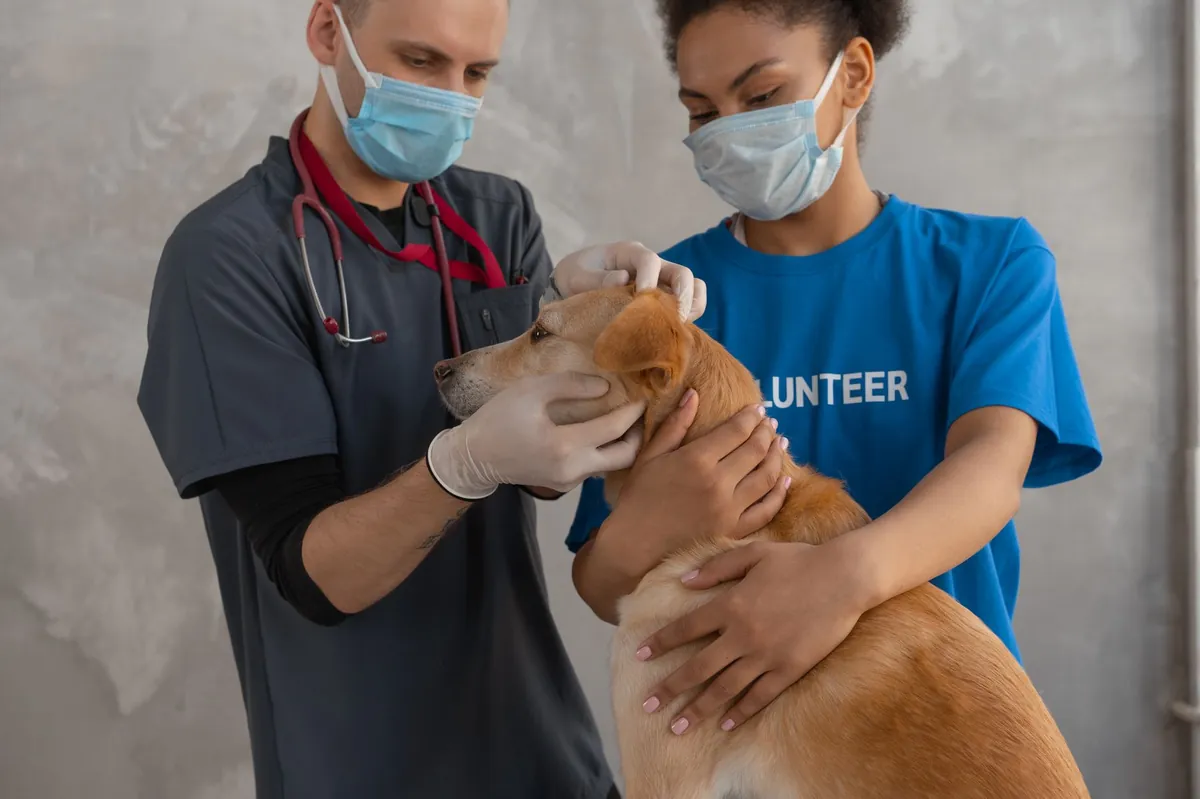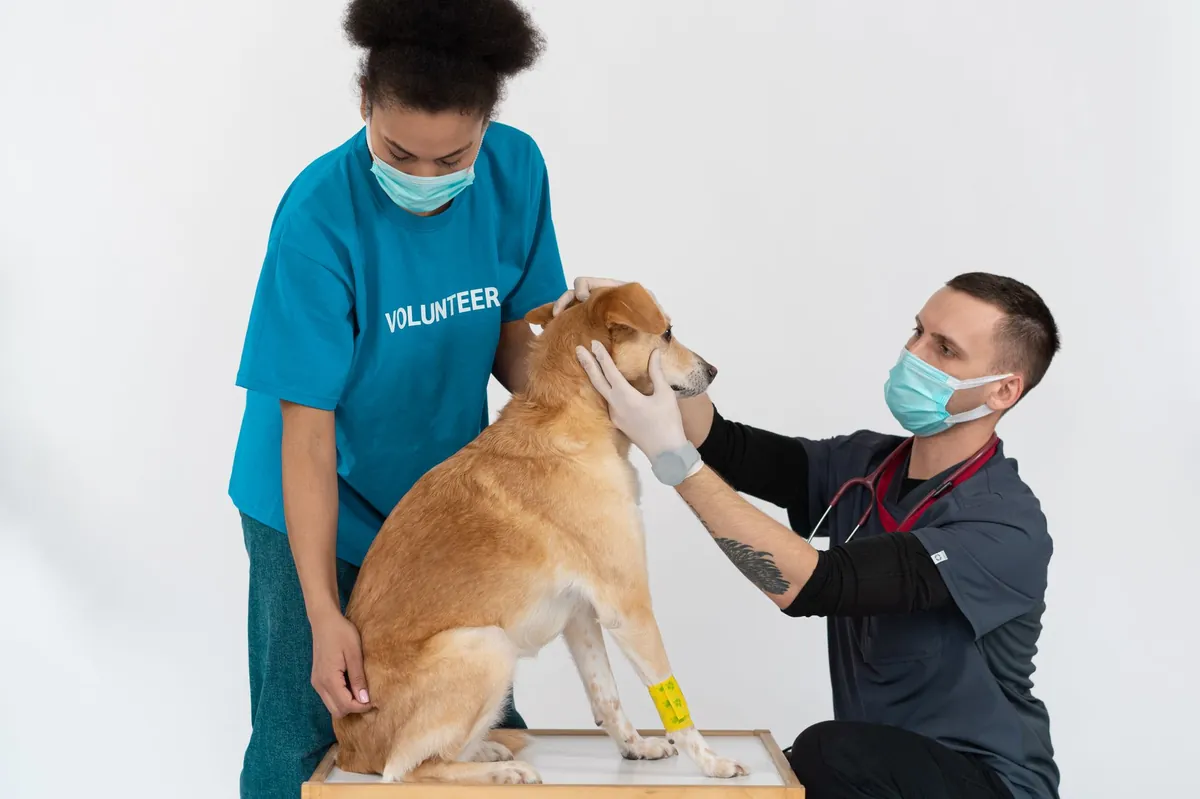
Finding the right veterinarian is one of the most important decisions youll make for your pets well-being. A veterinarian not only provides expert medical care but also guides you through the many stages of your pets life, from puppy and kitten vaccinations to senior pet wellness. Whether you have a dog, cat, or small pet, understanding how veterinarians support your pets health can help you make informed decisions and foster a lasting partnership for optimal care.
What Does a Veterinarian Do?
A veterinarian is a medical professional specially trained to diagnose, treat, and prevent diseases in animals. They provide routine care such as vaccinations, dental checks, and parasite prevention. Beyond basic services, veterinarians handle emergencies, complex surgeries, and chronic condition management. According to veterinarians at the AVMA, regular veterinary visits increase your pets lifespan and improve quality of life.
Veterinarians also play a vital role in educating pet owners about nutrition, behavior, and preventive health. This knowledge helps you keep your pet happy and reduces costly health issues in the future.
When Should You Visit a Veterinarian?
Knowing when to schedule a veterinary visit is crucial. Puppies and kittens need their first exam within a few days after adoption, followed by a series of vaccinations every 34 weeks until 16 weeks old. Adult pets should have a wellness check at least once a year, and twice a year for senior or special needs pets.
Watch for signs like lethargy, loss of appetite, unusual behavior, vomiting, diarrhea, or difficulty breathingthese symptoms warrant immediate veterinary attention. Also, a veterinarian‘s advice is key before introducing new foods, supplements, or changes in routine.
Choosing the Right Veterinarian
Selecting your pets healthcare provider affects every aspect of care. The best veterinarian fits your pets needs and makes you feel confident and comfortable. Heres what to consider:
Location and Availability
A conveniently located vet clinic saves stress in emergencies. Check if the clinic offers after-hours care or referrals to emergency hospitals. Many urban clinics also provide house calls, beneficial for nervous or elderly pets.
Services Offered
Confirm if the practice covers the full spectrum of services your pet might require, such as dental cleanings, spay/neuter surgeries, diagnostic imaging, and behavioral counseling. Some vets specialize in exotic pets or small mammals, making them ideal if you own a rabbit, guinea pig, or ferret.
Credentials and Compassion
Look for licensed veterinarians with ongoing education. Friendly, patient staff who listen to your concerns can make visits less stressful. Schedule a meet-and-greet or initial consultation to observe rapport with your pet.

Preventive Care and Wellness
Keeping your pet healthy relies largely on regular preventive care guided by your veterinarian. This includes vaccinations to prevent infectious diseases, parasite control, dental checks, and nutritional advice.
| Species/Breed | Recommended Amount | Frequency | Life Stage | Watch-Out Signs |
|---|---|---|---|---|
| Dog (Small to Large Breeds) | Based on weight and activity level | Annual wellness exam and vaccinations | Puppy to Senior | Lethargy, coughing, weight loss |
| Cat (Indoor/Outdoor) | Diet per vet‘s recommendation | Twice yearly exam for indoor, annual for outdoor | Kitten to Senior | Changes in grooming, appetite |
| Small Pets (Rabbits, Guinea Pigs) | Species-specific diet amounts | Annual checkups | All ages | Changes in behavior, chewing habits |
Vaccinations and Parasite Control
Vaccines protect pets from diseases like parvovirus, distemper, rabies, and feline leukemia. Parasite prevention targets fleas, ticks, heartworms, and intestinal worms. Your veterinarian tailors this plan based on your pets lifestyle and local risks.

Nutrition and Weight Management
Your vet assesses body condition and recommends a balanced diet. Overweight pets have higher risks of diabetes, joint problems, and heart disease, so portion control and appropriate food are essential. According to the ASPCA, feeding guidelines should adjust as pets age or their activity levels change.
Treating Illness and Emergencies
Prompt veterinary care during illness or injury can be lifesaving. If your pet shows sudden symptoms like difficulty breathing, seizures, or pale gums, call your veterinarian immediately.
Common Pet Health Issues
- Ear infections
- Dental disease
- Skin allergies
- Gastrointestinal upset
- Arthritis in senior pets
Your veterinarian performs diagnostics such as blood tests, X-rays, or ultrasounds to pinpoint the problem and recommend treatments. Early diagnosis improves recovery chances and comfort.

Pro Tips for Working with Your Veterinarian
- Keep a medical record folder for your pet including vaccines, medications, and test results.
- Describe your pets symptoms clearly and note any recent changes in behavior or diet.
- Ask questions about medications, side effects, and home care instructions.
- Stay consistent with checkup schedules and preventive treatments.
- Consider the Top 10 pet insurance UK options to manage unexpected medical costs.
How Long Does It Take to See Results with Veterinarian Care?
Response time varies depending on the issue. Minor infections or skin problems might improve within days of treatment. Chronic conditions require ongoing management and can take weeks to months for noticeable improvement. Regular communication with your vet ensures adjustments if needed.
What Should I Bring to a Veterinary Visit?
Bring any previous medical records, a list of medications or supplements, and notes on diet or changes in behavior. For cats or small pets, carrying them in a secure carrier reduces stress and risk. Observing your pet beforehand helps describe their symptoms accurately.
How Can I Prepare My Pet for a Vet Visit?
Acclimate your pet to carriers or travel crates. Use treats and calm reassurance before and after trips. Short practice drives can reduce anxiety linked to the car. If your pet is fearful, discuss behavior management options with your vet.
Are Telemedicine Consultations Effective?
Virtual visits work well for minor issues, follow-ups, and behavioral advice. However, physical exams and diagnostic tests require in-person visits. Your veterinarian will advise when telemedicine is appropriate.
What Vaccinations Does My Pet Need?
Vaccination protocols depend on your pets age, lifestyle, and regional disease risks. Core vaccines are recommended for most pets, while non-core vaccines target specific environments or exposures. Your vet designs a schedule tailored to protection needs.
How Important is Dental Care?
Dental health affects overall well-being. Untreated dental disease can lead to pain, infection, and even organ damage. Regular professional cleanings and daily home brushing can keep teeth and gums healthy, according to AVMA recommendations.
When Should I Seek Emergency Veterinary Care?
If your pet experiences trauma, difficulty breathing, uncontrolled bleeding, poisoning, or seizures, immediate veterinary attention is critical. Delays can worsen outcomes.
More You Might Like
Learn essential tips to keep your dog calm and safe during visits with our dog veterinary advice. For cat owners interested in natural pest control, check out our guide on Homemade flea spray for cats.

Partnering with your veterinarian offers peace of mind and expert care for your pets lifelong health. Keep up regular visits, ask questions, and trust the advice tailored to your furry or small companion. Your pet deserves the best, and a good veterinarian ensures exactly that.
FAQs
How long does it take to see results with Veterinarian?
Results vary by condition. Minor infections may improve within days, while chronic illnesses require ongoing care and can take weeks to months for noticeable improvement. Regular vet communication ensures proper adjustments.
How often should I take my pet to a veterinarian?
Puppies and kittens need frequent visits initially, then adult pets benefit from annual wellness exams. Senior or special needs pets should be seen twice a year for optimal monitoring and preventive care.
What are common signs my pet needs to see a veterinarian?
Watch for lethargy, loss of appetite, unusual behavior, vomiting, diarrhea, coughing, or difficulty breathing. These symptoms require prompt veterinary attention to prevent worsening issues.
How is a veterinarian different from other pet care providers?
Veterinarians are licensed medical professionals trained to diagnose, treat, and prevent animal diseases, perform surgeries, and provide emergency care, beyond the general grooming or behavioral services offered by some other providers.
When should I seek emergency veterinary care for my pet?
Immediate care is necessary if your pet has trauma, seizures, difficulty breathing, uncontrolled bleeding, poisoning, or pale gums. Prompt treatment can be lifesaving and prevent complications.