If youre looking for a loving companion, the Wake County Animal Shelter offers a warm welcome and a well-organized adoption process. You can explore adoptable dogs and cats online, learn about fees, and schedule your visit all through the shelters website. This makes it quick and easy to find your new furry friend.
Whether adopting your first pet or growing your family, knowing what to expect can help. The shelter follows a no-kill policy and supports animals with excellent care. This guide walks you through the location, adoption steps, and what makes Wake County Animal Shelter a trusted place for pet lovers.
Quick Overview
Where Is the Shelter Located?
The Wake County Animal Shelter is conveniently located at 820 Beacon Lake Drive in Raleigh, North Carolina. Its accessible via the I-440 loop, with easy exits at New Bern Avenue and Atlantic Avenue. Visitors will find ample parking nearby, making drop-ins and appointments hassle-free.
What Are the Shelters Hours & Contact Info?
The shelter welcomes visitors seven days a week from 12:00 PM to 6:00 PM. You can call them directly at (919) 212-7387, email through their website contact form, or schedule an appointment online for a personalized visit. Booking in advance ensures a smoother experience, especially during weekends or holidays.
Is Wake County Animal Shelter a No-Kill Facility?
Yes, Wake County Animal Shelter operates under a no-kill policy. According to the shelter director, animals are only euthanized in extreme cases of severe health or uncontrollable aggression, which aligns with best practices promoted by local animal advocates. The shelter focuses on rescue, rehabilitation, and rehoming, giving every pet a chance at a happy life.

Adoption Process
How Do I Start the Adoption?
Begin by browsing the adoption gallery on the Wake County Animal Shelter website. Here, you can filter animals by species, age, and size. Once you find a pet that warms your heart, create an account on the site to start the adoption application. This online-first step speeds up the in-person visit and helps staff prepare for your meeting.
What Paperwork Is Required?
Applicants must complete an adoption application form, which includes basic personal information and pet ownership history. Youll need valid identification and proof of residence within Wake County. The shelter also provides a helpful home-check checklist to ensure your environment suits the pets needs. This way, they make thoughtful matches for long-term success.
How Are Adoption Fees Calculated?
Adoption fees vary based on the animals age and species. Heres a quick breakdown:
| Animal Type | Age Group | Fee | Included Services |
|---|---|---|---|
| Dog | All ages | $95 | Vaccinations, spay/neuter, microchip |
| Cat | Under 5 years | $45 | Vaccinations, spay/neuter, microchip |
| Cat | Senior (5+ years) | $15 | Same as above |
This fee structure makes adopting both affordable and responsible while covering essential veterinary care.
Can I Adopt a Pet Remotely?
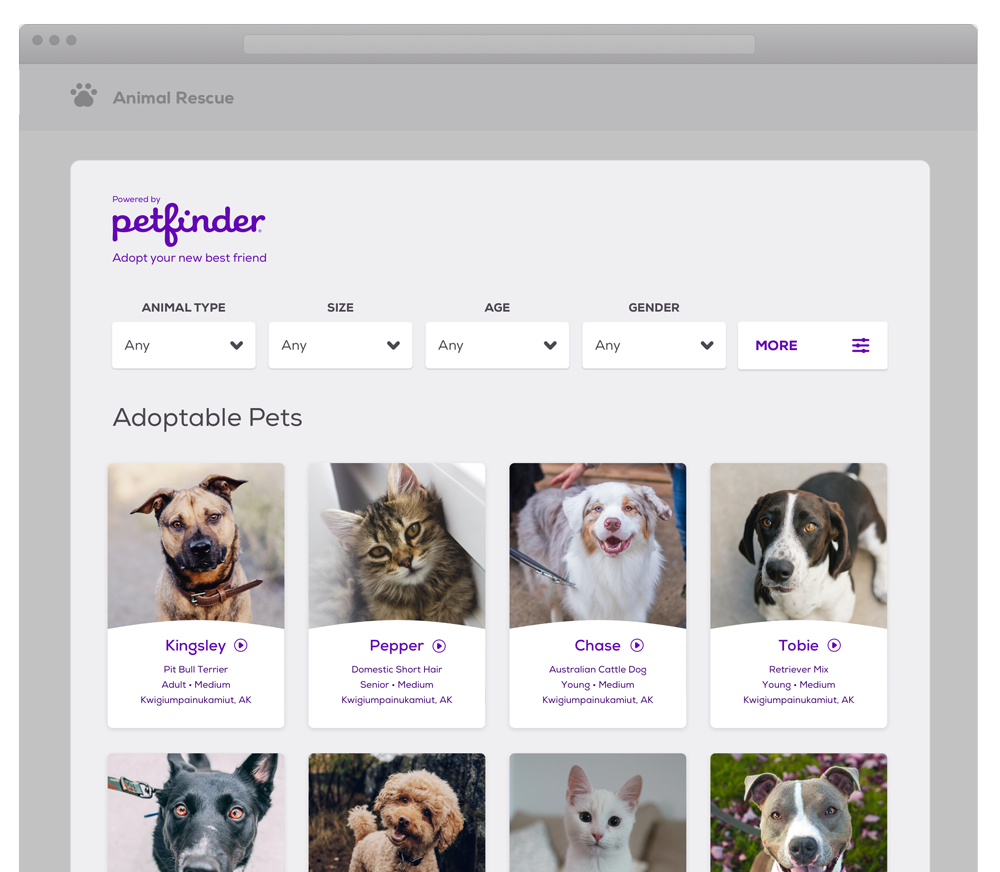
Remote adoption is possible through virtual meet-and-greet sessions, a practice that became common during the COVID-19 pandemic. The shelter partners with websites like Petfinder to showcase available pets. You can inquire and apply online, then arrange a socially distanced visit for final approvals. This flexibility helps match pets with homes faster, even if you cant visit immediately.
Adoptable Dogs
What Breeds Are Most Common?
Wake County Animal Shelter hosts a wonderful mix of breeds and ages. Currently, the top five dog breeds available often include Labrador Retriever mixes, Pit Bull Terrier mixes, German Shepherds, Beagles, and Australian Shepherds. These dogs vary in energy and temperament, meeting different family lifestyles and preferences.
| Breed | Average Age | Temperament |
|---|---|---|
| Labrador Mix | 2-4 years | Friendly, energetic, social |
| Pit Bull Mix | 1-3 years | Loyal, playful, protective |
| German Shepherd | 3-6 years | Alert, intelligent, trainable |
| Beagle | 2-5 years | Curious, vocal, affectionate |
| Australian Shepherd | 1-4 years | Active, outgoing, intelligent |
How to Evaluate a Dogs Temperament?
Look for these key signs when meeting dogs to assess compatibility:
- Energy Level: Does the dog like to play or prefer quiet time?
- Socialization: Is the dog comfortable around people and other pets?
- Health Signs: Clear eyes, healthy coat, no limping or coughing.
Volunteers often notice which dogs thrive in busy households or calm environments, so chatting with them can give valuable insight. One experienced volunteer shared how matching a shy Pit Bull with a patient family created a new lifelong bond, showing just how rewarding this process can be.

Adoptable Cats
Current Cat Population Ages & Breeds
The shelter has a large feline community, balanced between playful kittens and calm adult cats. Most cats are Domestic Shorthairs, but occasional breeds like Bengals and Maine Coons appear.
| Category | Population Percentage |
|---|---|
| Kittens (under 1 year) | 40% |
| Adult Cats (1-7 years) | 50% |
| Senior Cats (7+ years) | 10% |
How Does the Shelter Handle Feral Cats?
The shelter implements a Trap-Neuter-Return (TNR) program targeting feral and colonial cats. This humane approach controls population growth and supports community cat health. They often collaborate with local rescues and volunteers to provide care or relocation when possible, showing dedication beyond just adoption services.
Health & Grooming Tips for New Cat Owners
Bringing a new cat home means adjusting routines gently. For the first vet visit, check vaccinations, deworming, and spay/neuter status. Cats need regular litter box maintenance and daily grooming, especially for long-haired breeds. Brushing your cat 3-4 times per week prevents matting and improves coat shine. Always consult your vet before making dietary or care changes.

Fees, Policies & Services
What Is Included in the Adoption Fee?
The adoption fee covers vital health services including:
- Core Vaccinations (Rabies, Distemper)
- Spaying or Neutering
- Microchipping for permanent identification
- Basic Health Exam by shelter veterinarians
This ensures pets are medically ready and legally prepared to join your family.
Are There Discounts or Waivers?
Wake County Animal Shelter offers special discounts for qualified adopters, including seniors, military personnel, foster-to-adopt candidates, and those adopting multiple pets at once. These programs encourage broader community adoption and responsible pet guardianship.
How Does the Shelter Handle Stray or Surrendered Pets?
The intake process starts with Wake County Animal Control for stray animals. Held for a mandatory 72-hour stray hold, the shelter gives owners time to reclaim pets. If unclaimed or surrendered, the animal enters the adoption or foster program. Staff carefully evaluate health and behavior to decide next steps.

Visiting the Shelter
How to Schedule an Appointment
You can book an in-person visit through the shelters online portal. While walk-ins are accepted, appointments help reduce wait times and provide dedicated staff attention. Weekends get especially busy, so booking early is wise. Visits allow you to spend time with your chosen pet before deciding.
What Are the COVID-19 Safety Measures?
The shelter maintains mask requirements, social distancing, and sanitation stations to protect visitors and staff. Limited indoor capacity helps prevent overcrowding. These policies create a calm and safe atmosphere for everyone, including nervous animals.
How Does Wake County Shelter Differ From Nearby Ones?
| Feature | Wake County | Cary Animal Shelter | Durham County Shelter |
|---|---|---|---|
| Hours | Daily 12pm6pm | Tue-Sat 11am6pm | Daily 12pm5pm |
| Adoption Fee (Dogs) | $95 | $100 | $85 |
| No-Kill Policy | Yes | Yes | Partial |
| Adoption Volume | High | Moderate | High |
This transparency can help you decide which location best suits your needs. Also, Wake County partners with other shelters and organizations such as the animal protection society to increase adoption success and community outreach.
Is Wake County Animal Shelter a Kill Shelter?
No, it operates as a no-kill shelter. Animals are only euthanized for severe medical or behavioral reasons, keeping humane care as a priority for every life.
How Many Adoptable Dogs Are Currently Available?
The number fluctuates but generally stays around 240 dogs available for adoption. The adoption gallery online is updated daily for the most accurate count.
Can I Foster a Pet Before Adopting?
Yes, the foster-to-adopt program allows you to bring a pet home temporarily to ensure it fits your family and lifestyle. Eligibility includes a home check and application. This helps make lasting matches.
What Veterinary Services Are On-Site?
The shelter offers basic health exams, vaccinations, and microchipping. They also work with local vet clinics to ensure comprehensive medical care before and after adoption.
Is Wake County Animal Shelter Safe for Pets with Special Needs?
Absolutely. The shelter accommodates animals requiring extra attention, including those with medical or behavioral challenges. Staff and volunteers create personalized plans to support these pets.
Can I Volunteer or Donate to Help?
Yes, volunteers help with animal care and socialization, events, and adoption drives. Donations support medical treatments and shelter upgrades. Contact the shelter directly to get involved.
Expert Tips for Adoption Success
When choosing your new pet, patience is vital. Allow a few visits to build trust, especially with shy animals. Consistency provides them comfort during the transition.
Dont overlook health screenings and ask plenty of questions. A vet-approved adoption ensures fewer surprises.
Be aware that cheaper or free adoption fees might not include the vital care Wake County covers. Investing in an adoption from a reputable shelter helps your pet start off healthy and vaccinated, reducing future costs.
More You Might Like
Learn about the role of a trusted Animal foundation in pet welfare and community education. If you prefer herding breeds, find tips on finding a Blue heeler for sale.
Conclusion
Wake County Animal Shelter stands out for its no-kill commitment, clear adoption steps, and community support. If youre ready to add a furry family member, start with their online gallery and see how simple and rewarding adoption can be. Your new best friend could be just a few clicks away. Share your adoption story or questions belowwed love to hear from you.
FAQs
Is Wake county animal shelter safe for my dog or cat?
Yes, Wake County Animal Shelter is a no-kill facility that ensures pets receive necessary vaccinations, spaying/neutering, and health checks before adoption. They also accommodate animals with special medical or behavioral needs, providing a safe environment for all pets.
How do I start the adoption process at Wake County Animal Shelter?
Begin by browsing the shelter’s online adoption gallery to select a pet. Then create an account and complete the adoption application online, which speeds up your in-person visit and helps staff prepare to match you with the right pet.
What documents are required for adopting a pet?
You will need a completed adoption application, valid photo identification, and proof of Wake County residence. The shelter also provides a home-check checklist to ensure your home is suitable for the pet’s needs.
Can I foster a pet before committing to adoption?
Yes, Wake County offers a foster-to-adopt program allowing you to care for a pet temporarily to ensure compatibility. A home check and application are required to participate.
Are there any discounts on adoption fees at Wake County Animal Shelter?
Discounts are available for seniors, military personnel, foster-to-adopt adopters, and those adopting multiple pets. These programs promote responsible pet ownership and make adoption more affordable.