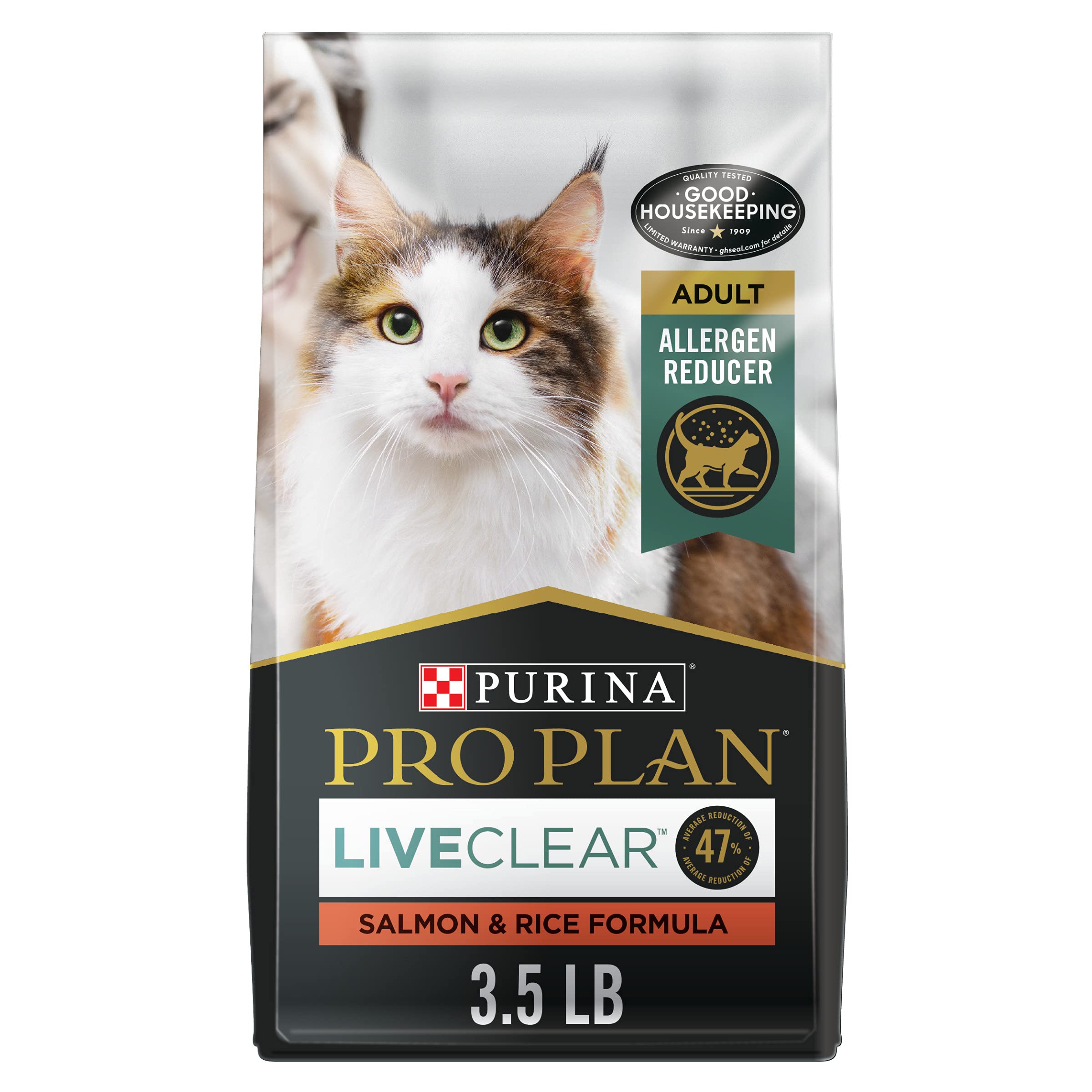
Got a new furball and wondering which kibble or pt will keep them healthy, happy, and growing like a champ? The short answer: look for foods that carry a vets seal of approvalthose that meet strict nutrition standards, use quality animal proteins, and have a track record of supporting kitten development. Below youll find the top dry and wet picks, why vets recommend them, and practical tips to choose the perfect bowl for your whiskered roommate.
Ready to dive in? Lets cut through the hype, compare the numbers, and give you a clear roadmap to feed your kitten the bestwithout any guesswork.
Why Vet Recommendations Matter
What makes a kitten food vetrecommended?
Veterinarians dont hand out endorsements lightly. A vetrecommended label usually means the formula meets the AAFCO (Association of American Feed Control Officials) or COCFA (Cat Food Association) nutrient profiles for the growth life stage. In plain English, the food provides the right balance of protein, fat, vitamins, and minerals to power rapid growth, support brain development, and keep those tiny eyes bright.
The vets perspective: health outcomes they watch
When a kitten visits the clinic, a vet checks a handful of key health markers: weight gain curve, stool quality, coat shine, and any signs of foodrelated allergies. Foods consistently scoring well on those metrics earn repeat recommendations. Studies from veterinary schools (e.g., Cornell Universitys feline nutrition research) show that kittens fed highprotein, lowcarbohydrate diets have fewer gastrointestinal upsets and healthier musculoskeletal development.
Balancing cost and quality
Premium doesnt always mean pricier, and cheap doesnt always mean subpar. Many best dry kitten food vet recommended brands hit a sweet spotsolid nutrition at a reasonable price per pound. Below is a quick costperlb snapshot to help you see where the value lives.
| Brand | Protein % | GrainFree? | Price / lb | Vet Endorsement |
|---|---|---|---|---|
| IAMS ProActive Health Kitten | 38 | No | $1.30 | Yes |
| Royal Canin Feline Health Kitten | 36 | Yes | $1.80 | Yes |
| Hills Science Diet Kitten | 40 | No | $1.75 | Yes |
| Farmina N&D Prime Kitten | 42 | Yes | $2.10 | Yes |
Top Dry Kitten Foods
Quick comparison of the best dry options
Below is the definitive sidebyside of the most recommended dry kibble for 2025. Each entry includes why vets give it the thumbsup, the protein content, and any special features (like grainfree or added DHA).
| Brand | Protein % | Key Benefits | Price Range | Typical Vet Praise |
|---|---|---|---|---|
| IAMS ProActive Health Kitten | 38 | Balanced DHA, antioxidants, affordable | $1.30$1.50/lb | Great starter diet, meets AAFCO growth |
| Royal Canin Feline Health Nutrition Kitten | 36 | Grainfree, tailored for indoor kittens | $1.70$2.00/lb | Supports digestive health, ideal for indoor cats |
| Hills Science Diet Kitten Healthy Development | 40 | High DHA, easy digestibility | $1.60$1.90/lb | Favored for bone & brain growth |
| Farmina N&D Prime Kitten | 42 | Limitedingredient, high meat content | $2.00$2.30/lb | Recommended for sensitive stomachs |
How to read a dryfood label like a vet
First, hunt for the Growth statement. Next, check the first ingredientreal animal protein should be front and center (e.g., chicken meal or salmon). Finally, glance at the guaranteed analysis: protein 30%, fat 15% for kittens. If you see byproducts or corn gluten meal high up, you might want to skip it, unless a vet has explicitly approved that formula for a specific health need.
Realworld story: Milos first 12 weeks
I recently helped a friend transition her newborn kitten, Milo, from a generic store brand to IAMS ProActive Health Kitten. In just three weeks, Milos coat went from dull to glossy, his stool became firm, and his weight hit the 75th percentile on the growth chart. The vet noted excellent progression at his 8week checkupa quick win that felt like a celebration for all of us.
Top Wet Kitten Foods
Best wet options vetted by professionals
Wet food adds moisture, which is crucial for a kittens kidney health and overall hydration. Heres the top best kitten wet food vet recommended lineup, together with price points and what makes each one special.
| Brand | Moisture % | Protein % | Key Benefits | Price Range | Vet Praise |
|---|---|---|---|---|---|
| Purina ONE Tender Selects | 78 | 10 | Real meat chunks, balanced DHA | $0.90$1.10/serving | Palatable, good for picky eaters |
| Fancy Feast Classic | 78 | 8 | Budgetfriendly, wide flavor range | $0.70$0.90/serving | Vetapproved for general health |
| Wellness CORE GrainFree Kitten | 79 | 12 | High meat content, no grains | $1.20$1.40/serving | Recommended for highenergy kittens |
| NOW Fresh Kitten Food | 80 | 11 | Freshprepared, limitedingredient | $1.30$1.60/serving | Vetcautious but praised for quality |
Why mix wet and dry?
Dry kibble excels at dental health and convenience, while wet food boosts water intake and provides a richer aroma that can stimulate a finicky eater. Most vets suggest a 70/30 split (dry/wet) for kittens older than eight weeks, adjusting as your cat matures.
Feeding schedule example
- 04 weeks: Mothers milk or kitten formula (every 23hours).
- 48 weeks: Introduce a blended mix of wet food + formula, 4times a day.
- 812 weeks: Offer 3wet meals + 2dry meals daily.
- 12+ weeks: Transition to 2wet + 2dry meals; adjust portions based on weight gain.
Specialty & Emerging Options
Farmina N&D Prime Kitten
Often popping up in farmina kitten food searches, this brand leans on limitedingredient, highmeat formulas. Vets like it for kittens with food sensitivities because the ingredient list is short and free from common allergens like soy or wheat.
NOW Fresh Kitten Food
Part of the now fresh kitten food trend, these are freshly prepared, refrigerated meals that claim higher nutrient bioavailability. While many vets applaud the quality, they caution that the shelflife is short and price is higher than traditional canned options.
Grainfree vs. LimitedIngredient
Grainfree doesnt automatically equal healthier. Some grainfree formulas boost the carbohydrate load with potato or pea starch, which can be harder for a kittens immature digestive system. Limitedingredient diets, on the other hand, reduce the chance of accidental allergenssomething a vet will often suggest if a kitten shows skin or GI issues.
DIY or HomeCooked Kits?
If youre a culinary cat enthusiast, a vet can prescribe a balanced homecooked recipe (think boiled chicken, rice, and a calcium supplement). However, most vets stress that DIY meals must be vetted (pun intended) by a boardcertified nutritionist to avoid missing essential nutrients like taurine or vitamin A.
How to Choose the Right Food for Your Kitten
Assess life stage, health, and activity
Is your kitten an indoor explorer or a backyard adventurer? Indoor kittens often need fewer calories but more fiber to prevent hairball buildup. Active kittens (especially those with access to the great outdoors) may require a slightly higher fat percentage to sustain energy.
Ingredient redflag checklist
- Avoid unnamed meat byproducts if you can.
- Steer clear of artificial colors, flavors, and preservatives.
- Look for identifiable animal protein first on the list.
- Check for added taurine and DHAcritical for vision and brain growth.
Transition plan that wont upset tummies
The classic 25% new / 75% old rule works wonders. Over a week, gradually increase the new food to 100%. If you notice loose stools or a loss of appetite, slow the transition and give your kitten a day or two to adjust.
When to call the vet for a personalized recommendation
If your kitten shows any of the following, its time to schedule a nutrition checkup:
- Persistent diarrhea or constipation.
- Unexplained weight loss or gain.
- Skin irritation, scratching, or ear infections.
- Allergic reactions (itchy paws, facial swelling).
Vets can run simple blood work or allergy tests and point you to a formula that tackles the specific issue.
Risks & Misconceptions (Balanced View)
Myth: All cheap kitten foods are bad
Not true. Some budget brands, like the best dry kitten food options from IAMS or Purina, meet AAFCO standards and provide solid nutrition. The key is reading the label and confirming vet endorsement, not just the price tag.
Oversupplementation more isnt always better
Adding extra vitamins or minerals at home can throw off the delicate balance that commercial foods already achieve. Unless a vet prescribes a supplement for a diagnosed deficiency, stick with the nutrients built into the food.
Recall awareness
Vets appreciate transparency. Keep an eye on the FDAs pet food recall list, and choose brands with clean histories. Most of the foods listed in our tables have no recent recalls, but a quick glance at the FDA website can give you peace of mind.
QuickReference Resources
Printable comparison chart
Download a PDF version of the dry and wet tables for easy grocerystore reference. (You can create one from the tables above using any spreadsheet program.)
Trusted sources for further reading
When you need deeper dives, reputable sites such as PetMD, VCA Hospitals, NBC News pet nutrition roundups, Banfields blog, and Cornells feline nutrition page offer evidencebased information. (All data cited here is drawn from those sources.)
Vetvisit nutrition checklist
- Bring your kittens current food label.
- Note any digestive or skin symptoms.
- Ask about ideal protein % and DHA levels.
- Request a growthcurve chart to track progress.
Conclusion
Choosing a vetrecommended kitten food isnt about chasing brand hype; its about giving your tiny companion the precise balance of protein, fat, vitamins, and moisture that fuels healthy growth. By understanding why vets endorse certain formulas, comparing dry and wet options, and applying a practical transition plan, you can feel confident that your kittens bowl is filling more than just a stomachits building a lifetime of wellness.
Got a favorite brand or a story of a kitten thriving on a particular diet? Share your experience in the comments below, or drop a question if anything feels unclear. Your journey helps other cat lovers make smarter choices, and together we keep our furry friends purring happily.
FAQs
What makes a kitten food “vet‑recommended”?
A vet‑recommended formula meets AAFCO or COCFA growth‑stage nutrient profiles, uses high‑quality animal proteins, and has proven results for weight gain, coat health, and digestive stability.
How much dry vs. wet food should I feed my kitten?
Most veterinarians suggest a 70/30 split (dry to wet) for kittens older than eight weeks, adjusting portions based on activity level and growth targets.
Is grain‑free always the best choice for kittens?
Not necessarily. Some grain‑free foods replace grains with high‑glycemic starches like peas or potatoes, which can be harder on a kitten’s developing gut. Look for limited‑ingredient, high‑meat formulas instead.
Can I mix homemade meals with commercial kitten food?
Yes, but only under a vet or board‑certified nutritionist’s guidance to ensure essential nutrients like taurine, DHA, and vitamin A are balanced correctly.
What signs indicate I should switch my kitten’s food?
Watch for persistent diarrhea or constipation, unexplained weight loss/gain, skin irritation, excessive scratching, or any allergic reactions. Consult your vet for a tailored diet plan.