Finding the right food for a cat dealing with pancreatitis can feel like walking a tightropetoo much fat and you risk a flareup, too little and nutrition suffers. The good news? You can create a balanced, lowfat diet right in your kitchen that keeps your feline friend comfortable and happy.
Below youll discover why a homemade approach works, the key ingredients to pick, three easytofollow recipes, and how to keep everything vetapproved. All of it written in a friendly, wevebeenthere style so you can start cooking with confidence today.
Why Homemade Helps
What does pancreatitis mean for a cats diet?
Pancreatitis inflames the organ that produces enzymes for fat digestion. A diet too high in fat forces the pancreas to work overtime, leading to pain, vomiting, and even chronic damage. The goal is a lowfat, highly digestible meal that still supplies all essential nutrients.
Benefits vs. commercial therapeutic foods
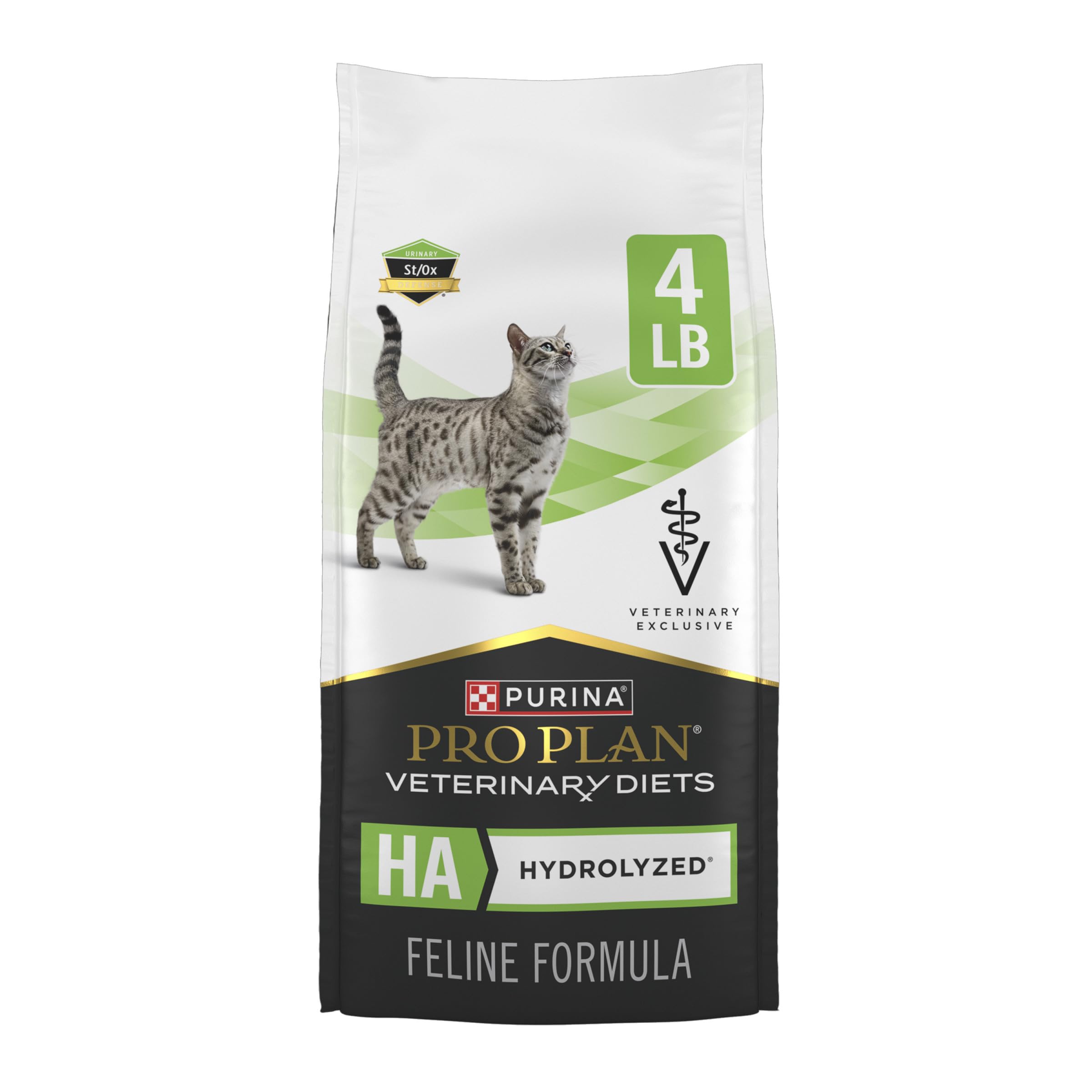
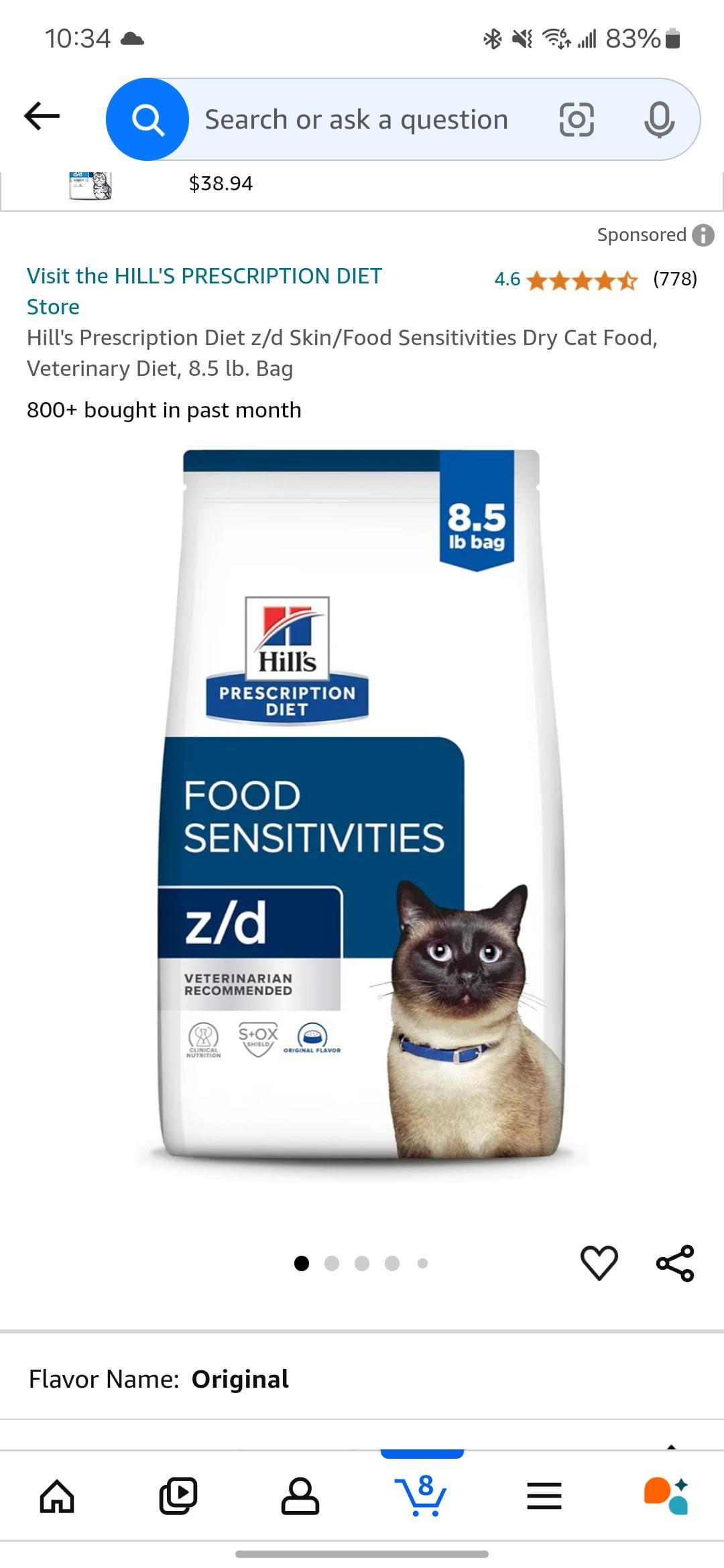
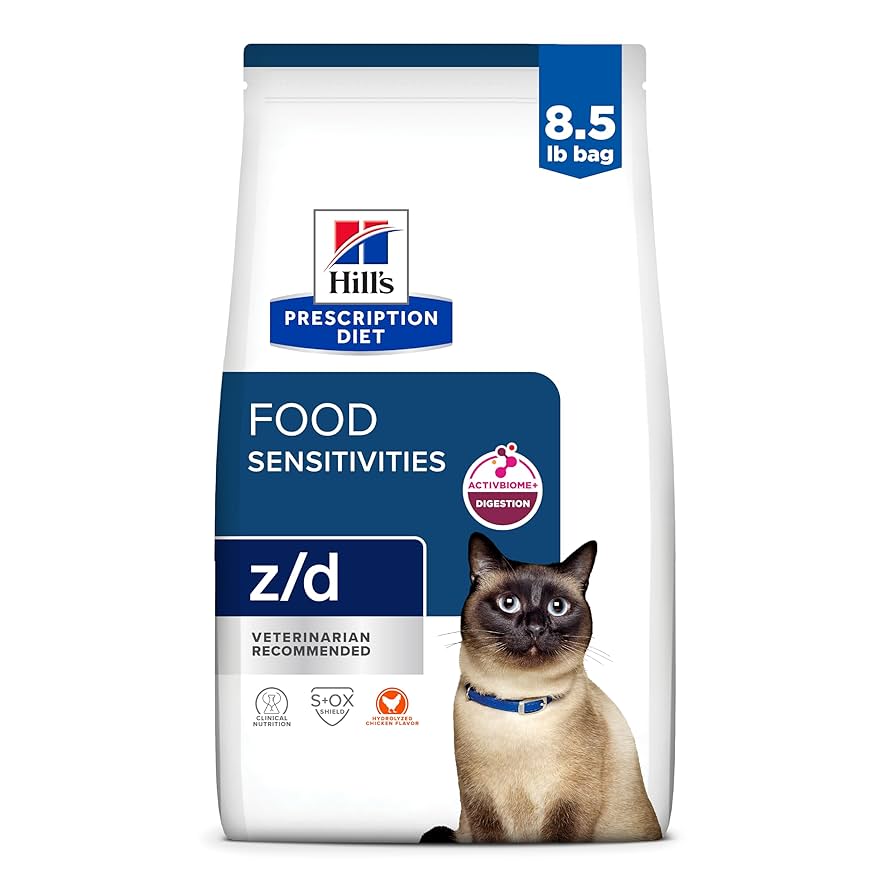
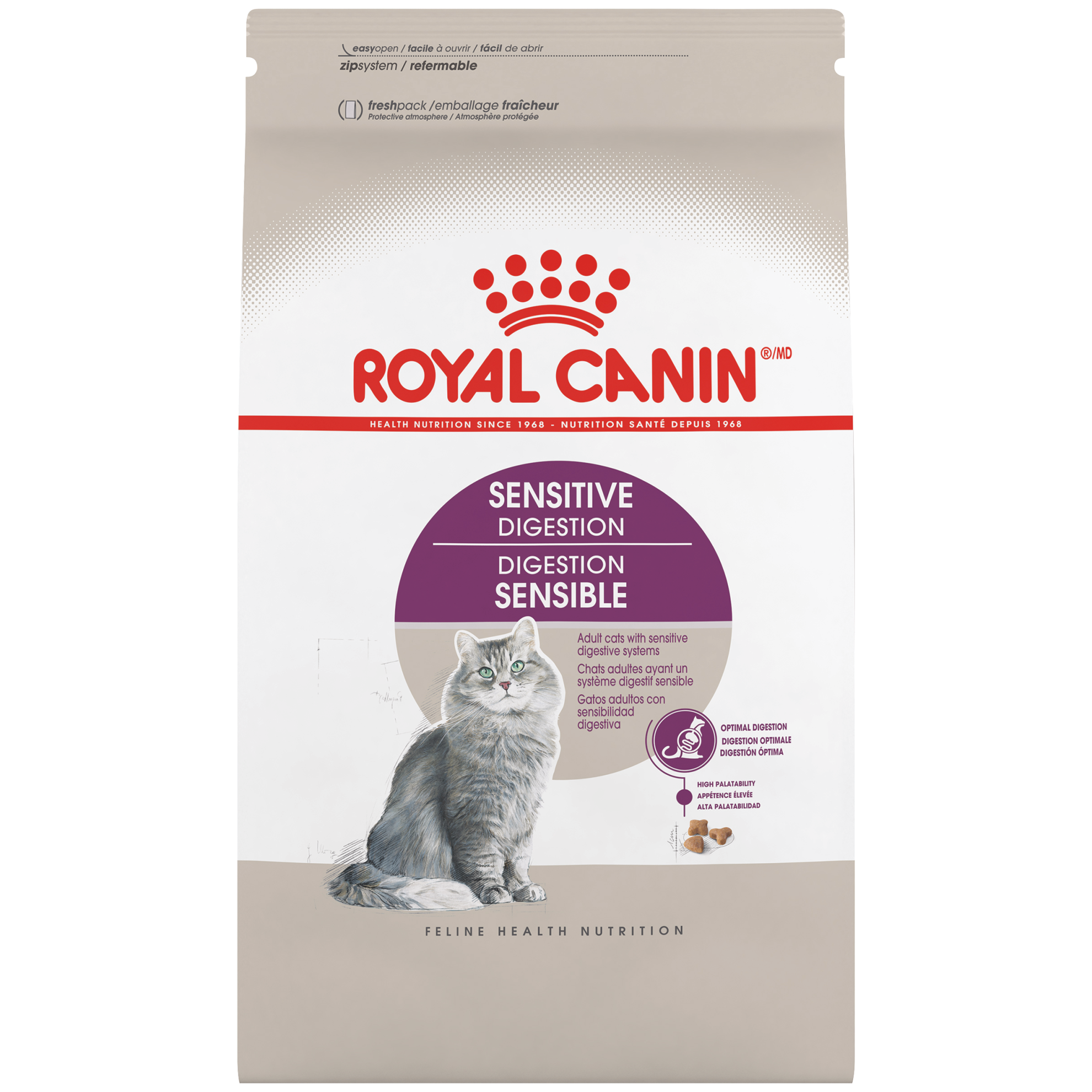
Commercial prescription kibble is formulated for low fat, but it can be pricey and sometimes hard to find. Homemade meals let you control every ingredient, adjust texture for senior cats, and often save 3040% per month. See also our guide on the best dry food for cats with pancreatitis for a quick cost comparison.
Risks of DIY feeding & how to avoid them
Common pitfalls include hidden fats (like skinon meat), unbalanced calciumphosphorus ratios, and missing essential amino acids such as taurine. The best way to dodge these traps is to follow a proven, vetapproved recipe and doublecheck nutrient levels with an AAFCOcompliant calculator.
Core Recipe Principles
The 80/10/10 rulereimagined
Traditional raw feeding follows an 80% meat, 10% bone, 10% organ split. For pancreatitis we lower the bone component to 5% and keep total fat under 2% of the diet. This keeps the pancreas relaxed while still delivering the protein it craves.
Lean protein choices
Use only ultralean meats: skinless chicken breast, turkey breast, rabbit, or venison. Each should contain 5% fat when cooked. These options show up often in vet approved homemade cat food recipes because theyre easy to source and gentle on the stomach.
Lowfat carbohydrate sources
Gentle carbs like cooked sweet potato, pumpkin puree, or finely shredded carrots add calories without excess fat. Aim for no more than 10% of the total batch to keep blood sugar steady.
Essential supplements
Even a perfect meatandveg mix can miss key micronutrients. Add these supplements to any homemade cat food supplement lineup: - Calcium source ground eggshell (tsp per pound of meat) or a commercial bone meal.
- Omega3 fish oil 500mg per 100g of food (consult your vet for exact dosing).
- Taurine 200mg per kilogram of diet (critical for heart and eye health).
- Vitamin Bcomplex a small multivitamin tablet crushed into the mix.
StepbyStep Recipes
Simple Chicken & Pumpkin Stew
Ingredients (makes ~4 servings)
| Ingredient | Weight |
|---|---|
| Skinless chicken breast, diced | 400g |
| Pumpkin puree (unsweetened) | 100g |
| Water | 200ml |
| Ground eggshell | tsp |
| Fish oil capsules | 2 (1g total) |
| Taurine powder | 200mg |
Instructions:
- Bring water to a gentle boil, then add the chicken pieces.
- Simmer for 1012minutes until fully cooked, stirring occasionally.
- Stir in pumpkin puree and let the mixture cool to lukewarm.
- Mix in ground eggshell, fish oil, and taurine. Blend briefly for a smooth texture.
- Portion into airtight containers. Store in the fridge for up to three days or freeze for up to two weeks.
Turkey & SweetPotato Mash (BudgetFriendly)
Ingredients (5 servings)
- Ground turkey breast 500g (choose 99% lean).
- Sweet potato, peeled & cubed 150g.
- Water 250ml.
- Calcium powder tsp.
- Omega3 capsule 1 (opened).
- Taurine 250mg.
Method:
- Boil sweetpotato cubes until forktender, then mash smooth.
- In a separate pan, cook turkey until no pink remains; drain excess liquid.
- Combine turkey and mashed sweet potato, add water to achieve a ptlike consistency.
- Stir in calcium powder, fish oil, and taurine. Cool and serve.
Rabbit & Carrot Gentle Broth (Sensitive Stomach)
Ingredients (3 servings)
- Rabbit meat, boneless 300g.
- Carrots, finely grated 80g.
- Water 300ml.
- Plain kefir (optional probiotic) 2Tbsp.
- Ground eggshell tsp.
- Taurine 150mg.
Directions:
- Place rabbit and water in a small pot; bring to a low simmer.
- Skim any fat that rises to the surface this keeps the final fat content under 2%.
- Add grated carrots, continue simmering for 810minutes.
- Remove from heat, stir in kefir, eggshell, and taurine.
- Blend to a smooth broth or leave slightly chunky depending on your cats preference.
Tailoring for LifeStage
Senior cats with pancreatitis
Older felines benefit from extra moisture and softer textures. Add a splash of lowsodium chicken broth or a spoonful of pureed pumpkin to any recipe above. Keep sodium below 0.2% to protect kidney health.
Kittens or recovering cats
Start with tiny portions (a teaspoon) mixed with a bit of kittenspecific wet food to entice appetite. Gradually increase the homemade portion over a week while monitoring weight and stool consistency.
Sensitive stomach cats (homemade cat food recipes for sensitive stomach)
Stick to singleprotein recipes (e.g., only turkey) for at least two weeks before introducing new proteins. Adding a teaspoon of psyllium husk per cup of food can help regulate digestion.
Monitoring & Vet Collaboration
Which labs should you ask for?
Before switching, request a baseline panel: serum amylase, lipase, liver enzymes, and a complete blood count. These numbers give your vet a clear picture of pancreatic stress and help tailor supplement dosages.
How often to reevaluate?
Schedule a weight check and stool score every 24 weeks during the first month. If your cats weight stays steady and stools are formed, youre on the right track. Otherwise, adjust fat content or increase fiber.
When to revert to prescription diet?
A sudden spike in vomiting, lethargy, or a notable drop in appetite means its time to pause the homemade plan and switch back to a vetrecommended therapeutic kibble. Safety first!
Quick Answers for Busy Pet Parents
Can I feed raw meat to a cat with pancreatitis?
Raw can be used only if the meat is ultralean (3% fat) and balanced with calcium and taurine. Most vets still recommend cooked meals because cooking reliably reduces hidden fat.
Is homemade cheaper than commercial therapeutic diets?
On average, a weekly batch costs 3040% less than premium prescription wet or dry foods, especially when you buy proteins in bulk.
How much fat is too much?
Target 2% total dietary fat, which translates to roughly 1g of fat per 100g of finished food.
Do I need a vitaminmineral supplement?
Yesunless youre using a complete commercial base. Calcium, taurine, and a balanced multivitamin are nonnegotiable for longterm health.
Can I add pumpkin puree for fiber?
Absolutely! Up to 10% of the total batch is safe and can improve stool quality without overloading carbs.
Conclusion
Cooking homemade food for cats with pancreatitis doesnt have to be a daunting science experiment. By focusing on lean proteins, gentle carbs, and the right supplements, you can whip up meals that soothe your cats pancreas, keep nutrition on point, and save money along the way. Always keep your veterinarian in the loopregular labs and weight checks are the safety net that turns a good recipe into a great health plan.
Ready to give one of the recipes a try? Grab a notebook, prep those ingredients, and watch your cats tail start to wiggle again. Have questions or success stories? Drop a comment below, share your own tweaks, and lets keep the conversation going. Your cats health is a team effort, and were all in this together.
FAQs
What ingredients should I avoid for cats with pancreatitis?
Steer clear of high‑fat foods like skin‑on meat, butter, cheese, and commercial treats. Also avoid hidden fats in sauces, processed foods, and excessive organ meat.
How often can I feed my cat homemade meals?
Feed homemade meals 2‑3 times daily, dividing the total daily caloric need into equal portions. Always monitor weight and stool quality and adjust as needed.
Do I need to add a calcium supplement?
Yes. Even without bones, cats need calcium. Use ground eggshell (½ tsp per pound of meat) or a commercial calcium powder to maintain a 1:1 calcium‑phosphorous ratio.
Can I use raw meat for my cat’s diet?
Raw can be used only if the meat is ultra‑lean (≤3 % fat) and the diet is balanced with calcium, taurine, and a vitamin‑mineral supplement. Most vets prefer cooked meals for safety and reliable fat control.
When should I switch back to a prescription diet?
If your cat shows sudden vomiting, loss of appetite, lethargy, or a spike in blood lipase/amylase, revert to a vet‑recommended therapeutic diet and contact your veterinarian immediately.