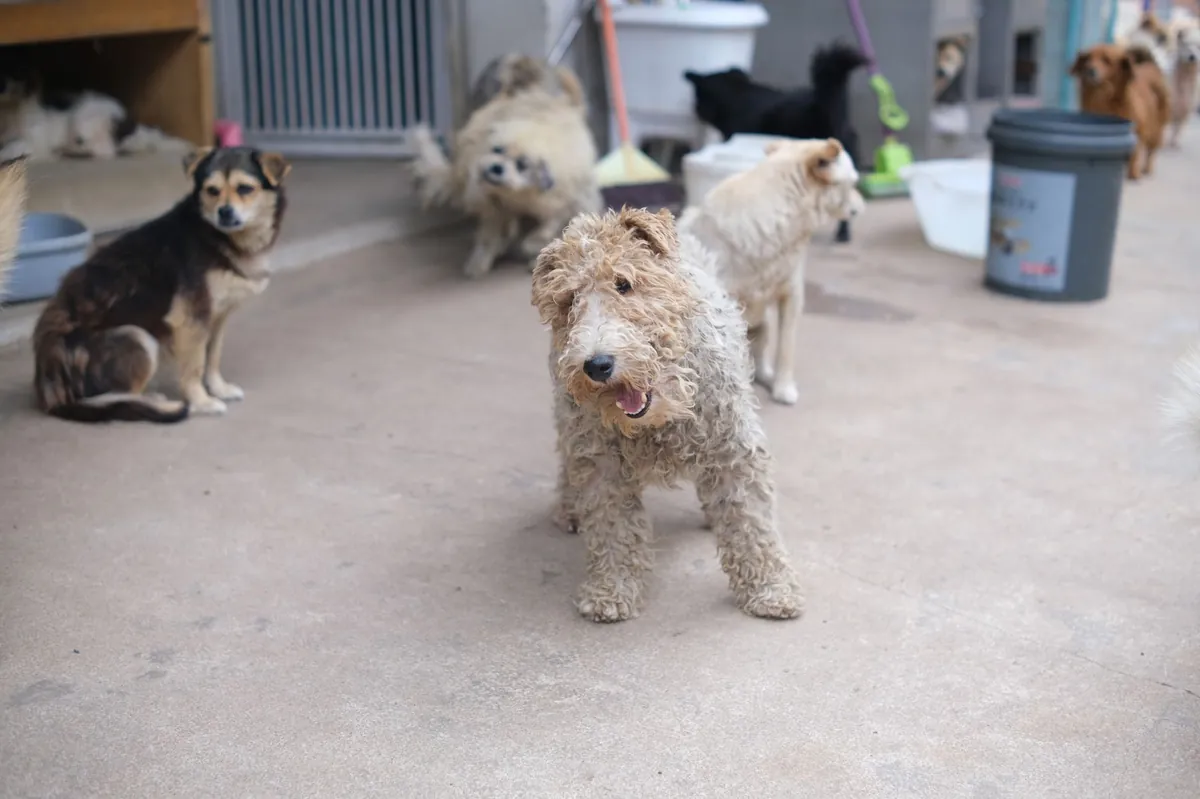
Looking for a fourlegged friend from across the Channel, the Alps, or the Carpathians? In a nutshell, European dog breeds come in every shape, size, and temperament you can imagine from towering guardians that could double as snowplows to pocketsized lap warmers that fit perfectly in a city apartment. Below youll find quick answers to the most common questions: which size fits your home, what health quirks to expect, and how to match a breeds personality to your lifestyle.
Stick around, because Ill walk you through the big, the medium, and the tiny, sprinkle in a few rare and ancient gems, and end with a handy checklist that makes picking the right European dog breed feel as easy as scrolling through your favorite playlist.
Overview
What Makes a Breed European?
Simply put, a European dog breed is one that originated within the geographic borders of Europe from the breezy coasts of Portugal to the rugged steppes of Russia. These breeds were shaped by centuries of work, hunting, and companionship, giving them distinct traits that still shine today.
Why Knowing the Benefits & Risks Matters
Every breed brings a bundle of joys (loyalty, intelligence, a dash of drama) and a few challenges (health issues, grooming needs, legal restrictions in some regions). Balancing the pros and cons helps you avoid surprise vet bills and ensures a happy, longlasting partnership.
Expert Insight
According to the European Kennel Clubs 2024 health report, large breeds like the German Shepherd average 1012 years, while smaller breeds often reach 1416 years. Knowing these numbers can guide your expectations.
RealWorld Example
I once swapped a massive Caucasian Shepherd for a spry French Spaniel after moving into a city flat. The change taught me that space really does matter the smaller dog thrived in a compact apartment, while the giant needed acres to roam.
Large Breeds
Top European Dog Breeds Large
Think you have enough room for a gentle giant? Here are five tall, sturdy pups that love space and activity:
| Breed | Height (in) | Weight (lb) | Key Traits |
|---|---|---|---|
| German Shepherd | 2226 | 7095 | Intelligent, protective, versatile |
| Caucasian Shepherd | 2732 | 110220 | Guardian instinct, loyal, independent |
| Romanian Carpathian Shepherd | 2328 | 90130 | Flock guardian, calm at home |
| Spanish Mastiff | 2530 | 130200 | Gentle giant, excellent with kids |
| French Mastiff (Mastiff Franais) | 2430 | 110170 | Affectionate, lowenergy |
Size & Space Requirements
Large breeds typically need at least a fenced yard where they can stretch their legs. Daily walks of 12 hours are a must, plus mental stimulation think puzzle toys or obedience games.
Health Concerns
Hip dysplasia, elbow dysplasia, and bloat are common in giants. Regular vet checkups, a balanced diet, and avoiding highimpact activities when theyre young can keep these issues in check.
Large Eastern European Breeds
If youre fascinated by the rugged beauty of the Balkans, consider these large eastern european dog breeds. They were bred to protect livestock from wolves and are as tough as the mountains they hail from.
- Caucasian Shepherd Fierce guard, thrives in cold climates.
- Russian Black Terrier Athletic, great for police work.
- Ukrainian Bassett Hound Rare, gentle despite its size.
Medium Breeds
Popular European Dog Breeds Medium
Mediumsized pups strike a sweet spot big enough for active families, yet compact enough for most apartments with a backyard. Here are a few standouts:
- German Shorthaired Pointer Energetic, loves water, superb hunter.
- Belgian Malinois Highenergy working dog, excels in agility.
- Nova Scotia Duck Tolling Retriever (yes, its technically Canadian but popular across Europe) Playful, mediumsized, great with kids.
Lifestyle Fit
If you jog, hike, or play fetch daily, a medium breed will keep pace. They usually need 11.5 hours of exercise and enjoy training sessions that challenge their brain.
Comparison Table: Large vs. Medium vs. Small
| Size | Typical Height | Space Needed | Energy Level |
|---|---|---|---|
| Large | 2432 in | Fenced yard + 2 hrs walk | High |
| Medium | 1824 in | Large apartment + 1 hr walk | MediumHigh |
| Small | 1018 in | Apartment + short play sessions | Varies |
Small Breeds
Top European Dog Breeds Small
Running out of space? Small dogs pack big personalities into tiny frames. Below are some European gems that fit perfectly on a couch or a small city balcony.
- Papillon Fluffy ears, lively, and very trainable.
- Russian Toy Tiny, elegant, needs gentle socialisation.
- French Bichon Frise Hypoallergenic, loves to cuddle.
Grooming & Care
Many small breeds have coats that need regular brushing to prevent matting. Dental health is also crucial tiny teeth can develop tartar quickly, so daily tooth brushing helps.
When Small Isnt Always Best
Small dogs can be prone to patellar luxation (knee slips) and dental issues. Choose a breed with a reputable health clearances and be ready for occasional vet visits.
Helpful Link
For more ideas on miniature companions, check out our guide on Small dog breeds.
Rare & Ancient Breeds
Five Rare European Breeds Worth Knowing
If you love a good underdog story, these rare breeds are fighting to stay on the map:
- Slovak Cuvac Gentle shepherd from the Carpathians.
- Pyrenean Mastiff Massive yet surprisingly calm.
- Polish Lowland Sheepdog Fluffy, intelligent, a true herding marvel.
- Spanish Water Dog Loves swimming, rare outside Iberia.
- Hungarian Kuvasz Noble guardian, ancient lineage.
Conservation Status
Breed clubs across Europe run preservation programs, offering subsidies for owners who maintain genetic purity. Supporting such clubs helps keep these living pieces of history alive.
Ancient European Dog Breeds
Some breeds trace their roots back over a millennium. Take the Hungarian Vizsla, originally a 10thcentury hunting companion, still praised for its silky coat and boundless energy.
Expert Quote
DNA analysis of ancient canine remains shows the Vizslas lineage is one of the few that remained genetically stable for over 1,000 years, says Dr. Lena Kovcs, a canine archaeologist at the University of Budapest.
Hunting Breeds
What Makes a Good European Hunting Dog?
Key ingredients: a keen nose, stamina for long days in the field, and a calm demeanor around game. Many hunting breeds also excel at obedience, making them superb family pets when off duty.
Classic European Hunting Dog Breeds
- Spanish Pointer (Paleta) Agile, excellent in rough terrain.
- French Spaniel (Spaniel Franais) Energetic, loves water.
- Italian Spinone Versatile, works well with both birds and larger game.
Training Tips
Start with basic commands (sit, stay, recall) before introducing scent work. Positive reinforcementtreats, praise, playkeeps motivation high.
Safety & Ethics
Responsible hunting respects wildlife quotas, uses nonlethal methods when possible, and ensures the dogs wellbeing with regular vet checks.
Choosing Your Perfect European Dog Breed
SelfAssessment Checklist
Ask yourself:
- How much space do I have? (Yard vs. apartment)
- What is my daily activity level?
- Am I prepared for grooming and health maintenance?
- Do I have kids, other pets, or specific allergies?
Breed Compatibility Matrix
| Lifestyle | Best Size | Top Picks |
|---|---|---|
| Active outdoor enthusiast | Large/Medium | German Shepherd, German Shorthaired Pointer |
| Urban apartment dweller | Small | Papillon, French Bichon Frise |
| Family with kids | Medium | Belgian Malinois, Spanish Mastiff |
| Firsttime dog owner | Small/Medium | Small dog breeds (see link), Hungarian Vizsla |
Adoption Sources
Look for reputable rescues, breedspecific shelters, or official kennel clubs. Always request health clearances, pedigree papers, and a meetandgreet with the puppys parents if possible.
Trust Signals
Verified health certificates, AKC/Fdration Cynologique Internationale (FCI) registration, and transparent breeding practices are red flags for trustworthy breeders.
Caring for Your European Dog
Nutrition Basics
Feed a diet appropriate for the breeds size and activity. Large breeds benefit from jointsupporting supplements, while small dogs often need kibble formulated for tiny teeth and high metabolism.
Health Maintenance
Annual vet visits, vaccinations, and breedspecific screenings (e.g., hip Xrays for German Shepherds, cardiac exams for large Mastiffs) keep problems caught early.
Training & Socialisation
Start early: a 6week puppy class builds confidence. Consistency, patience, and rewards create a wellbehaved companion ready for city streets or country trails.
Expert Vet Insight
Dr. Marco Silva, a veterinary orthopedist, recommends lowimpact exercise for large breeds until their skeletal system matures at around 18 months.
Conclusion
From towering guardians to pocketsized cuddle bugs, European dog breeds offer a spectrum of personalities and needs. The right breed isnt about fame or size alone; its about matching a dogs traits to your daily rhythm, living space, and longterm commitment. Use the checklist, explore the comparison tables, and youll feel confident strolling into a shelter or breeders kennel armed with knowledge.
Ready to start your adventure? Dive deeper into the most popular dog breeds in Europe and see which one sparks that tugofheart feeling. If you have questions, share your thoughts below I love hearing about your furry dreams and can help point you toward the perfect European companion.
FAQs
What size European dog breed is best for a small apartment?
Small European breeds such as the Papillon, Russian Toy, or French Bichon Frise thrive in apartments because they need less space and shorter exercise sessions.
Do large European breeds require special health care?
Yes, giants like the German Shepherd, Caucasian Shepherd, or Spanish Mastiff are prone to hip dysplasia, elbow issues, and bloat, so regular vet check‑ups, joint supplements, and controlled exercise are essential.
Which European breeds are good for first‑time owners?
Medium‑sized, adaptable breeds such as the German Shorthaired Pointer, Belgian Malinois (with training) or Hungarian Vizsla offer balanced energy levels and are generally easier to manage for beginners.
Are there any rare European breeds that make good family pets?
The Slovak Cuvac, Pyrenean Mastiff, and Polish Lowland Sheepdog are rare but known for being gentle, loyal, and good with children when socialised early.
How much daily exercise does a typical European hunting dog need?
Most European hunting breeds, like the Spanish Pointer or Italian Spinone, require at least 1–2 hours of vigorous activity each day, plus regular mental stimulation.