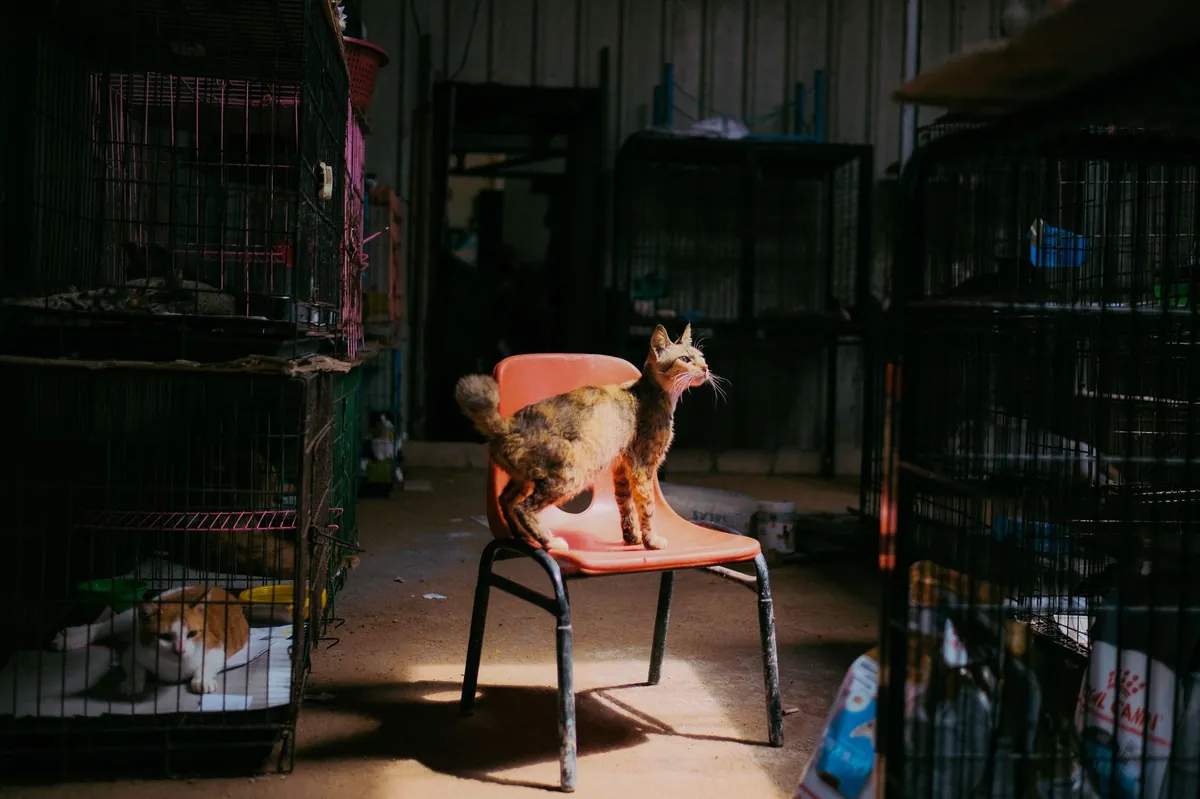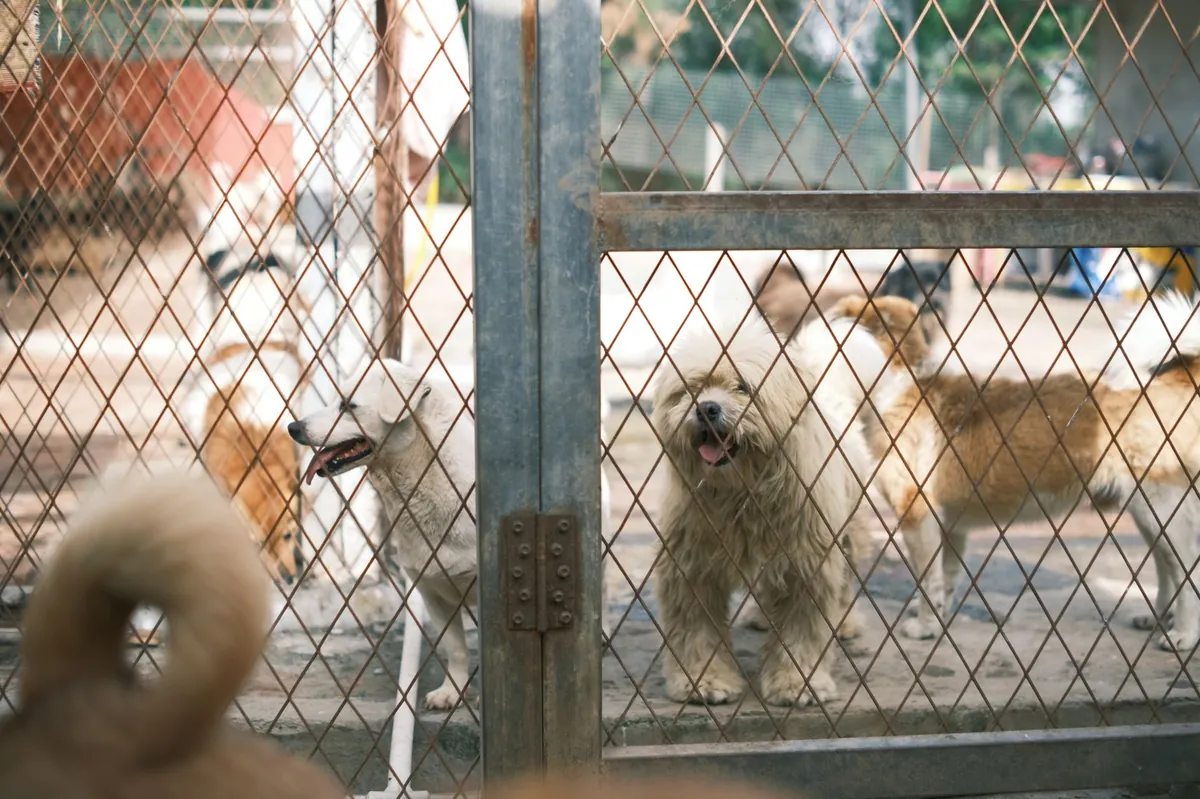
If youre thinking about adding a furry friend to your family, Durham animal shelter dogs offer a wonderful chance to find a loving companion while making a big difference in your community. The Animal Protection Society of Durham has many dogs waiting for homes, all ready to bring joy and loyalty without the hassle and cost of buying from a breeder.
Knowing how to find the right dog and understanding the adoption process can ease your journey. This guide covers everythingfrom where to find shelter dogs in Durham to picking the best match for your lifestyle and what to expect after adoption. Lets get you ready to welcome a happy tail into your home.
Why Adopt Shelter Dogs?
What Makes Shelter Dogs in Durham Special?
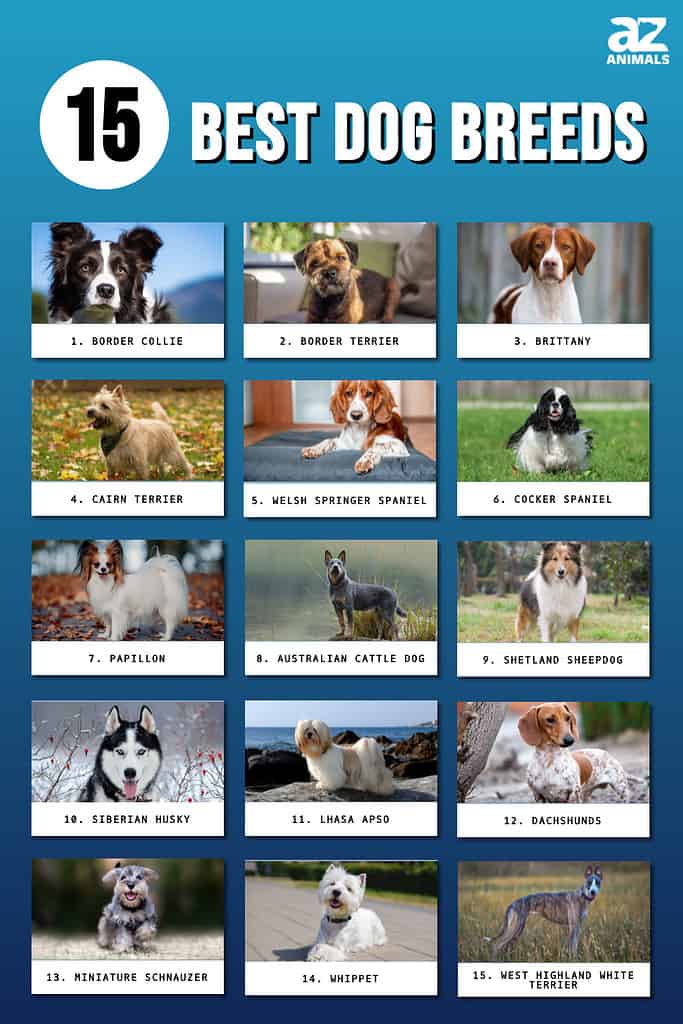
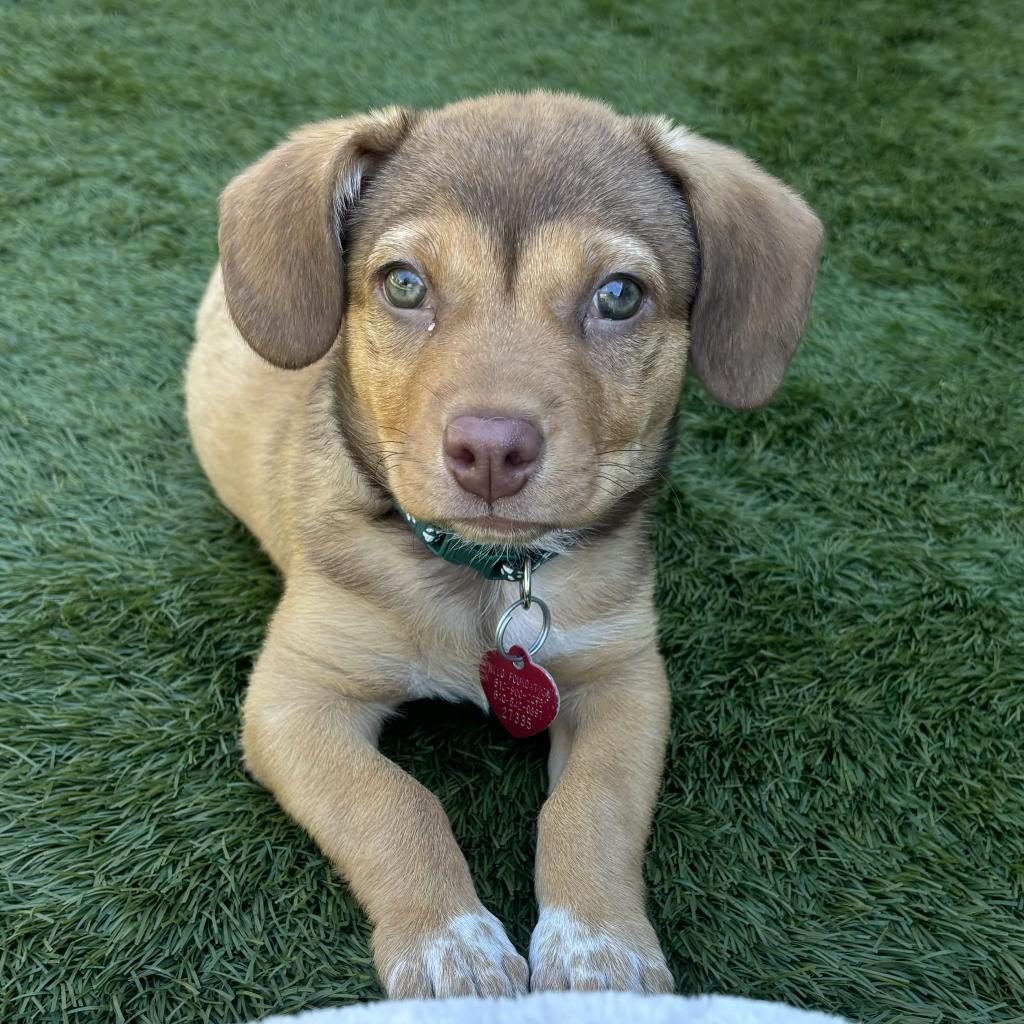
Durham animal shelter dogs come in all shapes, sizes, and breeds. Many are mixed breeds with charming traits from popular dogs like the Labrador retriever or small terriers. These mixes often have balanced temperaments and great health thanks to natural genetic diversity.
Adopting from a shelter also means youre giving a second chance to pets who might otherwise face uncertain futures. Contrary to common myths, many shelter dogs receive thorough veterinary care, are vaccinated, spayed or neutered, and behavior assessed to help match them with the right owner.
Community and Shelter Benefits
When you choose a dog from the local shelter, youre helping reduce stray populations. Data from Durham animal control show that adoption rates directly impact fewer homeless animals on the streets, making neighborhoods safer and healthier.
The Animal Protection Society of Durham is a nonprofit operating since 1970, relying on donations and volunteers to care for hundreds of animals yearly. Your adoption fees support veterinary care, shelter maintenance, and community outreach programs that save countless lives.
"Every dog we adopt out is a success story," says a longtime APS volunteer, "and seeing them find their forever families reminds us why this work matters."
Where to Find Shelter Dogs
Main Hub: Animal Protection Society of Durham (APS)
The APS is the heart of Durhams animal rescue efforts. Located conveniently with easy parking, APS welcomes visitors during scheduled hours for meet-and-greets and adoption interviews. Their adoption calendar is updated regularly, showing opportunities for events where you can interact with available dogs in a friendly environment.
You can also browse current dog listings online through their website and trusted partner sites like Petfinder. This lets you get a head start on selecting breeds, sizes, and ages that suit your needs.

Nearby County Shelters & Rescue Groups
If you have some flexibility, exploring neighboring county shelters can expand your options:
- Wake County shelter near Raleigh offers a broad variety, often larger in numbers with special programs for low-cost spay/neuter services.
- Cary and Chapel Hill shelters provide smaller-scale, community-focused rescue efforts with occasional senior dog discounts.
- Orange and Granville Counties focus on first-come basis adoptions, sometimes featuring longer-term foster solutions and medical rehabilitation programs.
Each shelter has its own adoption procedures, so checking official county animal service pages for details can save time and keep expectations clear.
Adoption Process Step-by-Step
Pre-Adoption Preparation
Before you fill out an application, prepare some basics. Ask to see vaccination records and confirm the dog is spayed or neutered. The shelter may provide a health summary or a veterinarians report.
Think about your home environmentdo you have kids, other pets, or a yard? Some shelters have a questionnaire that helps identify compatible dogs. This step ensures a good match and reduces stress for everyone involved.
Application and Interview
Applications usually require an ID and proof of residence. Be ready to answer questions about your lifestyle, experience with pets, and how youll care for the dog.
The timeline can take from a few days up to two weeks, depending on background checks and availability. Sometimes a phone or in-person interview follows, along with a meet-and-greet with the dog to observe behavior.
Adoption Day Logistics
On adoption day, you will pay a fee that typically covers veterinary care, vaccinations, and spay/neuter surgery. Fees at APS range from $100 to $250, based on age and special needs.
Plan for transport with a secure crate or seatbelt harness, especially if its the dogs first car ride. Shelters often provide tips for a smooth transition home.

Choosing the Right Dog
Size and Energy Considerations
Durham shelters offer everything from small lap dogs perfect for apartments to larger, energetic dogs needing room to run. Small dogs often thrive with older adults or those who want calm companions. Medium and large dogs suit active families or homes with yards and plenty of playtime.
| Size | Ideal Home | Energy Level |
|---|---|---|
| Small | Apartments, seniors | Low to moderate |
| Medium | Families, moderate space | Moderate |
| Large | Active homes, big yards | High |
Some dogs prefer to relax indoors. For insight, check out our article about low energy dogs, which covers breeds and mixes that fit calmer lifestyles.
Temperament and Training Needs
When meeting shelter dogs, observe signs like tail wagging, eye contact, and response to gentle touch. Ask staff about behavior assessmentsthey often know which dogs are nervous, playful, or need special training.
Training is key to a happy home. Many shelters offer info about local trainers, or you can follow online resources to build your dogs confidence and manners. Start simple obedience training with consistent daily sessions, ideally 1015 minutes twice a day.
Health and Special Needs
Shelter dogs may deal with conditions like dental disease or joint stiffness. Always consult your vet for a full exam soon after adoption. Low-cost care options, such as the SPCA Wake County and some Durham clinics, help maintain wellness without breaking the bank.

| Species/Breed | Recommended Amount | Frequency | Life Stage | Watch-Out Signs |
|---|---|---|---|---|
| Mixed Breed Shelter Dog | 3040 calories per pound | 2 meals daily | Adult | Weight loss, limping |
| Senior Shelter Dog | 2530 calories per pound | 3 smaller meals | Senior | Dental issues, arthritis |
Post-Adoption Support
APS Happy Tails Program
After adopting, APS offers free microchipping and wellness checks during the first 30 days. This follow-up helps address early health questions and build a bond with your new dog.
Community Groups and Training
Durham has several dog parks and social events that encourage gentle socialization. Joining these groups can provide mental stimulation for your dog and support for new owners. Local trainers often offer beginner classes to manage behavior positively and build trust.
When Things Get Tough
If challenges arise, APS supports temporary fosters or rehoming instead of surrender. They help find solutions that prioritize the dogs well-being and maintain community safety.

Can I adopt a dog without a home visit?
Most shelters, including APS, prefer a home visit or virtual check to ensure a safe environment. However, exceptions exist for experienced adopters or circumstances that limit in-person visits. Always ask shelter staff about their policies.
What are the adoption fees and what do they cover?
Fees usually range from $100 to $250 and cover vaccinations, spay/neuter, microchipping, and sometimes initial vet exams. This upfront cost supports shelter operations and the care the dog received.
Are there breed restrictions at APS?
APS does not typically restrict breeds but may have special rules for dogs deemed high-risk. Its best to inquire if you have a specific breed in mind or concerns about temperament.
How often does the shelter update its dog listings?
Dog availability changes daily at APS. Listings on their website and Petfinder are updated multiple times a week to reflect new arrivals and adoptions.
Is it possible to foster a dog before adopting?
Yes, APS and nearby shelters often offer foster-to-adopt programs. This allows you to test the fit before committing to permanent adoption.
Are Durham shelter dogs good with children?
Many shelter dogs are family-friendly, but temperament varies. Staff will help match dogs to households with children to ensure compatibility.
Can I return a dog if it doesnt work out?
Shelters like APS generally accept returns if adoption doesnt fit. They encourage contact to find solutions and avoid unsafe situations for the dogs.
What if I want a specific breed like a Labrador?
Durham shelters sometimes have popular breeds such as Labrador retriever mixes. Check regularly or sign up for alerts to catch new arrivals.
Pro Tips for Adoption Success
- Visit the animal protection society website to review dog photos and profiles before your visit.
- Be honest with shelter staff about your daily routine and energy levelsthey help suggest dogs that fit so the match lasts.
- Schedule time for several meet-and-greets if possible, as dogs may behave differently in the shelter than in calmer settings.
More You Might Like
- Explore our tips on low energy dogs for insights on calm canines perfect for quieter households.
- Learn about the friendly and versatile Labrador retriever, often found as mixes in shelter populations.
- Discover how local animal protection groups operate with our in-depth animal protection society feature.
Choosing a Durham animal shelter dog is a beautiful way to add love to your life while giving a deserving dog a fresh start. Understanding where to find these dogs, sorting through the adoption steps, and knowing how to support your pet long-term will make the experience rewarding. Take your time, prepare well, and enjoy the journey to a happy, wagging tail in your home.
FAQs
How long does it take to see results with Durham animal shelter dogs?
The adoption process can take from a few days up to two weeks, depending on background checks and availability. After adoption, most dogs begin adjusting within days, but building trust and seeing training results may take several weeks with consistent care and attention.
What are the typical adoption fees for Durham animal shelter dogs?
Adoption fees usually range from $100 to $250, covering vaccinations, spay/neuter surgery, microchipping, and sometimes initial vet exams. These fees support shelter operations and ensure dogs receive necessary medical care before joining your family.
Are Durham animal shelter dogs good with children?
Many shelter dogs are family-friendly, but temperament varies by dog. Shelter staff at Durham’s APS can help match dogs specially suited for homes with children to ensure safety and compatibility for all family members.
Can I foster a Durham shelter dog before committing to adoption?
Yes, many shelters including APS offer foster-to-adopt programs. This allows you to provide a temporary home and evaluate if the dog fits your lifestyle before making a permanent commitment.
What should I do if I am experiencing challenges after adopting a Durham shelter dog?
If problems arise post-adoption, APS supports options such as temporary fostering or rehoming to prioritize the dog's well-being. They encourage adopters to reach out for assistance rather than surrendering the dog abruptly.