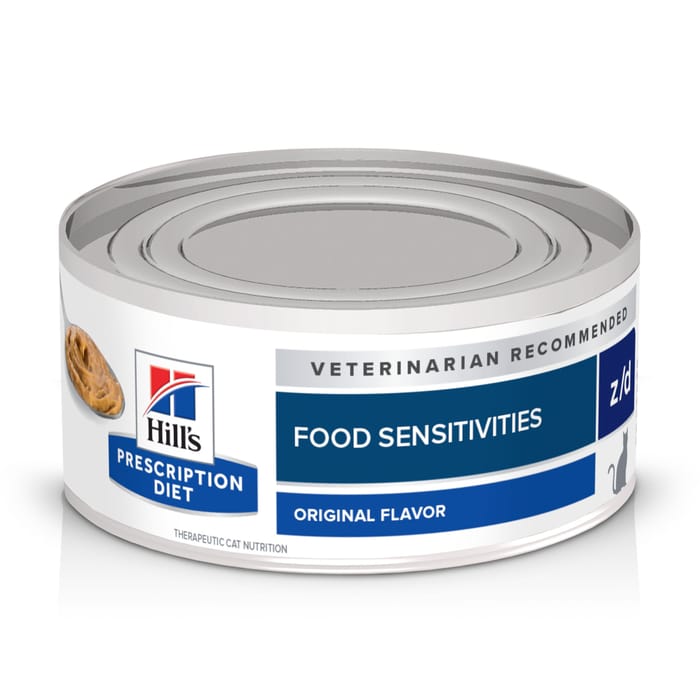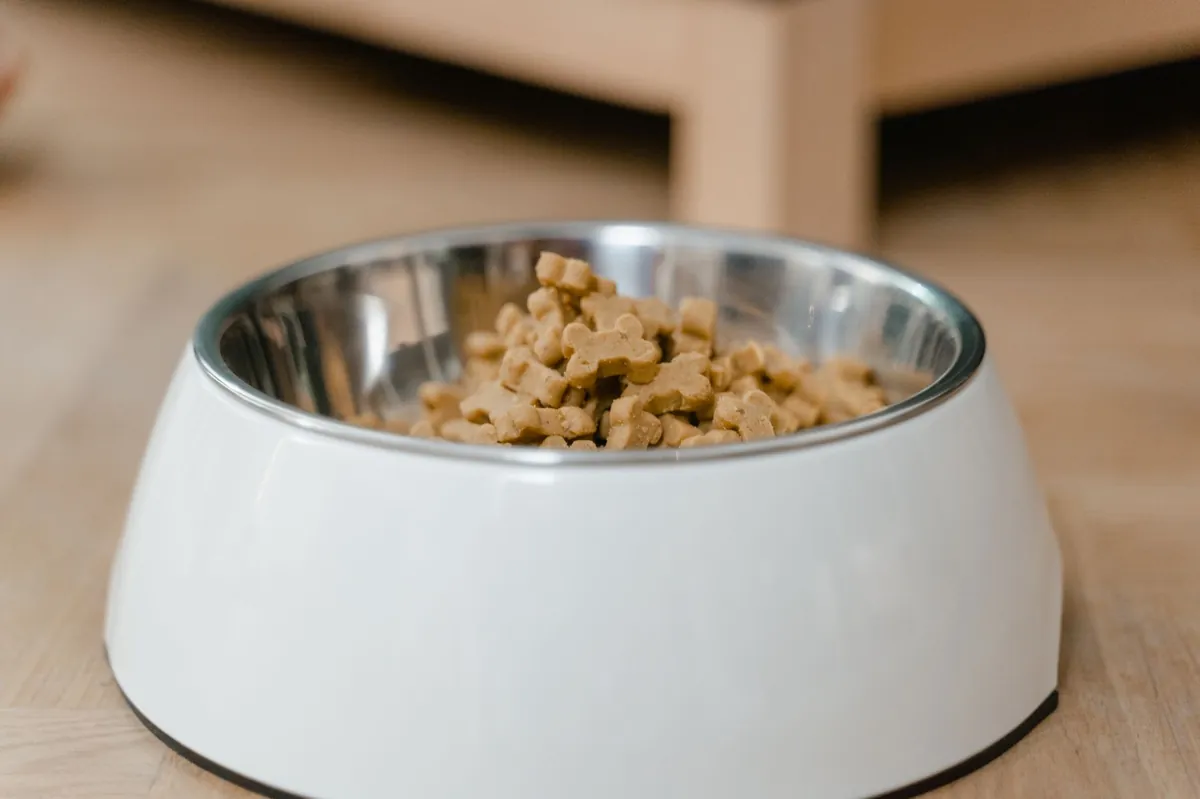
Choosing the right food for your dog can be overwhelming. If youve seen Chewy dog food Royal Canin recommended by vets and pet owners, you might wonder what sets it apart. This brand focuses on tailored nutrition designed for different dog breeds, sizes, and health needs. Understanding what goes into Royal Canin and how to shop smartly on Chewy can make all the difference for your pets well-being.
About Royal Canin
Royal Canin is a pet nutrition company specializing in precise diets for dogs and cats. They collaborate with veterinarians and nutritionists to develop formulas that support specific breeds, health conditions, and life stages. Known for its scientific approach, Royal Canin offers both dry kibble and wet food options, often recommended for dogs needing specialized nutrition.
With a variety of products available through Chewy, pet owners can conveniently find breed-specific or condition-focused diets. This detailed formulation aims to promote healthy digestion, maintain a shiny coat, support joint health, and moreall tailored for your dogs unique needs.
What to Look for in Royal Canin Dog Food
When selecting Royal Canin products on Chewy, it helps to focus on a few key factors to ensure quality and suitability for your dog. Check the ingredient list carefully and think about your pets age, breed, and any health concerns.
| Suitable For (dog/cat/age) | Key Ingredients | Price Range | Feeding Amount | Ingredients to Avoid |
|---|---|---|---|---|
| Dogs - breed & size-specific, puppies, adults, seniors | Chicken meal, rice, corn gluten meal, fish oil, vitamin blend | $40$90 per 1530 lbs bag | Depends on weight - 1/2 to 3 cups daily (small to large breeds) | Artificial colors, fillers like wheat gluten, harmful preservatives |
Ingredients to watch include fillers such as excessive corn or wheat, which can cause allergies or digestive upset in sensitive dogs. Royal Canin formulas usually avoid dangerous additives like xylitol or onion powder, which vets strongly warn against for canine health.
Look for named animal proteins listed first, like chicken meal or salmon, indicating a good quality source. The inclusion of omega fatty acids supports a healthy coat and skin, while balanced fiber assists digestion. Royal Canins specialized blends may also contain glucosamine and chondroitin to promote joint health in aging or large breed dogs.
How to Read the Label for Royal Canin
The front label can be misleading due to marketing phrases like vet recommended. Instead, read the Guaranteed Analysis section to check protein, fat, fiber, and moisture percentages. A higher crude protein level (around 25% or more) is ideal for active dogs or puppies. Always verify that the product suits your pets life stage and medical history.
Additionally, check the ingredient list from front to back. Ingredients appear in descending order by weight. Beware of vague terms like meat by-product or animal digest, which offer little transparency about protein sources.
Always cross-check feeding guidelines for portion size to avoid overfeeding. Each bag on Chewy typically includes instructions, but these should be adjusted based on your dogs activity level and veterinarian advice.

Buying Tips on Chewy
Shopping for Royal Canin on Chewy presents advantages like convenience and subscription discounts. However, here are expert tips to get the best value and quality:
- Check expiration dates: Chewys fast turnover usually ensures freshness, but its worth double-checking when you receive your order.
- Avoid cheap knock-offs: Some sellers may offer suspiciously low prices. Stick to authorized retailers like Chewy to guarantee authenticity.
- Consider your dogs sensitivity: If your dog has allergies, browse Royal Canins hypoallergenic lines designed to minimize reaction risks.
- Look for autoship options: Royal Canins subscription on Chewy can save money and prevent running out of food.
According to the American Veterinary Medical Association (AVMA), consistent, high-quality nutrition supports long-term health and reduces common digestive or skin problems. Choosing trusted sellers and brands is key.

Storage and Feeding Guidelines
Proper feeding amounts and storage keep your dog healthy and prevent waste.
| Species/Breed | Recommended Amount | Frequency | Life Stage | Watch-Out Signs |
|---|---|---|---|---|
| Small breeds (under 20 lbs) | 1/2 - 1 cup daily | 2 meals per day | Puppy to senior | Weight gain, loose stools |
| Medium-Large breeds (20-50 lbs) | 1.5 - 3 cups daily | 2 meals per day | Puppy to senior | Excess thirst, dull coat |
Feed Royal Canin following its portion guidelines based on your dogs weight. Avoid free feeding, especially for less active dogs, to prevent obesity. When you open a bag, store it in a cool, dry place with an airtight seal. Opened dry food usually keeps well for up to 6 weeks if stored properly.
For wet formulas, refrigerate leftovers and feed within 23 days to avoid spoilage. According to the ASPCA, improper storage can introduce bacteria harmful to pets.
Is Chewy Dog Food Royal Canin Safe for My Dog?
Yes, Royal Canin products sold on Chewy are safe for dogs when used as directed. They undergo strict quality control, meet AAFCO standards, and are often vet recommended. Always introduce new food gradually over 7-10 days to prevent digestive upset. Consult your vet before switching diets, especially if your dog has medical issues.
Can I Switch Between Royal Canin Dry and Wet Food?
Absolutely. Many owners combine Royal Canin dry and wet foods to increase palatability and hydration. Introduce changes slowly and monitor your dogs digestion. Mixing wet food can encourage picky eaters and support hydration, especially in senior dogs.
Why Are Some Royal Canin Bags More Expensive on Chewy?
Specialty formulas like breed-specific or therapeutic diets often cost more due to their precise ingredients. Larger bag sizes also affect pricing. Look for autoship promotions on Chewy to reduce cost over time.
Are Royal Canin Products Gluten-Free?
Most Royal Canin recipes contain grains like corn or rice, which include gluten. If your dog requires a gluten-free diet, consider specialized formulas or consult your veterinarian for suitable alternatives.
How Long Does Royal Canin Food Last Once Opened?
Dry kibble can stay fresh for up to 6 weeks if stored in airtight containers away from heat and moisture. Wet food should be refrigerated and consumed within 23 days after opening for safety.
Can Royal Canin Help Dogs with Allergies?
Yes. Royal Canin offers hypoallergenic and limited-ingredient diets specifically designed for dogs with food sensitivities, containing hydrolyzed proteins to reduce allergic reactions. Always get veterinary guidance before changing diets for allergy management.
Is It Necessary to Follow Feeding Guidelines Exactly?
Feeding guidelines on Royal Canin packaging are starting points based on average needs. Adjust portions based on your dogs activity level, age, and weight. Keep an eye on your pets body condition and discuss with your vet to tailor the amount precisely.

Pro Tips for Buying Royal Canin on Chewy
- Dont sacrifice quality for price: Cheaper dog food alternatives might lack essential nutrients or include fillers that lead to allergies and digestive issues. Royal Canin focuses on science-backed ingredients, which support long-term health.
- Vet consultation is key: One recommended tip from vets is to determine your dogs exact breed, age, and health needs before selecting a Royal Canin formula. This prevents mismatched nutrition.
- Check reviews and seller authenticity: Chewy is trustworthy, but occasionally check product reviews for batch issues or recalls to stay informed.
- Use autoship wisely: Scheduling regular Royal Canin deliveries on Chewy can save up to 25%, while maintaining consistency in your dogs diet.
Choosing Royal Canin through chewy dog food means access to a full selection designed for specific dog needs, backed by nutritional science and tested for quality.

More You Might Like
If youre also a cat owner interested in specialized diets, see our guide on Best hypoallergenic cat food that vets recommend for sensitive felines.
For kitten parents looking to provide the best start, explore our tips on Best kitten wet food vet recommended for a nutritious growth period.
Conclusion
Royal Canin dog food, available on Chewy, offers a precise, vet-approved option tailored to meet your dogs unique needs. By carefully reading labels and following proper feeding guidelines, you can provide balanced nutrition that supports your pets health. Next time youre shopping, consider checking the ingredients and life-stage suitability to make an informed choice that keeps your dog happy and thriving.
FAQs
Is Chewy dog food royal canin safe for my dog or cat?
Yes, Royal Canin products sold on Chewy are safe when used as directed. They meet AAFCO standards, undergo strict quality control, and are often vet recommended. Introduce new food gradually over 7-10 days and consult your veterinarian if your pet has medical conditions.
How much Royal Canin dog food should I feed my dog daily?
Feeding amounts depend on your dog’s weight, breed, and life stage. Small breeds typically get ½ to 1 cup daily, while medium to large breeds may need 1.5 to 3 cups daily, divided into two meals. Always adjust portions based on activity levels and vet advice.
What signs indicate my dog isn’t tolerating Royal Canin food well?
Watch for symptoms like loose stools, excessive thirst, dull coat, weight gain, or digestive upset. These may signal a sensitivity or incorrect feeding amount. Consult your vet if these signs persist after transitioning to Royal Canin.
How does Royal Canin compare to common dog food brands?
Royal Canin emphasizes breed-specific, veterinary-formulated nutrition with precise ingredients targeting health needs. Unlike many brands, it avoids fillers and harmful additives, supporting digestion, coat health, and joint care through specialized blends.
When should I consult a vet about my dog's diet with Royal Canin?
Consult a vet before switching foods, especially if your dog has allergies, medical conditions, or sudden health changes. Also seek advice if feeding guidelines don’t seem to maintain your dog’s ideal weight or health status.