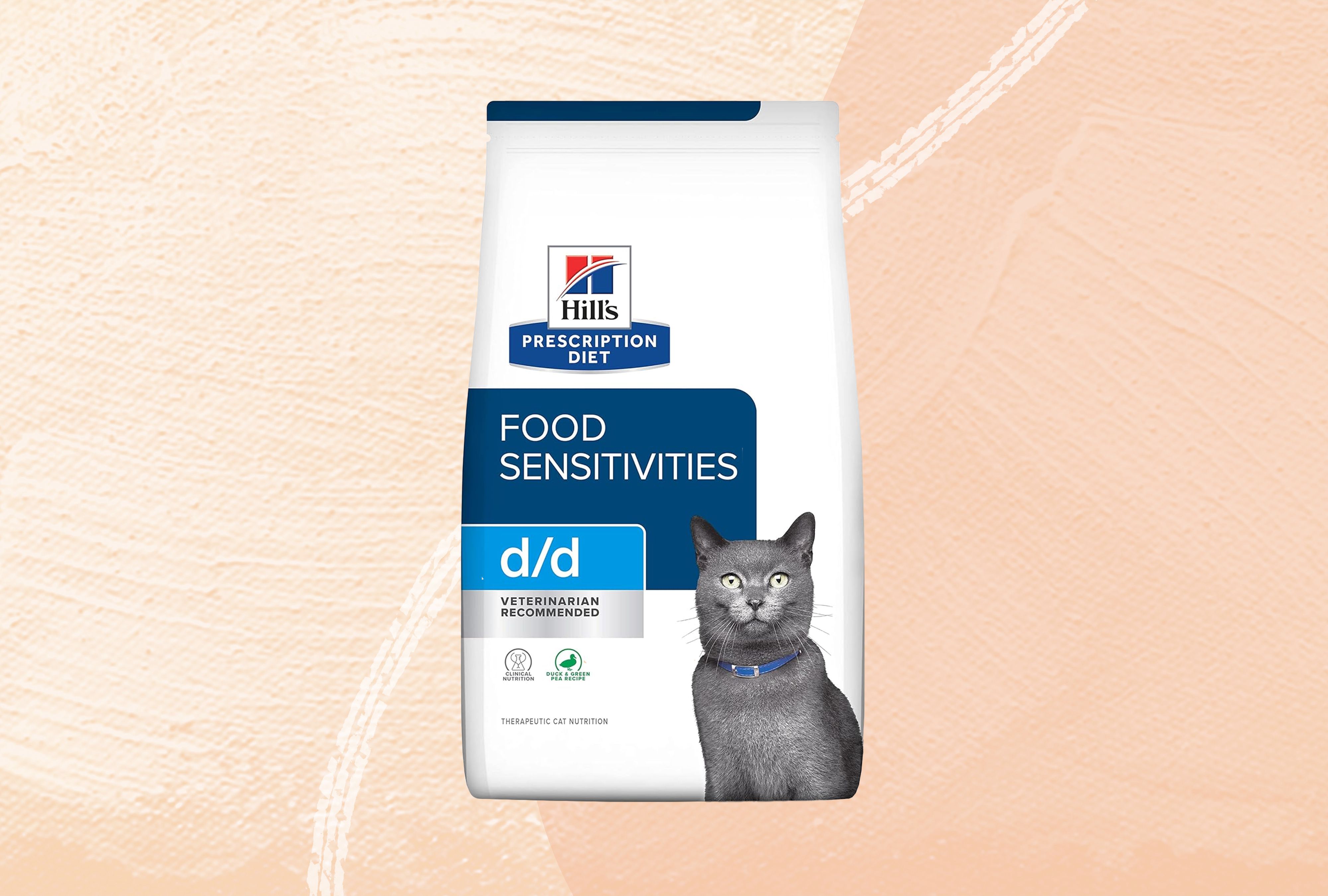
Hey there, fellow cat lover! If your furry friend is struggling with hard stools or seems uncomfortable in the litter box, youve probably wondered what to feed them to get things moving again. The quick answer? Choose a cat food thats high in soluble fiber, packed with moisture, and balanced with quality protein. In the next few minutes, Ill walk you through the best dry and wet options, some safe DIY recipes, and quick tricks to help your cat poop instantly when they need it. Grab a cup of coffee, settle in, and lets get your kitty back to feeling happy and healthy.
Why Diet Matters
First off, why does food play such a huge role in constipation? Think of your cats digestive system as a tiny highway. If the road is dry and bumpy, traffic (aka stool) will get stuck. Adding the right kind of paving material soluble fiber and moisture smooths the ride.
The Power of Fiber
Fiber comes in two flavors: soluble and insoluble. Soluble fiber (found in pumpkin, winter squash, and psyllium) absorbs water and creates a gellike substance that softens the stool. Insoluble fiber (like cellulose from beet pulp) adds bulk and helps move things along. For most constipated cats, a blend of both works best.
Moisture Is Your Friend
Canned or wet foods naturally contain 7080% water, which is a gamechanger for a cat thats drinking too little. Even a bit of extra broth added to dry kibble can make a big difference.
Common Myths (Busted!)
- More food = quicker poop Overfeeding actually slows digestion.
- Only canned food works The right dry kibble can be just as effective when paired with extra water.
- All fibers are the same Soluble and insoluble fibers have distinct benefits; you need both.
Veterinary nutritionists frequently point to studies in Today's Veterinary Practice (2025) showing that a modest increase in soluble fiber reduces constipation episodes by up to 45%.
Best Dry Options
Dry kibble is convenient, but not all dry foods are created equal. Look for formulas that list fiber sources like pumpkin, beet pulp, or chicory root right near the top of the ingredient list.
Top Picks for 2025
| Brand & Formula | Key Fiber Source | Moisture (%) | Why It Helps |
|---|---|---|---|
| Hills Science Diet Perfect Digestion | Pumpkin & Oats | 10 | Balanced soluble + insoluble fiber, gentle on stomach. |
| Royal Canin Digestive Care Thin Slices | Beet Pulp | 9 | High insoluble fiber for added bulk. |
| BlueBuffalo Wilderness GrainFree | Pumpkin Powder | 9 | Rich in protein, low in carbs, extra moisture via pumpkin. |
When youre ready to dive deeper, check out the best dry food for cats with constipation guide for a sidebyside comparison.
How to Evaluate Labels
1. Fiber content: Aim for at least 23% total fiber (look for the Crude Fiber figure on the label).
2. Moisture: Even dry foods should list at least 810% moisture youll add extra water anyway.
3. Protein source: Highquality animal protein (chicken, turkey, fish) keeps digestion efficient.
Feeding Tips
Transition slowly over a week to avoid upsetting the gut. Mix a spoonful of warm water or lowsodium broth into the kibble, let it sit for a few minutes, and watch your cat slurp it up. This simple hack can add up to 30% more water to each bite.
Best Wet Options
Wet foods are the secret weapon for many cat owners dealing with constipation. The extra moisture does the heavy lifting, while the fiber does the smoothing.
Top Wet Picks
- Purina Pro Plan Veterinary Diets EN therapeutic fiber blend with beet pulp and psyllium; great for cats who need a stronger kick.
- Royal Canin Digestive Care Canned includes prebiotic fibers and highquality protein.
- Instinct Original GrainFree Wet pumpkin, chia seeds, and a touch of fish broth for a tasty, fiberrich meal.
For a deeper dive, explore the Best wet food for constipated cat article and see which flavor your kitty prefers.
Mixing Wet & Dry: The Perfect Ratio
Try a 70/30 split: 70% wet food, 30% dry kibble. This gives your cat the moisture boost while retaining the dental benefits of kibble. Adjust based on how your cats stool consistency responds.
A RealWorld Anecdote
Emma, a 7yearold Siamese, hadnt had a solid stool in a week. After switching to Royal Canin Digestive Care Canned mixed with a splash of water, she strutted into the litter box the next day andboomeverythings back to normal. It was like watching a miracle, Emma told me, and Im pretty sure her vet would agree.
NonPrescription Picks
If a vetonly formula feels too pricey or intimidating, there are reputable nonprescription options that still pack a fiber punch.
Brands to Trust
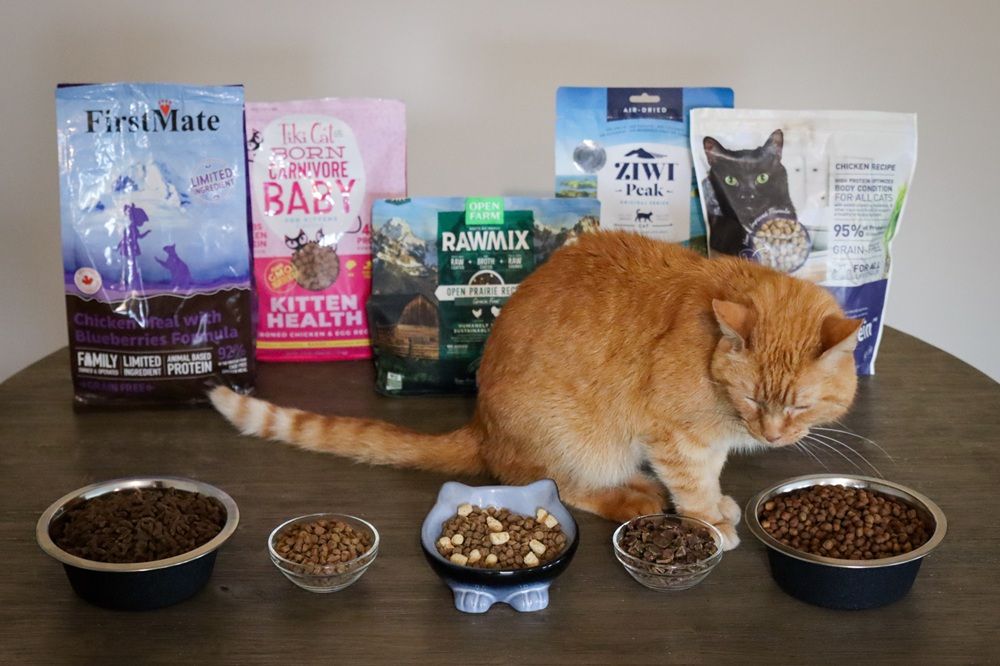
- Open Farm FiberRich Blend uses sustainably sourced pumpkin and chicory root.
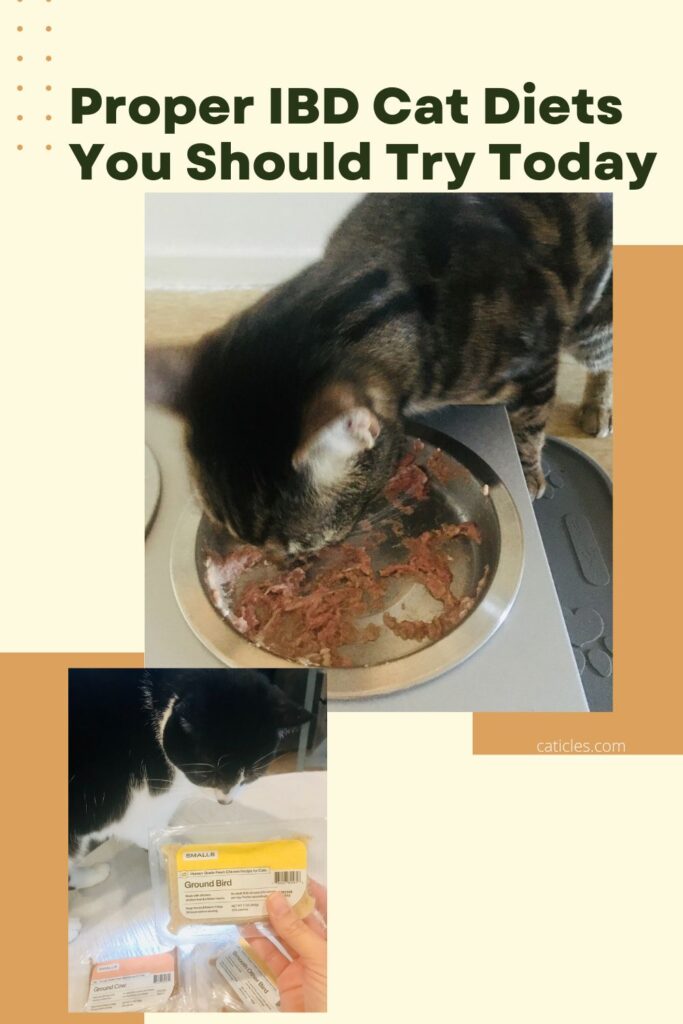
- Smalls Fresh Ground Bird high digestibility with added fiber, suitable for adult cats.
Spotting Credible NonPrescription Food
Look for AAFCO compliance statements, thirdparty lab testing logos, and transparent ingredient sourcing. If the label mentions clinically proven to support digestive health, thats a good sign.
Cost vs. Benefit
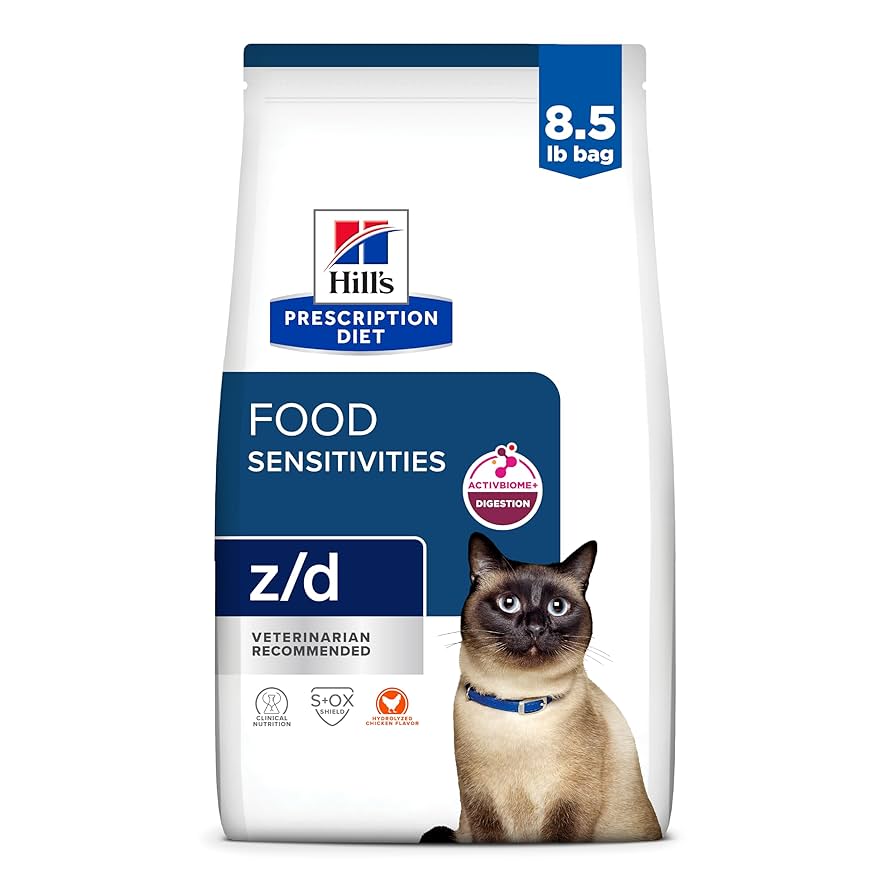
Sometimes a prescription diet (like Purina EN) might still be worth the investment if your cats constipation is chronic. Compare the monthly cost of a premium nonprescription brand with your cats vet billsoften the difference isnt huge, and the health benefits can outweigh the price.
Homemade Solutions
Feeling adventurous? A simple, vetapproved homemade recipe can be a lifesaver, especially if your cat is a picky eater.
Easy DIY Cat Food for Constipation
Ingredients (per 1lb of food):
- 200g cooked, skinless chicken breast, shredded
- 2tbsp pure pumpkin puree (no added sugar)
- 1tsp canned salmon water (or lowsodium chicken broth)
- tsp psyllium husk (soluble fiber)
- Optional: a pinch of taurine supplement (follow vet dosage)
Directions:
1. Cook the chicken thoroughly, then shred into tiny pieces.
2. Mix pumpkin puree, salmon water, and psyllium husk in a bowl.
3. Combine the shredded chicken with the fiber blend.
4. Portion into daily servings, store in airtight containers in the fridge for up to three days, or freeze for longer storage.
Safety Checklist
- Never include onions, garlic, or chives toxic to cats.
- Balance amino acids: a homemade diet should be supplemented with taurine and a multivitamin.
- Consult your vet before making the switch, especially for kittens or cats with underlying health issues.
Quick Relief Tricks (How to Make a Cat Poop Instantly)
Sometimes you need a fastacting solution while you transition to a new diet.
Safe OvertheCounter Helpers
- Psyllium husk: A halfteaspoon mixed into a small amount of wet food can stimulate a softer stool within a few hours.
- Olive oil: Adding a teaspoon to your cats meal can lubricate the digestive tractuse sparingly.
Gentle Massage & Litter Box Tips
Place your cat on a warm towel, gently massage the abdomen in a clockwise motion for a minute or two. Then, ensure the litter box is clean, has lowsided entry, and perhaps sprinkle a bit of catnip to encourage a relaxed bathroom visit.
Red Flags When to Call the Vet
If your cat hasnt pooped in 4872hours, shows signs of pain, vomiting, or lethargy, its time to get professional help. Constipation can lead to more serious complications like megacolon.
Monitoring Progress & Adjusting the Diet
Changing food is only half the battle; you need to track how your cat responds.
Stool Consistency Scale
Use a simple 15 scale (1 = hard, dry pellets; 5 = perfectly formed, soft stool). Keep a small notebook or a digital note on your phone and record daily.
When to Taper Fiber
If the stool becomes too soft (a 5 or higher), reduce the fiber amount by 1015% and observe. The goal is a steady, comfortable march toward the middle of the scale.
Regular CheckIns
Schedule a quick weighin and stool check with your vet every month for the first three months after a diet change. This helps catch any hidden issues early.
Conclusion
Choosing the right cat food for constipation is all about balancing fiber, moisture, and quality protein. Whether you opt for a toprated dry kibble, a moisturerich wet formula, a trustworthy nonprescription brand, or a homemade recipe, the key is consistency and careful monitoring. Remember, every cat is uniquewhat works for one might need a tweak for another. So, experiment gently, keep an eye on those stools, and dont hesitate to call your vet if anything feels off.
Whats been your experience with helping a constipated cat? Share your story in the comments, and lets help each other keep our whiskered friends feeling their best. If you have any questions, just askI'm here to help!
FAQs
What are the common signs that my cat is constipated?
Typical signs include infrequent or absent bowel movements, hard dry stools, straining in the litter box, a hunched posture, reduced appetite, and occasional vomiting.
How much fiber should I aim for in my cat’s diet to relieve constipation?
Look for cat foods that provide at least 2–3 % total fiber (around 0.5–1 g fiber per 100 kcal). A blend of soluble (pumpkin, psyllium) and insoluble (beet pulp) fibers works best.
Can adding water or broth to my cat’s meals help with constipation?
Yes. Adding a tablespoon of low‑sodium chicken broth or warm water to dry kibble can increase moisture intake by up to 30 %, which softens stools and encourages regular elimination.
Are there safe over‑the‑counter supplements for a constipated cat?
Pet‑safe options include a half‑teaspoon of psyllium husk mixed into wet food or a teaspoon of olive oil once a day. Always consult your vet before introducing new supplements.
When should I take my cat to the vet for constipation?
If your cat hasn’t pooped in more than 48 hours, shows signs of pain, vomits, has blood in the stool, or appears lethargic, seek veterinary care promptly to avoid complications like megacolon.