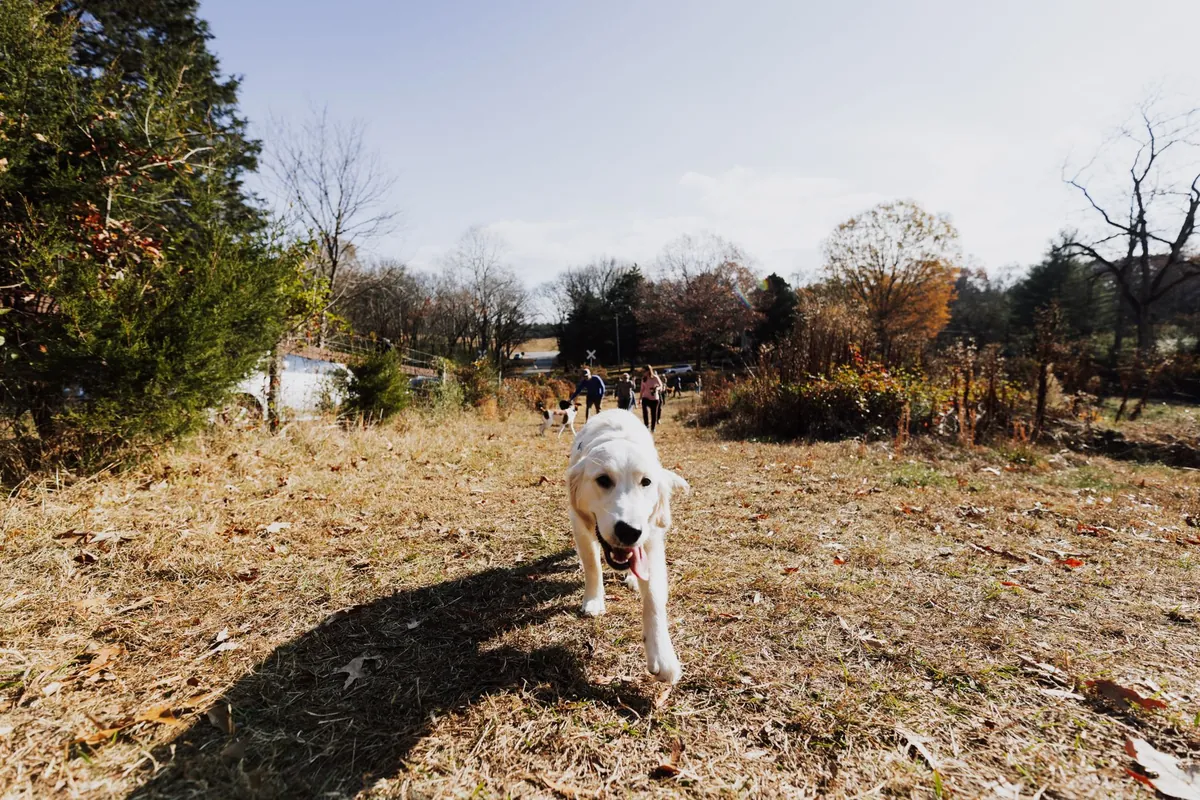
Ever noticed how a quick hike can turn into a tailwagging adventure when your pup is geared up just right? The right dog outdoor gear isnt a luxuryits the safety net that lets you and your fourlegged companion explore trails, beaches, and campsites without a hitch.
Skip the guesswork! Below youll find a friendly, downtoearth guide that cuts straight to the gear you really need, how to pick it, and where to keep it in tiptop shape. Lets dive inyour next outdoor escapade is just a few clicks away.
Why Gear Matters
What are the main benefits of using dedicated dog outdoor gear?
Imagine trekking through a pinescented forest while your dog stays comfortable, protected, and eager to keep moving. Proper gear gives you both:
- Protection from sharp rocks, thorny bushes, hot sand, or icy snow.
- Comfort that lets your dog maintain stamina on long hikes.
- Control so you can focus on the view instead of worrying about sudden dashes.
What risks arise when you skip the gear?
Skipping essentials can turn a fun day into a veterinary visit. Common issues include:
- Paw burns on hot pavement or sharp gravel.
- Overheating in summer when a lightweight vest is absent.
- Lost or tangled leashes that lead to dangerous encounters with wildlife.
One veterinary sports specialist Ive spoken with says, A wellfitted harness can reduce the chance of neck injuries by up to 70% on steep terrain. Thats a statistic worth remembering before you head out.
Core Gear Pieces
Dog Harnesses
Harnesses are the cornerstone of any dog outdoor gear set. They distribute pressure across the chest, preventing neck strain. Heres what to look for:
- Style: Cheststyle for light control, veststyle for heavy pulling, and loadbearing for backpacking.
- Fit: Measure both neck and girth, then add a thumbs width for comfort.
- Brands: Best dog harness reviews often crown Ruffwear, Wilderdog, and All For Paws for durability and design.
| Brand | Model | Key Feature | Price (USD) |
|---|---|---|---|
| Ruffwear | Front Range | Breathable mesh + padded chest plate | 129 |
| Wilderdog | AllTerrain | Reflective trim + quickrelease buckles | 119 |
| All For Paws | Adventure | Waterresistant nylon + fleece lining | 99 |
Dog Booties & Paw Protection
Booties might look like a fashion statement, but theyre vital when the ground gets rough. Use them on:
- Snowy trailsprotect against ice crystals.
- Rocky pathsshield pads from abrasions.
- Hot sandprevent burning on summer beach days.
Fit is king. A good rule: the bootie should sit snugly at the ankle without pinching. Velcro closures work well for quick on/off, while strap systems stay tighter during fast runs. My own Yellow & Black booties from Wilderdog survived a weeklong trek in the Cascades with zero wear.
Outdoor Dog Beds & Sleeping Pads
After a day of sniffing and sprinting, your dog will thank you for a comfy spot to crash. Portable beds fall into two camps:
- Foam padslightweight, insulate from cold ground.
- Inflatable padsoffer extra cushioning for rugged campsite terrain.
Sprayon protectors keep the fabric clean from mud and droppings, extending the life of the bed. A quick tip: roll the bed tightly and tuck it into its own carrybag for a hasslefree setup at camp.
Collars & ID Tags for the Trail
Even a sturdy harness needs a reliable collar for ID tags and, occasionally, a backup leash. Choose collars that are:
- Waterresistant (silicone or coated nylon).
- Equipped with a quickrelease buckle for emergencies.
- Compatible with GPS trackers if you wander offtrail often.
Brands like Ruffwear and All For Paws make collars that survive mud, rain, and a rough tugofwar without fraying.
Specialty Items: Life Jackets, Backpacks, Cooling Vests
Not every adventure needs every specialty item, but a few can be gamechangers:
- Dog life jacketsessential for lake or river hikes; look for buoyancy ratings that match your dogs weight.
- Backpacksgreat for strong breeds that can carry 1015% of their body weight; ensure padding on shoulders.
- Cooling vestsperfect for hot summer walks, they use evaporative cooling to keep temperature down.
Choosing The Right Gear
What factors determine the best gear?
Every dog is unique, so ask yourself these questions before you click add to cart:
- Size & breed: A tiny terrier needs lightweight booties; a Labrador may require a sturdy harness with loadbearing capacity.
- Activity level: Weekend wanderers can get by with basic gear, while avid trekkers need highperformance items.
- Climate: Wet, cold climates demand insulated beds and waterproof jackets; hot climates call for cooling vests and breathable harnesses.
Budget vs. performance: when to splurge?
Sometimes a $30 collar does the job, but for highimpact activities, investing in a $120 Ruffwear harness can prevent injuries and last years. Think of gear as insurance: the right purchase today saves money (and headaches) tomorrow.
Consumerreport data from The Dog Outdoors (2024) shows that premium harnesses have a 94% durability rating after 500hours of use, versus 68% for budget models. Use that as a guide, not a ruleyour dogs specific needs should lead the decision.
Gear Maintenance Tips
Cleaning booties, harnesses, and beds without damage
Proper cleaning keeps gear functional and odorfree:
- Booties: Handwash with mild soap, rinse, and airdry. Avoid tumble dryingheat deforms the sole.
- Harnesses & collars: Spotclean with a damp cloth; for deep cleaning, zip the strap into a mesh laundry bag and use cold, gentle cycle.
- Outdoor dog bed: Most foam pads are machinewashable (cold water, gentle cycle). Inflatable pads should be wiped down with a mild disinfectant.
Storage tips to prevent mildew and wear
After cleaning, store everything in a dry, ventilated space. A simple mesh bag works wonders for booties, while a zippered pouch keeps harnesses flat and free from dust. If youre packing for a long trip, roll gear tightly to avoid creases that could weaken seams.
FAQ Quick Answers
Can my dog wear a harness all day?
Yes, if its a properly fitted, breathable harness. Look for padding on pressure points and check for signs of chafing each evening.
Do dog booties actually protect paws on hot surfaces?
They dostudies show booties reduce surface temperature exposure by up to 45F, preventing burns during summer hikes.
What is the lightest dog backpack for long hikes?
The Ruffwear Front Range pack tops the list at 4.5oz, offering enough room for water, treats, and a tiny firstaid kit without weighing your dog down.
Where To Buy Authentic Gear
Official brand sites matter
Buying directly from Ruffwear or Wilderdog guarantees you receive genuine products with full warranties. Counterfeit gear often has loose stitching, faded logos, and subpar materials that can fail when you need them most.
Reputable retailers
Bigbox outdoor stores like REI and specialty pet shops provide knowledgeable staff who can help you fit a harness or choose the right booties. Their return policies are usually generous, giving you peace of mind.
Online marketplaces: red flags
When shopping online, watch for unusually low prices, missing product images, or sellers without clear contact info. These are common signs of knockoffs.
If youre planning a crosscountry road trip, dont forget to explore the best dog travel accessories Europe guide for regionspecific tips and gear suggestions.
Conclusion
Choosing the right dog outdoor gear is a balance between protecting your pup and keeping the adventure enjoyable for both of you. A wellfitted harness, sturdy booties, and a portable outdoor dog bed form the foundation, while specialty items like life jackets or cooling vests add extra safety for specific conditions. Remember to maintain your gear, store it properly, and buy from trustworthy sourcesyour investments will pay off in countless wagging tails and breathtaking vistas.
Ready to gear up? Dive into our Best dog gear roundup, share your favorite trail stories in the comments, and lets keep each other inspired for the next great outdoor escapade.
FAQs
What should I look for in a dog hiking harness?
Choose a harness that distributes pressure across the chest, has breathable mesh, adjustable straps for a snug fit, and reflective trim for visibility. Look for quick‑release buckles and sturdy stitching if you’ll be on rugged terrain.
How do I choose the right size for dog booties?
Measure your dog’s paw from toe to heel and add about 0.5‑1 inch for a snug but not tight fit. The bootie should sit flush at the ankle without pinching, and the closure (Velcro or strap) should stay secure during activity.
Can my dog wear a backpack safely on long hikes?
Yes, if the backpack is designed for dogs and fits properly. It should weigh no more than 10‑15 % of your dog’s body weight, have padded shoulder straps, and a low center of gravity to maintain balance.
What are the best ways to keep my dog's outdoor gear clean?
Hand‑wash booties with mild soap, air‑dry them, and avoid the dryer. Spot‑clean harnesses and collars with a damp cloth; for deeper cleaning, place them in a mesh laundry bag on a gentle cold cycle. Most foam pads can be machine‑washed, while inflatable pads should be wiped with a mild disinfectant.
When is a cooling vest necessary for my dog?
Use a cooling vest in hot weather (above 75 °F/24 °C) or on sunny surfaces that can cause paw burns. The vest’s evaporative fabric helps lower your dog’s body temperature and prevents overheating during intense activities.