Wet dog food offers many advantages for your pets diet, including improved hydration, enhanced taste, and often better digestibility. Choosing the right wet food can make a big difference in your dogs overall health and happiness. This guide helps you understand what wet dog food is, the best brands available, how to read labels, and tips to find quality options that suit your dogs unique needs.
Quick Answers
What is wet dog food and why use it?
Wet dog food is a type of canned or pouch-packed dog diet that contains higher moisture content than dry kibble. Typically, wet food has around 7080% water, which helps keep dogs hydrated, especially those who drink less water on their own. Its softer and often more palatable, making it a great choice for picky eaters or dogs with dental issues.
Benefits of wet dog food include easier digestion due to moisture, enhanced aroma and flavor to encourage eating, and additional hydration. However, wet food can spoil quickly once opened and tends to have a higher calorie density, requiring portion control to manage weight.
Benefits for digestion, hydration & taste
- Supports hydration important for kidney and urinary tract health
- Improves palatability encourages eating in picky or older dogs
- Softer texture easier on teeth, gums, and digestion
Risks or downsides to watch
- Short shelf life once opened must refrigerate and use within 23 days
- Potential for unintended weight gain if portions arent measured
- Generally more expensive than dry dog food
Which wet dog foods do vets recommend?
Veterinarians often advise choosing wet dog foods that prioritize real meat as the primary ingredient, avoid unnecessary fillers like corn and wheat, and exclude artificial additives such as colors and preservatives. High protein content combined with moderate fat levels supports optimal health. Brands with transparent sourcing and proper nutrient balance tend to receive vet approval.
Vet-backed criteria
- First ingredient lists real meat, poultry, or fish
- Free of antibiotics and growth hormones in animal proteins
- Limited to healthy fillers like sweet potatoes rather than corn or soy
- No artificial dyes, flavors, or chemical preservatives
Example brands cited by veterinarians
- Open Farm ethical sourcing and balanced nutrition
- Purina Pro Plan clinical formulas and specialty diets
- Blue Buffalo Homestyle natural ingredients with real meats
- Cesar convenient and widely available for small breeds
Best Wet Dog Food Brands
Top 5 overall wet dog food brands
Choosing the right wet food comes down to quality, ingredient transparency, and price. Here are five highly rated brands based on nutrition and customer reviews.
| Suitable For | Key Ingredients | Price Range | Feeding Amount | Ingredients to Avoid |
|---|---|---|---|---|
| All life stages | Real chicken, turkey, sweet potatoes | $$$ (premium) | 1 can (370g)/day for mid-size dog | Corn, wheat, artificial colors |
| Adult, sensitive stomach | Salmon, peas, carrots | $$ | 1 can/day | By-products, soy |
| Small breeds, all stages | Beef, beef broth, rice | $ | 1 can/1-2 meals | Artificial preservatives |
| Seniors, weight management | Turkey, pumpkin, chicory root | $$$ | 1 can/day | Grains, fillers |
| All breeds, grain-free | Chicken, green beans, peas | $$$ | 1 can/day | Grains, soy |
Brand A: Open Farm
Open Farm features ethically sourced meats, limited filler ingredients, and no artificial preservatives. Their wet food options include grain-free and limited-ingredient formulas tailored to many dietary needs. Expect prices on the higher side, but quality justifies the cost.
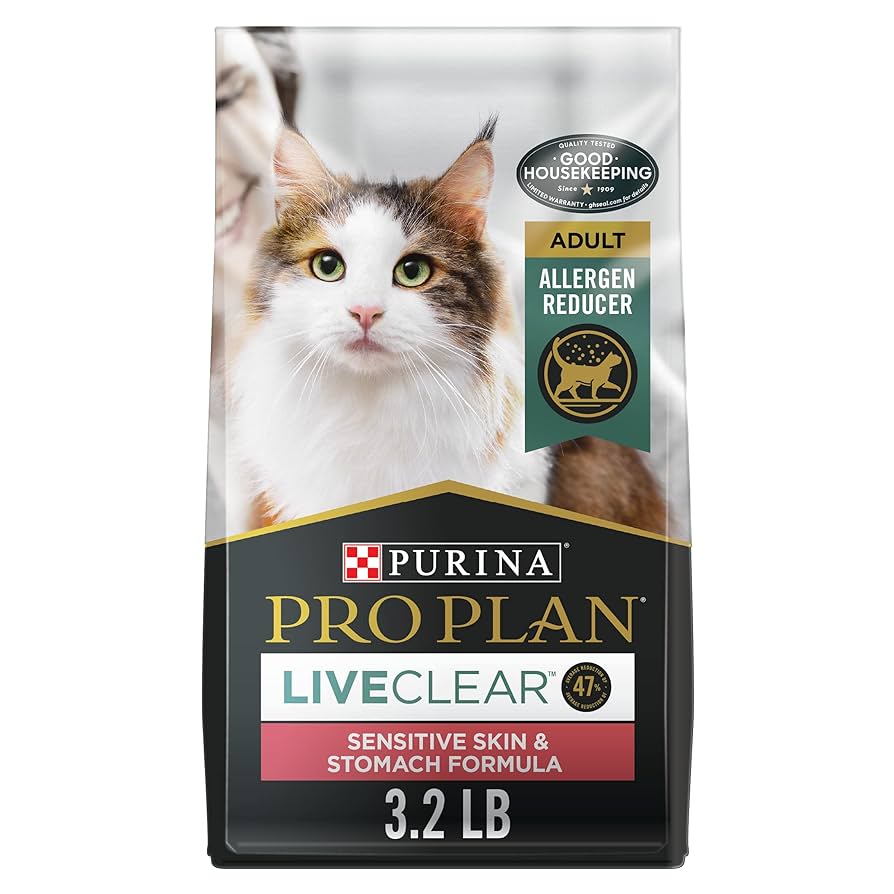
Brand B: Purina Pro Plan
Purina Pro Plan offers veterinary-supported formulas, including sensitive skin and digestive health options. Their wet foods balance protein and fiber well and remain moderately priced with broad retail availability.
Brand C: Blue Buffalo Homestyle
Blue Buffalo provides natural ingredient wet foods with a focus on real meats and wholesome vegetables. Their recipes cater to life stages and special diets, with formulas often free from corn and wheat.
Brand D: Cesar
Cesar wet dog food suits small breeds with smaller portion sizes and soft textures. Its very affordable and widely found in groceries, though less focused on premium ingredients compared to others on this list.
Budget-friendly options
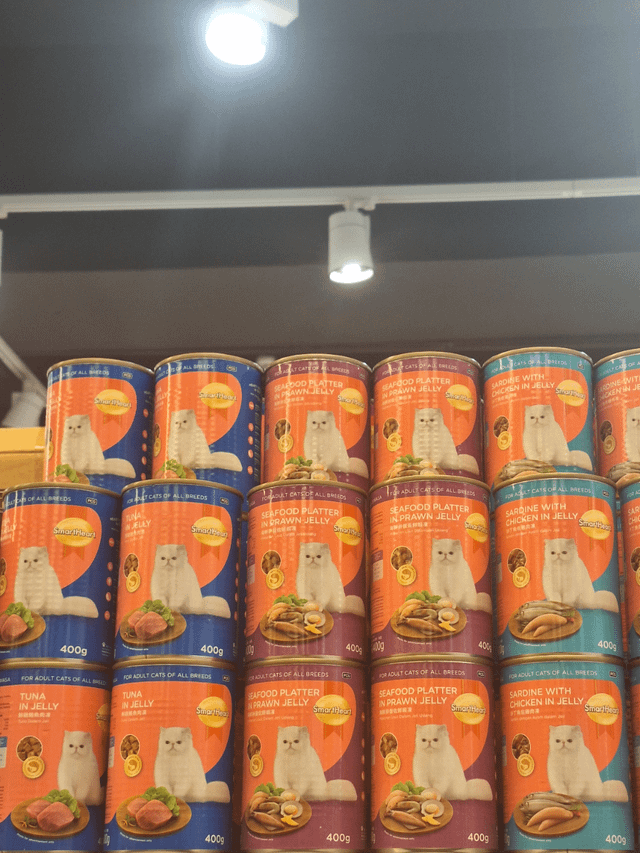
Walmarts Strong Heart series
Strong Heart by Walmart offers economical wet dog food with decent protein levels and few fillers. Though the ingredient list includes some grains, its a reasonable option for budget-conscious owners.
Costco Kirkland Signature wet packs
Kirkland‘s wet dog food sells in bulk, making it extremely cost-effective. The focus is on balanced nutrition with ample protein and minimal additives. Storage space and consumption rates should be considered when buying in bulk.
Specialty formulas
Grain-free & limited-ingredient
Dogs with allergies or sensitivities benefit from grain-free options like those from Open Farm or Blue Buffalo. These formulas contain minimal ingredients, reducing the risk of adverse reactions.
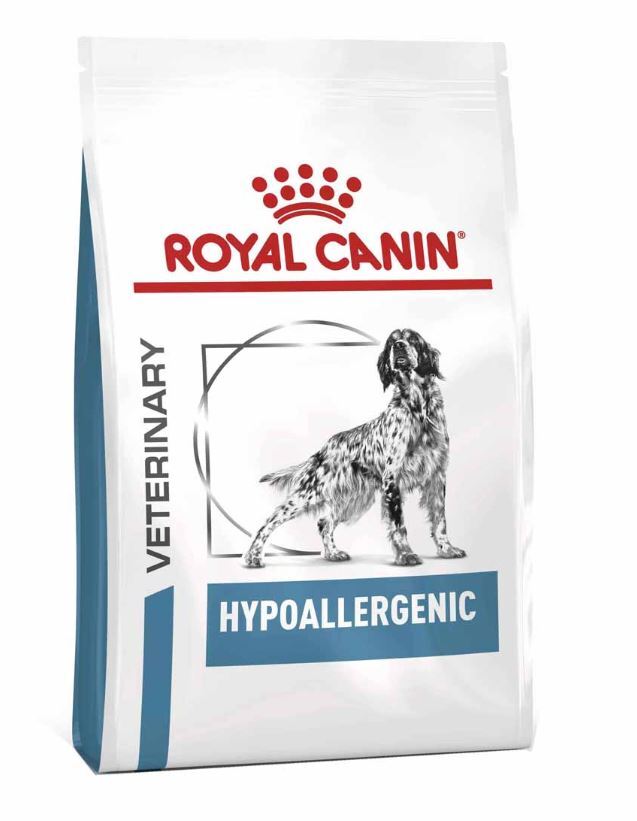
Sensitive stomach / hypoallergenic
Purina Pro Plan Veterinary Diets line offers formulas targeting dogs with food allergies or digestive issues. These wet foods usually contain hydrolyzed proteins and novel carbohydrate sources.
Choosing the Right Wet Food
Assess your dogs life stage & health needs
Your dogs age and health strongly influence the best wet food choice. Puppies need higher protein and fat to support growth, while senior dogs benefit from joint-supporting nutrients and fewer calories. Dogs with allergies or kidney disease require special formulations.
| Species/Breed | Recommended Amount | Frequency | Life Stage | Watch-Out Signs |
|---|---|---|---|---|
| Puppy (small to medium breeds) | 34 small meals/day, 2530g/kg/day | 34 times daily | Puppy | Diarrhea, decreased appetite |
| Adult (medium breeds) | 12 cans/day, adjusted by weight (25g/kg) | 2 meals daily | Adult | Weight gain, vomiting |
| Senior (all sizes) | Lower calorie feed, 2025g/kg/day | 12 meals daily | Senior | Weight loss, lethargy |
Reading the label like a pro
The first ingredient on wet dog food labels should be a named real meat such as chicken, beef, or salmon. Avoid foods that list by-products or meat meal as the main protein. Fillers such as corn, wheat, and soy can cause sensitivities and provide limited nutritional value.
Claims like natural, organic, and sustainable can be marketing terms with varying standards. Look for certification badges or ingredient transparency. Check for the absence of artificial preservatives like BHA, BHT, or ethoxyquin, and avoid additives harmful to dogs such as onion powder, garlic, or xylitol.
When to mix wet with dry
Combining wet and dry dog food offers benefits: wet food boosts hydration and palatability, while dry kibble helps maintain dental health. A common ratio is mixing one-third wet food with two-thirds dry food by calorie count. Introduce the mix gradually over 710 days to avoid digestive upset.
When blending diets, monitor your dogs weight and stool quality closely to adjust portions. Always check with your vet before switching or mixing diets to ensure balanced nutrition.

Buying Tips & Where to Shop
Online vs. in-store: price & convenience
Shopping online platforms like Chewy provides free shipping on many dog food orders, plus auto-ship discounts and access to user reviews. Chewys convenience can save busy pet owners time and money.
Major retailers such as Walmart offer in-store pickup and frequent Buy 2 Get 1 Free deals. Shopping in person allows you to check expiration dates and packaging integrity firsthand.
Warehouse stores like Costco give great bulk value, although you need proper storage space and a steady consumption rate to use all food before expiration.
Spotting sales & coupons
Subscribe-and-save programs on Chewy and Amazon provide discounts on repeat purchases of wet dog food. Keep an eye on seasonal sales around holidays or pet-focused discount events like Back to School pet sales.
Ensuring product freshness
Always check expiration dates before purchasing. Opened wet dog food should be refrigerated immediately and used within 23 days. Store leftovers in airtight, resealable containers to prevent spoilage and preserve flavor.

Real-World Experiences
Owner story: Switching a senior dog to wet food for kidney health
When Max, a 12-year-old golden retriever, began showing signs of declining kidney function, his owner consulted their vet. They recommended switching to a wet food lower in phosphorus and sodium. After a gradual transition to a renal-support wet diet, Max showed better energy, improved appetite, and stable kidney markers six months later.
Vet case: Managing food allergies with limited-ingredient wet diets
A Labrador named Bella suffered chronic itching and digestive upset. Her vet prescribed a limited-ingredient wet food featuring novel proteins like venison and sweet potatoes. Over two months, Bellas skin and digestion improved markedly, underscoring how specialized wet diets help food sensitivities.
Comparative test: Palatability scores of top 5 brands
A local shelter conducted a blind taste test with 30 dogs sampling the top five wet dog food brands. Open Farm and Blue Buffalo scored highest for aroma and flavor acceptance, while budget brands scored lower. The study highlighted how ingredient quality often correlates with palatability.

Is dog food wet safe for my dog?
Yes, wet dog food is safe for all healthy dogs when chosen appropriately and fed in balanced portions. Ensure the food suits your dogs life stage and health conditions. Immediately refrigerate any opened cans and feed within 23 days to prevent bacterial growth.
How many cans per day should an average adult dog get?
Feeding amount depends on your dogs weight and life stage. A mid-size adult dog (20kg) may consume around 1 to 1.5 standard 370g cans per day, split into two meals. Always check label feeding guides and adjust for activity level.
Can I feed wet food to a dog with dental issues?
Wet food is often recommended for dogs with dental problems or missing teeth because its softer and easier to chew. However, wet food alone may not support dental health, so regular tooth brushing is still important.
Do wet foods contain enough calories for an active working dog?
Some wet foods are calorie-dense and can meet the high energy needs of active dogs. However, portion sizes need precise measurement to avoid overfeeding. Consult your vet for customized feeding plans suitable for your working dog.
Are there any additives I should avoid?
Avoid dog foods containing artificial preservatives like BHA and BHT, as well as flavor enhancers like monosodium glutamate (MSG). Additionally, ingredients toxic to dogs such as onions, garlic, or xylitol should never appear in any dog food.
Buying Tips
Most overlooked buying mistake
Many owners choose wet dog food based on branding or price alone, ignoring ingredient quality. This can lead to feeding low-quality products with unnecessary fillers and additives that compromise health over time.
Why cheap versions disappoint
Lower-priced wet foods often rely on meat by-products and fillers, reducing digestibility and palatability. Your dog may eat less or develop sensitivities, leading to higher vet bills in the long run.
One vet-backed tip
Always transition gradually from one food to another over 710 days. Sudden changes can cause stomach upset. Mix increasing amounts of the new wet food with the old to ease digestion.

More You Might Like
Explore our detailed dog food guide for an in-depth look at dry, wet, and mixed diet options to suit your pets needs.
If you care about sensitive pets beyond dogs, see our review of the best grain-free cat food for healthy feline options.
Looking for something easy to chew? Our picks for the best soft dry cat food provide gentle nutrition for cats with dental sensitivities.
Conclusion
Dog food wet options can offer your pet hydration, delicious flavors, and tailored nutrition when chosen carefully. Quality ingredients, vet-recommended brands, and understanding feeding needs all contribute to your dogs health. Next time you shop, check the label carefully and consider trying a balanced wet food to brighten your dogs meals. Share your experiences or questions belowwed love to hear from you.
FAQs
Is Dog food wet safe for my dog or cat?
Yes, dog food wet is safe for healthy dogs and cats when chosen with appropriate ingredients for their life stage and health. Always refrigerate opened cans and use within 2-3 days to prevent spoilage and maintain freshness.
How many cans of wet dog food should I feed my adult dog daily?
The amount depends on your dog's size and caloric needs. A mid-size adult dog (about 20kg) typically eats 1 to 1.5 standard 370g cans per day, split into two meals. Always check feeding guidelines on the label and adjust based on activity level.
What signs indicate my dog is not tolerating wet food well?
Watch for symptoms like diarrhea, vomiting, decreased appetite, or sudden weight changes. These may signal food sensitivities or digestive issues, and you should consult your veterinarian if they persist.
How does wet dog food differ from dry kibble in benefits?
Wet dog food contains higher moisture, aiding hydration and making it easier to chew and digest, especially for picky eaters or dogs with dental issues. Dry kibble helps maintain dental health by reducing plaque but lacks the additional hydration wet food provides.
When should I consult a vet regarding my dog's wet food diet?
Consult your vet if your dog has health conditions like kidney disease, allergies, or digestive problems before switching foods. Also seek advice if you notice adverse reactions or weight fluctuations after changing diets.