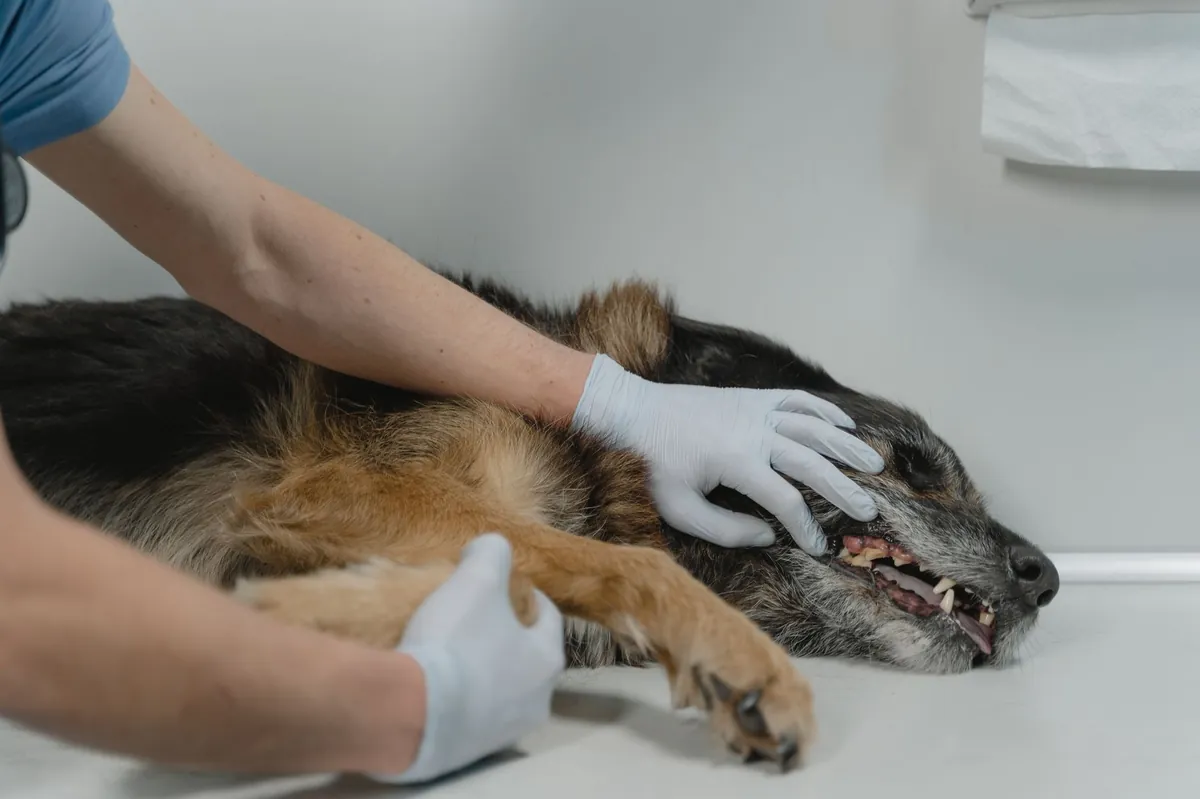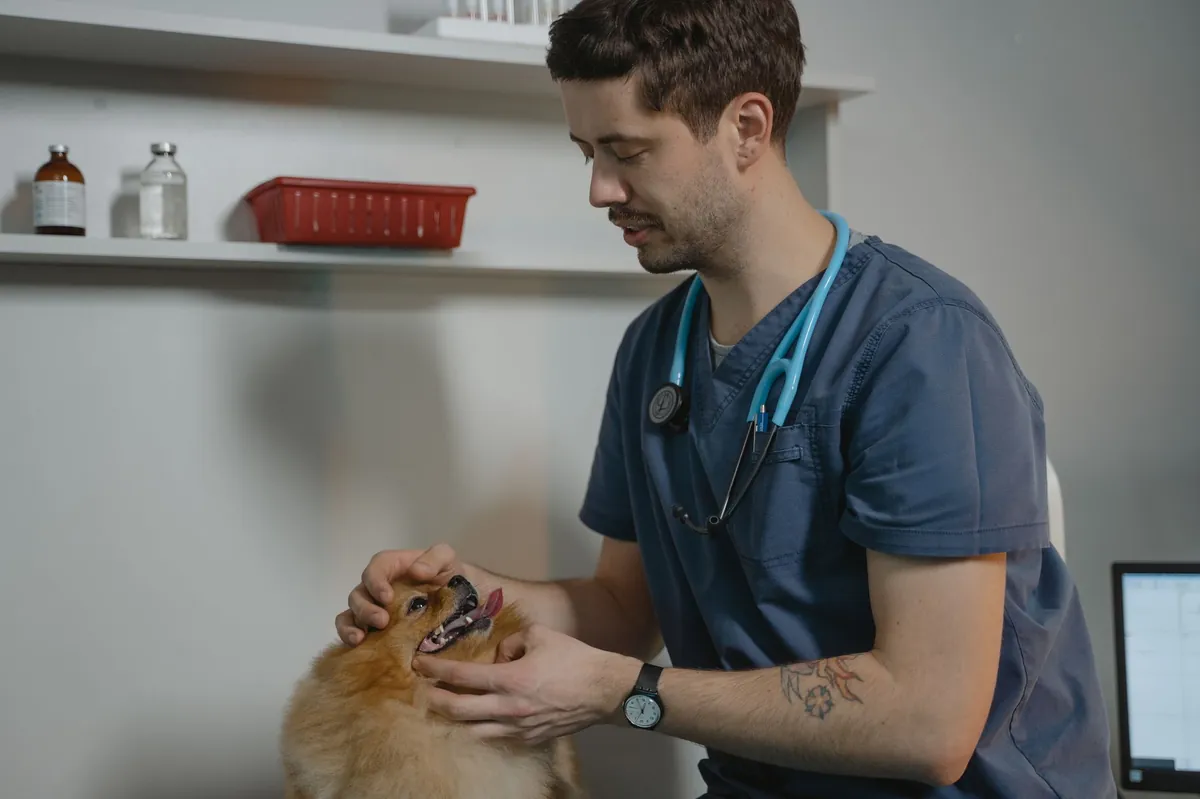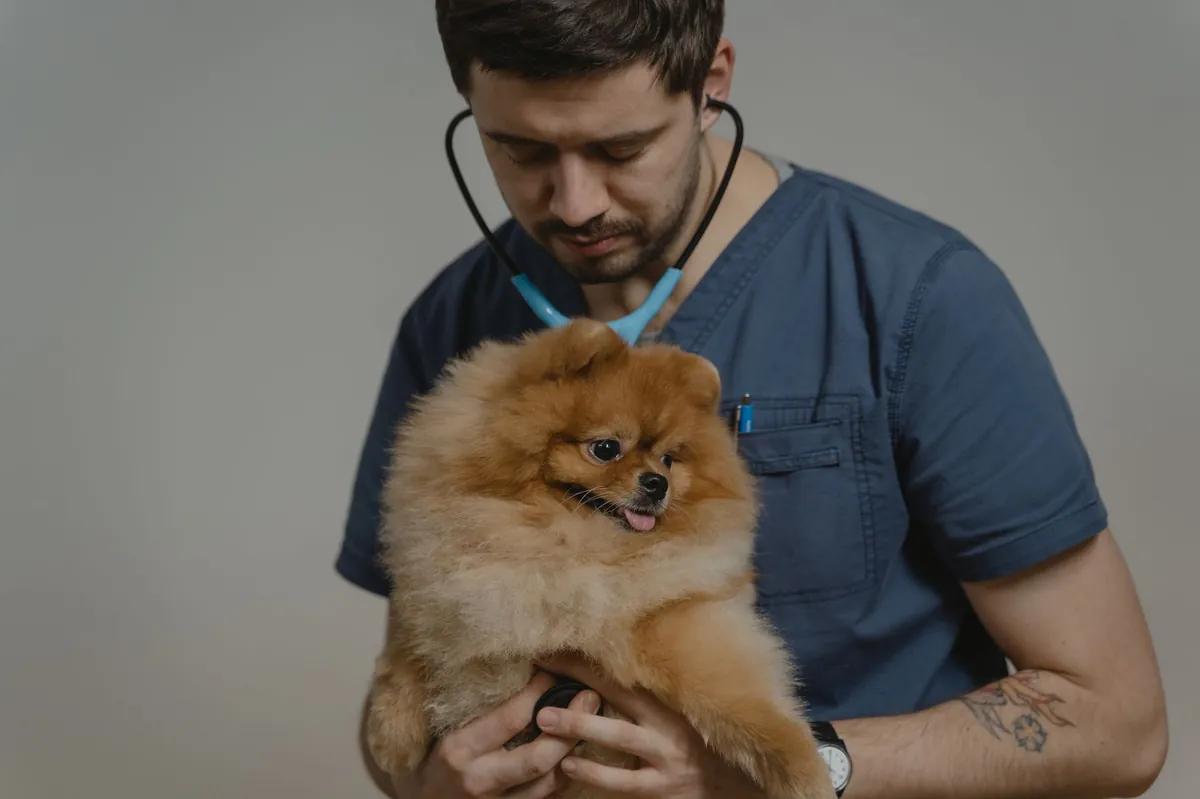
Finding the right veterinary professional can make a real difference in your pet‘s health and happiness. But what exactly separates a good vet from a great one? The 5 qualities of a great vet go beyond medical knowledgethey include empathy, communication skills, and genuine care for your furry friend. Knowing these traits helps you make informed choices that keep your pet comfortable and thriving.
Compassionate Care
One of the most important qualities of a great vet is compassion. When your pet is scared or in pain, a gentle touch and kind demeanor can provide comfort that medicine alone cant offer. Compassionate vets take time to understand your pets needs and fears, helping reduce anxiety during exams and treatments.
Pets are sensitive to energy, so a calm and soothing vet helps build trust quickly. This kindness also extends to pet owners, making challenging conversations about health easier to handle. According to experts, empathy in veterinary care can improve treatment outcomes significantly.

Strong Communication
Clear communication is key when dealing with complex health issues or ongoing treatment plans. A great vet explains diagnoses and procedures in simple terms, ensuring you understand your options and can make decisions confidently. This openness builds trust and reduces confusion.
How does communication improve pet care?
Effective communication ensures you, as a pet parent, know what signs to watch for and how to manage medications correctly. Vets who listen closely also pick up subtle cues about your pets behavior or environment that may affect health.
For example, when discussing flea prevention, a vet might recommend home remedies for fleas on cats baking soda as complementary to prescribed treatments. This balanced advice reflects transparent dialogue between vet and owner.
Expert Knowledge
Your vets medical expertise is the foundation of quality care. A great vet stays updated on the latest veterinary medicine advances, including new treatments and protocols. They tailor advice and interventions to your pets specific age, breed, and health condition.
Whether your dog has chronic allergies or your cat needs an unusual medication, a well-informed vet provides accurate, vet-approved solutions. Professional credentials coupled with continuous learning ensure your pet receives optimal care that aligns with established standards like those from the American Veterinary Medical Association (AVMA).

Patience and Dedication
Patience is especially valuable when dealing with nervous pets or long-term illnesses. A great vet doesnt rush appointments. Instead, they take the time to thoroughly assess and treat your pet without making you feel hurried.
Dedicated vets are also willing to answer your questions, no matter how small or repetitive. They understand that managing pet health can be overwhelming and provide steady guidance. For instance, if youre searching for a vet for dog near me, look for reviews highlighting attentive, patient carequalities that reflect dedication.

Genuine Passion for Animals
Finally, passion fuels a great vets motivation. You can often tell when a vet truly loves animals by how they interact with your pet and their enthusiasm for animal welfare. This passion leads to extra effort in diagnosis, treatment, and even education.
Passionate vets advocate for preventive care, early detection of diseases, and overall pet wellness. Their love for animals encourages continuous improvement in their skills and facilities, benefiting your pet directly.
Sometimes, a passionate vet may recommend lifestyle changes or better food options customized to your pets needs, contributing to a healthier, happier companion.

Is it normal for vets to have different communication styles?
Yes, vets vary in how they convey information. Some may be more technical, others more conversational. A great vet adapts their style to suit you and your pet, ensuring comfort and clarity. If a vets communication doesnt feel right, sharing your preferences can help improve the experience.
How can I evaluate a vets empathy before visiting?
Observation during initial contact helps: watch how the vet interacts with your pet and listens to your concerns. Friendly tone, gentle handling, and attentiveness indicate strong empathy. Asking for recommendations from other pet owners also offers insight.
What are common signs of a knowledgeable vet?
Youll notice they answer your questions confidently, provide evidence-based advice, and offer tailored treatment plans. They stay current with industry standards and explain why certain procedures are recommended.
Why is patience important in veterinary care?
Patience allows vets to understand delicate symptoms and might uncover problems that quick exams miss. It also helps pets feel less stressed, making examinations smoother and more effective. Your pet benefits when the vet isnt rushing through visits.
Can a vets passion impact treatment quality?
Yes. Passionate vets often go beyond routine care, suggesting holistic approaches and preventive strategies. Their enthusiasm motivates ongoing learning and investments in better technology, improving care quality overall.
What should I do if my pet doesnt respond well to the vets treatment?
Communicate concerns directly with the vet promptly. A great vet welcomes feedback and will adjust treatment plans as needed. Always follow their guidance and keep detailed notes on your pets response.
How often should I visit the vet for preventive care?
Regular wellness exams, typically once or twice a year, help catch issues early. Puppies and senior pets may need more frequent visits. Consult your vet for a schedule tailored to your pets life stage and breed.
Pro Tips for Choosing Your Vet
When selecting a vet, dont overlook the power of personal experience. Visiting the clinic to observe staff interactions can reveal a lot about the vets approach. Look for signs of cleanliness, organized records, and a calm environment. Beware of clinics where your questions seem dismissed or appointments feel rushed.
Another tip: ask about their training and continuing education. Vets who engage in professional development are more likely to provide up-to-date treatments. This commitment aligns with being a good veterinarian who truly prioritizes animal health.
Finally, trust your instincts. A vets passion and dedication often shine through in small details like follow-up calls and being punctual during visits.
More You Might Like
Learning simple preventive treatments at home can support your vets care. For natural flea control, check out home remedies for fleas on cats baking soda that complement vet-recommended products.
Finding a local professional is easy when you know what to look for. If youre relocating or searching for new care, explore tips on selecting a vet for dog near me to keep your pets health seamless.
Remember, a great vet is a partner in your pet‘s well-being journey, combining expertise with kindness and respect.
The 5 qualities of a great vet help ensure your pet receives care that feels personalized and trustworthy. Next time you visit your vet, notice these traits and appreciate the difference they make in your pets health and happiness.
FAQs
How long does it take to see results with 5 qualities of a great vet?
Results can vary depending on your pet’s condition, but working with a vet who embodies these qualities ensures steady progress and better outcomes over time. Their patience, expertise, and communication help create effective treatment plans that improve your pet’s health consistently.
How often should I visit the vet for preventive care?
Most pets benefit from wellness exams once or twice a year. Puppies and senior pets may need more frequent visits. Your vet can tailor a schedule based on your pet’s age, breed, and health needs to catch issues early and maintain wellness.
What are common signs of a knowledgeable vet?
A knowledgeable vet answers your questions confidently, provides evidence-based advice, and offers personalized treatment plans. They stay updated on veterinary advances and explain why certain procedures or medications are recommended.
Why is patience important in veterinary care?
Patience allows vets to thoroughly assess symptoms and reduces pet stress during visits. This care approach uncovers subtle issues that rushed exams might miss and helps pets feel more comfortable, enhancing treatment effectiveness.
Can a vet’s passion impact treatment quality?
Yes, passionate vets often go beyond standard care by advocating preventive strategies and holistic approaches. Their enthusiasm drives continuous learning and improvements that benefit your pet’s overall health and happiness.