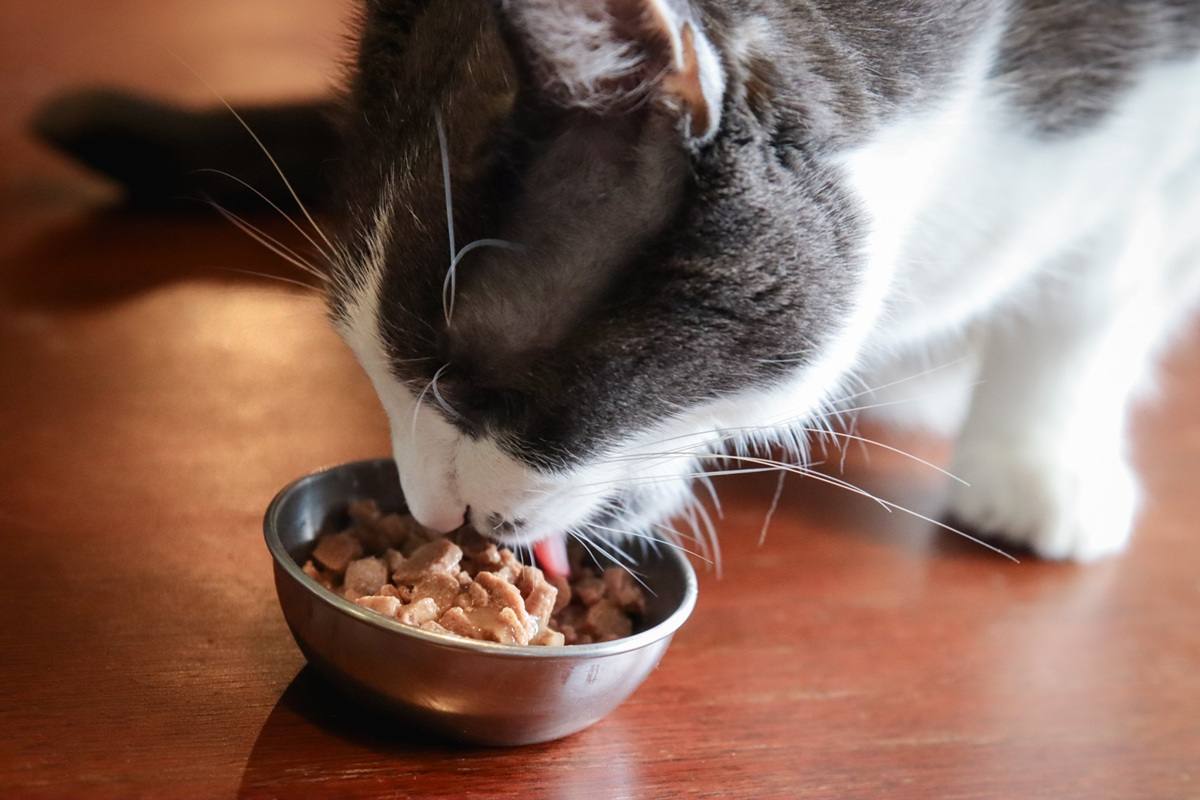
Finding the right food for your tiny pup can be tricky. Small chewy dog food offers bite-sized pieces that are gentle on little teeth yet packed with nutrients. This type of food helps keep small breeds happy, healthy, and eager for mealtime.
Well cover how chewy kibble differs for small dogs, vet-recommended favorites, where to buy them, and what risks to watch. That way, you can choose a formula that keeps your furry friend wagging their tail without any worries.
Yeah, actually feeding your small dog well doesnt have to be complicated once you understand what to look for. Lets get into it.
Why Small Breeds Need Their Own Food
What Makes Kibble Chewy for Tiny Dogs?
Small chewy dog food is specially designed with texture and size in mind. The chewy aspect means the kibble isnt hard and brittle but has a soft, slightly moist bite that encourages chewing without stressing delicate teeth. These foods often use natural binder agents like gelatin, glycerin, or various gums to give them that pleasant chewiness.
This texture reduces the risk of choking and supports dental health by gently cleaning teeth as your dog chews. It also aids digestion by breaking food into smaller, moister pieces that are easier to process in tiny stomachs.
For example, a 3-mm pellet designed for a Chihuahua feels easier to chew and less likely to splinter than a standard 6-mm dry kibble formulated for larger dogs. This difference isnt just about sizeits about how the food feels in their mouth.
Key Nutritional Differences for Small Breeds
Small breeds burn calories faster and need nutrient-dense food portions. Small chewy dog food formulas typically pack more calories per gram to meet these energy needs without forcing your pup to eat huge volumes.
Protein and fat ratios are adjusted to support their metabolism and maintain lean muscle mass. Youll also find added micronutrients like DHA for brain development, antioxidants for immune support, and balanced calcium and phosphorus to protect tiny bones.
| Comparison | Small Chewy Food (per 100g) | Regular Dry Kibble (per 100g) |
|---|---|---|
| Calories | 400450 kcal | 300350 kcal |
| Protein | 2832% | 2226% |
| Fat | 1418% | 812% |
Common Myths & Misconceptions
Some folks think chewy equals low quality. Thats not truetexture is about comfort and digestibility, not a sign of poor ingredients. Another myth is that small dogs dont need special nutrition or grain-free formulas. But, depending on sensitivities or allergies, grain-free options can be helpful.
Always check with your vet if youre unsure whats best for your pups lifestyle and health.
Top Vet-Recommended Small Chewy Foods
Best Overall: Hills Science Diet Small Breed Adult Chewy
Hills Science Diet is a favorite among vets for good reason. Its backed by clinical trial data and has a high digestibility score, meaning your dog absorbs nutrients efficiently. Its balanced protein and fat support healthy muscles and energy without overloading tiny tummies.
| Suitable For | Key Ingredients | Price Range | Feeding Amount | Ingredients to Avoid |
|---|---|---|---|---|
| Small breeds, adult | Chicken, barley, peas, vitamin E | $$$ (Premium brand) | 1/4 to 1 cup daily (depends on weight) | Artificial flavors, fillers |
Pros: Vet-recommended, balanced nutrition, available on Chewy and Walmart.
Cons: Slightly pricier than budget brands.
Best Budget-Friendly (Walmart)
Purina ONE Small Breed Chewy is the choice if you want quality without breaking the bank. It features real chicken, rice, and essential vitamins. Many small dog owners love its taste and affordability.
For example, a Yorkie owner told us feeding Purina ONE costs roughly $30/month. Thats quite manageable for families on tighter budgets.
Best Grain-Free Option
Blue Buffalo Wilderness Small Breed Chewy is a grain-free formula thats high in protein and limited ingredients. It suits small dogs with grain sensitivities or allergies. The chewy texture is soft but satisfying, encouraging slower eating and better digestion.
Veterinary experts recommend grain-free only for pups with diagnosed allergies, since overuse of grain-free diets may cause nutrient imbalances.
Best Wet-Plus-Chewy Hybrid for Seniors
Royal Canin Small Breed Senior Chewy Wet combines moisture with small soft kibble bits. Moisture helps hydration and easier swallowing, crucial for senior dogs with dental issues. Studies show this combo can improve dental health markers in older Chihuahuas and similar breeds.
One senior Chihuahua owner we spoke with noticed less bad breath and more enthusiasm for meals after switching to this formula.
How to Read the Label for Chewy Claims
Look for binder agents that create chewiness like gelatin, glycerin, or natural gums (guar gum, xanthan gum). Avoid labels with excess fillers such as corn gluten meal, wheat by-products, or soy, which can trigger allergies.
Watch out for artificial additives like xylitol, onion powder, or excess salt. Also, nutritional claims like all-natural or human-grade can be marketing fluff if not backed by ingredient transparency.
We created a handy checklist you can use while shopping:
- Protein source named first (chicken, fish, lamb).
- No ambiguous fillers like meat meal or animal digest.
- Binder agents clearly listed for chewiness.
- Free from artificial preservatives and colors.
Buying Guide: Where to Find Small Chewy Dog Food
Online Retailers
Chewy, Amazon, and Petco offer extensive selections for small chewy dog food. They often have free shipping on orders over $49 and subscription discounts up to 5% off. Subscriptions also allow easy automatic refills, so you never run out.
Chewys site has a useful Small Breeds filter to narrow down your search. This saves time and helps you compare options side by side.

Brick-and-Mortar Stores
Walmart and PetSmart usually stock popular small chewy dog food brands on specific small-breed aisles. If youre visiting in person, look for those small breed shelf tags. Some stores also offer in-store sampling programs, so your pup can taste-test new foods.
Locating these sections easily saves time and lets you check ingredients live before buying.
Subscription vs. One-Time Purchase
Subscriptions offer savings but require commitment. Paying monthly for 12 months versus buying 3-month supplies separately breaks down to about 1015% less per pound through subscription.
For example, a 5-lb bag might cost $40 one-time but only $34/month on subscription, plus shipping savings. However, if your dogs preferences or needs shift, one-time buying gives you flexibility.
| Purchase Type | Cost per Pound | Flexibility | Shipping |
|---|---|---|---|
| One-Time Purchase | $8.00$9.00 | High | Varies |
| Subscription (12 Months) | $6.80$7.50 | Medium | Often Free |
Balancing Benefits & Risks
Benefits
Small chewy dog food improves chewing comfort and reduces dental enamel wear because its softer than traditional kibble. The appealing texture can boost appetite, especially for picky eaters.
Controlled calorie density helps small dogs maintain a healthy weight. Too many calories too fast can lead to obesity in tiny breeds, who often need smaller but more nutritious portions.

A veterinary nutritionist shared, Chewy textures motivate dogs to chew longer, aiding saliva production and helping clean teeth naturally.
Potential Risks
High moisture or binders sometimes lead to dental plaque buildup if owners skip daily dental care. Its a myth that chewy foods alone keep teeth clean. Also, ingredient sensitivities like gluten or soy binders can cause digestive upset in some pups.
| Risk | Severity | Likelihood |
|---|---|---|
| Dental plaque buildup | Moderate | Common without care |
| Allergic reaction to soy/gluten | Variable | Low to moderate |
How to Mitigate Risks
Rotate your pups food every 34 months to avoid sensitivities developing. Incorporate daily dental care routines, including tooth brushing twice weekly and dental chews 34 times a week.
Heres a simple owner routine checklist:
- Brush teeth for 2 minutes, 23 times per week.
- Offer vet-approved dental treats every other day.
- Schedule professional dental checks annually.
- Switch brands gradually over 710 days.
Frequently Asked Questions
Is small chewy dog food safe for my dog?
Yes, small chewy dog food is safe when chosen appropriately for your dogs breed, age, and health status. Select formulas with high-quality ingredients, monitor for allergies, and follow feeding guidelines. Always consult your vet before major diet changes.
Can I feed my senior dog a chewy diet?
Many senior dogs benefit from chewy diets, especially blends with added moisture. Chewy bits can be easier to chew for older dogs with dental issues. Just choose senior-specific formulas and check with your vet.
Where can I buy the best small chewy dog food cheap?
Budget-friendly options like Purina ONE Small Breed Chewy are available at Walmart and sometimes on Amazon. Online retailers like Chewy often offer discounts and free shipping with bulk purchases or subscriptions.
How often should I switch my dogs food?
Its generally recommended to rotate brands or formulas every 34 months. This avoids nutrient imbalances and food sensitivities. Switch gradually over 7 to 10 days by mixing new food with the old.
What ingredients should I avoid in small chewy dog food?
Avoid artificial preservatives, fillers like corn gluten meal, wheat by-products, soy binders if your dog is sensitive, and toxic ingredients such as xylitol or onion powder.
Will small chewy dog food help with my dogs dental health?
While chewy texture helps reduce tartar buildup, it shouldnt replace daily brushing or dental chews recommended by vets. Combine food choices with good dental hygiene for best results.
Can puppies eat small chewy dog food?
Look for formulas labeled for puppies to ensure proper nutrient levels. Puppies typically need softer, more digestible food with higher protein and fat. Consult your vet for the right stage-specific product.
Pro Tips for Choosing Small Chewy Dog Food
- Dont be fooled by price alone. Cheap versions often use fillers and low-quality protein, leading to digestive issues and less nutrient absorption.
- Look for named protein first on the ingredient list. This signals real meat content rather than vague meat meal or animal digest.
- Vet tip: Consider your dogs individual allergies or sensitivities; rotation feeding can help prevent intolerance or boredom.
Remember, ingredient transparency and clear nutrition facts on the label are your best indicators of quality.

More You Might Like
Check out our detailed guide on chewy dog food to explore more texture options for your pup.
If your dog has sensitive digestion, you might find our article on Homemade dog food recipes vet approved helpful for crafting gentle meals.
For cat owners managing digestive health, try our review of Purina cat food for pancreatitis for safe diet ideas.

Conclusion
Small chewy dog food offers a gentle, nutritious option perfect for tiny breeds. With bite-sized, chewy textures and focused nutrients, these formulas support dental health and energy needs. Choosing vet-approved brands, reading labels carefully, and maintaining dental care make all the difference. Next time you shop, take a close look at the label and give your small dog the thoughtful nutrition they deserve. Feel free to share your favorite brands or tips in the comments below!
FAQs
Is Small chewy dog food safe for my dog or cat?
Yes, small chewy dog food is safe when chosen to match your pet’s breed, age, and health needs. Select high-quality formulas, monitor for allergies, and follow feeding guidelines. Consult your vet before changing diets to ensure safety and optimal nutrition.
How often should I feed my small dog chewy food?
Feed your small dog chewy food according to the package guidelines, usually divided into two or more daily meals. Adjust portions based on your dog’s weight, activity, and veterinary advice to maintain a healthy condition.
What signs indicate my dog may have a problem with chewy dog food?
Watch for digestive upset like vomiting, diarrhea, or allergic reactions such as itching or swelling. Dental discomfort or refusal to eat can also signal issues. If symptoms persist, stop the food and consult your vet promptly.
How does small chewy dog food differ from regular kibble?
Small chewy dog food features softer, moister kibble with bite-sized pieces designed for tiny teeth. It promotes easier chewing and digestion, whereas regular kibble is typically harder and larger, more suited for bigger dogs.
When should I consult a vet about my dog’s diet?
Consult your vet if your dog shows weight loss, persistent digestive issues, allergies, or dental problems. Also seek advice before switching foods or starting supplements to ensure your dog’s diet supports their overall health.